
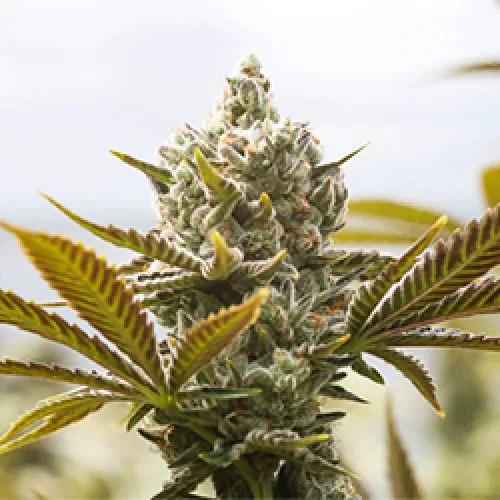
Pack: 10 seeds
Panjshir Real Kush Cannabis Seeds — Authentic Afghan Landrace Genetics
Panjshir Real Kush is a regular cannabis seed variety from Afghan Seed Connection that carries authentic landrace genetics from Afghanistan's Panjshir Valley. Situated at the foothills of the Hindu Kush mountains, this region has shaped cannabis indica plants for centuries — producing hardy, resinous specimens with dense flowers and unmistakably sweet, fruity aromas. If you want to grow the real thing rather than a modern hybrid interpretation, these seeds are your starting point.
This product comes in one variant: a pack of 10 regular seeds. Regular means you'll get a mix of male and female plants — no feminisation. That's intentional. Males from the Panjshir line carry strong breeding genetics with notable resin production and stress resistance, making them valuable if you're working on your own crosses.
Why Grow Panjshir Real Kush Seeds?
Most "Kush" strains on the market today are several generations removed from their Afghan origins. They've been crossed, backcrossed, and stabilised for indoor growing rooms and commercial operations. Panjshir Real Kush is different — these are landrace seeds handpicked by the Afghan Seed Connection directly from Panjshir province in northeastern Afghanistan. The genetics haven't been diluted by modern breeding programmes. What you're getting is cannabis the way it's been grown in the Hindu Kush foothills for hundreds of years.
The Panjshir Valley — "Valley of the Five Lions" — sits in a subarctic to subalpine climate zone with long, hot, dry summers and winters that would kill most commercial cannabis varieties outright. Over centuries, the indica plants growing there adapted. They developed thick coats of resin (a natural defence against UV radiation at altitude and cold stress), compact bud structures to retain moisture, and a robustness that lets them shrug off temperature swings that would stunt a typical indoor strain. We've seen growers in northern Europe run these outdoors with impressive results — they genuinely handle cold better than almost any seed we carry.
The honest limitation? These are regular seeds from a landrace population, so you'll see more phenotypic variation than you would from a stabilised F1 hybrid. That's not a flaw — it's the nature of working with wild genetics. Some plants will be shorter, some taller, some more fruity, some more hashy. If you're used to cookie-cutter uniformity from feminised seeds, adjust your expectations. The upside is that you're working with a genuine gene pool, and the standout phenotypes from a Panjshir pack can be extraordinary.
Panjshir Real Kush Growing Characteristics
These Afghan landrace seeds produce indica-dominant plants that stretch considerably during flowering, reaching a mature height of 150–250 cm. They perform well indoors, outdoors, and in greenhouses — though outdoors is where they really show their heritage.
| Specification | Detail |
|---|---|
| Seed Type | Regular (male and female) |
| Genetics | Afghan landrace — Panjshir Valley, Hindu Kush |
| Species | Cannabis indica |
| Breeder | Afghan Seed Connection |
| Seeds per Pack | 10 |
| Plant Height | 150–250 cm |
| Outdoor Harvest Window | September–October |
| Yield (Female Plants) | 500–700 g |
| Climate Suitability | Subarctic, subalpine, cold continental |
| Growing Environment | Indoor / Outdoor / Greenhouse |
| Resin Production | Heavy — both males and females |
Female Panjshir plants flower relatively quickly for a landrace, reaching peak maturity between September and October when grown outdoors. Expect dense, compact buds absolutely caked in trichomes — this is a hash plant at heart, and the resin output reflects that. Yields of 500–700 g from female plants are realistic in good conditions.
Don't discard the males automatically. Panjshir males are genuinely useful breeding stock. Their resilience to stress and pests, combined with respectable resin production even on male flowers, makes them excellent candidates for crossing with other varieties. If you're building a breeding project around cold-hardy genetics, a strong Panjshir male is hard to beat.
Aroma and Resin Profile of Panjshir Afghan Kush
After centuries of exposure to Panjshir's harsh subarctic climate, the cannabis plants from this region developed an unusually heavy resin coat. That resin carries a uniquely sweet, fruity aroma — think ripe stone fruit layered over a deep, earthy hash base. When you handle the buds, your fingers come away sticky and fragrant. The smell fills a room in a way that modern hybrids rarely manage; it's less "candy shop" and more "old-school hash bar in a mountain village."
The density of the flowers makes them excellent candidates for traditional hash-making. If you've ever wanted to press or dry-sift your own charas-style hash from authentic Afghan genetics, Panjshir is the strain to do it with. The trichome coverage extends well down the sugar leaves, so even your trim is worth keeping.
Best Growing Conditions for Panjshir Real Kush
Panjshir Real Kush seeds are the best choice for growers in cold climates who've struggled with strains that stall or rot when temperatures drop. These plants evolved in conditions where nighttime temperatures regularly fall below freezing during late flowering — they don't just survive cold, they're built for it.
- Germinate seeds using your preferred method — paper towel or direct soil both work. Panjshir seeds have a strong germination rate thanks to their landrace vigour.
- Transplant seedlings into their final containers or outdoor plot once they've developed 3–4 true leaf sets. Use well-draining soil; these plants come from arid mountain terrain and don't appreciate waterlogged roots.
- Identify sex early. With regular seeds, expect roughly a 50/50 male-to-female ratio. Males will show pre-flowers (small pollen sacs at the nodes) before females. Separate males unless you're breeding.
- Allow plants to stretch during the flowering phase — they can reach 150–250 cm, so plan your vertical space accordingly. Indoor growers may want to top or train plants during veg to manage height.
- Reduce watering frequency as buds mature. Panjshir plants are adapted to dry conditions during late flowering. Overwatering in the final weeks increases the risk of bud rot — one of the few things that can actually threaten these otherwise bulletproof plants.
- Harvest when trichomes shift from clear to milky-amber. Outdoor growers in the Northern Hemisphere should target September to October. Dry and cure slowly for the best expression of the fruity, hashy terpene profile.
One thing to watch for: because these plants come from a region with intense sunlight at altitude, they respond well to strong light indoors. A 600W HPS or equivalent LED at close range will push resin production noticeably. Weak lighting produces thinner trichome coverage — you'll still get good plants, but you won't see the full potential of the genetics.
Complete your setup with a proper grow tent and ventilation kit. A carbon filter is non-negotiable with Panjshir — these plants are pungent, and the fruity hash aroma will fill your entire house without adequate extraction. If you're planning to make hash from your harvest, a set of bubble bags or a dry sift screen will help you get the most out of those resin-heavy flowers and trim.
Panjshir vs Other Afghan Landrace Seeds
Afghan Seed Connection offers several landrace varieties from different Afghan provinces. Here's how Panjshir compares to another popular option:
| Trait | Panjshir Real Kush | Mazar-i-Sharif (Afghan Landrace) |
|---|---|---|
| Region | Panjshir Valley, NE Afghanistan | Balkh Province, N Afghanistan |
| Climate Adaptation | Subarctic / subalpine — extreme cold tolerance | Continental — hot summers, cold winters |
| Plant Height | 150–250 cm | Variable, often shorter |
| Aroma | Sweet, fruity, deep hash | Spicy, earthy, classic Afghan hash |
| Yield | 500–700 g | Moderate to high |
| Best For | Cold-climate outdoor grows, hash making | Traditional Afghan hash genetics, breeding |
We'd pick Panjshir over Mazar-i-Sharif if cold hardiness is your primary concern. The Panjshir Valley sits at a higher elevation with more extreme winters, and the plants reflect that. For a more classically spicy Afghan hash profile, Mazar-i-Sharif is the one to look at. Both are genuine landraces — you can't go wrong either way.
Frequently Asked Questions
Are Panjshir Real Kush seeds feminised or regular?
These are regular seeds, meaning each pack of 10 will produce a mix of male and female plants. Expect roughly a 50/50 split. Males are worth keeping if you're breeding — Panjshir males show strong resin production and excellent stress resistance.
Can I grow Panjshir Real Kush indoors?
Yes, they grow well indoors, outdoors, and in greenhouses. Indoors, plan for significant vertical stretch — plants reach 150–250 cm. Topping or low-stress training during vegetative growth helps manage height. Strong lighting (600W HPS or equivalent LED) brings out the best resin production.
How cold-hardy are Panjshir cannabis plants?
Extremely. These plants evolved in the subarctic conditions of northeastern Afghanistan, where late-season temperatures regularly drop below freezing. They're among the most cold-tolerant cannabis genetics available — a strong choice for growers in northern Europe or at altitude.
What does Panjshir Real Kush smell like?
Sweet and fruity with a deep, earthy hash undertone. Think ripe stone fruit layered over old-school Afghan charas. The aroma is strong — a carbon filter is a must for indoor grows unless you want your neighbours asking questions.
Are these seeds good for making hash?
They're exceptional for hash. Panjshir plants produce heavy trichome coverage that extends well onto the sugar leaves. The resin quality reflects centuries of selection by Afghan hash makers. Dry sifting or bubble hash methods both work brilliantly with this strain.
How much yield can I expect from Panjshir Real Kush?
Female plants can deliver 500–700 g of dense buds in good growing conditions. Outdoor plants harvested in September to October tend to hit the higher end of that range. Indoor yields depend on light intensity and training methods.
What is Afghan Seed Connection?
Afghan Seed Connection is a seed company that sources authentic landrace cannabis genetics directly from Afghanistan's traditional growing regions. Their seeds are handpicked from established populations — not hybridised or modernised. They specialise in preserving the original Afghan gene pool.
Last updated: April 2026
Related products


You might also like
Medical disclaimer. This content is for informational purposes only and does not constitute medical advice. Consult a qualified healthcare provider before use of any substance.