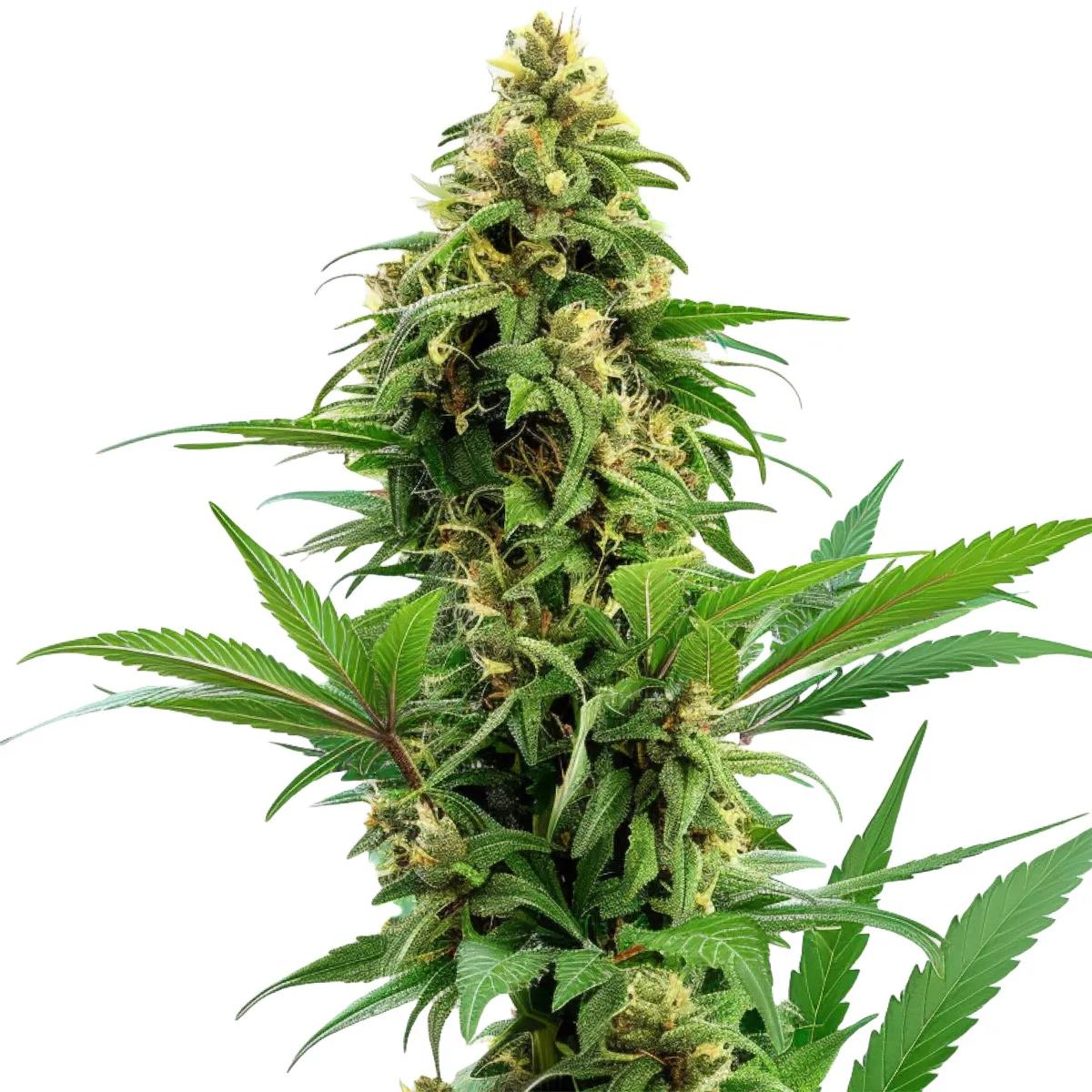
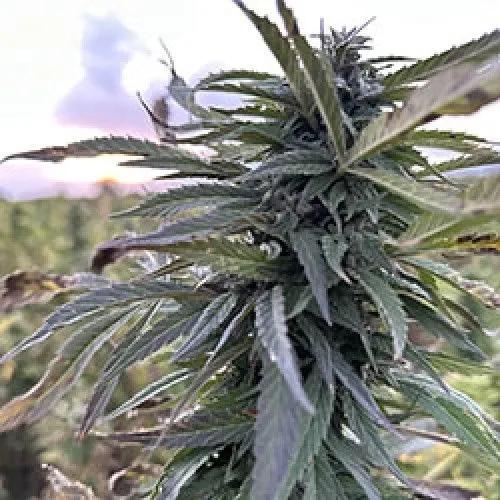
Helmand Regular Cannabis Seeds by Afghan Seed Connection
Helmand is a regular cannabis seed variety from Afghan Seed Connection, bred from hand-selected landrace genetics sourced directly from Afghanistan's largest southern province. These seeds produce hardy male and female plants adapted to subtropical desert conditions — hot days, cool nights, minimal fuss. If you've been growing Dutch hybrids and modern polyhybrids for years, working with a genuine Afghan landrace is a different experience entirely. The terpene profiles are rawer, the resin production is old-school heavy, and the plant structure tells you exactly where modern indica genetics got their backbone.
Afghan Seed Connection hand-picks parent stock from local Helmand plants based on aroma, flavour, and potency. No stabilisation through dozens of backcrosses — this is the real thing, with the natural variation you'd expect from a true landrace population. That means every seed is a small genetic lottery, and that's precisely the point.
Why Helmand Seeds Deserve a Spot in Your Garden
Landrace seeds are the raw genetic library that every modern hybrid traces back to. Helmand regular seeds give you direct access to Afghan genetics without the filtering of commercial breeding programmes. We'd pick these over most "Afghan Kush" crosses on the market because you're getting the source material, not someone's interpretation of it.
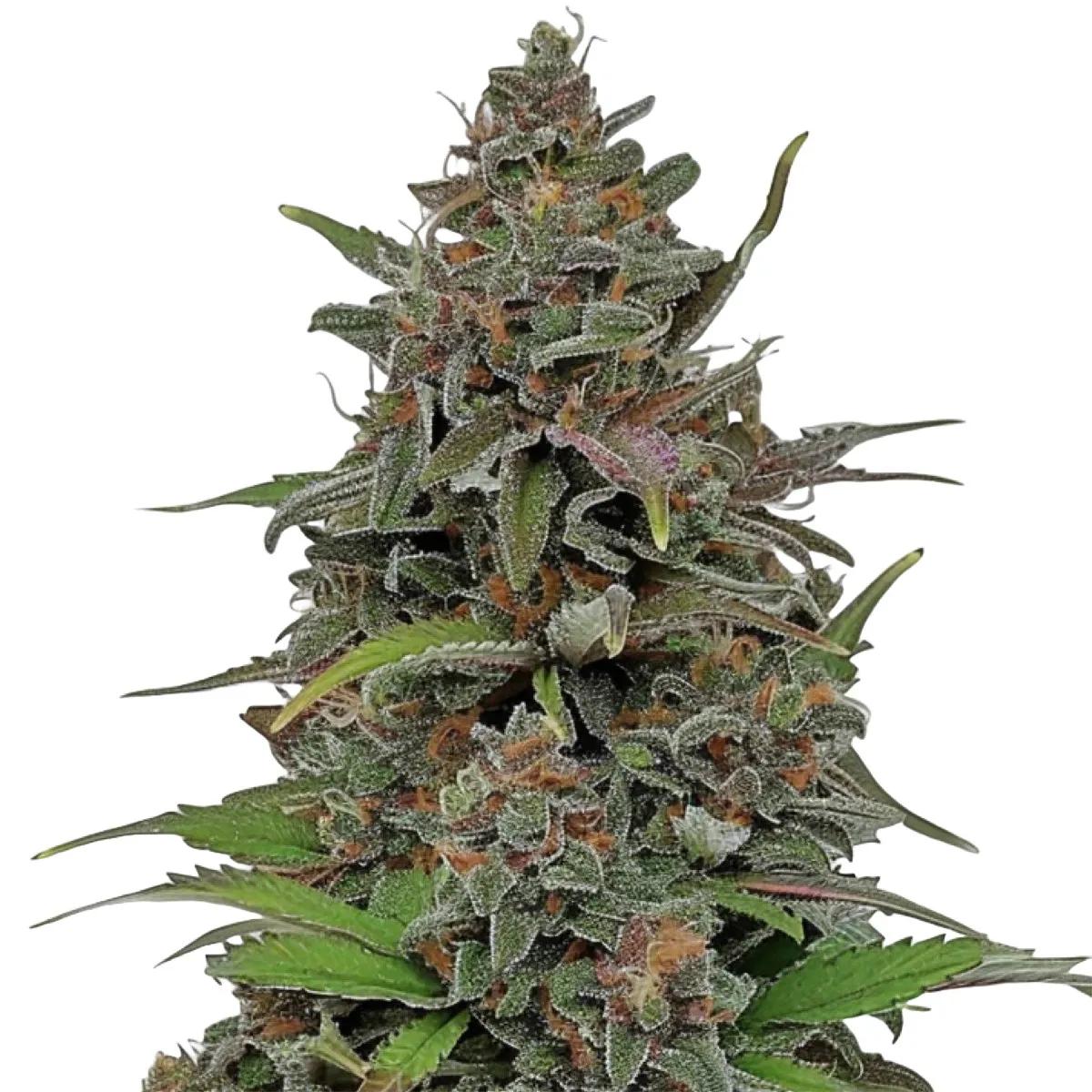
The males here are genuinely worth keeping — and we don't say that lightly. Most growers bin males on sight, but Helmand males show exceptional vigour, fast vegetative growth, and resinous flowers that make them outstanding breeding stock. If you've been hunting for a keeper male to cross into your favourite mother plant, this is where you'll find one. The females, meanwhile, produce dense, resin-caked flowers with that unmistakable deep Afghan aroma — earthy, sweet, with a hash-like undertone you can smell through the bag.
One honest limitation: because these are regular seeds, roughly half your plants will be male. That's not a downside if you're breeding, but if you only want smokeable flowers, you'll need to sex your plants early and remove males before they pollinate. It's an extra step compared to feminised seeds, but the genetic diversity you get in return is worth the effort.
Growing Helmand Seeds: What to Expect
Helmand plants are built for harsh conditions. The province sits along the Afghanistan-Pakistan border in a subtropical desert climate — scorching summers, cool winters, and very little rainfall. These genetics translate into plants that handle heat, drought stress, and temperature swings better than most European cultivars. They'll thrive outdoors in Mediterranean and continental climates across southern and central Europe.
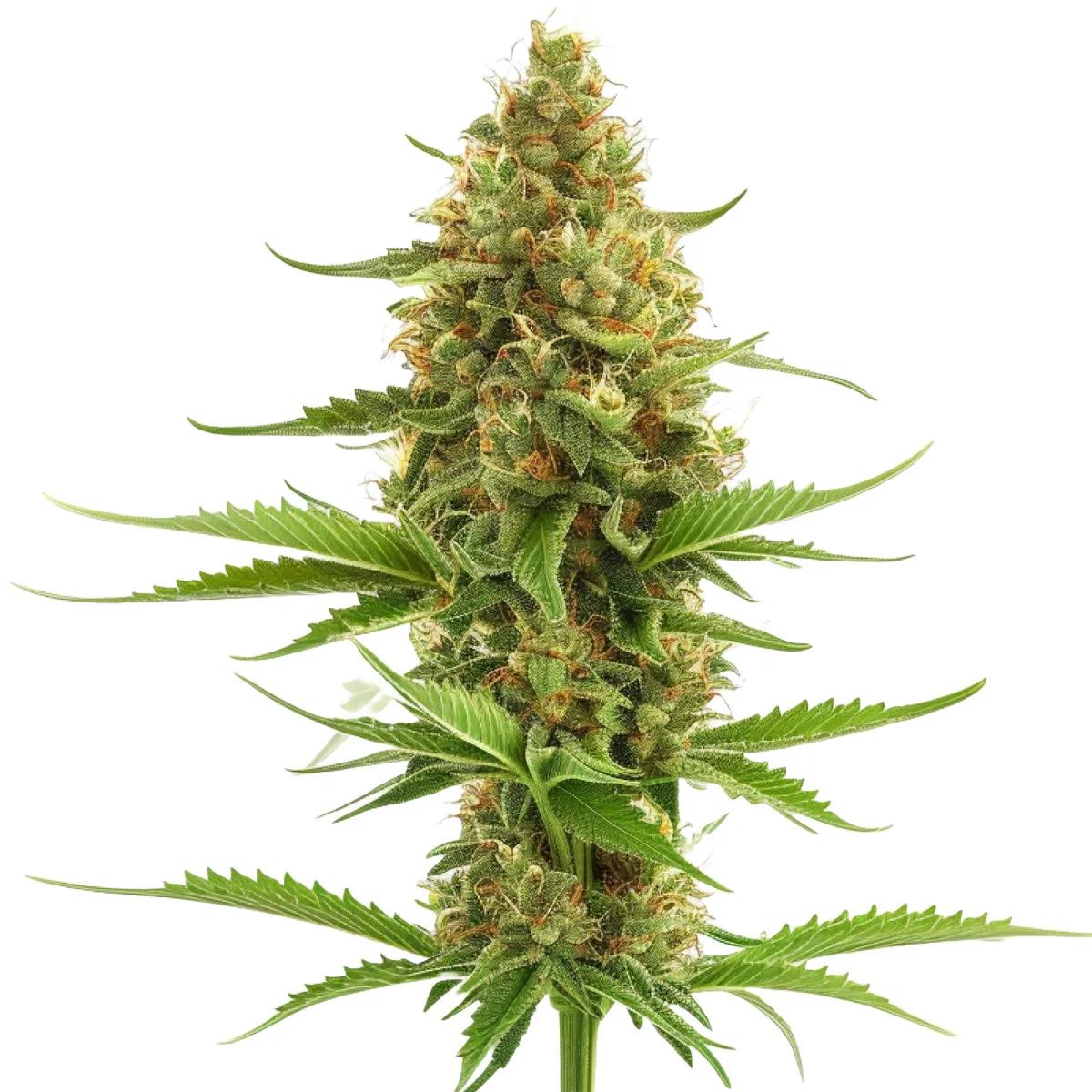
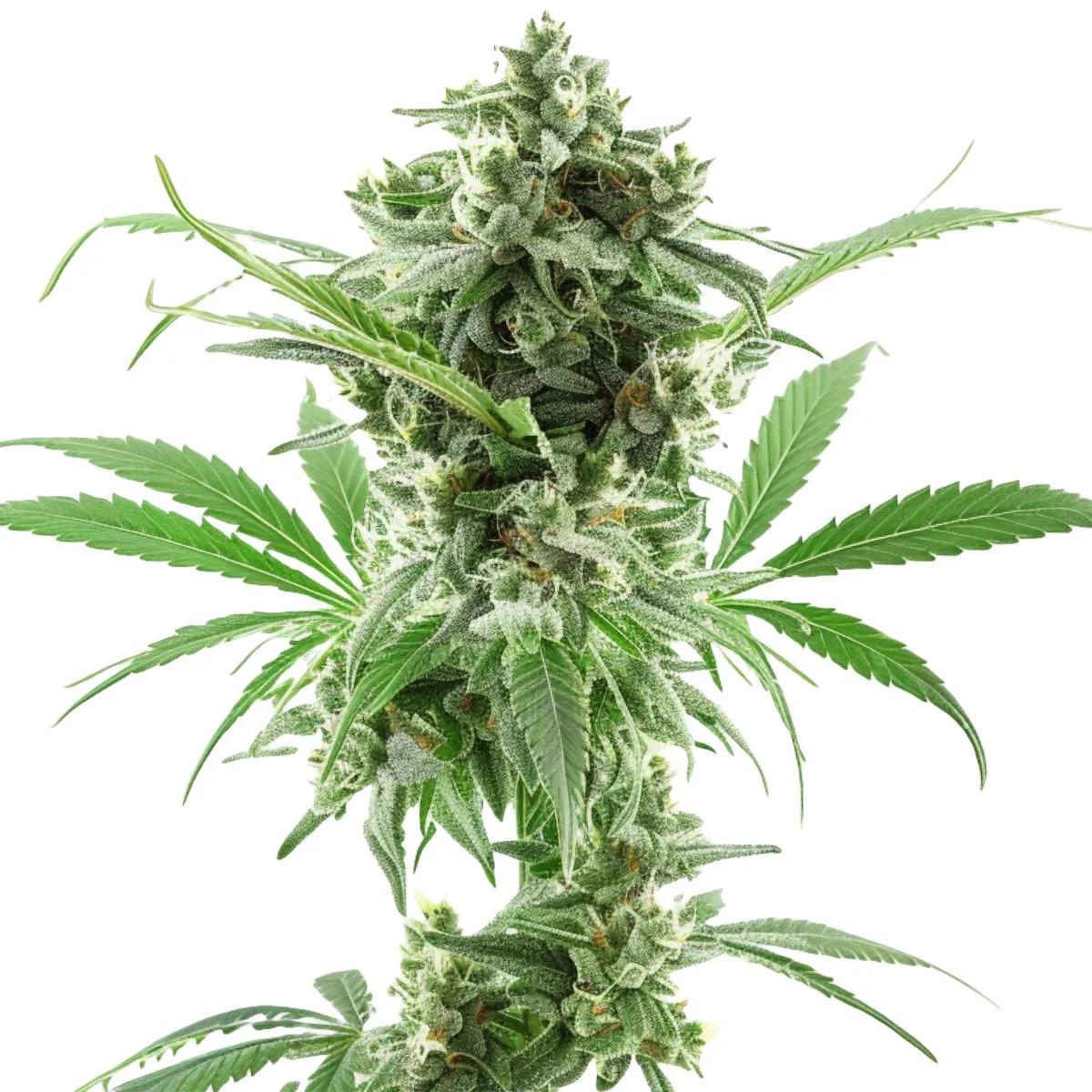
On average, Helmand plants reach 100–200 cm in height with a bushy structure, large fan leaves, and strong lateral branches. That stature and natural stress tolerance make them excellent candidates for training techniques — LST, topping, and supercropping all work well here. The branches flex rather than snap, which is exactly what you want when you're bending stems.
Best sown outdoors in April or May, Helmand plants finish flowering and reach harvest readiness by October. Expect yields of 400–500 g per plant outdoors or 400–500 g/m² indoors, depending on your setup and training approach. One thing we've noticed with Afghan landraces: cool night temperatures during late flowering push resin production noticeably higher. If you're growing in a climate where autumn nights drop to 10–15°C, that's actually working in your favour.
| Specification | Detail |
|---|---|
| Breeder | Afghan Seed Connection |
| Seed Type | Regular (male and female) |
| Genetics | Afghan landrace (Helmand province) |
| Seeds per Pack | 10 |
| Plant Height | 100–200 cm |
| Yield (outdoor) | 400–500 g/plant |
| Yield (indoor) | 400–500 g/m² |
| Optimal Sowing | April–May |
| Harvest Time | October |
| Climate Preference | Subtropical desert; performs well in hot, arid conditions |
| Training Suitability | Excellent (high stress tolerance) |
| SKU | CSAF0010 |
How to Grow Helmand Regular Seeds
- Germinate seeds using the paper towel method or directly in a small pot of moist, well-draining soil. Helmand seeds are robust germinators — expect taproots within 24–72 hours at 22–26°C.
- Transplant seedlings into their final containers or outdoor plot once they've developed 2–3 sets of true leaves. For outdoor grows, wait until nighttime temperatures consistently stay above 10°C (typically mid-April to May in most of Europe).
- Provide full sun and well-draining soil. These plants evolved in near-desert conditions, so they prefer drier roots over constantly wet substrate. Water deeply but infrequently — let the top few centimetres of soil dry between waterings.
- Sex your plants during early flowering. Males will show pollen sacs at the nodes before females show pistils. Remove males promptly unless you're breeding. If you are breeding, isolate your chosen male with a selected female in a separate space.
- Apply training techniques during the vegetative phase if desired. Helmand's strong branches respond well to low-stress training and topping. Spread the canopy to maximise light exposure on lower bud sites.
- As autumn approaches and nights cool, monitor trichome development closely. The drop in temperature naturally boosts resin production. Harvest when trichomes shift from clear to milky-white, with roughly 10–20% turning amber for a more relaxing effect profile.
- Dry harvested flowers slowly in a dark, ventilated space at 18–22°C and 55–60% humidity for 7–14 days, then cure in glass jars for a minimum of two weeks. Afghan landraces reward patience — the hash-like terpene profile deepens significantly with a proper cure.
Helmand vs. Other Afghan Landraces
Afghan Seed Connection offers several regional varieties, and each one carries the fingerprint of its specific province. Compared to their Kabul or Panjshir lines, Helmand plants tend to grow taller and bushier, reflecting the warmer, more arid growing conditions of the south. The resin profile leans towards that classic Helmand hash character — thick, sticky, and deeply aromatic — rather than the slightly more floral notes you might find in northern Afghan varieties.
If you're comparing Helmand to commercial "Afghan Kush" feminised seeds from large-scale breeders, the difference is night and day. Commercial crosses have been stabilised for uniformity, which is convenient but strips out the genetic variation that makes landraces so interesting. With Helmand regulars, you'll see phenotypic variation across your plants — different heights, branching patterns, aromas, and resin structures. That variation is the whole point. It's what breeders spend years searching for in stabilised lines, and here it comes standard.
| Feature | Helmand (Landrace Regular) | Commercial Afghan Kush (Feminised) |
|---|---|---|
| Genetics | Pure Afghan landrace, Helmand province | Afghan hybrid, stabilised |
| Seed Type | Regular (male + female) | Feminised (female only) |
| Phenotypic Variation | High — natural genetic diversity | Low — bred for uniformity |
| Breeding Value | Exceptional (keeper males) | Limited (no males) |
| Resin Character | Old-school hash, earthy-sweet | Varies by breeder |
| Climate Hardiness | Very high (desert-adapted) | Moderate to high |
Complete your grow setup with a quality carbon filter — Helmand's strong terpene profile during late flowering will make itself known to anyone within range. Pair these seeds with a well-draining soil mix and organic nutrients formulated for flowering to get the most out of the resin production these Afghan genetics are known for.
Frequently Asked Questions
Are Helmand seeds feminised or regular?
Helmand seeds are regular, meaning each pack contains a natural mix of male and female plants. Expect roughly a 50/50 split. You'll need to identify and remove males during early flowering unless you're using them for breeding.
Can I grow Helmand seeds indoors?
Yes. While Helmand plants are optimised for hot, arid outdoor conditions, they perform well indoors under standard lighting. Keep humidity below 50% during flowering to mimic their native desert climate and reduce mould risk. Expect yields around 400–500 g/m² with adequate light.
What makes Helmand different from regular Afghan Kush seeds?
Helmand is a pure landrace — seeds sourced directly from plants growing in Afghanistan's Helmand province. Commercial Afghan Kush seeds are typically stabilised hybrids bred for uniformity. Helmand offers far greater genetic diversity, making it better for breeding projects and for growers who want authentic Afghan genetics.
Are the males worth keeping?
Absolutely. Helmand males are specifically noted for their vigour, fast growth, and resinous flowers. If you're running a breeding programme and need strong Afghan genetics to cross into your lines, these males are some of the best breeding stock available from seed.
How tall do Helmand plants grow?
Helmand plants typically reach 100–200 cm depending on growing conditions and training. Their strong branches and high stress tolerance make them excellent candidates for topping and low-stress training if you need to manage height in a smaller space.
When should I harvest Helmand plants grown outdoors?
Outdoor Helmand plants sown in April or May are generally harvest-ready by October. Cool nighttime temperatures during late flowering boost resin production, so don't rush the harvest if autumn conditions are mild. Check trichome colour with a loupe — milky-white with some amber is the sweet spot.
Last updated: April 2026