
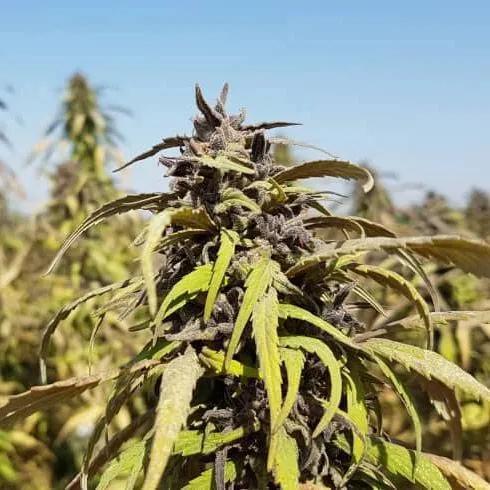
Bamiyan Buddha Regular Cannabis Seeds
Bamiyan Buddha is a pure Afghan landrace indica from the Bamiyan Valley — regular cannabis seeds that produce resilient, resin-heavy plants with 18–22% THC and a distinctive berry-hash aroma. Bred by Afghan Seed Connection, these seeds carry genetics shaped by centuries of natural selection in one of Afghanistan's most famous growing regions, sometimes called the "Valley of Gods."
Why Bamiyan Buddha Afghan Landrace Seeds Deserve Your Attention
Landrace strains are the originals — varieties that evolved in a specific region over hundreds or thousands of years without modern breeding interference. Bamiyan Buddha is one of those rare Afghan landraces still available in seed form, and it carries genetics that modern hybrids can only dream of inheriting. The Bamiyan Valley sits at roughly 2,500 metres elevation in central Afghanistan, where summers are warm and dry and winters are brutal. That environment has forged a plant that shrugs off heat, drought, and cold snaps alike.
What you get from these seeds is authenticity. No backcrossing to boost bag appeal, no stabilisation for uniformity — just the raw genetic expression of a valley that's been producing world-class cannabis for centuries. Each plant will show slight variation (that's the nature of regular landrace seeds), and that phenotypic range is actually the point. You might find one plant leaning heavier on the berry terps and another expressing more of that deep, incense-like hash character. For breeders, that variation is gold.
The honest limitation: these are regular seeds, so roughly half your plants will be male. You'll need to sex them and remove males unless you're breeding. And the grow difficulty is rated hard — this isn't a beginner-friendly autoflower you can neglect. Bamiyan Buddha rewards growers who pay attention, train their plants, and respect the longer flowering window of a photoperiod landrace.
Bamiyan Buddha Seeds — Aroma, Flavour, and Effects
Crack open a jar of properly cured Bamiyan Buddha and the first thing that hits you is sweetness — ripe berries layered over a base of old-school hashish and a whisper of incense. It's unmistakably Afghan. The dominant terpene is myrcene, which tracks with that heavy, musky sweetness, but the fruity top notes set it apart from the typical one-dimensional hash-plant profile.
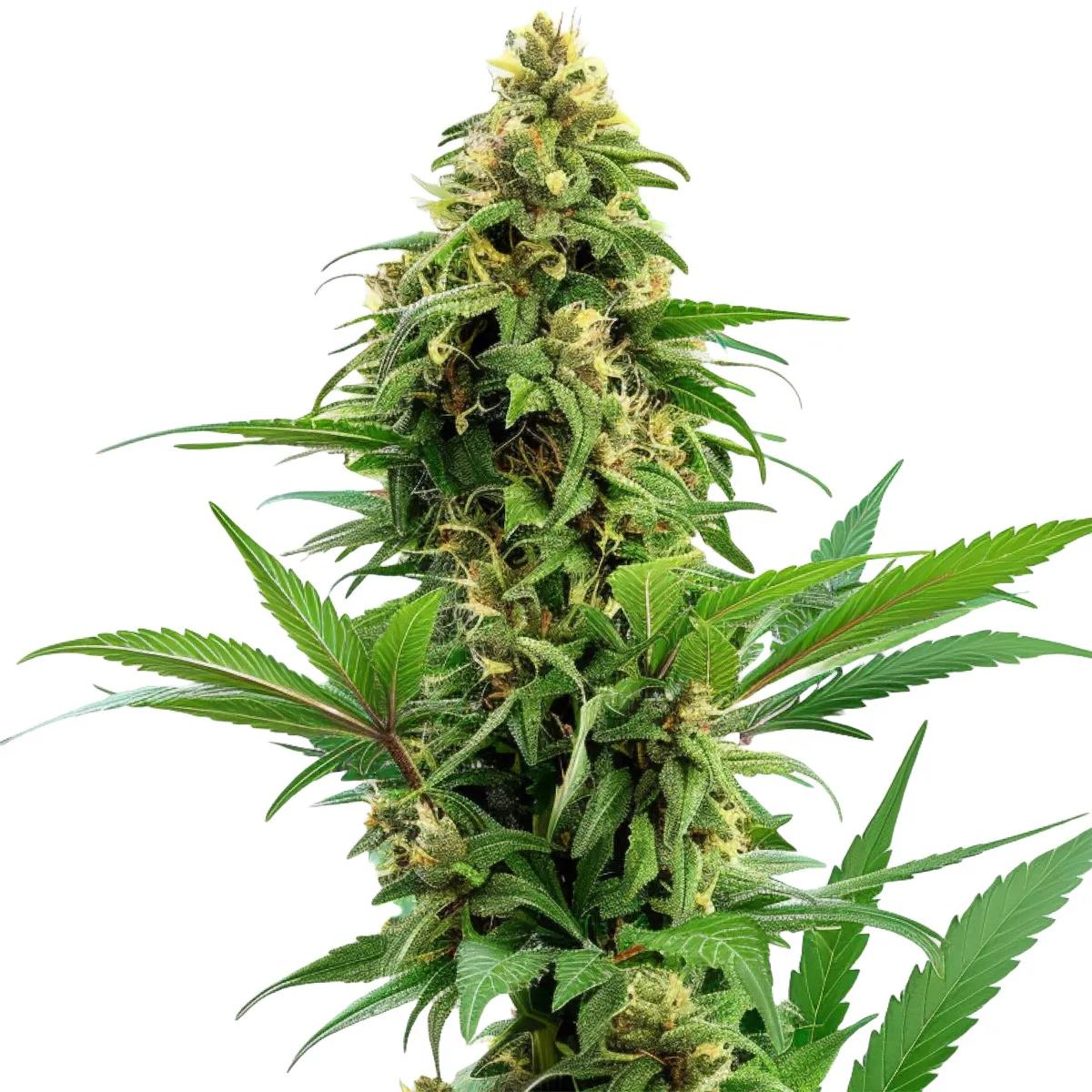
The buds themselves are dense and dark green, stacked with oversized calyxes and threaded with bright orange pistils. They're coated in sticky, aromatic resin — the kind that leaves your fingers tacky after trimming. At 18–22% THC, the effect is relaxing, clear-headed, and soothing. Not a couch-lock knockout, but a warm, serene calm that lets you think straight while your body unwinds. If you've spent years chasing polyhybrids and forgotten what a pure indica landrace actually feels like, this is a good reminder.
Bamiyan Buddha Growing Specifications
| Specification | Detail |
|---|---|
| Breeder | Afghan Seed Connection |
| Genetics | Pure indica landrace (Bamiyan Valley, Afghanistan) |
| Seed type | Regular (photoperiod) |
| Seeds per pack | 10 |
| THC | 18–22% |
| Dominant terpene | Myrcene |
| Flavour / aroma | Sweet, fruity, berry, hashish, incense |
| Effects | Relaxing, clear-headed, soothing |
| Indoor height | Up to 180 cm |
| Outdoor height | 100–180 cm |
| Indoor yield | Up to 400 g/m² |
| Outdoor yield | Up to 400 g/plant |
| Outdoor harvest | Late October to early November |
| Climate suitability | Continental, dry |
| Resilience | Cold-resistant, drought-tolerant, heat-tolerant |
| Grow difficulty | Hard |
Running regular seeds means you'll need to identify and remove males early. A jeweller's loupe makes sexing easier when preflowers appear. If you're growing indoors, pair Bamiyan Buddha with a quality carbon filter — those hash-forward terps get loud in flower. And if you're looking for another landrace to compare phenotypes, check out other Afghan Seed Connection varieties in our cannabis seeds collection.
How to Grow Bamiyan Buddha Cannabis Seeds
These Afghan landrace seeds respond well to experienced hands. Here's a practical walkthrough from germination to harvest.
- Germinate your Bamiyan Buddha seeds using the paper towel method or directly in a starter plug. Keep temperatures between 22–26°C and expect taproots within 2–5 days.
- Transplant seedlings into their growing medium once the taproot is 1–2 cm long. These plants develop strong root systems, so give them room — 11-litre pots minimum indoors, larger outdoors.
- During vegetative growth, keep your light cycle at 18/6. Bamiyan Buddha responds well to low-stress training (LST) and topping to create an even canopy and maximise that 400 g/m² indoor yield potential.
- Sex your plants as soon as preflowers appear (usually 4–6 weeks from seed). Remove males promptly unless you're collecting pollen for breeding — regular seeds will produce roughly 50/50 male-to-female ratios.
- Flip to 12/12 to trigger flowering. Expect a moderate stretch. Final indoor heights reach up to 180 cm, so plan your vertical space or train accordingly.
- During flower, keep humidity below 50% to protect those dense, resinous buds from mould. Bamiyan Buddha evolved in dry Afghan summers, so she prefers arid conditions — don't overwater.
- Outdoor growers in continental or Mediterranean climates can expect harvest readiness by late October to early November. Watch the trichomes: milky with 10–20% amber is the sweet spot for that relaxing, clear-headed effect.
- Dry slowly at 18–20°C and 55–60% humidity for 10–14 days, then cure in glass jars for at least 2–4 weeks. The berry and hash aromas develop significantly during a proper cure.
Why Landrace Cannabis Seeds Are Worth Growing
We've been selling seeds since the early days, and the question we get most about landraces is: "Why bother when modern hybrids yield more?" Fair point — but it misses what makes strains like Bamiyan Buddha special.
Modern cannabis breeding has optimised for yield, speed, and THC. That's given us incredible plants, but it's also narrowed the genetic pool. Landraces carry genetic diversity that breeders need to create the next generation of strains. Growing Bamiyan Buddha isn't just about the harvest — it's about preserving genetics that took centuries to develop in the mountains of Afghanistan. Each seed carries a slightly different expression of that heritage, and for pheno-hunters, that's where the magic is.
There's also the smoke itself. Landrace indicas hit differently from polyhybrids. The 18–22% THC in Bamiyan Buddha delivers a clean, soothing effect without the anxiety or racing thoughts that some high-THC modern strains can trigger. If you've been growing nothing but cookies and cakes crosses, a pure Afghan landrace is a palate reset. The berry-hash flavour profile alone is worth the effort.
The trade-off is grow difficulty. Bamiyan Buddha is rated hard for a reason — regular seeds need sexing, the flowering period is longer than most modern indicas, and yields of 300–400 g/m² are respectable but won't compete with commercial hybrids pushing 600+. If you're growing for quality, flavour, and genetic preservation rather than pure weight, this is your strain. If you want easy and heavy, look at feminised photoperiod hybrids instead.
Bamiyan Buddha vs Other Afghan Landrace Seeds
Afghan landraces share common traits — stocky indica structure, resin production, and resilience — but they're not all the same. Bamiyan Buddha stands out for its fruity terpene profile, which is unusual among Afghan varieties that typically lean heavily on earthy, hashy, and spicy notes. That berry sweetness layered over the classic hash base gives it a character you won't find in a generic "Afghan" seed pack.
| Trait | Bamiyan Buddha | Typical Afghan Indica |
|---|---|---|
| Origin | Bamiyan Valley, Afghanistan | Various Afghan regions |
| Aroma | Berry, fruit, hash, incense | Hash, earth, spice |
| THC range | 18–22% | 15–20% |
| Dominant terpene | Myrcene | Myrcene / caryophyllene |
| Seed type | Regular | Varies |
| Grow difficulty | Hard | Moderate–Hard |
| Resilience | Cold, heat, drought tolerant | Generally resilient |
If you're specifically after that Bamiyan Valley terroir — the combination of elevation, dry climate, and isolation that shaped this strain's unique fruity-hash profile — there's no substitute. Afghan Seed Connection sources directly from the region, which is about as close to the original genetics as you'll get without visiting the valley yourself.
Frequently Asked Questions
Are Bamiyan Buddha seeds feminised or regular?
Regular. You'll get both male and female plants, roughly 50/50. Plan to sex your plants around 4–6 weeks from seed and remove males unless you're breeding.
What's the THC content of Bamiyan Buddha?
Between 18% and 22%, depending on the phenotype and growing conditions. That's solid for a landrace — most pure landraces sit lower than modern hybrids, but Bamiyan Buddha punches above its weight.
Can I grow Bamiyan Buddha indoors?
Yes, but manage the height — plants can reach 180 cm indoors. Use LST or topping to keep the canopy even. Indoor yields reach up to 400 g/m² with proper training and lighting.
When is Bamiyan Buddha ready for outdoor harvest?
Late October to early November in the Northern Hemisphere. It's a photoperiod strain, so it follows natural daylight changes to trigger flowering. Continental and dry climates suit it best.
Is Bamiyan Buddha suitable for beginner growers?
Honestly, no. It's rated hard. Regular seeds need sexing, the plants benefit from training, and the longer flowering period demands patience. If it's your first grow, start with a feminised autoflower and come back to landraces once you've got a harvest or two under your belt.
What does Bamiyan Buddha smell and taste like?
Sweet berries and fruit up front, with a deep base of hashish and incense. The myrcene-dominant terpene profile gives it a musky sweetness. It's distinctly Afghan but fruitier than most strains from the region.
What is a landrace cannabis strain?
A landrace is a cannabis variety that evolved naturally in a specific geographic region over centuries, without modern breeding. Bamiyan Buddha is a landrace from Afghanistan's Bamiyan Valley. These strains carry unique, region-specific genetics that form the foundation of most modern hybrids.
How many seeds come in a pack of Bamiyan Buddha?
10 regular seeds per pack.
Last updated: April 2026
Related products
You might also like
Medical disclaimer. This content is for informational purposes only and does not constitute medical advice. Consult a qualified healthcare provider before use of any substance.