
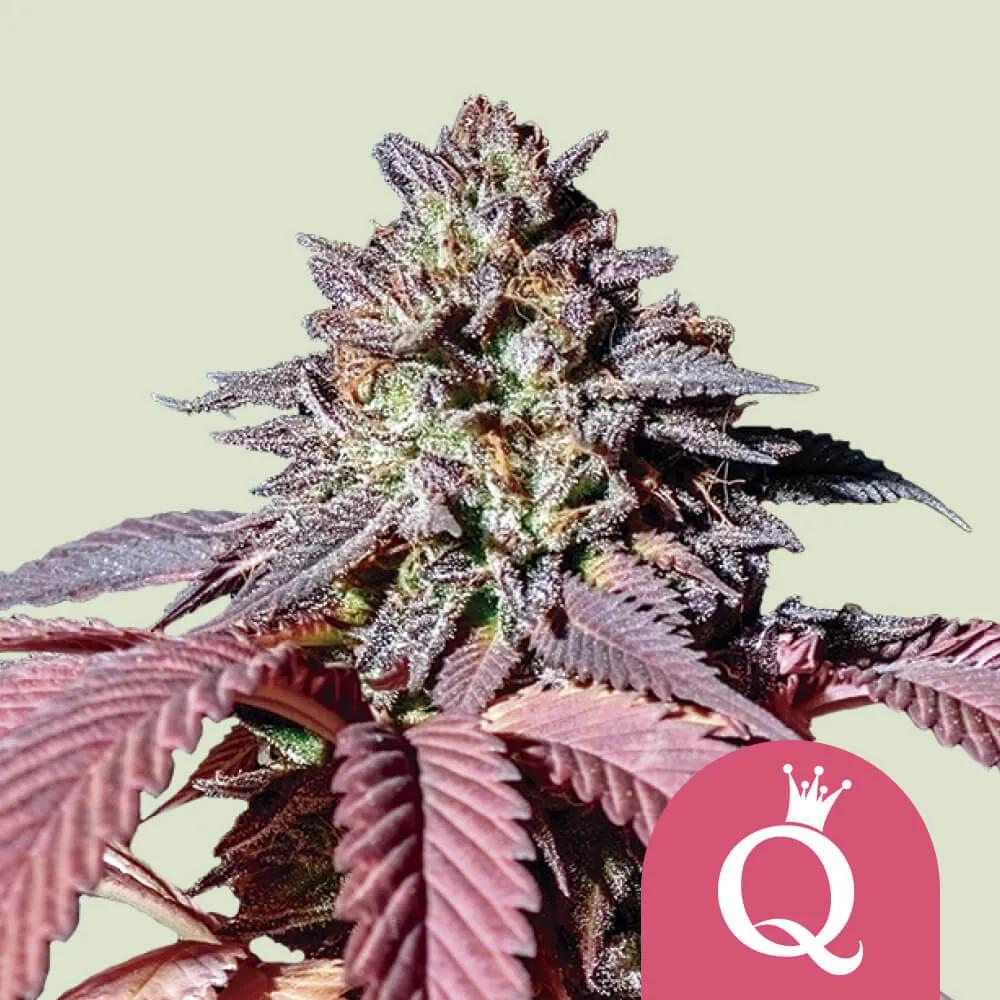
Purple Queen
Cannabis seeds
by Royal Queen Seeds
Purple Queen Cannabis Seeds by Royal Queen Seeds
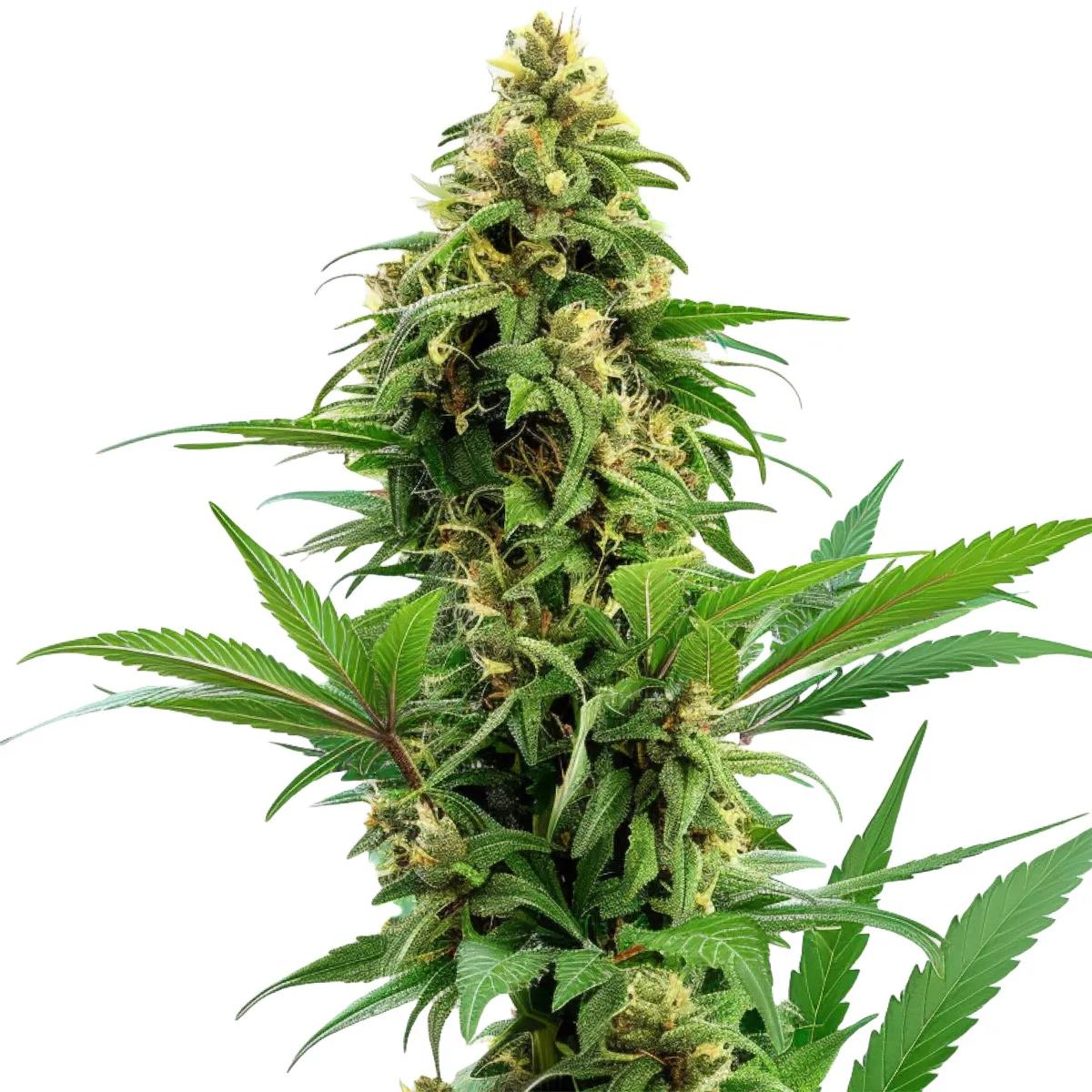
Purple Queen is a feminised cannabis seed strain from Royal Queen Seeds that delivers stunning purple-hued buds, a rich Kush aroma, and a deeply relaxing indica stone — all from a plant that practically grows itself. Built from the most elusive purple phenotypes of Hindu Kush mountain genetics crossed with Purple Afghani, this 75% indica hybrid is the kind of strain that looks as good in the jar as it smokes. If you want bag appeal, flavour, and easy cultivation in one seed, she's your pick.
How Many Seeds Do You Need?
Purple Queen feminised seeds come in packs of 1, 3, 5, and 10. If you're running a single tent, 3 seeds gives you a comfortable selection to find your best phenotype. Growing outdoors with space to spare? The 10-pack is the move — more seeds means more chances to find that one plant with the deepest purple colouring. For a first-time test run, a single seed works, but we'd nudge you toward the 3-pack so you're not putting all your eggs in one basket.
| Specification | Detail |
|---|---|
| Seed Bank | Royal Queen Seeds |
| Genetics | Purple Afghani x Hindu Kush |
| Type | Feminised (photoperiod) |
| Indica / Sativa | 75% Indica / 25% Sativa |
| Flowering Time | 7-8 weeks |
| Indoor Yield | Up to 500g/m² |
| Outdoor Yield | Up to 700g/plant |
| Indoor Height | Under 100cm |
| Outdoor Height | Up to 210cm |
| Climate | Moderate to warm |
| Suitable For | Indoor, outdoor, soil, hydroponics |
| Pack Sizes | 1, 3, 5, or 10 seeds |
Complete your Purple Queen grow with a proper setup. Pair these seeds with a Dark Box grow tent and a complete ventilation kit — the carbon filter handles the pungent Kush aroma during late flowering, and your neighbours stay blissfully unaware. If you're going the hydro route (and Purple Queen genuinely thrives in it), grab a hydroponic starter system to make the most of her high nutrient tolerance.
Why Purple Queen Seeds Deserve a Spot in Your Grow Room
We've carried Royal Queen Seeds since they were still building their reputation, and Purple Queen remains one of those strains that customers come back for repeatedly. The reason is simple: she delivers on every front without demanding much in return. The genetics trace back to the Hindu Kush mountains — one of the oldest cannabis-growing regions on earth — and RQS selected specifically for the purple phenotypes that most breeders struggle to stabilise. The result is a plant that turns purple reliably, not just when you stress her with cold temperatures.
The honest limitation? She's not a record-breaking THC monster. While some online sources cite figures up to 25-31%, the realistic range for most growers sits around 22% THC. That's still firmly in the potent category, but if you're chasing the absolute highest numbers on paper, something like Royal Gorilla might suit you better. What Purple Queen offers instead is a complete package: appearance, aroma, flavour, and a stone that does exactly what an indica should do — pins you to the sofa with a warm, heavy blanket of relaxation.
The other thing worth mentioning: her resin production is genuinely impressive. Those purple-tinged buds come coated in a thick layer of trichomes, which makes Purple Queen a solid candidate if you're interested in making hash or concentrates. The trichome coverage is visible to the naked eye from about week 5 of flowering — it's one of those satisfying things to watch develop.
Growing Purple Queen: What to Expect from Seed to Harvest
Purple Queen feminised seeds produce compact, bushy plants that stay manageable indoors — typically under 100cm — while outdoors she can stretch to around 210cm in the right conditions. Her ancient Kush lineage gives her a naturally strong immune system, and she handles nutrient-heavy feeding schedules without complaint. That high nutrient tolerance is specifically why RQS recommends her for hydroponic setups, where you can push the feeding and watch her respond.
The flowering window of 7-8 weeks is genuinely short for the yields she produces. Up to 500g/m² indoors under good light is realistic, not just marketing optimism — though "good light" means proper LED or HPS, not a desk lamp. Outdoors in a moderate to warm climate, individual plants can produce up to 700g each, which is substantial for a compact indica.
One thing we'd flag: the purple colouring develops most intensely during the final 2-3 weeks of flowering. If your night temperatures drop to around 15-17°C during this period, the anthocyanin pigments really pop. It's not required — the genetics carry the purple trait regardless — but cooler nights bring out the deepest violet and magenta tones. Indoor growers can drop the temperature during the dark cycle to encourage this.
Aroma, Flavour, and the Purple Queen Smoke
Crack open a cured jar of Purple Queen and the first thing that hits you is a dense, woody Kush scent layered with diesel undertones. It smells expensive — there's no other way to put it. The pine notes come through on the inhale, sharp and resinous, while the exhale leaves behind a subtle lemon sweetness that lingers on the palate. The smoke itself is rich and full-bodied without being harsh, which is something you don't always get from heavy indicas.
The terpene profile leans heavily on myrcene and pinene, which accounts for that classic Kush-meets-forest character. If you've smoked OG Kush or Bubba Kush, you'll recognise the family resemblance — but Purple Queen adds her own twist with those citrus high notes that keep the flavour interesting rather than one-dimensional.
As for the effect: this is a 75% indica, and she behaves like one. The stone is heavy, physical, and deeply relaxing. Not the strain you smoke before going grocery shopping. More the strain you smoke when the day is done and you want to melt into the couch with a film and some snacks. The onset is relatively quick, settling behind the eyes first before spreading through the body. Traditionally, Kush varieties from the Hindu Kush region have been used for evening relaxation, and Purple Queen stays true to that heritage.
How to Grow Purple Queen Seeds
- Germinate your feminised seeds using the paper towel method or directly in a starter plug. Purple Queen typically shows a taproot within 24-72 hours at 22-25°C.
- Transplant seedlings into their final container once the first true leaves appear. For indoor grows, 11-15 litre pots work well given her compact size. Outdoor growers can go larger — 25 litres or more — to maximise that 700g/plant potential.
- Maintain 18/6 light during vegetative growth. She stays naturally short and bushy, so topping once at the 4th or 5th node encourages an even canopy without much additional training needed.
- Switch to 12/12 light to trigger flowering. The 7-8 week countdown starts from the first visible pistils, not from the light flip — give her about 10 days for the transition.
- Feed generously during flowering. Purple Queen's high nutrient tolerance means she responds well to bloom boosters, particularly phosphorus and potassium-heavy feeds from week 3 onwards. Hydro growers can push EC levels higher than average without burning.
- Drop night temperatures to 15-17°C during the final 2-3 weeks if you want maximum purple colouring. This step is optional but visually rewarding.
- Flush with plain water for the final 7-10 days before harvest. This cleans out residual nutrients and improves the smoothness of the final smoke.
- Harvest when trichomes show mostly milky-white with 10-20% amber under a jeweller's loupe. For Purple Queen, leaning toward more amber gives a heavier, more sedative effect — which is what most growers are after with this strain.
Purple Queen vs Other Kush Strains: How She Compares
If you're weighing up Purple Queen against other indicas in the Royal Queen Seeds catalogue, here's a straightforward comparison.
| Strain | Genetics | Flowering Time | Indoor Yield | Key Difference |
|---|---|---|---|---|
| Purple Queen | Purple Afghani x Hindu Kush | 7-8 weeks | Up to 500g/m² | Stunning purple colour, smooth Kush flavour |
| Critical | Afghani x Skunk | 7-8 weeks | Up to 600g/m² | Higher yield, less visual appeal |
| Northern Light | Afghani indica | 7-8 weeks | Up to 500g/m² | Classic indica, less flavour complexity |
Critical edges Purple Queen on raw yield numbers, but she doesn't turn heads the same way. Northern Light is another bulletproof indica, but her flavour profile is simpler — earthy and sweet without the diesel-pine-lemon layers that make Purple Queen interesting. If bag appeal and flavour matter to you as much as weight, Purple Queen wins.
Frequently Asked Questions
Do Purple Queen seeds always produce purple plants?
The purple genetics are bred into the strain, so the trait is reliable. However, the intensity of the colouring depends on growing conditions. Cooler night temperatures during late flowering (around 15-17°C) bring out the deepest purple hues. Even in warmer conditions, you'll see purple tones — they just won't be as vivid.
Is Purple Queen a good strain for beginner growers?
Yes — she's one of the easier strains to grow. Her natural resistance from Hindu Kush genetics means she handles common issues like pests and mould better than most. She stays compact indoors (under 100cm), tolerates feeding mistakes, and finishes in just 7-8 weeks of flowering. Hard to go wrong with this one.
Can I grow Purple Queen in hydroponics?
Absolutely, and she actually excels in hydro. Her high nutrient tolerance means you can push feeding levels without burning, which translates to faster growth and denser buds. Royal Queen Seeds specifically highlights her suitability for hydroponic systems.
What does Purple Queen smell like during flowering?
Strong. The pungent Kush and diesel aroma becomes noticeable from around week 4 of flowering and intensifies through harvest. A carbon filter is not optional if you're growing indoors and want to keep things discreet. The scent blends wood, pine, and fuel with a subtle lemon sweetness.
How much can I yield from Purple Queen outdoors?
In a moderate to warm climate with good sun exposure, individual plants can produce up to 700g each. That's with full-season outdoor growing in large containers or open ground. Shorter summers or cooler climates will reduce this, but she's still a productive plant even in less-than-ideal conditions.
What's the THC content of Purple Queen?
Most growers report around 22% THC, which places her in the high-potency range. Some sources cite higher figures up to 25%, but 22% is a realistic expectation for well-grown plants. That's more than enough for a powerful, sedative indica effect.
How tall does Purple Queen grow indoors?
She typically stays under 100cm indoors, making her well-suited for grow tents and smaller spaces. Her compact, bushy structure is a direct result of her indica-dominant genetics. Minimal training is needed to keep her manageable.
Last updated: April 2026
Related products
You might also like
Medical disclaimer. This content is for informational purposes only and does not constitute medical advice. Consult a qualified healthcare provider before use of any substance.