
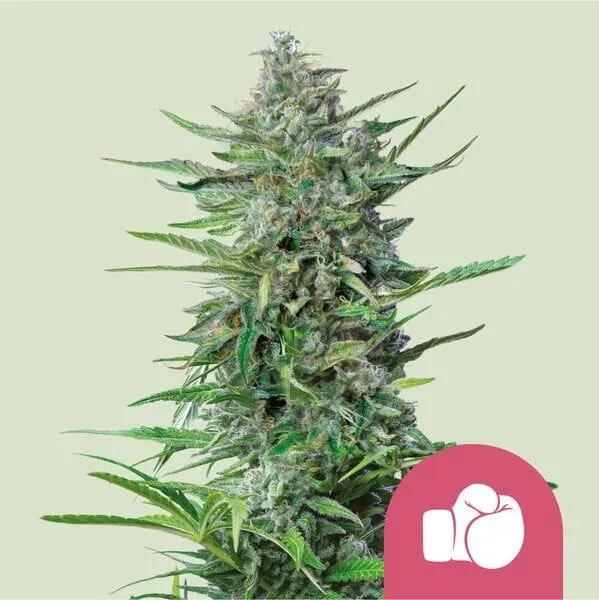
Purple Punch
Cannabis seeds
by Royal Queen Seeds
Purple Punch Cannabis Seeds by Royal Queen Seeds
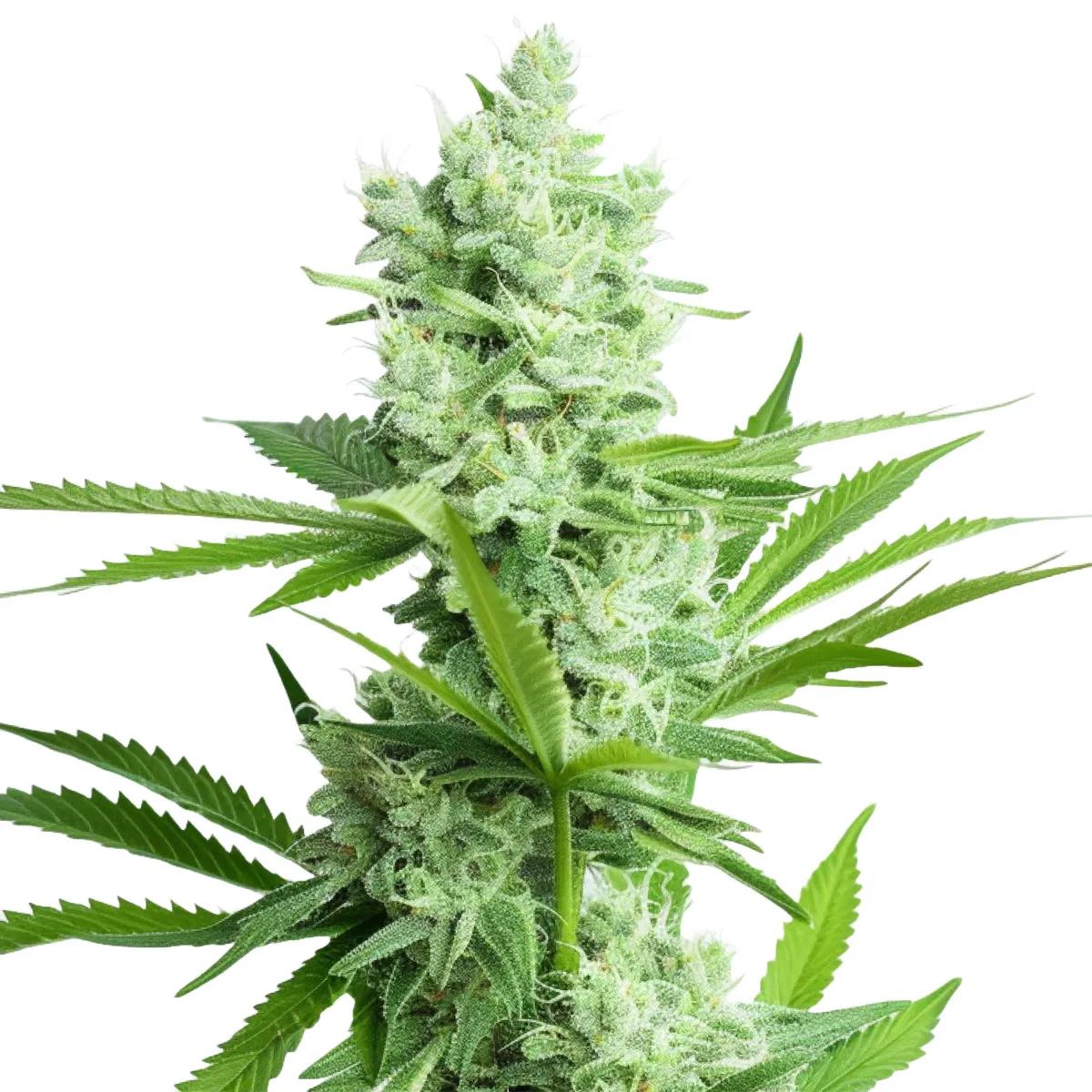
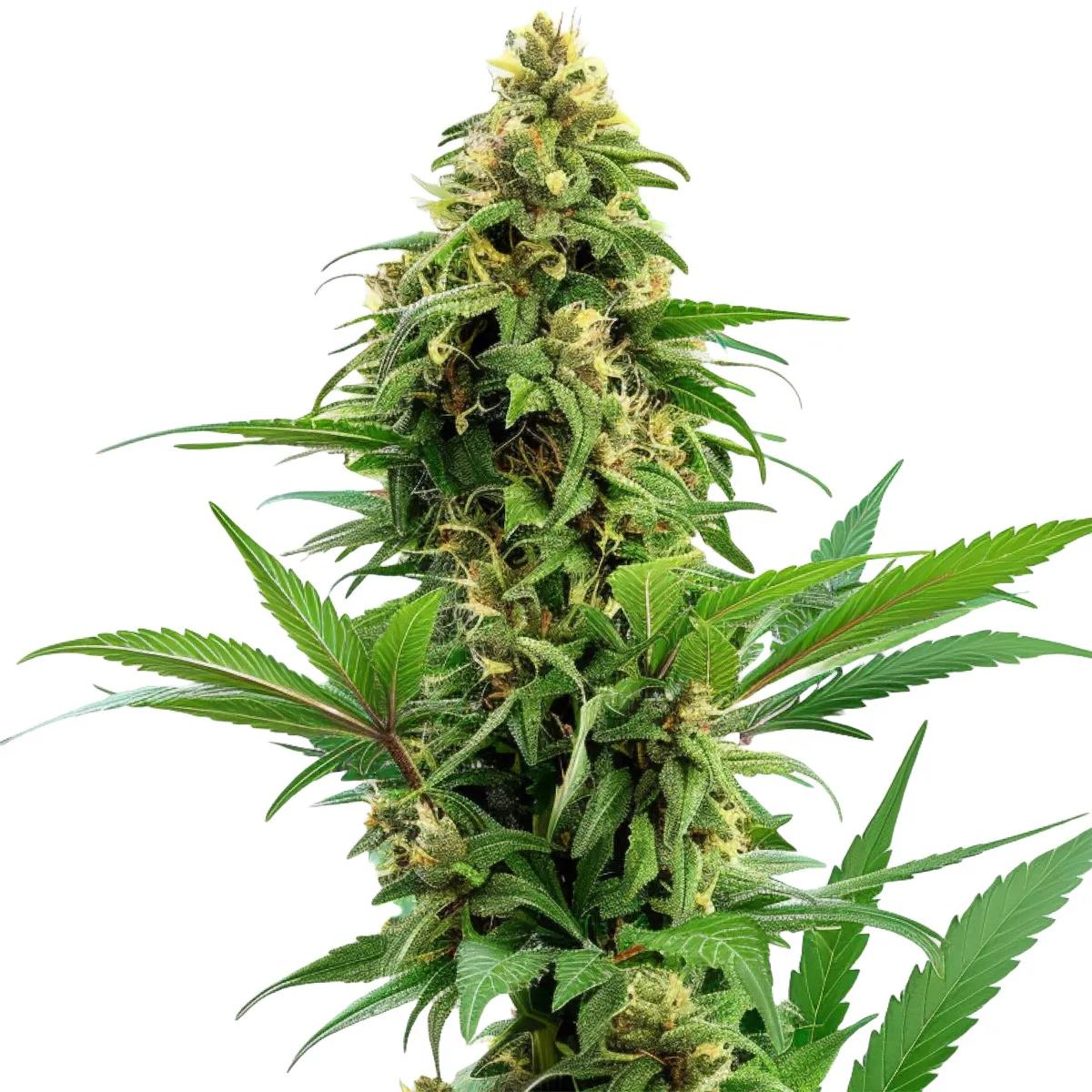
Purple Punch is a feminised cannabis seed strain from Royal Queen Seeds that crosses two American heavyweights — Granddaddy Purple and Larry OG — into one dessert-scented indica powerhouse. Packing 21% THC and a terpene profile that smells like someone baked a berry pie in a vanilla candle shop, this strain has earned its spot on dispensary menus across the US. Now you can grow it yourself, no plane ticket required.
How Many Purple Punch Seeds Do You Need?
| Pack Size | SKU | Best For |
|---|---|---|
| 1 seed | CSRQ0699 | Single-plant test run or SOG slot |
| 3 seeds | CSRQ0700 | Small tent grow (60x60 to 80x80) |
| 5 seeds | CSRQ0701 | Full canopy in a 100x100 or outdoor patch |
| 10 seeds | CSRQ0702 | Pheno hunting or stocking up for the season |
If you're running a single tent, the 3-pack gives you a spare in case of any germination hiccups. For outdoor growers planning a proper harvest, the 5 or 10-pack makes more sense — Purple Punch produces up to 600 g per plant outdoors, so even three plants can fill a drying rack.
Purple Punch Genetics: Granddaddy Purple Meets Larry OG
The genetics behind Purple Punch are anything but random. Granddaddy Purple — one of the most recognised indica strains on the planet — brings the grape-forward terpene profile, the dense purple bud structure, and that heavy physical relaxation. Larry OG (a cut from OG Kush) adds backbone: tighter node spacing, resin production that borders on absurd, and a layer of earthy complexity that stops the flavour from being one-dimensional.
The result is a strain that leans heavily indica but doesn't knock you flat on the first hit. According to Healthline's guide to indica strains, Granddaddy Purple is listed among strains commonly associated with relaxation (Healthline, "12 Indica Strains for Sleep, Pain Relief, Appetite"). Purple Punch inherits that lineage directly. A study published in PLOS ONE found that Purple Punch samples clustered consistently in phytochemical analysis, suggesting the strain name actually reflects a stable chemical identity — not just marketing (PMC9119530, 2022). That's worth knowing: when you buy Purple Punch seeds, you're getting a genetically consistent profile, not a lucky dip.
Purple Punch Terpene Profile: Berry, Vanilla, and Earthy Undertones
The terpene profile is where Purple Punch earns its name. Crack open a cured jar and you get hit with ripe berries first — blueberry, grape, something almost like blackcurrant jam. Then the vanilla rolls in, creamy and sweet, followed by a subtle earthy base that keeps it grounded. It genuinely smells like dessert. We've had customers describe it as "grape candy dipped in cake batter," and honestly, that's not far off.
The dominant terpenes driving this profile are beta-caryophyllene, limonene, and pinene. Research published in ACS Omega found that Purple Punch fell into the same D-(+)-limonene and beta-caryophyllene cluster as other fruit-forward strains like Tropicana Cookies, confirming that the citrus and berry notes have a measurable chemical basis (PMC10601067, 2023). Beta-caryophyllene also interacts with CB2 receptors, making it one of the more pharmacologically interesting terpenes in the cannabis world.
| Terpene | Aroma Contribution | Also Found In |
|---|---|---|
| Beta-Caryophyllene | Peppery, spicy depth | Black pepper, cloves |
| Limonene | Citrus brightness, lifts the berry notes | Lemon peel, orange rind |
| Pinene | Fresh, piney sharpness | Pine needles, rosemary |
On the inhale, the berry-vanilla sweetness dominates. The exhale is where the earthy, slightly spicy undertones from the caryophyllene come through. If you've grown strains that smell great in the jar but taste like hay when smoked — Purple Punch is the opposite. The terps carry through combustion and vaporisation alike.
Growing Purple Punch Seeds: Yields, Flowering Time, and What to Expect
Purple Punch is one of the easier strains to grow well, which is part of why it's become so popular. She stays compact — 80 to 120 cm indoors — and develops a naturally bushy structure that responds well to LST (low-stress training) and SOG setups without needing aggressive topping. The flowering period runs 8 to 9 weeks, which is standard for an indica-dominant hybrid and fast enough to fit two runs per season in most indoor setups.
Here's where it gets impressive: indoor yields reach up to 600 g/m2 under optimised lighting. Outdoors, she stretches to around 150 cm and can produce a massive 600 g per plant, with harvest landing in late September in the Northern Hemisphere. The buds pack on weight in the final two weeks of flower, so resist the urge to chop early — patience pays off here.
| Specification | Detail |
|---|---|
| Seed Type | Feminised photoperiod |
| Genetics | Granddaddy Purple x Larry OG |
| Dominance | Indica-dominant |
| THC Content | 21% |
| Indoor Height | 80–120 cm |
| Outdoor Height | Up to 150 cm |
| Indoor Yield | Up to 600 g/m2 |
| Outdoor Yield | Up to 600 g/plant |
| Flowering Time | 8–9 weeks |
| Outdoor Harvest | Late September |
| Seed Bank | Royal Queen Seeds |
The one thing to watch: those thick, dense buds can trap moisture in late flower, especially outdoors. If you're growing in a humid climate, keep airflow moving through the canopy and consider defoliating the lower fan leaves in week 4–5 of bloom. Indoors with proper ventilation, it's rarely an issue. But outdoors in a wet September? That's where mould can sneak in. A bit of preventive defoliation goes a long way.
Why Purple Punch Seeds Are Worth Growing
We've been selling cannabis seeds since the early days, and some strains just earn their reputation. Purple Punch is one of them. The combination of beginner-friendly growth traits, heavy yields, and a flavour profile that genuinely tastes like something you'd order for dessert makes it a standout — especially at 21% THC, which hits a sweet spot between "properly strong" and "still functional."
The purple colouration isn't just cosmetic, either. Those anthocyanin pigments develop naturally in the final weeks of flower, especially with cooler nighttime temperatures (a drop to around 15–18°C at lights-off accelerates the colour change). The buds come out dense, frosty with trichomes, and absolutely caked in resin. If you're into making extracts — dry sift, bubble hash, rosin — Purple Punch is a goldmine strain. The trichome coverage is heavy enough that even a basic dry-sift screen pulls impressive returns.
Compared to something like Royal Queen Seeds' Northern Light, Purple Punch trades a bit of that classic skunk simplicity for a far more complex terpene profile and a showier bag appeal. Northern Light is the reliable workhorse; Purple Punch is the one your mates ask about when they see the jar. Both are easy grows, but Purple Punch edges ahead on flavour and visual impact.
How to Grow Purple Punch Seeds
- Germinate your Purple Punch seeds using the paper towel method or directly in a starter plug. Taproots typically emerge within 24–72 hours at 22–25°C.
- Transplant seedlings into their final containers once the first true leaves appear. A 10–15 litre pot works well indoors; outdoors, go bigger (25–30 litres or direct into the ground) to maximise that 600 g/plant potential.
- Maintain 18/6 light during vegetative growth. Purple Punch stays naturally compact, so 3–4 weeks of veg is usually enough indoors before flipping to 12/12.
- Apply low-stress training (LST) during early veg to open up the canopy. Bend and tie branches outward to expose lower bud sites — this strain responds brilliantly to it and rewards you with more even cola development.
- Flip to 12/12 when your plant fills roughly 60–70% of the available canopy space. Expect 8–9 weeks of flowering from this point.
- Drop nighttime temperatures to 15–18°C in the final 2 weeks if you want to bring out the purple colouration. This is optional but visually spectacular.
- Defoliate lower fan leaves around week 4–5 of bloom to improve airflow through the dense canopy and reduce moisture-related risks.
- Harvest when trichomes show mostly milky-white with around 10–20% amber under a jeweller's loupe. Outdoors in the Northern Hemisphere, this typically falls in late September.
- Dry in a dark room at 18–20°C and 55–60% humidity for 10–14 days, then cure in glass jars for at least 2 weeks. The berry-vanilla terps intensify dramatically with a proper cure.
Running Purple Punch indoors? Pair your seeds with a complete grow tent kit — tent, lighting, ventilation, and carbon filter in one package. For outdoor growers, a set of fabric pots and organic soil amendments will help this strain reach its full 600 g/plant potential. Already sorted on equipment? Grab a jeweller's loupe for trichome checking — it's the difference between harvesting at the right moment and guessing.
Frequently Asked Questions
Is Purple Punch indica or sativa?
Purple Punch is indica-dominant, bred from Granddaddy Purple and Larry OG. The indica genetics show in the compact, bushy growth structure, dense bud formation, and physically relaxing effects. Expect a plant that stays short (80–120 cm indoors) and finishes flowering in 8–9 weeks.
What does Purple Punch smell and taste like?
Ripe berries, grape candy, and creamy vanilla on the nose, with earthy and slightly spicy undertones on the exhale. The dominant terpenes — beta-caryophyllene, limonene, and pinene — create a profile that genuinely smells like dessert. The flavour carries through whether you smoke or vaporise.
How much does Purple Punch yield indoors?
Up to 600 g/m2 indoors under optimised conditions, with an 8–9 week flowering period. She responds well to LST and SOG techniques. Outdoors, expect up to 600 g per plant with harvest in late September.
Can Purple Punch be grown outdoors?
Yes, and she does well outdoors in temperate climates. Plants reach around 150 cm and produce up to 600 g per plant. Harvest falls in late September. The main risk outdoors is mould in the dense buds during wet weather — keep airflow moving and defoliate lower leaves in mid-flower.
What terpenes are in Purple Punch?
The three dominant terpenes are beta-caryophyllene (peppery, spicy), limonene (citrus), and pinene (fresh, piney). Research in ACS Omega confirmed that Purple Punch clusters with other limonene/caryophyllene-dominant strains like Tropicana Cookies (PMC10601067, 2023).
Is Purple Punch hard to grow?
No — it's one of the easier strains to grow well. The naturally compact structure means less training is needed, and she's forgiving of minor environmental fluctuations. The only real watch-out is bud density trapping moisture in late flower, especially outdoors. Good airflow and light defoliation handle that.
How do I get Purple Punch buds to turn purple?
The anthocyanin pigments responsible for the purple colour develop naturally, but cooler nighttime temperatures (15–18°C) in the final two weeks of flower accelerate the colour change. It's genetic — you can't force purple on a strain that doesn't carry the trait, but Purple Punch has it built in.
Is Purple Punch good for making extracts?
Excellent. The heavy trichome coverage and resinous bud structure make Purple Punch a top choice for dry sift, bubble hash, and rosin pressing. The berry-vanilla terpene profile carries through into concentrates particularly well.
Last updated: April 2026
Related products
You might also like
Medical disclaimer. This content is for informational purposes only and does not constitute medical advice. Consult a qualified healthcare provider before use of any substance.