

Lemon Skunk
Cannabis seeds
by Greenhouse Seeds
Lemon Skunk Feminised Cannabis Seeds by Greenhouse Seeds
Lemon Skunk is a feminised cannabis seed variety from Greenhouse Seeds that crosses two proven genetics — Skunk and Citral — into a citrus-drenched hybrid with 19% THC. The result is a branchy, heavy-yielding plant that fills your grow room with the smell of fresh lemons and a skunky undertone you can't miss. Available in packs of 3, 5, or 10 seeds.
Pack Size Guide
Lemon Skunk seeds come in three pack sizes. If you're running a single tent or just want to pheno-hunt a couple of plants, the 3-pack keeps things simple. The 5-pack is the sweet spot for most growers — enough to fill an 80x80 or 100x100 tent with room for selection. Go with 10 if you're running a ScrOG setup or want to keep mothers for cloning. Every seed is feminised, so no time wasted identifying and pulling males.
| Pack | SKU | Best For |
|---|---|---|
| 3 seeds | CSGH0121 | Single-tent grows, first-time growers |
| 5 seeds | CSGH0122 | Mid-size setups, pheno selection |
| 10 seeds | CSGH0123 | ScrOG runs, keeping mothers, larger gardens |
Why Lemon Skunk Seeds Deserve a Spot in Your Grow Room
We've carried Greenhouse Seeds for years, and Lemon Skunk is one of those strains that keeps coming back into people's carts. The reason is straightforward: it performs. Indoors you're looking at yields up to 800g/m² after 8-10 weeks of flowering. Outdoors, individual plants can hit 800 grams each, ready for harvest at the end of September. Those aren't fantasy numbers from a seed catalogue — Greenhouse Seeds has been breeding award-winning genetics since the early '90s, and their yield claims tend to hold up under decent conditions.
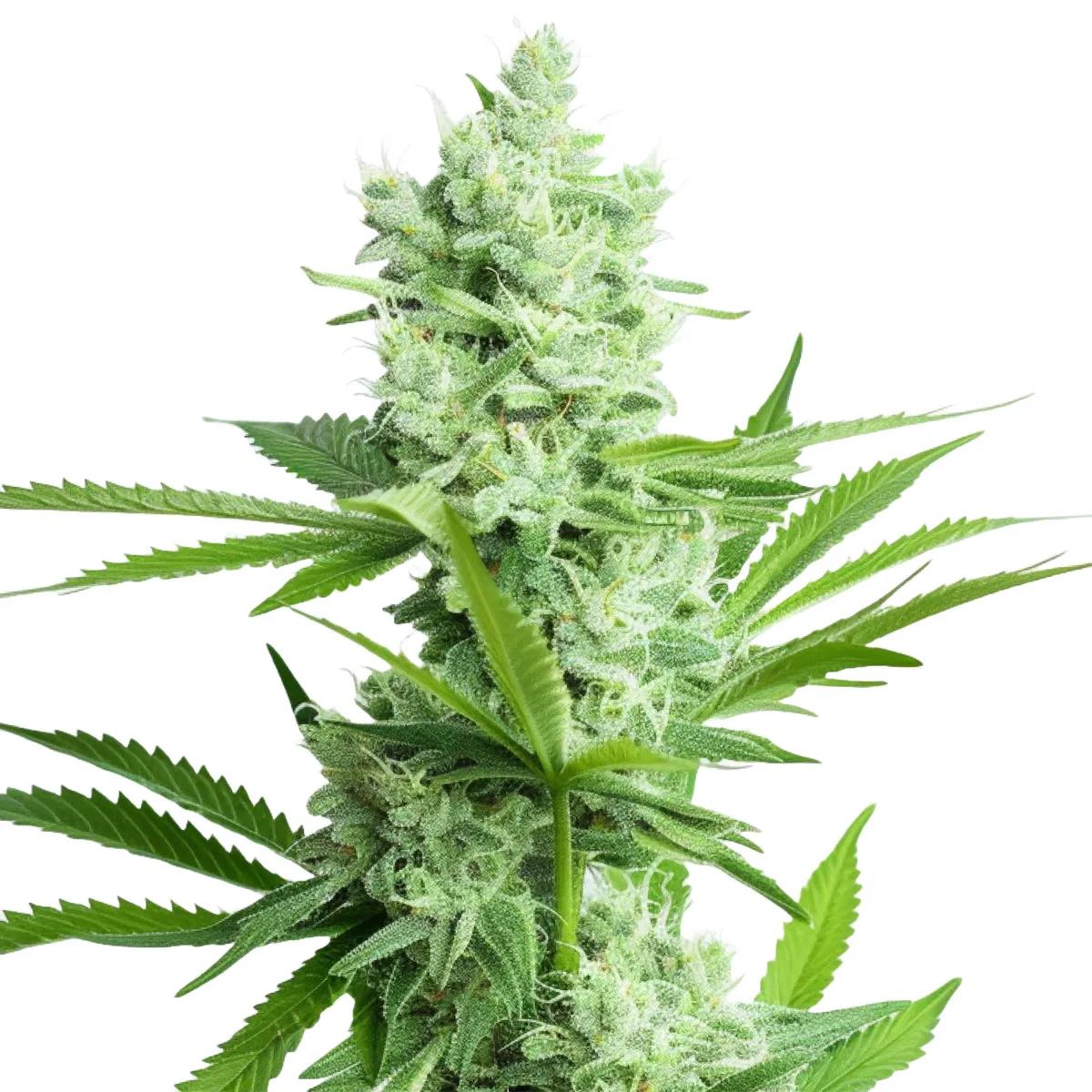
The plant itself is naturally branchy, which makes it one of the best cannabis seed varieties for ScrOG (Screen of Green) setups. That branching structure means more bud sites spread across your canopy without aggressive training. It also responds well to LST (Low Stress Training), so if you prefer tying down branches rather than topping, Lemon Skunk plays along nicely. The buds develop into candle-shaped colas, thick with orange stigmas and absolutely caked in resin glands — we've seen photos where they genuinely look like they've been rolled in granulated sugar.
The honest limitation? That 8-10 week flowering window is a range, not a guarantee. Some phenotypes will lean closer to 10 weeks, especially if you're pushing for maximum density. If you're used to quick 7-week strains, factor in the extra time. The payoff in yield and resin production is worth the wait, but plan your grow schedule accordingly.
Aroma and Flavour Profile of Lemon Skunk
Lemon Skunk earns its name from the first day of flower. During the growth phase, the plants throw off a citrusy scent with a recognisable Skunk undertone — your carbon filter will be earning its keep. After a proper cure, the buds develop a layered aroma: bright citrus up front, a distinct orange note in the middle, and that classic Skunk funk sitting underneath everything. According to research published in PLOS ONE, within-strain genetic differences are associated with perceptible differences in aroma profile, which means individual plants from the same seed pack may lean more citrus or more skunk depending on the phenotype you get (PMC9651054).
The smoke follows the nose. On the inhale, it's lemony and clean — almost zesty. The exhale is where the Skunk genetics announce themselves with a more pronounced pungent note. If you've grown Citral-derived strains before, you'll recognise that sharp lemon character. If you've grown Skunk lines, you'll recognise the dank, earthy base. Lemon Skunk sits right at the intersection of both parents without either one overwhelming the other.
Lemon Skunk Cannabinoid and Growing Specifications
| Specification | Detail |
|---|---|
| Seed Bank | Greenhouse Seeds |
| Genetics | Skunk x Citral |
| Seed Type | Feminised (photoperiod) |
| THC Content | 19% |
| CBD Content | Approximately 0.2% |
| CBN Content | Approximately 0.7% |
| Flowering Time | 8-10 weeks |
| Indoor Yield | Up to 800g/m² |
| Outdoor Yield | Up to 800g per plant |
| Outdoor Harvest | End of September |
| Plant Structure | Branchy, suited to ScrOG and LST |
| Bud Shape | Candle-shaped, dense resin coverage |
| Available Packs | 3, 5, or 10 seeds |
How to Grow Lemon Skunk Seeds
- Germination: Use the paper towel method or soak seeds directly in a glass of water for 12-24 hours until taproots appear. Lemon Skunk seeds are feminised, so every viable seed should produce a female plant.
- Seedling stage: Transplant into small pots with a light, airy growing medium. Keep humidity around 65-70% and temperatures between 22-25°C. A propagation dome helps during the first week.
- Vegetative growth: This strain is naturally branchy, so let it develop its side branches before deciding on training. For ScrOG, weave branches through the screen once they reach the net — the natural branching structure fills gaps without much coaxing. For LST, start tying down the main stem once it has 4-5 nodes.
- Flip to flower: Switch to a 12/12 light cycle when the canopy has filled roughly 60-70% of your screen (ScrOG) or when plants have reached about half your desired final height. Lemon Skunk stretches moderately during the first two weeks of flower.
- Flowering and harvest: Expect 8-10 weeks of flowering. Watch the trichomes with a jeweller's loupe — harvest when most are milky with a few turning amber. The resin production on this strain is heavy, so have trimming scissors and isopropyl alcohol ready. Outdoors, plants are typically ready by the end of September in Northern European climates.
- Drying and curing: Hang branches in a dark room at 18-20°C with 55-60% humidity for 7-10 days. Once stems snap rather than bend, trim and jar the buds. Burp jars daily for the first two weeks. A proper cure brings out the full citrus-orange-skunk aroma profile that makes this strain worth the effort.
Complete your setup: If you're running Lemon Skunk in a ScrOG, pair these seeds with one of our grow tent kits that include ventilation — the citrus-skunk smell during flower is strong enough to need a proper carbon filter. A jeweller's loupe or pocket microscope is also worth grabbing for checking trichome ripeness during those final weeks.
Related products



You might also like

Medical disclaimer. This content is for informational purposes only and does not constitute medical advice. Consult a qualified healthcare provider before use of any substance.