
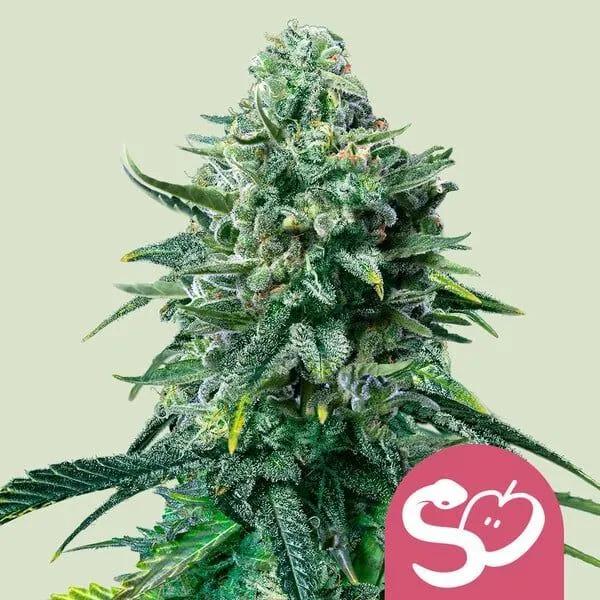
Forbidden Fruit
Cannabis seeds
by Royal Queen Seeds
Forbidden Fruit Cannabis Seeds by Royal Queen Seeds
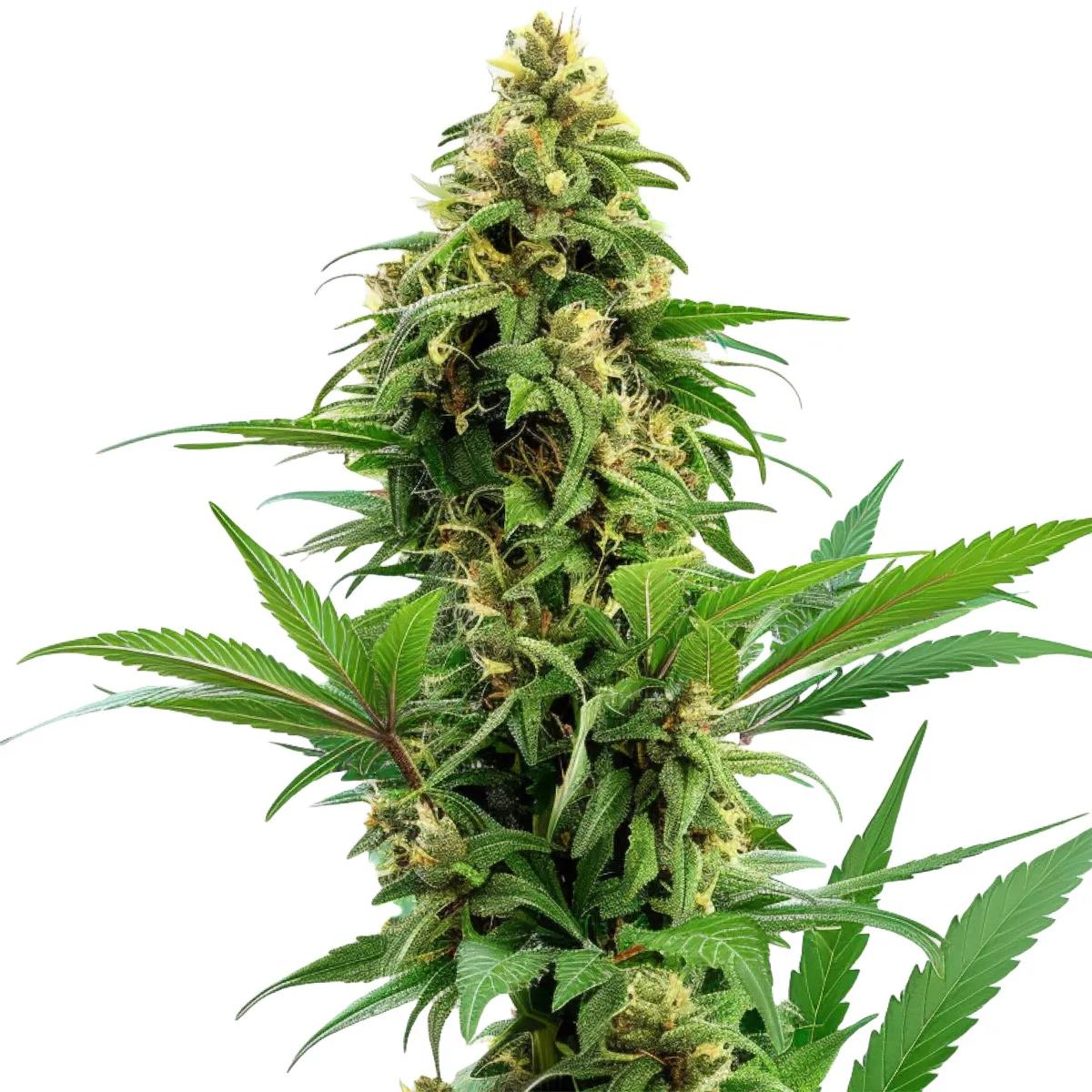
Forbidden Fruit is a 70% indica feminised cannabis seed from Royal Queen Seeds that delivers dense, trichome-laden buds with 24% THC and a terpene profile that smells like a tropical sweet shop. Bred from Tangie and Cherry Pie — two strains with serious pedigree on both sides of the Atlantic — this one was engineered for flavour chasers who also want a proper harvest. If you've grown Cherry Pie and loved the fruit-forward nose but wanted more yield, or you've run Tangie and wished for a shorter, stockier plant, Forbidden Fruit sits right in the sweet spot between the two.
How Many Seeds Do You Need?
Forbidden Fruit seeds come in packs of 1, 3, 5, and 10. Running a single plant as a test? The 1-seed pack gets you started. For a proper SOG or filling an 80x80 tent with 4 plants, grab the 5-pack — you'll have a spare if germination doesn't go your way on one. The 10-pack is your best value per seed if you're planning multiple runs or pheno-hunting for the standout keeper.
Forbidden Fruit Genetics and Lineage
Forbidden Fruit descends from two modern classics: Tangie and Cherry Pie. Tangie was originally bred as a tribute to the Dutch legend Tangerine Dream — it brought that unmistakable citrus-peel nose back into circulation and quickly became a staple in American dispensaries. Cherry Pie, on the other hand, crosses Granddaddy Purple with Durban Poison, giving it that deep berry sweetness layered over earthy Kush undertones. Royal Queen Seeds crossed these two to create something that captures the best of both: the loud citrus from Tangie and the glazed-cherry sweetness from Cherry Pie, all sitting on a sturdy indica frame.
The result is a plant with genuine hybrid vigour. We've seen RQS strains hold up well in less-than-ideal conditions, and Forbidden Fruit is no exception — she's reported to be resilient to stress, pests, and pathogens. That matters if you're growing in a space where temperature or humidity fluctuates, or if you're relatively new to indoor cultivation and still dialling in your environment.
Growing Forbidden Fruit Seeds — What to Expect
Forbidden Fruit is a compact, manageable plant that suits growers working with limited vertical space. Indoors, expect heights of 80–120 cm with a flowering period of 8–10 weeks. The moderate stretch from her indica dominance means you won't be fighting to keep her below your lights — she stays put and focuses energy on bud production instead. Outdoors, she reaches 120–160 cm and finishes by early October in the Northern Hemisphere, which is early enough to dodge the worst of the autumn rain in most of Western Europe.
| Specification | Detail |
|---|---|
| Seed Bank | Royal Queen Seeds |
| Genetics | Tangie x Cherry Pie |
| Type | Feminised Photoperiod |
| Indica / Sativa | 70% / 30% |
| THC | 24% |
| Indoor Height | 80–120 cm |
| Outdoor Height | 120–160 cm |
| Flowering Time | 8–10 weeks |
| Indoor Yield | 450–500 g/m² |
| Outdoor Yield | 500–550 g/plant |
| Harvest (Outdoor) | Early October |
| Pack Sizes | 1, 3, 5, 10 seeds |
Yield and Harvest — Forbidden Fruit Numbers
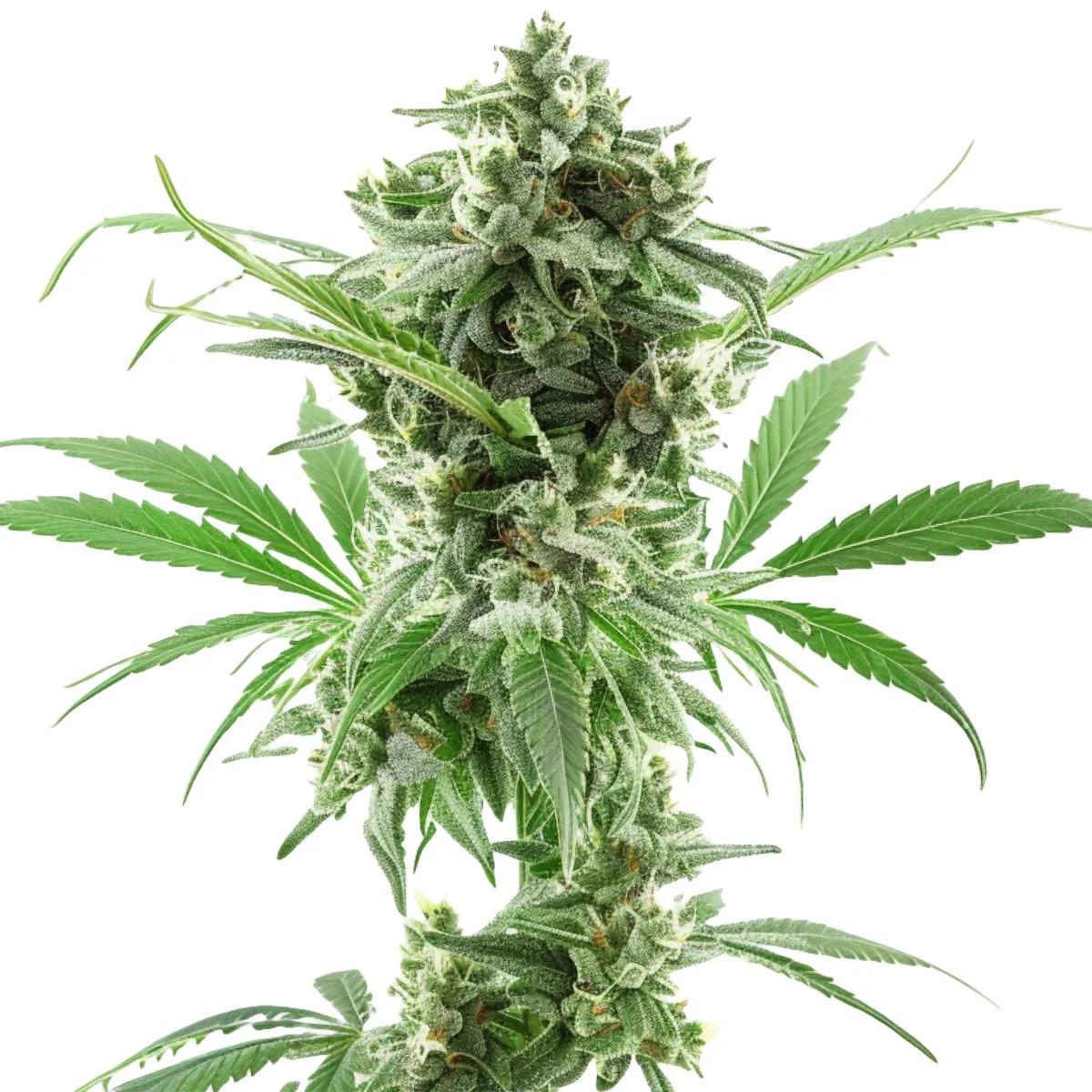
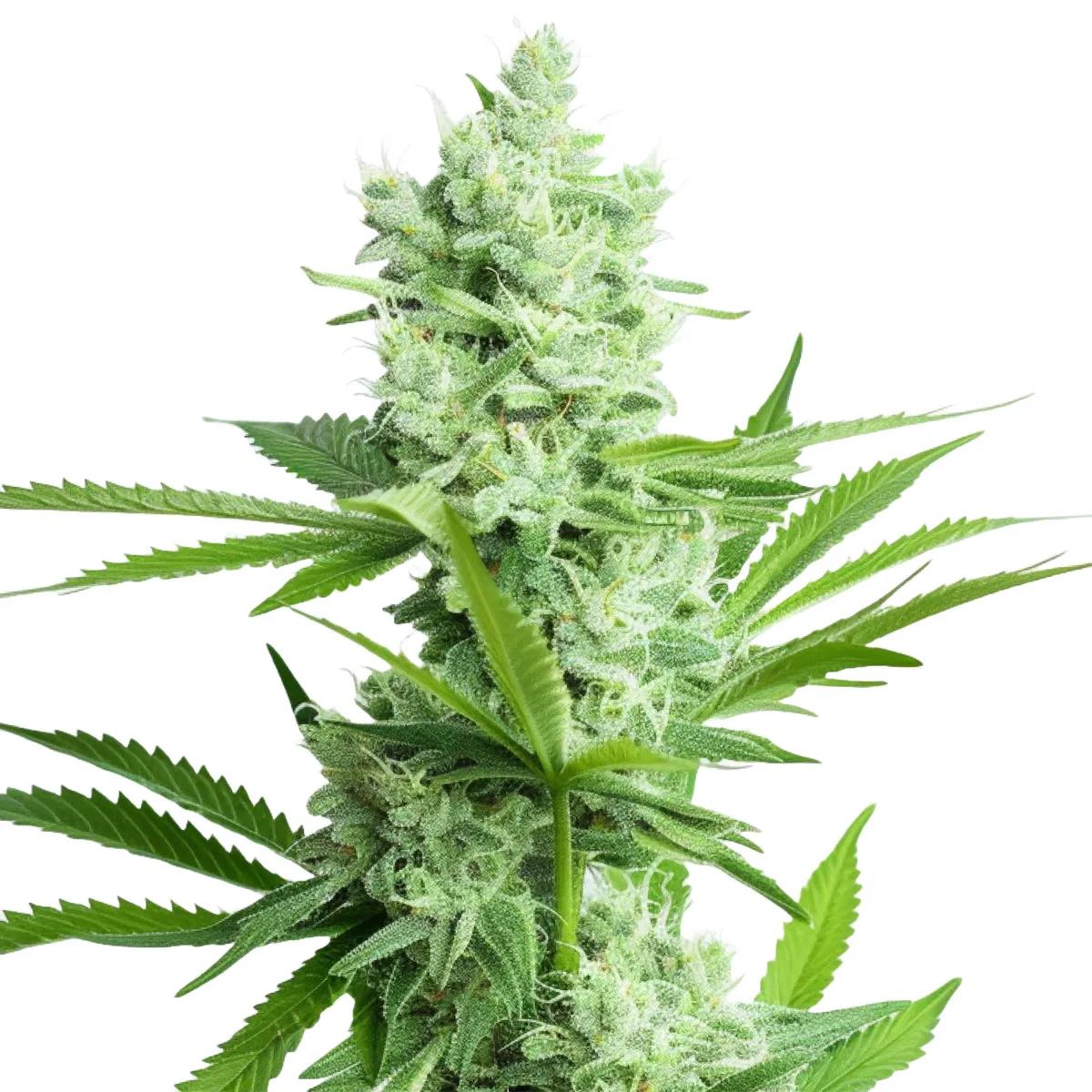
Up to 450–500 g/m² indoors is a strong return for a plant that barely cracks 120 cm. Outdoors, individual plants can push 500–550 g each under good conditions. Those numbers put Forbidden Fruit comfortably above average for an indica-dominant strain of this size. The buds themselves are large and spear-shaped — forest green with short orange pistils and a thick blanket of trichomes that makes trimming a sticky affair. Invest in a decent pair of trimming scissors and keep some isopropyl nearby; you'll need it.
One honest note: 8–10 weeks is a range, not a guarantee. We'd recommend checking trichomes with a jeweller's loupe from week 8 rather than chopping by the calendar. Amber trichomes mean heavier body effects; milky-clear gives you a bit more cerebral lift. With Forbidden Fruit's indica lean, most growers let her run to the longer end for maximum density.
Forbidden Fruit Flavour and Terpene Profile
This is where Forbidden Fruit genuinely stands out. Crack open a cured jar and the first thing that hits you is a wave of fresh citrus — think peeled tangerines and ripe pineapple. Underneath that, there's a sour-candy sharpness that gives way to something deeper and sweeter, like glazed cherries straight out of the oven. It's complex without being muddled: every layer is distinct, and the taste follows the nose faithfully. If you've grown strains that smell amazing but taste like generic "weed" when smoked, Forbidden Fruit is a welcome change.
The terpene combination here — likely heavy on myrcene, limonene, and caryophyllene given the parent genetics — produces a genuinely memorable sensory experience. We'd put this in the same flavour tier as Gelato or Wedding Cake, but with a brighter, more tropical character. It's the kind of strain that makes you want to take a second sniff before you close the jar.
Forbidden Fruit Effects — 24% THC
At 24% THC, Forbidden Fruit packs serious potency. The effect is described as a creeping body stone paired with mild cerebral warmth — the kind of session where you sit down for "just five minutes" and realise an hour has passed. Traditionally associated with evening use, this indica-dominant profile lends itself to winding down after a long day rather than getting things done.
According to competitive strain databases, Forbidden Fruit is a 70/30 indica strain with 23–26% THC that offers relaxing effects. Common side effects reported by users include dry mouth, dry eyes, and occasional dizziness — standard fare for high-THC indicas. Keeping water nearby and starting conservatively if you're less experienced with potent strains is sensible advice from any seed bank.
Complete your grow setup with an 80x80 grow tent and a carbon filter kit — Forbidden Fruit's terpene-heavy buds will make your entire flat smell like a tropical market without proper ventilation. Pair these seeds with Royal Queen Seeds Easy Boost nutrients for a straightforward feeding schedule that matches RQS genetics.
Why Forbidden Fruit Deserves a Spot in Your Garden
We've carried Royal Queen Seeds since the early days, and their breeding programme has only gotten sharper. Forbidden Fruit is a good example of what happens when a seed bank takes two proven genetics and crosses them with purpose rather than hype. You get a plant that's genuinely easy to manage — she doesn't stretch like a sativa, doesn't need excessive feeding, and handles stress without throwing hermies at the first sign of a light leak.
The real selling point, though, is the combination of flavour and yield. Plenty of strains give you one or the other. Forbidden Fruit gives you spear-shaped colas dripping with resin that actually taste like something special. At 24% THC, the potency is there too — this isn't a "flavour strain" that sacrifices punch for terpenes.
The one thing to watch: Forbidden Fruit's dense bud structure means humidity control matters during late flower. Dense colas trap moisture, and if your relative humidity creeps above 55% in the final weeks, you're asking for bud rot. Run a dehumidifier or keep airflow strong through the canopy. It's not a dealbreaker — just something to stay on top of.
How to Grow Forbidden Fruit Seeds
- Germinate your Forbidden Fruit seeds using the paper towel method or directly in a starter plug. Keep temperatures between 22–25°C and expect taproots within 24–72 hours.
- Transplant seedlings into their final pots once the first true leaves appear. For indoor grows, 11-litre pots work well given her compact size — no need for massive containers.
- Maintain 18/6 light during vegetative growth. Forbidden Fruit responds well to low-stress training (LST) to open up the canopy and expose lower bud sites to light. Her sturdy indica branches handle bending without snapping.
- Flip to 12/12 when plants reach roughly half your desired final height. Expect moderate stretch — roughly 50% height increase during the first two weeks of flower.
- During weeks 6–10 of flower, monitor humidity closely. Keep RH below 55% and ensure good airflow between colas. Defoliate strategically to prevent moisture pockets in the dense canopy.
- Check trichomes from week 8 with a loupe or digital microscope. Harvest when trichomes are mostly milky with 10–20% amber for the full-bodied stone Forbidden Fruit is known for.
- Dry in a dark room at 18–20°C and 55–60% RH for 10–14 days, then cure in glass jars for at least two weeks. The terpene profile develops significantly during a proper cure — don't rush this step.
Frequently Asked Questions
How long does Forbidden Fruit take to flower indoors?
Forbidden Fruit needs 8–10 weeks of flowering indoors. Most phenotypes finish closer to 9 weeks. Check trichome colour with a loupe from week 8 to time your harvest precisely.
Is Forbidden Fruit suitable for small grow spaces?
Yes. Indoor heights of 80–120 cm and moderate stretch make Forbidden Fruit a solid choice for tents as small as 60x60 cm. She responds well to LST and topping if you need to keep her even shorter.
What does Forbidden Fruit smell and taste like?
Expect upfront citrus and pineapple with sour-candy sharpness, followed by deeper notes of glazed cherries. The flavour mirrors the aroma closely — it's one of the more terpene-forward strains in the RQS catalogue.
How much does Forbidden Fruit yield?
Indoors, up to 450–500 g/m² under optimal conditions. Outdoors, individual plants can produce 500–550 g each. Dense, resinous buds mean the dry weight holds up well after trimming.
What are the parent strains of Forbidden Fruit?
Forbidden Fruit is a cross of Tangie (a Tangerine Dream tribute with loud citrus terpenes) and Cherry Pie (Granddaddy Purple x Durban Poison). Both parents are well-established genetics with proven track records.
Does Forbidden Fruit handle pests and stress well?
Royal Queen Seeds bred Forbidden Fruit for resilience. She handles temperature fluctuations, pests, and pathogens better than many strains in this THC range. That said, dense buds still need good airflow to prevent mould in humid conditions.
When is Forbidden Fruit ready to harvest outdoors?
Outdoor plants are typically harvest-ready by early October in the Northern Hemisphere. This relatively early finish helps you avoid heavy autumn rains that can damage dense colas.
How does Forbidden Fruit compare to Gelato or Wedding Cake?
All three are potent, flavour-forward indicas. Forbidden Fruit leans more tropical and citrus-heavy, while Gelato is creamier and Wedding Cake more doughy-sweet. Yield-wise, Forbidden Fruit is competitive with both at 450–500 g/m² indoors.
Last updated: April 2026
Related products



You might also like

Medical disclaimer. This content is for informational purposes only and does not constitute medical advice. Consult a qualified healthcare provider before use of any substance.