
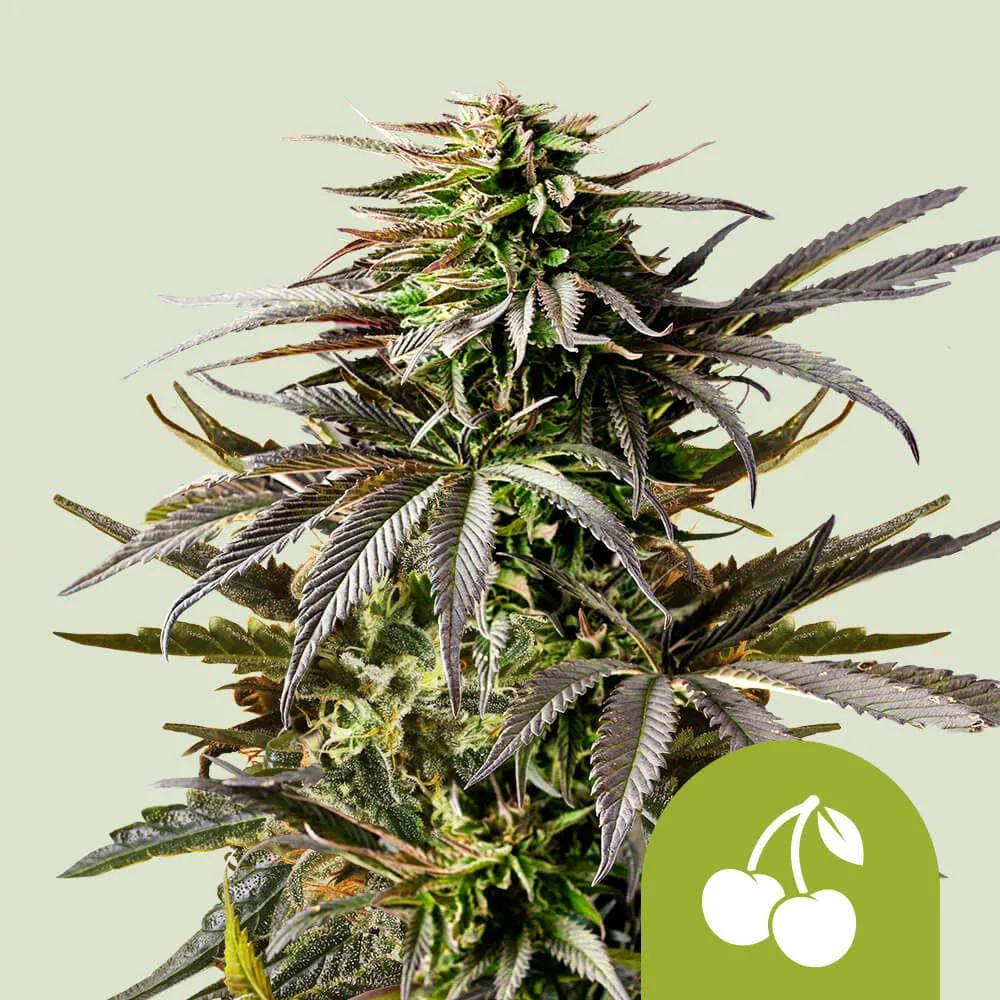
Cherry Pie
Cannabis seeds
by Royal Queen Seeds
Cherry Pie Autoflower Cannabis Seeds by Royal Queen Seeds
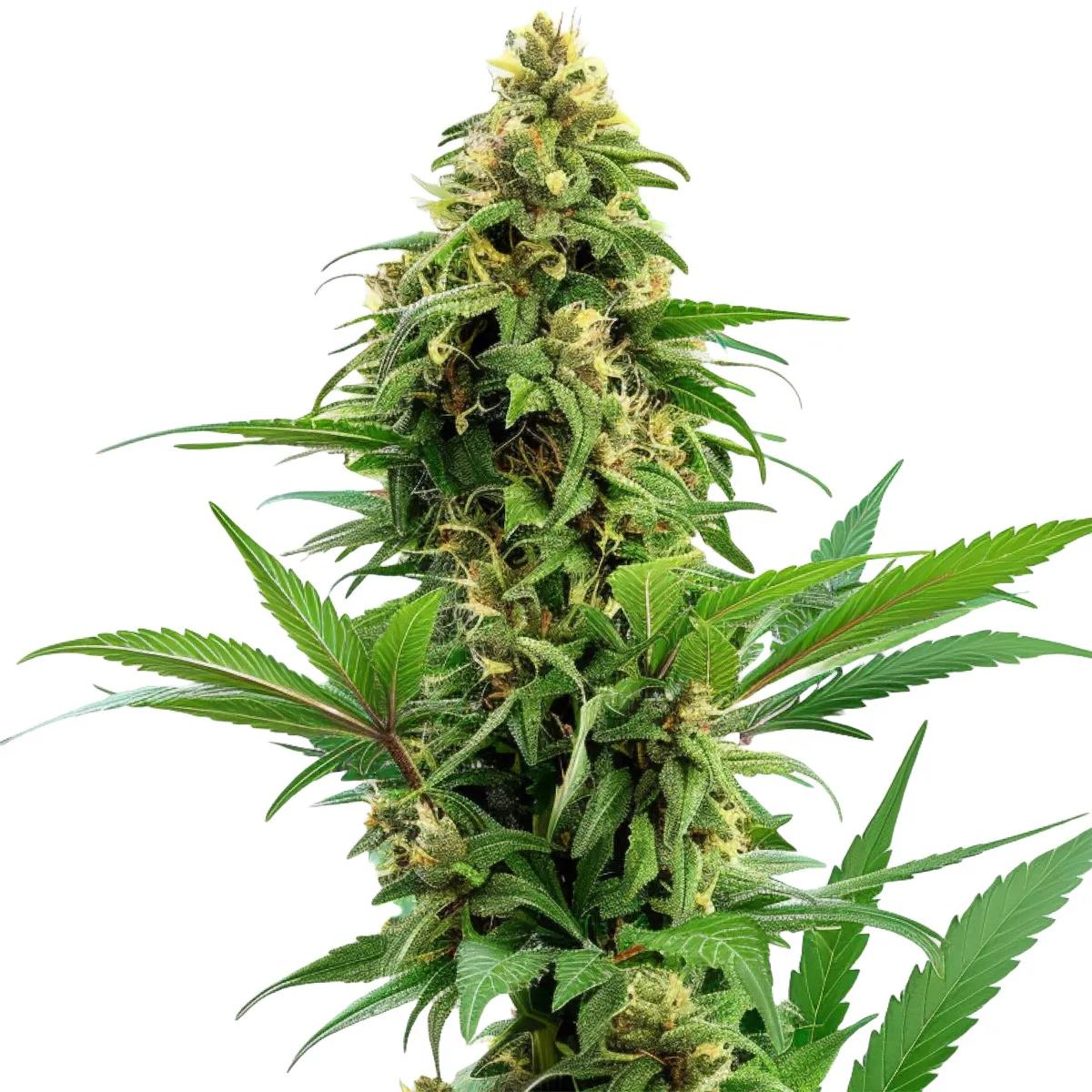
Cherry Pie Autoflower is a 65% indica-dominant autoflowering cannabis seed that crosses South African Durban Poison with Granddaddy Purple Auto, delivering dense, fragrant buds in just 9 weeks from germination. Royal Queen Seeds bred this one to keep everything growers love about the original Cherry Pie — that unmistakable baked-cherry aroma, the balanced creative stone — while stripping out the complexity of photoperiod lighting schedules. Pop the seed, give it light, water, and nutrients, and she handles the rest.
How Many Seeds Do You Need?
Cherry Pie Autoflower seeds come in packs of 1, 3, 5, and 10. If you're running a small tent (60x60 or 80x80), 3 seeds gives you a solid canopy without overcrowding. Got a 120x120 or a full room? The 10-pack is your best value per seed and lets you select the strongest phenotypes. First-time growers: start with 3. You'll want at least one backup in case germination doesn't go your way — it happens to everyone.
| Pack Size | SKU | Best For |
|---|---|---|
| 1 seed | CSRQ0583 | Test run or single-plant setup |
| 3 seeds | CSRQ0584 | Small tent grows (60x60 to 80x80) |
| 5 seeds | CSRQ0585 | Medium setups with pheno selection |
| 10 seeds | CSRQ0586 | Full rooms, multiple cycles, best per-seed value |
Why Cherry Pie Auto Seeds Deserve a Spot in Your Grow
Nine weeks. That's germination to harvest. Most photoperiod strains are barely finishing their stretch by then, and you're already trimming. Cherry Pie Autoflower doesn't need a light cycle change to flip into flower — the ruderalis genetics handle that transition automatically after a few weeks of vegetative growth. For growers in northern climates trying to squeeze in an extra outdoor harvest before autumn, or anyone running a perpetual indoor cycle, that speed is a genuine advantage.
The yields are what really set this apart from the average autoflower. Royal Queen Seeds lists up to 450g/m² indoors and 90–175g per plant outdoors. Those are photoperiod-level numbers from an auto, and we've seen growers hit close to those marks with proper feeding and a decent light. She stays compact too — around 120cm indoors, stretching to about 150cm outside — so she fits in spaces where taller sativas would be a headache.
The one thing to watch: she may stretch moderately once she transitions to bloom. In a small tent with limited vertical space, keep this in mind and consider some light LST (low-stress training) during the first few weeks of veg. Autos don't respond well to heavy topping or high-stress techniques, so gentle bending is the way to go.
Cherry Pie Auto Genetics and Lineage
Cherry Pie Autoflower inherits her character from two heavyweight parents. Durban Poison — a pure South African sativa landrace — brings cerebral energy and vigour. Granddaddy Purple Auto contributes the indica side: deep physical relaxation, dense bud structure, and those signature purple hues that show up in cooler temperatures. The ruderalis component is minimal in effect but critical for the autoflowering trait.
The result is a 65% indica / 35% sativa hybrid that leans towards a balanced, creative stone rather than a full couch-lock. Expect a mental lift that settles into physical calm — the kind of effect that works as well in the afternoon as it does in the evening. Not a one-note strain by any measure.
| Specification | Detail |
|---|---|
| Seed Bank | Royal Queen Seeds |
| Genetics | Durban Poison x Granddaddy Purple Auto |
| Type | Autoflowering feminised |
| Indica / Sativa | 65% Indica / 35% Sativa |
| Seed to Harvest | Approximately 9 weeks |
| Indoor Height | Up to 120cm |
| Outdoor Height | Up to 150cm |
| Indoor Yield | Up to 450g/m² |
| Outdoor Yield | 90–175g per plant |
| Difficulty | Beginner-friendly |
Aroma and Flavour Profile: Baked Cherries and Pastry
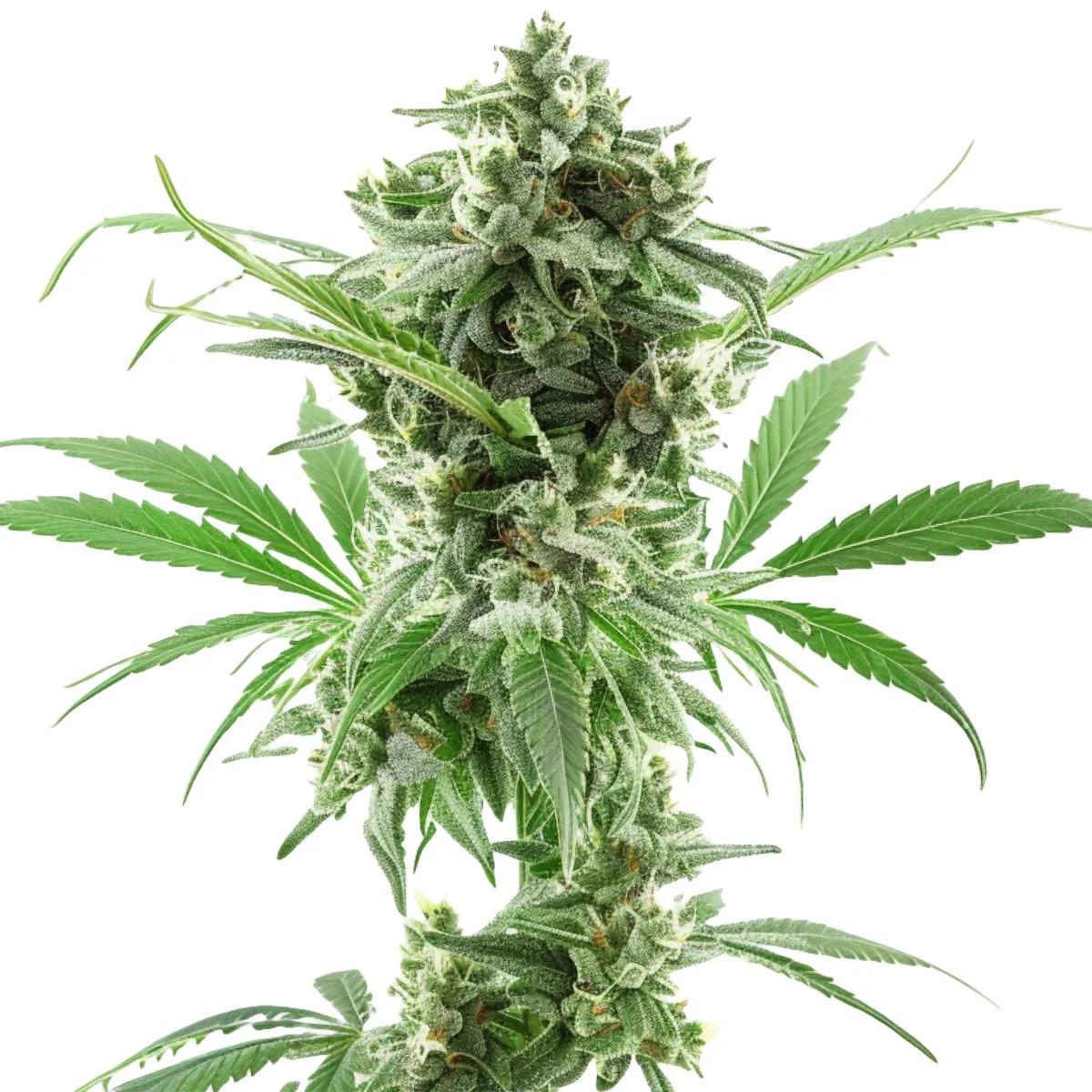
This is where Cherry Pie Auto earns her name. Crack open a cured bud and the first thing that hits you is sweet, baked cherry — not fresh fruit, more like a pie just out of the oven. Underneath that, there's a layer of rich pastry dough and subtle vanilla that rounds out the profile. The terpene combination is genuinely dessert-like, and it lingers on the palate after exhale.
If you've grown strains with fruity terpene profiles before — Blueberry, Gelato, Zkittlez — Cherry Pie Auto sits in that same neighbourhood but with a distinctly warmer, bakery character. The dense flower structure holds those aromatics well through a proper cure. We'd recommend at least two weeks of curing in glass jars to let the vanilla notes fully develop; rushed drying flattens the complexity.
How to Grow Cherry Pie Autoflower Seeds
- Germination: Soak seeds in a glass of water for 12–24 hours, then transfer to damp paper towels between two plates. Keep at 20–25°C. Taproots usually appear within 24–72 hours.
- Planting: Place the germinated seed taproot-down into its final pot — autos don't like transplanting. An 11–15 litre fabric pot with light, airy soil or coco-perlite mix works well. Don't start in a tiny pot with plans to repot later; the stress can stunt an auto permanently.
- Vegetative phase: Run 18–20 hours of light per day from start to finish. Cherry Pie Auto will veg for roughly 3–4 weeks before she transitions on her own. Keep feeding light during this stage — quarter to half strength nutrients. Overfeeding young autos is the most common mistake we see.
- Flowering transition: No light schedule change needed. She'll start showing pre-flowers and may stretch moderately. This is the time to gently tie down taller branches if vertical space is limited. Begin bloom nutrients once you see flower sites forming.
- Late flower and harvest: By week 7–8, buds will be fattening and trichomes developing. Check trichome colour with a jeweller's loupe — mostly cloudy with a few amber is the sweet spot for a balanced effect. Harvest around week 9 from germination.
- Drying and curing: Hang whole plants or individual branches in a dark room at 18–21°C and 55–60% humidity for 7–10 days. Trim and transfer to glass jars, burping daily for the first week. Two weeks minimum cure for the full Cherry Pie flavour profile.
Cherry Pie Auto vs. Photoperiod Cherry Pie
The obvious question: why go auto instead of the original photoperiod Cherry Pie? Speed and simplicity are the short answers. The photoperiod version needs a deliberate 12/12 light switch to trigger flowering, adds weeks to the total grow time, and requires more attention to light leaks and scheduling. Cherry Pie Auto does the same job in about 9 weeks total, on a fixed 18/6 or 20/4 light schedule, with no timer changes.
The trade-off? Photoperiod Cherry Pie can yield more per plant if you give her a long veg and train aggressively — techniques that autos don't tolerate as well. But for yield per day of grow time, the auto often wins. And if you're growing outdoors in a climate with short summers, the auto's independence from day length means you can harvest before the weather turns.
Complete your Cherry Pie grow with a propagation kit for reliable germination, and pick up fabric pots in the 11–15 litre range — autos do best when planted directly into their final container. If you're running a small tent, a carbon filter is worth grabbing too; Cherry Pie Auto's terpene profile is loud enough that your neighbours will notice without one.
Related products



You might also like

Medical disclaimer. This content is for informational purposes only and does not constitute medical advice. Consult a qualified healthcare provider before use of any substance.