
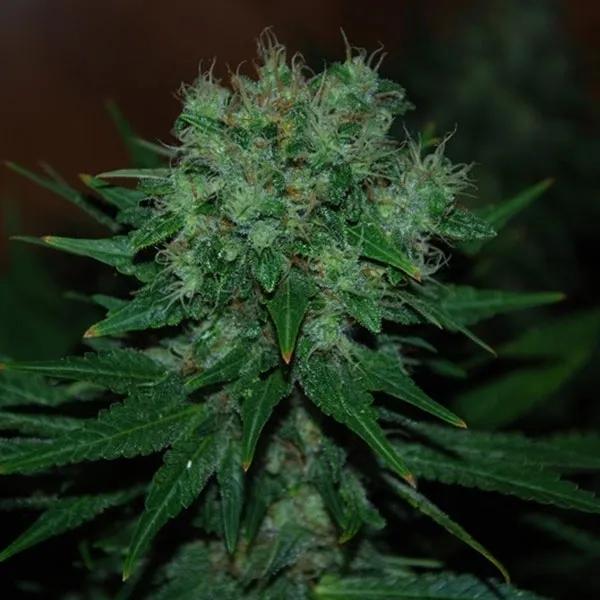
Blue Cheese Auto
Cannabis seeds
by Expert Seeds
Blue Cheese Auto Cannabis Seeds by Expert Seeds
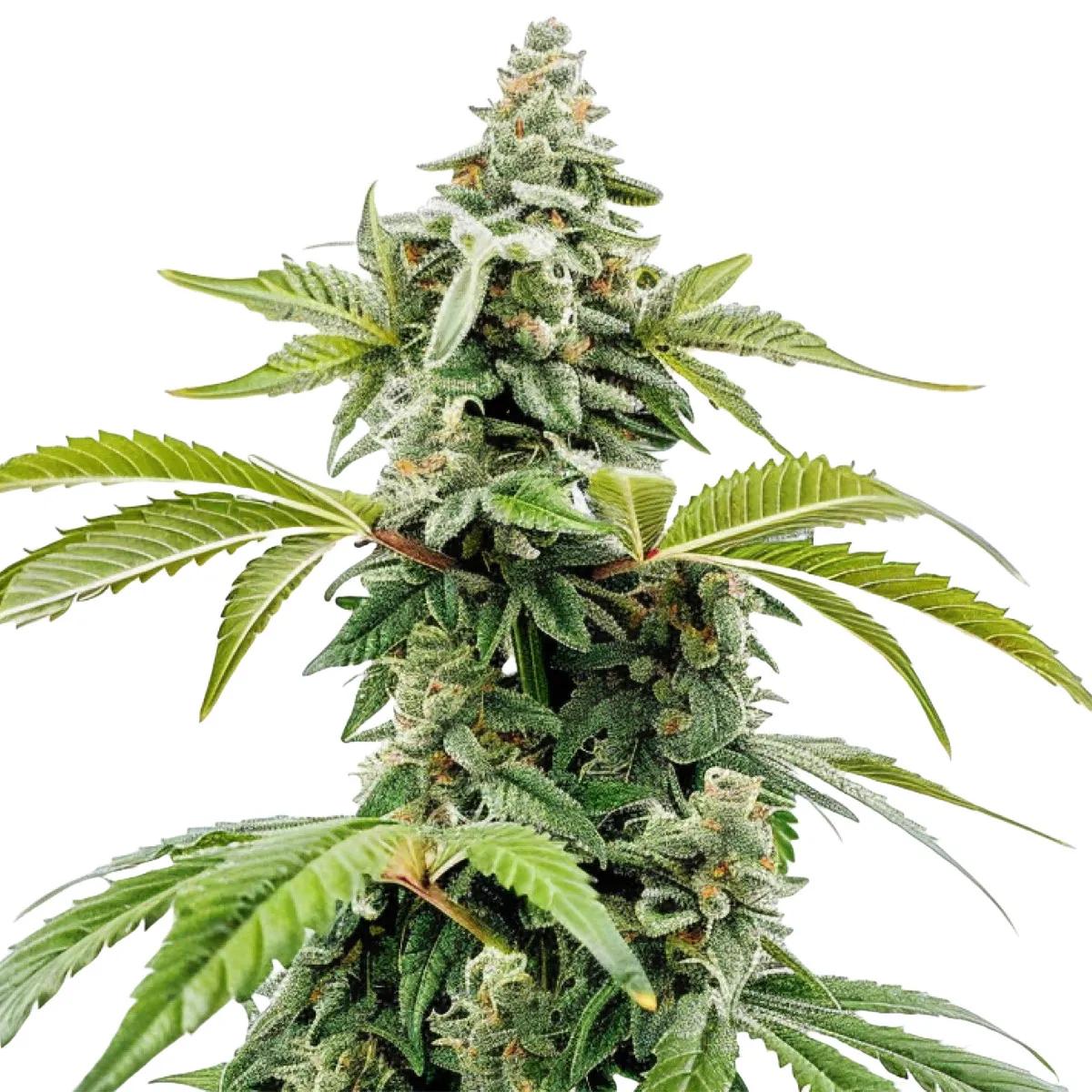
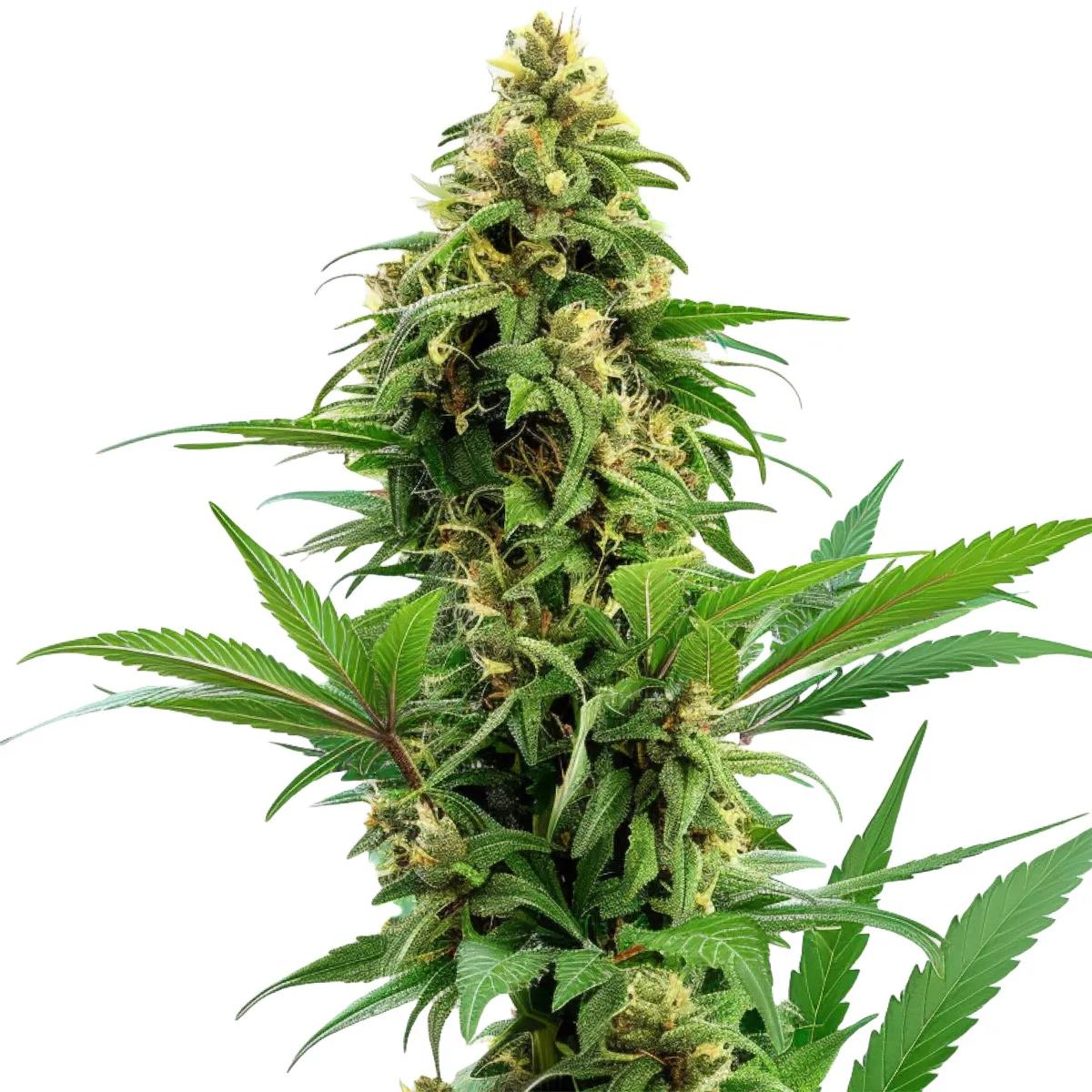
Blue Cheese Auto is a second-generation autoflowering cannabis seed that delivers the unmistakable sweet-fruit-meets-funky-cheese flavour profile of its photoperiod parents — in just 70-80 days from germination. Expert Seeds crossed Cheese Auto with Blueberry Auto, then re-crossed the offspring to lock in the terpene profile and bump the potency to 18% THC. The result is an autoflower that genuinely holds its own against regular strains, both in flavour and in yield.
Pack Sizes
| Pack | Seeds | SKU |
|---|---|---|
| 3-pack | 3 feminised autoflower seeds | CSEX0024 |
| 5-pack | 5 feminised autoflower seeds | CSEX0058 |
If you're running a single tent or balcony grow, the 3-pack is plenty. Grab the 5-pack if you want to stagger your plants across two runs — with a 70-80 day lifecycle, you can easily fit two harvests into one summer outdoors or run a perpetual rotation indoors.
Why Blue Cheese Auto Seeds Stand Out
First-generation autoflowers had a reputation for being small, scraggly, and frankly a bit disappointing in the flavour department. Blue Cheese Auto is a second-generation cross, and the difference is night and day. Expert Seeds didn't just slap an autoflower gene onto a photoperiod strain and call it done — they crossed two already-established autos (Cheese Auto and Blueberry Auto), then selected and re-crossed for the traits that matter: yield, potency, and that signature aroma.
The numbers back it up. Indoors under a decent light, you're looking at 400-500g/m2. That's not "good for an auto" — that's a solid harvest by any standard. Outdoors, individual plants pull 70-100 grams each, which is respectable given the compact size and speed. And at 18% THC, the smoke actually delivers. We've seen too many autoflowers that promise the world and then test at 12%. This isn't one of them.
The one honest limitation: like most autos, you can't control the vegetative period. If you stunt a Blue Cheese Auto seedling with overwatering or nutrient burn in week two, there's no extra veg time to recover. Photoperiod growers get a safety net — auto growers don't. So get your environment dialled in before you pop the seed.
Growing Blue Cheese Autoflower Seeds
Blue Cheese Auto is one of the more forgiving autoflowers we've come across, but "forgiving" doesn't mean "neglect-proof." Here's how to get the most out of your seeds.
- Germinate using the paper towel method or directly in a small pot of light, airy soil. Taproots typically appear within 24-72 hours.
- Transplant into your final container early — ideally within the first week. Autos don't like root disturbance, so going straight into an 11-15 litre pot from the start is the safest approach.
- Keep the light cycle at 18/6 or 20/4 from seedling through harvest. Blue Cheese Auto doesn't need a light schedule change to trigger flowering — it'll flip on its own around week 3-4.
- Feed lightly during the first two weeks. Autoflowers have a shorter veg phase, so they need less nitrogen overall than photoperiod strains. Switch to a bloom-focused nutrient around the time you see the first pistils.
- Maintain temperatures between 20-26°C and relative humidity around 40-50% during flowering. Blue Cheese Auto develops thick, dense flower clusters that can trap moisture — good airflow is critical to avoid mould.
- Harvest when trichomes shift from clear to milky-white with a few amber heads. This typically happens 70-80 days after germination. Don't rush it — those last few days make a real difference to resin production.
Outdoors, Blue Cheese Auto is a strong candidate for growers in northern Europe or anywhere with a shorter summer. Because it doesn't depend on photoperiod changes, you can start seeds as early as April (after the last frost) and harvest by late June or early July. In a Mediterranean climate, it's genuinely possible to run two or even three successive harvests in a single season.
Flavour, Aroma, and the Blue Cheese Auto Experience
This is where Blue Cheese Auto really earns its name. Crack open a cured bud and you get hit with that unmistakable Cheese funk — sharp, tangy, almost savoury — layered underneath with the sweet berry notes from the Blueberry side. It's a weird combination on paper, but it works brilliantly. Think of it like a good blue cheese on a fruit board: the contrast is the whole point.
The smoke carries through on that promise. The inhale is creamy and fruity, and the exhale leaves a lingering cheesy tang on the palate. It's the kind of flavour that makes you want to take another puff just to figure out what you're tasting. At 18% THC, the effect comes on with a warm, uplifting cerebral onset that settles into a relaxed, contented body feel. According to WebMD's cannabis strain database, Blue Cheese is classified as an 80% indica / 20% sativa hybrid with 2% CBG — a secondary cannabinoid that contributes to a broader entourage effect alongside THC.
According to a review published in PMC (Pmc.ncbi.nlm.nih.gov/articles/PMC6275121), among cannabis users, sativa-leaning effects are generally associated with more cerebral and stimulating sensations, while indica-dominant strains tend toward sedation and relaxation. Blue Cheese Auto leans indica, so expect the body relaxation to build as the session progresses.
Blue Cheese Auto Specifications
| Specification | Detail |
|---|---|
| Seed Bank | Expert Seeds |
| Genetics | Cheese Auto x Blueberry Auto (second-generation cross) |
| Type | Autoflowering, feminised |
| Indica / Sativa | Predominantly indica |
| THC | 18% |
| CBG | Approximately 2% (according to WebMD strain data) |
| Seed to Harvest | 70-80 days from germination |
| Indoor Yield | 400-500g/m2 |
| Outdoor Yield | 70-100g per plant |
| Recommended Light Cycle | 18/6 or 20/4 (full cycle) |
| Climate Suitability | Short summers, continental, Mediterranean |
| Available Packs | 3 seeds / 5 seeds |
Complete your grow setup with a propagation kit for reliable germination, and pick up a pH meter if you haven't already — autoflowers are particularly sensitive to pH swings during their short vegetative window. If you're growing indoors, a compact carbon filter keeps the Blue Cheese funk where it belongs: inside the tent.
Blue Cheese Auto vs Other Autoflowering Strains
If you're weighing up Blue Cheese Auto against other autos in the catalogue, here's how it stacks up. At 18% THC, it sits comfortably above most first-generation autoflowers, which typically land around 12-15%. The 400-500g/m2 indoor yield is also at the top end for autos — many competitors cap out around 300-350g/m2. The 70-80 day lifecycle is standard for second-gen autos; some faster varieties finish in 60 days, but they usually sacrifice yield to get there.
Compared to a photoperiod Blue Cheese, the auto version gives up some size and total yield potential, but gains speed and simplicity. No light schedule changes, no worrying about light leaks during flowering, no sexing plants. For growers who want a reliable, flavourful harvest without the fuss — especially in a small tent or on a balcony — Blue Cheese Auto is the best autoflower for cheese-strain flavour we've come across.
| Trait | Blue Cheese Auto (Expert Seeds) | Typical 1st-Gen Auto | Photoperiod Blue Cheese |
|---|---|---|---|
| THC | 18% | 12-15% | 19-20% |
| Seed to Harvest | 70-80 days | 60-75 days | 120-150 days (veg + flower) |
| Indoor Yield | 400-500g/m2 | 200-350g/m2 | 500-600g/m2 |
| Light Schedule | 18/6 or 20/4 (fixed) | 18/6 or 20/4 (fixed) | 18/6 veg, 12/12 flower |
| Difficulty | Easy-moderate | Easy | Moderate |
Related products


You might also like

Medical disclaimer. This content is for informational purposes only and does not constitute medical advice. Consult a qualified healthcare provider before use of any substance.