

Green Crack Auto Seeds — Fast-Finishing Hybrid With Mango Punch
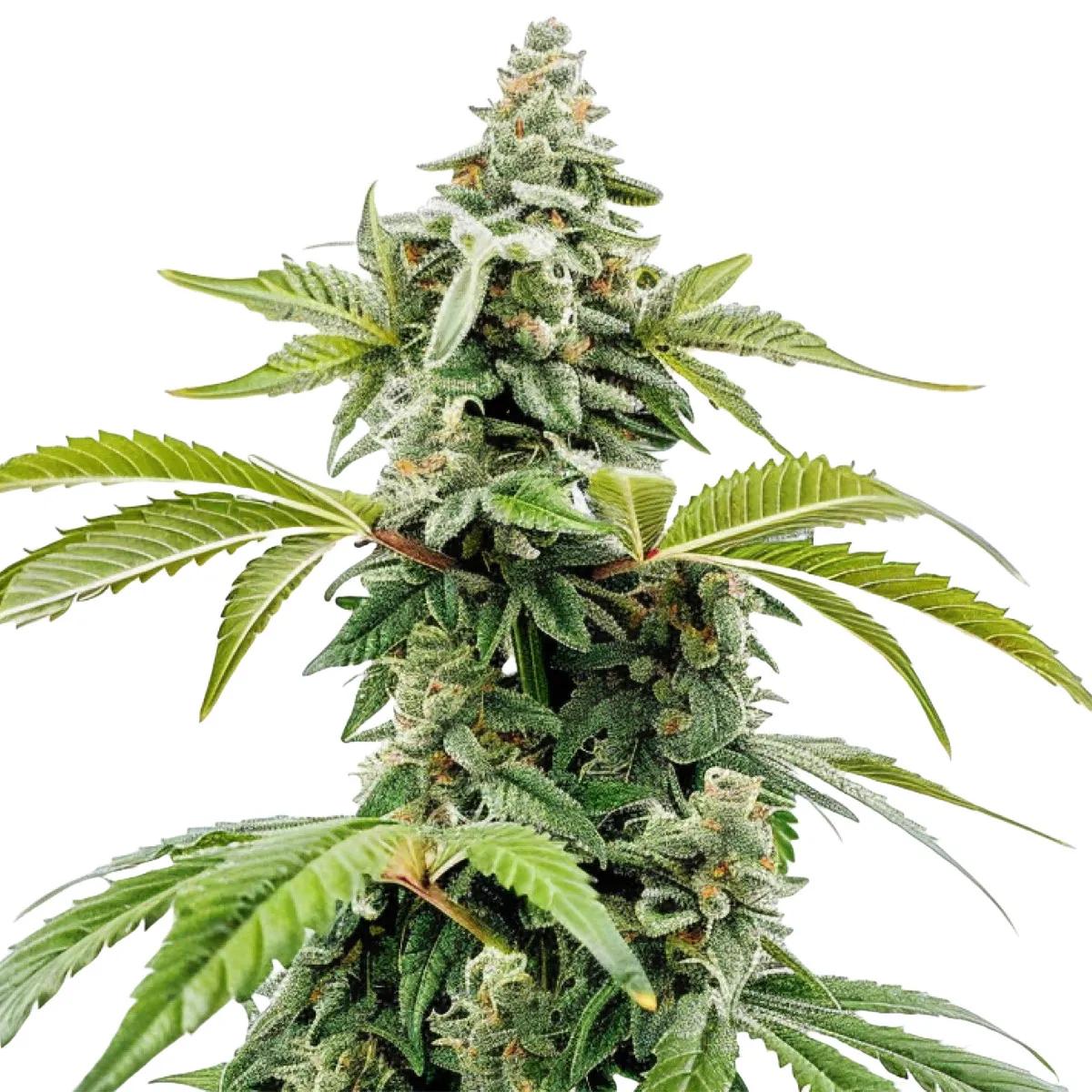
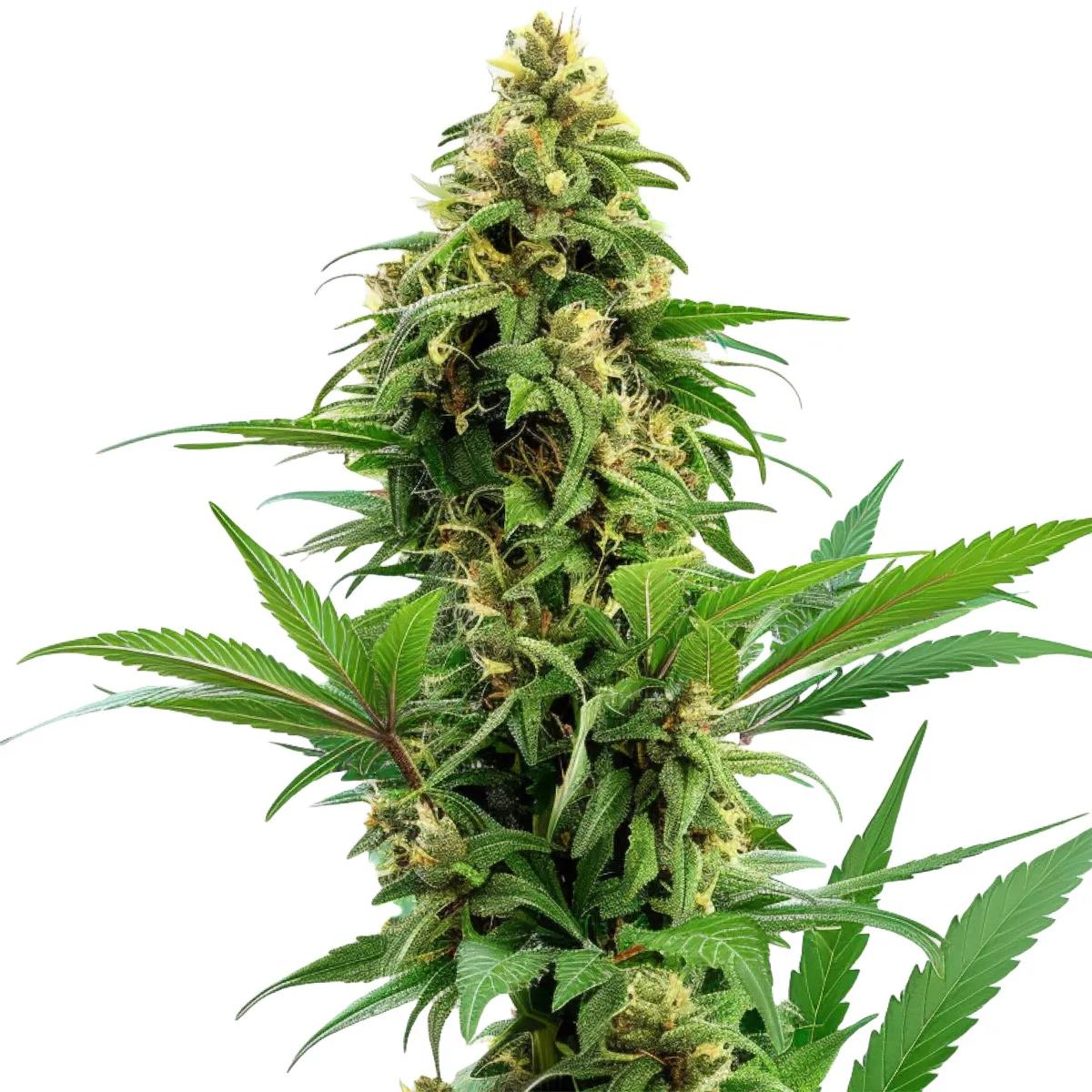
Green Crack Auto is an autoflowering hybrid that delivers 18–20% THC in a compact, fast-finishing plant. It crosses Afghani, Skunk #1, and ruderalis genetics to produce a fruity, mango-forward smoke with an energetic, creative lift that keeps you functional. The name sounds intense, but the reality is a tropical-tasting strain you can buy with confidence — these seeds are one of the most reliable autos in the shop. Short life cycle, generous yields, and almost zero fuss.
How Many Seeds Do You Need?
| Pack Size | Best For |
|---|---|
| 1 seed | Single test run — try the genetics before committing |
| 3 seeds | One grow cycle in a small tent (60x60 or 80x80) |
| 5 seeds | A proper indoor run with room to select the best performers |
| 10 seeds | Multiple cycles or a full outdoor season — best value per seed |
If you're growing indoors in an 80x80 tent, 3–4 plants is the sweet spot. Go with the 5-pack so you've got a spare if germination isn't 100%.
Genetics and Terpene Profile
The lineage is a three-way cross of Afghani, Skunk #1, and ruderalis. Afghani brings the resin production and structural sturdiness, Skunk #1 adds vigour and that classic hybrid balance, and ruderalis contributes the autoflowering trait that removes the need for light schedule changes. The result is a plant that flowers on its own clock — typically 7–9 weeks from seed to harvest, regardless of how many hours of light it gets.
The terpene profile is where this strain really stands out. Alpha-pinene gives it a sharp, piney freshness on the inhale. Limonene adds citrus brightness. And myrcene — the dominant terpene — rounds everything out with that thick, ripe mango flavour that lingers on the exhale. Crack open a cured jar and you'll smell tropical fruit with earthy undertones. It's genuinely one of the more pleasant autos to smoke, not just grow.
| Specification | Detail |
|---|---|
| Genetics | Afghani x Skunk #1 x Ruderalis |
| Strain Type | Hybrid |
| Flowering Type | Autoflowering |
| THC Content | 18–20% |
| CBD Content | Less than 1% |
| Seed to Harvest | 7–9 weeks |
| Indoor Yield | 550–600 g/m² |
| Outdoor Yield | 120–200 g/plant |
| Plant Height | Up to 150 cm |
| Dominant Terpenes | Myrcene, limonene, alpha-pinene |
| Flavour | Mango, fruity, earthy undertones |
| Effect | Energetic, creative, uplifting |
Growing this auto indoors? Pair it with a complete grow tent kit — tent, lighting, ventilation, and carbon filter sorted in one go. For outdoor grows, a fabric pot and quality soil mix will give the root zone the drainage autoflowers prefer.
Growing These Seeds — What to Expect
Seed-to-harvest time is 7–9 weeks under standard indoor conditions. This is one of the easier autos to grow, and we'd genuinely recommend it as a first autoflower if you've only done photoperiods before. The ruderalis genetics make it forgiving — it doesn't care about light leaks, it won't hermie from a missed timer, and the compact 150 cm max height means it fits in most tents without training.
Indoors, you're looking at 550–600 g/m² under good lighting. That's a seriously impressive number for an auto. Most autoflowers top out around 400–450 g/m², so this strain punches well above its weight class. Run it under 20/4 or 18/6 light cycles — we've seen slightly better results with 20/4, but the difference is marginal. Use a light, airy growing medium and don't overwater in the first two weeks. Autos have a shorter vegetative phase, so a slow start from overwatering costs you yield you can't recover.
Outdoors, plants reach their full 150 cm height and produce 120–200 g per plant. The compact stature makes it discreet enough for a balcony or small garden. Plant after the last frost, give it full sun, and let the autoflowering genetics handle the rest. No need to worry about light deprivation or supplemental lighting.
The one honest limitation: like most autos, this strain doesn't respond well to heavy training techniques like mainlining or extreme topping. Light LST (low stress training) in the first 2–3 weeks works well to open up the canopy, but anything aggressive after that point will slow it down rather than help. The life cycle is simply too short to recover from major stress.
Effects and Flavour
The effect profile is energetic and creative — this is not a couch-lock strain. At 18–20% THC with less than 1% CBD, the onset is quick and uplifting. According to data published by the EMCDDA, autoflowering cultivars in this THC range are increasingly popular among European home growers seeking daytime-functional varieties. Most users describe a clear-headed experience that's good for daytime use, creative projects, or social situations. The Afghani genetics add just enough physical relaxation to keep the energy from feeling jittery.
Flavour-wise, it's mango first and everything else second. That myrcene dominance gives it a thick, tropical sweetness on the inhale, with the limonene adding a citrus zing and the alpha-pinene contributing a subtle pine finish. The earthy undertones from the Afghani side come through more on the exhale. If you cure it properly — 2 weeks minimum in glass jars, burping daily — those mango notes intensify noticeably.
Compared to the photoperiod version, the auto is slightly less potent (the photo can push past 20% THC) but finishes in roughly half the time. If you want maximum potency and don't mind managing light schedules, the photoperiod version is the better pick. If you want speed, simplicity, and still-solid THC levels, order the auto.
Step-by-Step Grow Guide
Follow these nine steps for a successful harvest from seed to jar.
- Germinate your seeds using the paper towel method or directly in a small pot of moist, light soil. Taproots typically appear within 24–72 hours.
- Plant the germinated seed 1–2 cm deep in your final container. Autos don't transplant well, so start in the pot you intend to finish in — 11–15 litre fabric pots work well.
- Keep the growing medium moist but not saturated for the first 10–14 days. Overwatering seedlings is the single biggest mistake we see with autos.
- Begin light nutrients around week 2. Autos are sensitive to overfeeding, so start at half the manufacturer's recommended dose and increase gradually.
- Apply gentle LST during weeks 2–3 if you want to open up the canopy. Bend the main stem away from the light to encourage side branch development.
- Switch to bloom nutrients when you see the first pre-flowers, typically around week 3–4. This strain transitions quickly, so don't delay.
- Maintain 20/4 or 18/6 light cycles throughout the entire grow. Autoflowers don't need a 12/12 flip.
- Harvest when 70–80% of trichomes are milky with 10–20% amber. This usually falls between weeks 7 and 9 from seed.
- Dry in a dark room at 18–20°C and 55–60% humidity for 7–10 days, then cure in glass jars for a minimum of 2 weeks.
Related products




You might also like


Medical disclaimer. This content is for informational purposes only and does not constitute medical advice. Consult a qualified healthcare provider before use of any substance.