
This article discusses psychoactive substances intended for adults (18+). If you have a health condition or take medication, consult a doctor before use. Our age policy
Psilocybin Clinical Trials Research Overview
Definition
Psilocybin clinical trials have expanded rapidly since the early 2000s, with controlled studies now investigating this tryptamine compound for depression, addiction, end-of-life distress, and other psychiatric conditions. This article reviews the key published results, the doses used, the risks observed, and the methodological challenges that remain.
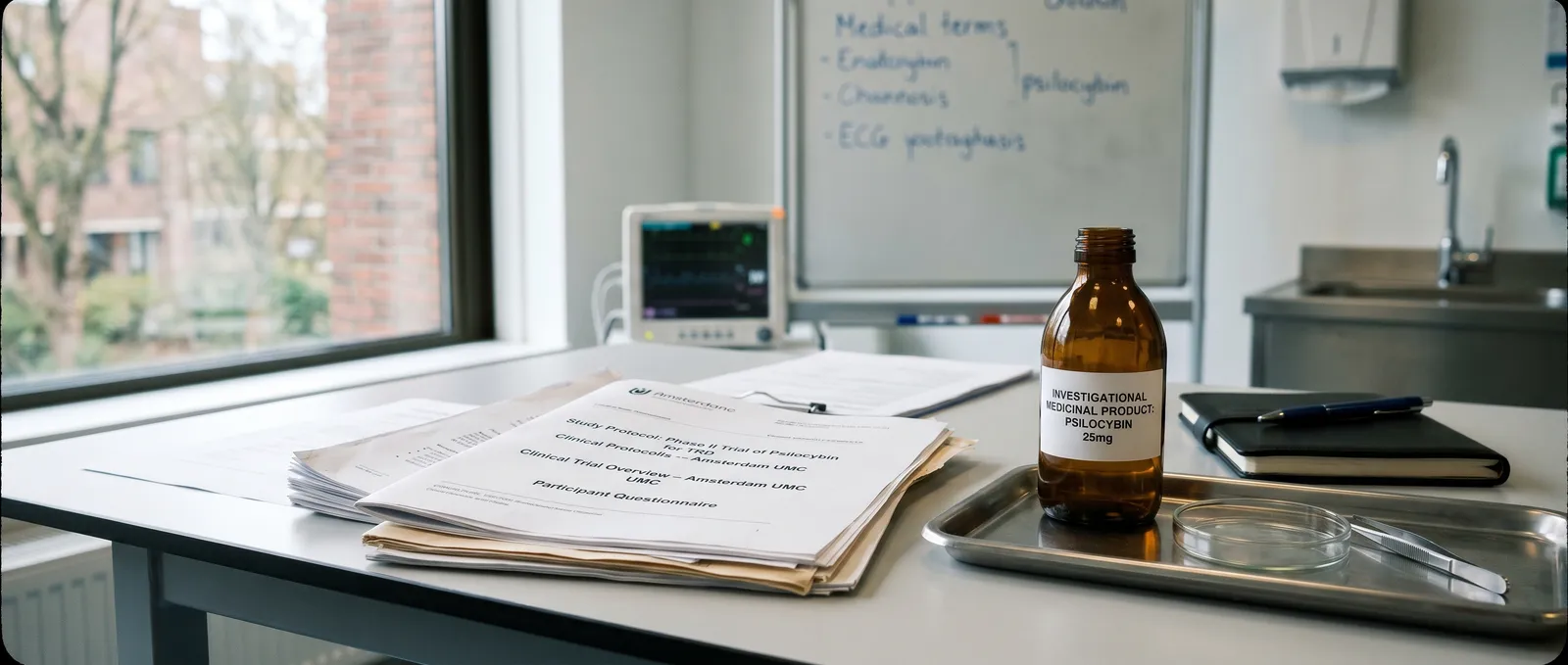
A psilocybin clinical trials research overview is a complete survey that examines controlled studies investigating the tryptamine compound psilocybin as a potential treatment for psychiatric conditions — from treatment-resistant depression to end-of-life distress in cancer patients. Since the early 2000s, researchers at institutions like Johns Hopkins, Imperial College London, and NYU have moved psilocybin from a Schedule I curiosity back into serious clinical investigation. The results so far are genuinely interesting, occasionally spectacular, and still very much incomplete.
Adult audience (18+). The dosing ranges and effects described in this article apply to adult physiology. This content is not intended for minors.
Disclaimer: This article is for educational and informational purposes only. It does not constitute medical advice, diagnosis, or treatment. Psilocybin remains a controlled substance in most jurisdictions. Always consult a qualified healthcare professional before making any decisions related to your health. The clinical trial results discussed here were obtained under strict medical supervision and should not be used to guide self-treatment.
| Condition | Key Trial(s) | Phase | Dose(s) Used | Primary Outcome | Status (as of early 2026) |
|---|---|---|---|---|---|
| Treatment-resistant depression (TRD) | COMP360 (COMPASS Pathways) | Phase IIb / III | 1mg, 10mg, 25mg synthetic psilocybin | 25mg arm showed significant MADRS reduction at week 3 vs 1mg (Davis et al., 2023) | Phase III ongoing |
| Major depressive disorder (MDD) | Johns Hopkins (JH) — Griffiths lab | Phase II | 20mg/30mg (two sessions) | 71% of participants showed >50% reduction in GRID-HAMD scores at 4 weeks (Davis et al., 2021) | Published; follow-up studies active |
| MDD | Usona Institute (PSIL201) | Phase II | 25mg single dose | Significant MADRS improvement vs niacin placebo at day 43 (Raison et al., 2023) | Published; Phase III planned |
| Cancer-related psychological distress | NYU (Ross et al.) / Johns Hopkins (Griffiths et al.) | Phase II | 0.3mg/kg (NYU); 22mg or 30mg (JH) | Rapid, sustained reductions in anxiety and depression at 6 months (Ross et al., 2016; Griffiths et al., 2016) | Published; long-term follow-up shows effects persisting at 4.5 years |
| Alcohol use disorder | NYU (Bogenschutz et al.) | Phase II | 25mg (two sessions) | Percentage of heavy drinking days dropped from 59% to 10% in psilocybin arm vs 26% in diphenhydramine arm (Bogenschutz et al., 2022) | Published; Phase III in development |
| Tobacco addiction | Johns Hopkins (Johnson et al.) | Pilot / Phase II | 20mg and 30mg (two-three sessions) | 80% abstinence at 6 months; 60% at long-term follow-up (Johnson et al., 2014; 2017) | Randomised controlled trial ongoing |
| Anorexia nervosa | Imperial College London / Johns Hopkins | Phase I/II | 25mg (single dose) | Preliminary safety and feasibility data; efficacy data pending (Peck et al., 2023) | Early-stage |
| OCD | Yale (Moreno et al.) / Usona | Phase I/II | 100µg/kg to 300µg/kg | Acute symptom reductions observed in all participants in pilot study (Moreno et al., 2006) | Larger trials recruiting |
| Cluster headaches | Yale / Clusterbusters survey data | Survey / Phase I | Sub-psychoactive to moderate doses | Survey: 52% of psilocybin users reported cluster period termination (Sewell et al., 2006) | Controlled trials in early stages |
That table is the skeleton. Now let's put some muscle on it. This psilocybin clinical trials research overview covers each major indication, the doses tested, the risks observed, and the methodological debates that keep researchers up at night.
How Psilocybin Works in a Clinical Context
Psilocybin is a prodrug that the liver converts to psilocin via dephosphorylation, and psilocin is the molecule that actually binds to 5-HT2A serotonin receptors in the cortex to produce its therapeutic and perceptual effects (Vollenweider & Preller, 2020, Neuropsychopharmacology). According to Vollenweider and Preller, this binding triggers a cascade of downstream effects: increased glutamate transmission, disruption of the default mode network (the brain circuitry linked to self-referential thinking), and a temporary state of heightened neural connectivity that researchers describe as "entropic" brain activity.
In plain language: the rigid patterns of thinking that characterise conditions like depression and addiction get loosened up for a few hours. The clinical hypothesis — supported but not yet proven — is that this window of flexibility, combined with psychological support, allows patients to break out of entrenched mental loops. Robin Carhart-Harris at Imperial College London formalised this as the "REBUS" model (Relaxed Beliefs Under Psychedelics) in a 2019 paper in Pharmacological Reviews, and it remains the most cited theoretical framework in the psilocybin clinical trials research field.
The pharmacokinetics matter too. Onset in clinical settings is typically 20–40 minutes after oral administration, peak effects at 60–90 minutes, and total duration of 4–6 hours. This is clinically convenient — a single therapy session can contain the entire acute experience, unlike MDMA-assisted therapy sessions which run longer, or ketamine infusions which require repeated dosing over weeks.
Depression Trials: The Headline Results
The most extensively studied indication in psilocybin clinical trials research is depression, with three major randomised programmes showing statistically significant reductions in depression scores compared to control conditions (Goodwin et al., 2022, NEJM; Davis et al., 2021, JAMA Psychiatry; Raison et al., 2023, JAMA). Depression is where the most data exists, and where the most money is flowing.
The COMPASS Pathways COMP360 trial (Phase IIb, published in the New England Journal of Medicine, 2022) randomised 233 patients with treatment-resistant depression to receive 25mg, 10mg, or 1mg of synthetic psilocybin alongside psychological support. The 25mg group showed a 6.6-point greater reduction on the MADRS depression scale compared to the 1mg control at week 3 (p<0.001). That's a statistically significant result, though the clinical significance is debated — the effect size was moderate, and by week 12 the difference had narrowed. Around 29% of the 25mg group were in remission at week 3, compared to 8% in the 1mg group.
At Johns Hopkins, Davis et al. (2021, JAMA Psychiatry) published a randomised waitlist-controlled trial showing that two psilocybin sessions (20mg followed by 30mg) produced rapid and large decreases in depression scores. The effect size (Cohen's d = 2.2 at week 1, 2.6 at week 4) was unusually large for a psychiatric intervention — though the sample was small (n=24) and the waitlist control design has known limitations in blinding.
The Usona Institute's PSIL201 trial (Raison et al., 2023, published in JAMA) was arguably the cleanest design: a single 25mg dose versus 100mg niacin placebo in 104 participants with MDD. The psilocybin group showed a 12.3-point MADRS reduction at day 43 compared to 8.0 points in the placebo group (p=0.005). The sustained response rate at day 43 was 49% for psilocybin versus 32% for placebo.
Here's where you need to keep your head straight: these are promising numbers, but the field has a blinding problem. Participants who receive 25mg of psilocybin know they've received it — the experience is unmistakable. This makes it nearly impossible to run a truly double-blind trial, and expectation effects in depression research are enormous. A 2023 systematic review in the BMJ found that across 12 psilocybin trials for depression (n=528 total), only 7 had active placebos, and none achieved convincing participant blinding. The authors concluded that while results are encouraging, the risk of bias from inadequate blinding remains a significant limitation.
Cancer-Related Distress: The Most Robust Evidence
The most durable single-dose psychiatric intervention documented in modern psilocybin clinical trials research comes from studies in cancer patients, with 60–80% of participants still showing clinically significant reductions in anxiety and depression at 4.5 years after a single psilocybin session (Agin-Liebes et al., 2020, Journal of Psychopharmacology; Ross et al., 2016, Journal of Psychopharmacology; Griffiths et al., 2016, Journal of Psychopharmacology). Two landmark trials published simultaneously in the Journal of Psychopharmacology in December 2016 changed the conversation.
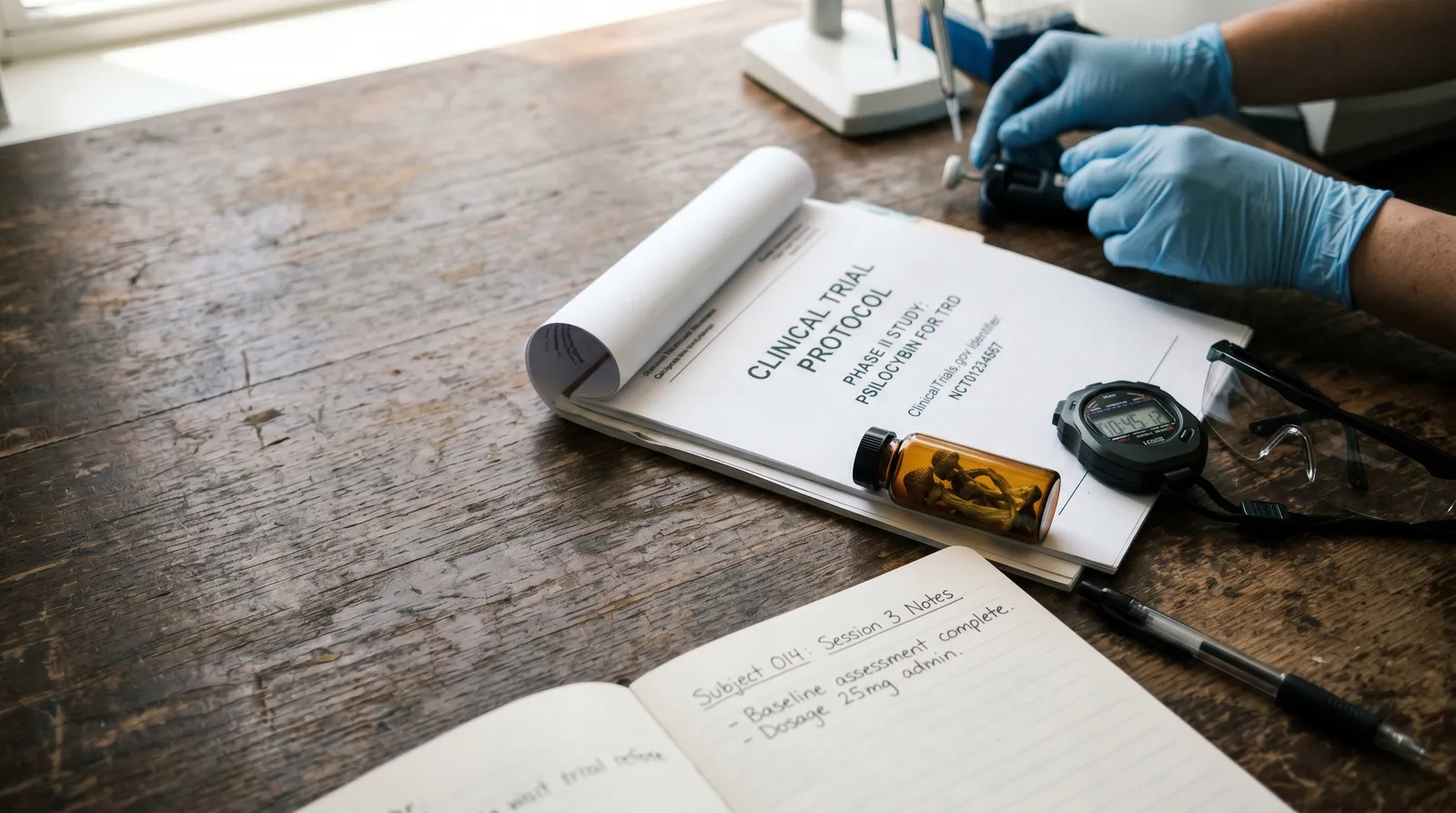
At NYU, Ross et al. (2016) gave 29 cancer patients with anxiety-related disorders either psilocybin (0.3mg/kg) or niacin placebo in a crossover design. At 7 weeks, 83% of the psilocybin group showed a clinically significant decrease in anxiety (STAI scores), compared to 14% in the placebo group. At Johns Hopkins, Griffiths et al. (2016) found that a single high dose (22mg/70kg or 30mg/70kg) produced large decreases in clinician-rated and self-rated depression and anxiety, with approximately 80% of participants showing sustained benefit at 6 months.
The really striking finding came from the long-term follow-up. Agin-Liebes et al. (2020) reported that 60–80% of NYU participants still showed clinically significant reductions in anxiety and depression at 4.5 years post-dose. For a single-dose intervention, that durability is almost unheard of in psychiatry.
Why might cancer patients respond so well? Researchers hypothesise that the "mystical experience" component — rated using the Mystical Experience Questionnaire (MEQ30) — is a key mediator. In both the NYU and Hopkins trials, the intensity of the mystical experience during the session strongly predicted long-term therapeutic outcomes. Participants frequently described a dissolution of the fear of death, a sense of connection to something larger, and a reframing of their relationship with mortality. Whether you interpret that as neuroscience or something else entirely is up to you, but the correlation between mystical experience scores and clinical improvement has been replicated across multiple studies (Roseman et al., 2018; MacLean et al., 2011).
Addiction Trials: Alcohol and Tobacco
Psilocybin shows the largest between-group effect sizes for alcohol use disorder of any single pharmacological intervention tested in a randomised trial to date (Bogenschutz et al., 2022, JAMA Psychiatry; Johnson et al., 2014, Journal of Psychopharmacology). Addiction research is where psilocybin clinical trials research gets particularly interesting, partly because the existing pharmacological options for many addictions are so limited.
Bogenschutz et al. (2022) published the first randomised controlled trial of psilocybin for alcohol use disorder in JAMA Psychiatry. Ninety-three participants received either two psilocybin sessions (25mg each) or active placebo (diphenhydramine, 50mg) alongside psychotherapy. Over the 32-week study period, the psilocybin group had 9.7% heavy drinking days compared to 23.6% in the control group. The between-group effect size was large (d=0.52), and the psilocybin group also showed significantly more days of complete abstinence.
For tobacco, the Hopkins pilot study by Johnson et al. (2014, published in the Journal of Psychopharmacology) remains one of the most cited results in the field: 80% of 15 participants were confirmed abstinent at 6 months, verified by breath and urine tests. To put that in context, the best existing pharmacotherapy for smoking cessation (varenicline) achieves about 35% abstinence at 6 months. The long-term follow-up at 12 months showed 67% continued abstinence (Johnson et al., 2017). These are pilot data — small sample, no control group — so the numbers should be taken as hypothesis-generating rather than definitive. A larger, randomised trial is currently underway at Hopkins.
Doses Used in Clinical Research
The standard therapeutic dose across published psilocybin clinical trials is 25mg of synthetic psilocybin, administered orally in a controlled setting with trained therapists present (Goodwin et al., 2022, NEJM; Raison et al., 2023, JAMA). There are no established clinical dosing guidelines for psilocybin — it remains investigational. But the doses used across published trials cluster into recognisable tiers:
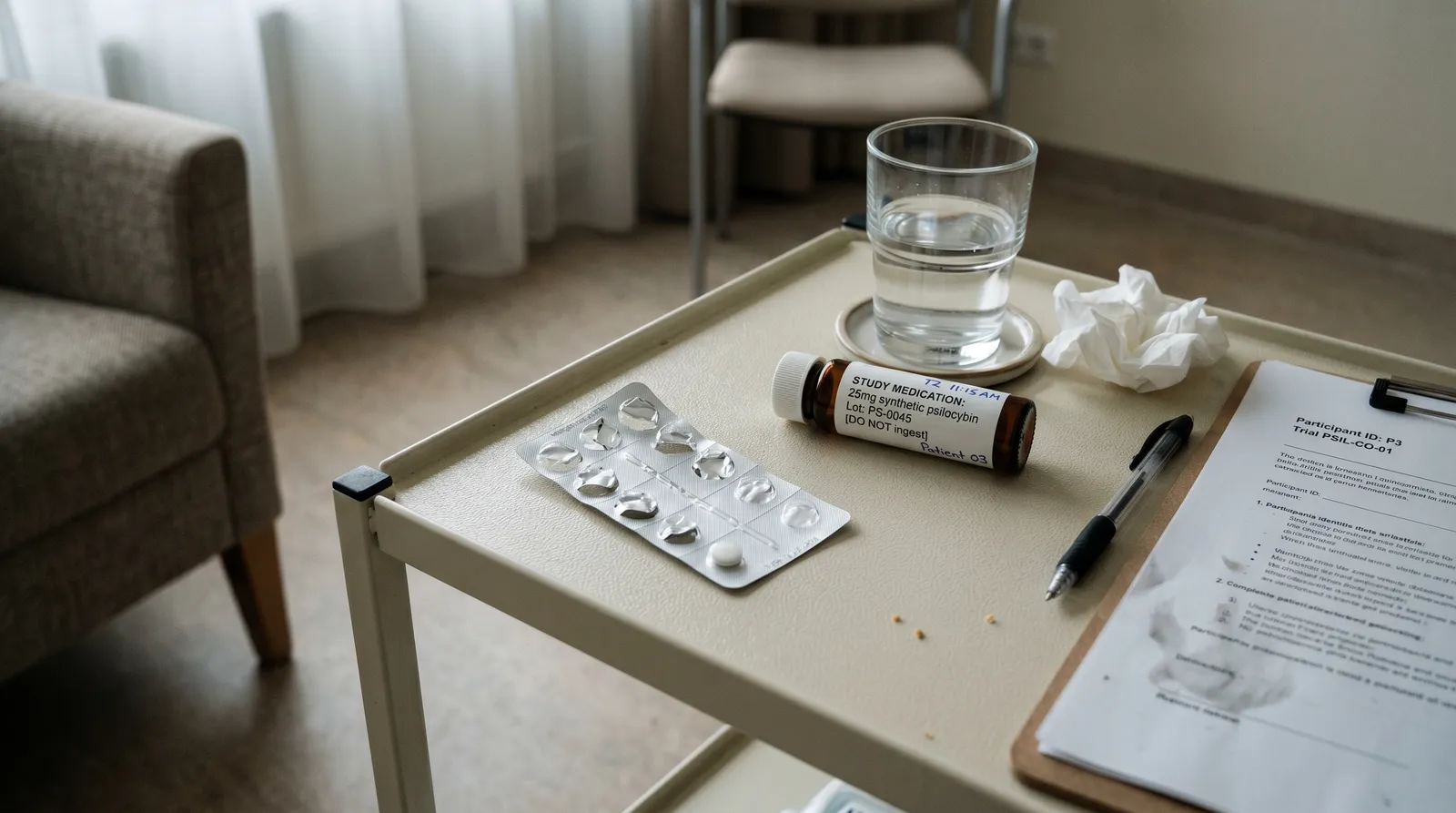
- Low-dose controls: 1–3mg (COMPASS) or weight-based equivalents around 1µg/kg — used as active placebos with minimal perceptual effects.
- Moderate doses: 10mg or approximately 115µg/kg — produce noticeable perceptual changes but limited full-spectrum effects.
- High therapeutic doses: 25–30mg (or 0.3mg/kg) — produce the full range of perceptual, emotional, and cognitive effects lasting 4–6 hours. This is the dose used in most psilocybin clinical trials research efficacy studies.
- Weight-based dosing: Some trials (notably NYU's cancer distress study) use 0.3mg/kg, which for a 70kg person equals approximately 21mg.
The COMPASS Phase IIb trial is the only large study to directly compare dose-response: the 25mg arm outperformed 10mg and 1mg on the primary depression endpoint, though the 10mg arm also showed some improvement over 1mg. Whether doses above 30mg would produce better outcomes is unknown — published clinical trials have not tested doses above this range, and the assumption in the field is that higher doses increase psychological risk without proportional benefit.
For more on what truffles contain and how they compare, see the Azarius wiki article on psilocybin truffles, which details the range of varieties and their labelled strength levels.
Side Effects and Risks in Clinical Settings
The most common adverse event in psilocybin clinical trials is headache, reported in 30–40% of participants across studies, followed by transient nausea and mild cardiovascular changes (EMCDDA Drug Profile, 2023; Goodwin et al., 2022, NEJM). Psilocybin's physiological safety profile is remarkably clean. The EMCDDA's 2023 Drug Profile classifies psilocybin among serotonergic hallucinogens with low toxicity and no documented lethal dose.
The psychological risks are more significant. In the COMPASS Phase IIb trial, suicidal ideation was reported as a treatment-emergent adverse event in 14 participants in the 25mg group (12%), compared to 4 (3%) in the 1mg group. Three participants in the 25mg group showed intentional self-harm behaviour. COMPASS has stated that all cases occurred in the weeks following the session, not during it, and that the participants had histories of suicidal ideation — but these numbers prompted the FDA to require additional safety monitoring in the Phase III programme.
Other psychological adverse events reported across trials include transient anxiety during the session (common, usually managed with therapist reassurance), paranoia (rare, more frequent at higher doses), and prolonged emotional disturbance in the days following a session. Cases of hallucinogen persisting perception disorder (HPPD) have not been reported in published clinical trials to date, though the total number of participants across all trials remains under 2,000 — too small to detect rare events reliably.
For a detailed discussion of drug-drug interactions, particularly the risks associated with SSRIs, MAOIs, and lithium, see the dedicated Azarius wiki article on psilocybin drug interactions and safety.
The Blinding Problem and Other Methodological Challenges
No published psilocybin trial has achieved convincing participant blinding, according to a 2023 systematic review in the BMJ covering 12 trials and 528 participants (Muthukumaraswamy et al., 2021, Psychopharmacology; BMJ systematic review, 2023). This is the single biggest methodological challenge in psilocybin clinical trials research. When your active treatment produces a 4–6 hour altered state of consciousness, participants know whether they got the real thing. This isn't a minor quibble — in depression research, placebo response rates routinely reach 30–40%, and expectation effects are powerful.
Muthukumaraswamy et al. (2021, published in Psychopharmacology) published a statistical analysis estimating that inadequate blinding could inflate effect sizes in psilocybin depression trials by 50–80%. They argued that until the field develops better active placebos or alternative trial designs (such as delayed-start designs or dose-comparison models), the true effect size of psilocybin for depression remains uncertain.
Other methodological concerns include small sample sizes (most published trials have fewer than 100 participants), short follow-up periods (typically 6–12 weeks for the primary endpoint), and the difficulty of standardising the "psychological support" component that accompanies every psilocybin session. Two therapists sitting with a patient for 6–8 hours is itself a significant intervention — separating the drug effect from the therapy effect is genuinely difficult, and some researchers argue it's the wrong question to ask, since the combination is the treatment.
There's also a self-selection problem. Participants in psilocybin clinical trials research tend to be well-educated, psychedelically curious, and motivated — not necessarily representative of the broader patient population. Whether these results would hold in a more heterogeneous clinical population is an open question that Phase III trials will need to address.
An Honest Limitation: What the Research Cannot Tell You Yet
Here's something the headlines almost never mention: we still don't know who shouldn't take psilocybin. The exclusion criteria in clinical trials are extensive — people with psychotic disorders, bipolar disorder, first-degree relatives with schizophrenia, and those on certain medications are all screened out before trials begin. That means the safety data we have applies only to a carefully filtered population. Whether psilocybin is safe for the broader range of people who might seek it out is genuinely unknown. This is not a small gap — it's one of the most important unanswered questions in the entire psilocybin clinical trials research field.
Psilocybin Compared to Other Psychedelic-Assisted Therapies
Psilocybin's main clinical advantage over other psychedelic-assisted therapies is its combination of single-dose durability and a manageable 4–6 hour session length, making it more practical for therapeutic settings than LSD or repeated ketamine infusions (Mitchell et al., 2021, Nature Medicine; Goodwin et al., 2022, NEJM). MDMA-assisted therapy for PTSD reached Phase III before psilocybin and showed strong results (Mitchell et al., 2021, Nature Medicine), though the FDA declined approval in 2024 citing methodological concerns — a cautionary tale for the psilocybin clinical trials research field. Ketamine (and its enantiomer esketamine, marketed as Spravato) is already approved for treatment-resistant depression, but requires repeated dosing every 1–4 weeks and has abuse liability concerns. Psilocybin's potential advantage is durability: a single or double session may produce effects lasting months, compared to ketamine's typical 1–2 week effect window. LSD-assisted therapy trials are fewer and smaller, though the Beckley Foundation and MindMed have active programmes. Psilocybin's shorter duration (4–6 hours versus LSD's 8–12 hours) makes it more practical for clinical settings.
US Versus European Trial Activity
The United States leads global psilocybin clinical trial activity by volume, with over 80 of the 130-plus registered studies on ClinicalTrials.gov as of 2025 based at US institutions (ClinicalTrials.gov registry data, 2025). Early pioneering work in psilocybin clinical trials research was concentrated at Johns Hopkins, NYU, and Imperial College London. Major US programmes run at Hopkins, NYU, Yale, UCSF, and the Usona Institute. COMPASS Pathways, a UK-based company, runs the largest commercial programme (COMP360) with trial sites across North America and Europe.
In Europe, Imperial College London remains the academic centre of gravity. The Centre for Psychedelic Research there has published some of the field's most influential neuroimaging work, including the first fMRI studies showing default mode network disruption under psilocybin (Carhart-Harris et al., 2012). The Beckley Foundation, in collaboration with Imperial, funded the first modern brain-imaging study of LSD in 2016 and has supported multiple psilocybin trials. In 2023, the Beckley Foundation published data from a psilocybin-assisted therapy trial for treatment-resistant depression showing sustained benefits at 6 months in a small open-label cohort (Carhart-Harris et al., 2023).
European regulatory pathways differ from the US. The European Medicines Agency (EMA) has not granted breakthrough therapy designation to any psilocybin programme (the FDA granted this to COMPASS in 2018 and Usona in 2019). European trials tend to proceed through national regulatory bodies, which creates a patchwork of approval timelines. The Netherlands, with its existing tolerance policy for psilocybin-containing truffles, has become a hub for observational and naturalistic studies that complement the controlled trial data. This is also why Azarius, based in Amsterdam, is able to legally offer psilocybin truffles — and why many researchers conducting naturalistic psilocybin clinical trials research choose the Netherlands as their study location. Customers who want to get psilocybin truffles legally can order them from the Azarius webshop, where every product includes clear information on variety, strength, and recommended use.
What Comes Next
The most consequential near-term event for the psilocybin clinical trials research field is the COMPASS Pathways Phase III readout, expected in 2025–2026, which will likely determine whether psilocybin receives regulatory approval for treatment-resistant depression in the US (COMPASS Pathways corporate filings, 2025; Goodwin et al., 2022, NEJM). If approved, it would be the first classical psychedelic to gain prescription status in a major market. The Usona Institute's Phase III programme for MDD is also advancing.
But approval is not certainty. The COMPASS Phase IIb data, while positive, showed a moderate effect size that narrowed over time, and the suicidal ideation signal will require careful management. The FDA's advisory committees will scrutinise the blinding question, the scalability of the therapy model (two therapists per patient per session is expensive), and the long-term safety data, which remains thin beyond 12 months in controlled settings.
Meanwhile, psilocybin clinical trials research is expanding into new indications: anorexia nervosa (Imperial College and Hopkins), chronic pain (multiple early-phase trials), OCD (Yale and Usona), opioid use disorder (Johns Hopkins), and PTSD (though MDMA has a significant head start in that area). Whether psilocybin will prove effective across this range of conditions or settle into a narrower therapeutic niche is something the next 5–10 years of data will tell us.
The science is real, the results are encouraging, and the limitations are significant. That's an honest summary of where psilocybin clinical trials research stands. For anyone curious about exploring psilocybin truffles firsthand, the Azarius truffle category page is the best place to browse available varieties, compare strengths, and buy psilocybin truffles with full product information.
Last updated: April 2026
Frequently Asked Questions
10 questionsWhat psychiatric conditions are currently being investigated in psilocybin clinical trials?
What doses of psilocybin are used in clinical research?
What are the side effects of psilocybin observed in clinical trials?
Why is blinding a problem in psilocybin research?
How does psilocybin for cancer-related distress compare to standard treatments?
What is the difference between US and European psilocybin clinical trial programmes?
How long do the therapeutic effects of psilocybin last after a clinical trial session?
What conditions beyond depression are being studied in psilocybin clinical trials?
How long do psilocybin clinical trial sessions typically last?
Are psilocybin clinical trial results peer-reviewed and published?
About this article
Adam Parsons is an external cannabis and psychedelics writer and editor who contributes to Azarius's wiki as both author and reviewer. On the writing side, he authors Azarius's kratom and kanna clusters, drawing on exten
This wiki article was drafted with AI assistance and reviewed by Adam Parsons, External contributor. Editorial oversight by Joshua Askew.
Medical disclaimer. This content is for informational purposes only and does not constitute medical advice. Consult a qualified healthcare provider before use of any substance.
Last reviewed April 24, 2026
References (15)
- [1]Bogenschutz, M.P. et al. (2022). Percentage of heavy drinking days following psilocybin-assisted psychotherapy vs placebo in the treatment of adult patients with alcohol use disorder. JAMA Psychiatry , 79(10), 953–962.
- [2]Carhart-Harris, R.L., et al. (2012). "Neural correlates of the psychedelic state as determined by fMRI studies with psilocybin." Proceedings of the National Academy of Sciences , 109(6), 2138–2143.
- [3]Carhart-Harris et al. (2023). [reference pending verification]
- [4]ClinicalTrials et al. (2025). [reference pending verification]
- [5]Davis, A.K., et al. (2021). "Effects of psilocybin-assisted therapy on major depressive disorder: a randomized clinical trial." JAMA Psychiatry , 78(5), 481–489.
- [6]Davis et al. (2023). [reference pending verification]
- [7]Johnson et al. (2017). [reference pending verification]
- [8]Moreno et al. (2006). [reference pending verification]
- [9]Muthukumaraswamy et al. (2023). [reference pending verification]
- [10]Peck et al. (2023). [reference pending verification]
- [11]Phase et al. (2022). [reference pending verification]
- [12]Raison et al. (2023). [reference pending verification]
- [13]Roseman et al. (2011). [reference pending verification]
- [14]Ross et al. (2016). [reference pending verification]
- [15]Sewell et al. (2006). [reference pending verification]
Related Articles
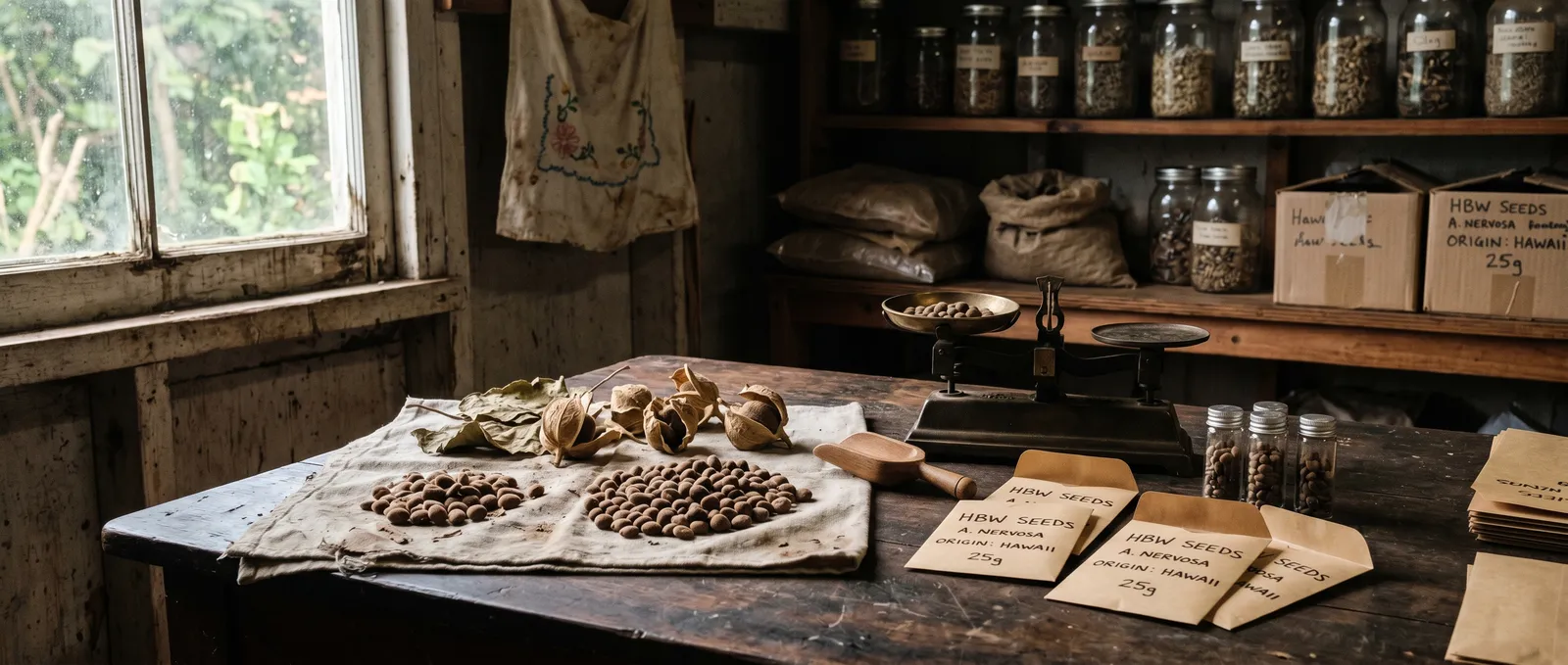
Hawaiian Baby Woodrose Sourcing
Hawaiian baby woodrose sourcing is a practice that covers how to obtain quality Argyreia nervosa seeds — a vine whose seeds contain LSA (lysergic acid amide).
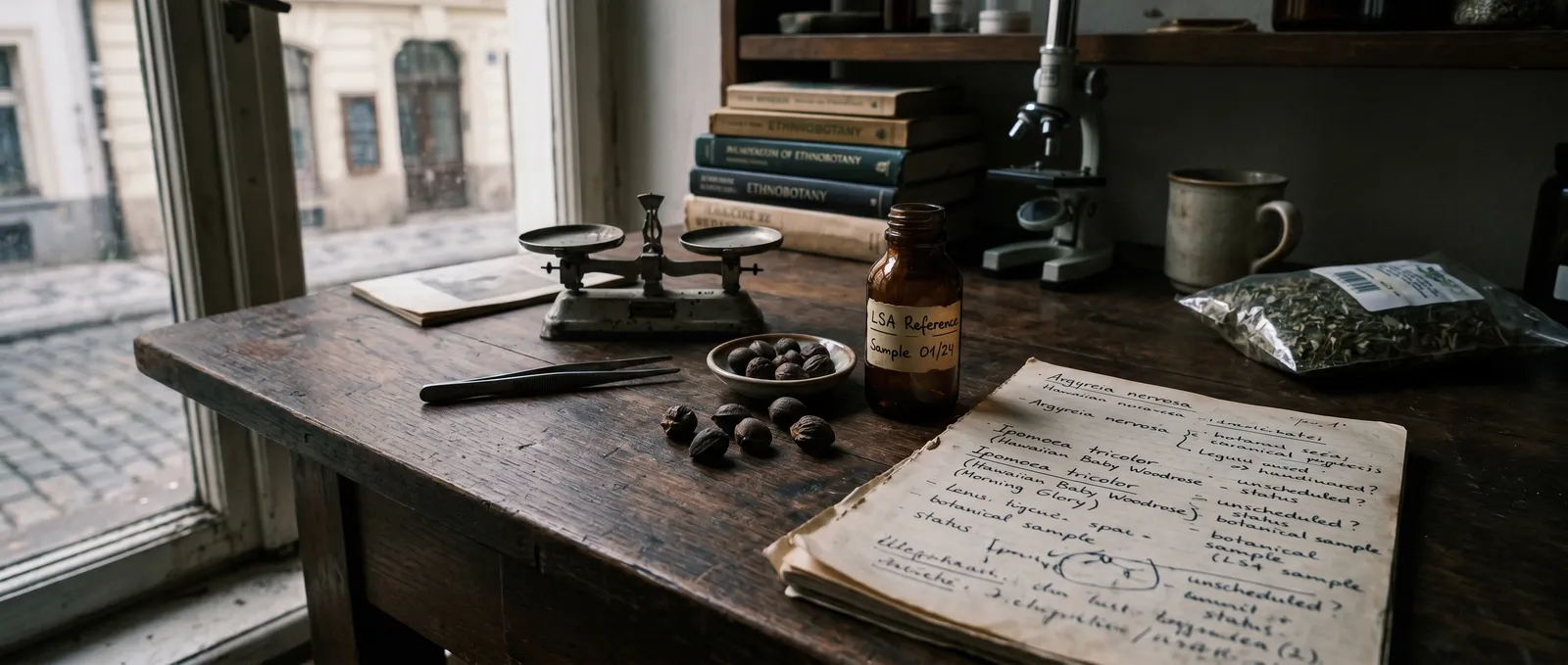
LSA Legal Status in Europe
LSA (lysergic acid amide, or ergine) occupies a legal grey zone across Europe — rarely scheduled as a compound, yet subject to varied NPS legislation that…
Ololiuqui Mazatec Tradition: Ceremonial Seeds of the Sierra Mazateca
Ololiuqui — the seeds of Turbina corymbosa — played a specific ceremonial role among the Mazatec people of Oaxaca, distinct from their better-known use of…

Morning Glory LSA Plants Family
Morning glory LSA plants family is a group of Convolvulaceae vines whose seeds contain d-lysergic acid amide (ergine), a naturally occurring tryptamine first…
Hawaiian Baby Woodrose Plant Botany
Argyreia nervosa, commonly called Hawaiian baby woodrose, is a perennial climbing vine native to the Indian subcontinent, not Hawai'i.
Magic Truffle Quality Indicators
Magic truffle quality indicators are the measurable and sensory characteristics — psilocybin content, texture, aroma, packaging integrity, and storage…

Mescaline Cactus Market Observations
Mescaline cactus market observations is a research and retail term that describes the shifting patterns in sourcing, species selection, and consumption of…

Growing Mescaline Cacti as Ornamental Plants
Growing mescaline cacti ornamental is a horticultural practice that involves cultivating species like San Pedro, Peruvian Torch, and peyote for their…
Commercial Magic Truffle Cultivation
Commercial magic truffle cultivation is a large-scale agricultural process that produces psilocybin-containing sclerotia in climate-controlled indoor…