
This article discusses psychoactive substances intended for adults (18+). If you have a health condition or take medication, consult a doctor before use. Our age policy
Psilocybin and Meditation
Definition
Psilocybin and meditation is a combination of pharmacological and contemplative practices that both reduce default mode network activity and can produce states of ego dissolution and deep presence. Clinical studies suggest that combining the two under structured conditions amplifies positive psychological outcomes while reducing the likelihood of difficult reactions.
Psilocybin and meditation is a combination of pharmacological and contemplative practices that is gaining serious scientific attention because both reduce activity in the brain's default mode network, producing overlapping states of ego dissolution, deep presence, and what researchers classify as "mystical-type experiences." That's not just anecdotal wisdom from retreat centres — it's increasingly backed by controlled studies. The default mode network (DMN) is the brain circuitry responsible for your running internal monologue, and both psilocybin and contemplative practice can quiet it. The overlap is striking enough that neuroscientists have started investigating whether combining psilocybin and meditation produces something greater than either alone.
Adult audience (18+). The dosing ranges and effects described in this article apply to adult physiology. This content is not intended for minors.
What the Brain Is Actually Doing
Both psilocybin and meditation reduce activity in the default mode network, but they do so through entirely different neurobiological mechanisms. The DMN is a set of interconnected brain regions — medial prefrontal cortex, posterior cingulate cortex, and angular gyrus among them — that fires up when you're not focused on the outside world. It's the engine behind daydreaming, rumination, planning, and the persistent sense of "I." According to Carhart-Harris et al. (2012), psilocybin significantly decreases blood flow and neural activity in the DMN, particularly the medial prefrontal cortex, which correlated directly with participants' reports of ego dissolution. Long-term meditators show a remarkably similar pattern: a 2012 study by Brewer et al. at Yale found that experienced practitioners had reduced DMN activity during meditation compared to novices, and — critically — this reduced baseline persisted even outside of formal sitting practice.
Psilocybin achieves this pharmacologically, via agonism at the 5-HT2A serotonin receptor, which disrupts the usual top-down processing that keeps your sense of self stable. Meditation does it through sustained attentional training — thousands of hours of gently redirecting focus until the DMN's grip loosens on its own. The pharmacological route is faster. The contemplative route is more durable. The question researchers are now asking: what happens when you combine psilocybin and meditation together?
Combining the Two: What the Studies Show
Clinical studies consistently show that psilocybin combined with structured meditation practice produces stronger and longer-lasting psychological benefits than either approach alone. The most cited study on this combination comes from Smigielski et al. (2019), published in NeuroImage. Researchers gave psilocybin (315 µg/kg body weight — roughly 20–22 mg for a 70 kg person) or placebo to 39 experienced meditators during a five-day mindfulness retreat at a Zen centre in Switzerland. The psilocybin group reported significantly greater ego dissolution, oceanic boundlessness, and positively experienced unity compared to the placebo group. Four months later, the psilocybin-plus-meditation group still showed larger increases in mindfulness-related capacities — specifically, the ability to observe internal experience without reactivity — and greater positive changes in psychosocial functioning.
What's particularly interesting is that the meditation context appeared to buffer against negative reactions. Anxiety scores during the acute session were lower than what's typically reported in clinical psilocybin studies without a meditation framework. The researchers attributed this partly to the meditators' existing skill in sitting with uncomfortable mental content rather than fighting it — a capacity that maps neatly onto what clinicians call "psychological flexibility."
A review by Holas and Kamińska (2024) in Mindfulness examined the overlap between mindfulness-based interventions and psychedelic-assisted therapy more broadly. They identified shared mechanisms including altered states of consciousness, increased psychological flexibility, enhanced emotional processing, and what they termed "decentring" — the ability to observe thoughts as mental events rather than facts. Both modalities also appear to increase prosocial behaviour: compassion, connectedness, and a reduced sense of separation from others. The review noted that combining psilocybin and meditation could produce "additive or even multiplicative effects," though the authors were careful to flag that the evidence base remains small, with most studies having fewer than 50 participants.
Why Meditation Experience Changes the Session
Experienced meditators consistently report calmer, more meaningful psilocybin sessions than non-meditators in controlled research settings. Roland Griffiths — the Johns Hopkins researcher whose 2006 study essentially reignited modern psilocybin science — drew explicit parallels between long-term meditation and psilocybin use in his later work. In Griffiths et al. (2018), published in the Journal of Psychopharmacology, participants who combined psilocybin with a structured spiritual practice programme (including daily meditation) reported significantly higher ratings of personal meaning, spiritual significance, and positive behavioural changes at 6 months compared to those who received psilocybin without the practice component. The spiritual practice group rated their psilocybin session among the top five most meaningful experiences of their lives at a rate of 67%, versus 44% in the low-practice comparison group.
This makes intuitive sense if you think about what meditation actually trains. A regular sitting practice builds the capacity to notice what's arising in consciousness without grabbing onto it or pushing it away. During a psilocybin session, when the DMN quiets and unfamiliar perceptual and emotional content floods in, that skill becomes enormously practical. You're less likely to panic when the ground shifts under your sense of self because you've already practised, in a milder way, letting go of the need to control every mental event.
Psilocybin and Meditation Compared to Psilocybin Alone
Psilocybin sessions conducted within a meditation framework differ from standalone sessions in several measurable ways. The table below summarises key findings from the primary studies discussed in this article.
| Outcome measure | Psilocybin alone (typical clinical setting) | Psilocybin + structured meditation | Source |
|---|---|---|---|
| Acute anxiety during session | Moderate (commonly reported) | Lower than typical clinical levels | Smigielski et al. (2019) |
| Ego dissolution intensity | Dose-dependent | Significantly greater at matched dose | Smigielski et al. (2019) |
| Rated among top 5 life experiences | 44% of participants | 67% of participants | Griffiths et al. (2018) |
| Mindfulness gains at 4 months | Not measured in most protocols | Significant increases in non-reactive observation | Smigielski et al. (2019) |
| Prosocial behaviour changes | Present but variable | More pronounced and sustained | Griffiths et al. (2018); Holas & Kamińska (2024) |
Meditation Styles and Psilocybin Compatibility
Open awareness and body-scan techniques are the most compatible meditation styles for use during a psilocybin session, while strict concentration practices tend to clash with the compound's perceptual effects. The table below compares common styles based on what practitioners and researchers have reported.
| Meditation style | Compatibility with psilocybin | Notes |
|---|---|---|
| Open awareness / choiceless awareness | High | Aligns naturally with psilocybin's tendency to broaden perception; used in the Smigielski (2019) protocol |
| Body scan / somatic awareness | High | Helps ground the experience during perceptual shifts; useful during come-up and peak |
| Loving-kindness (metta) | Moderate to high | Can amplify prosocial and emotional openness effects; may become intensely emotional |
| Focused attention (e.g. breath counting) | Low to moderate | Difficult to sustain during peak effects when concentration becomes fluid; better suited to come-down phase |
| Mantra-based (e.g. TM, japa) | Moderate | Some practitioners find repetition anchoring; others find it clashes with psilocybin's open quality |
| Zazen (shikantaza) | High | "Just sitting" approach requires no object of focus, making it naturally compatible with altered states |
Practical Considerations for Combining Them
Successful combination of psilocybin and meditation requires an established contemplative practice, a structured environment, and ongoing integration — not a casual one-off attempt. The research protocols that produced positive results weren't casual. Smigielski's participants were experienced meditators in a structured five-day retreat with trained facilitators. Griffiths' participants followed a daily practice schedule for weeks before and after their session, with regular meetings with guides. These aren't conditions you replicate by sitting on a cushion for ten minutes before chewing some truffles.
A few things the literature consistently points to:
- Existing practice matters. The benefits of combining psilocybin and meditation were most pronounced in people who already had a meditation practice. Starting both simultaneously — first session and first sit on the same day — isn't what the studies tested, and there's no data suggesting it works the same way.
- Timing within the session. In the Smigielski study, psilocybin was administered during the retreat's meditation schedule, meaning participants moved into their sitting practice as the compound took effect. Attempting focused attention meditation during peak effects may be difficult; open awareness or body-scan approaches tend to be more compatible with the perceptual shifts psilocybin produces.
- Integration is the actual work. Both Griffiths and Smigielski emphasised that post-session practice — continuing to meditate in the days and weeks following — was where the lasting changes consolidated. The acute experience opens a window; the ongoing practice is what keeps it open.
- Set and setting still apply. A meditation retreat provides structure, silence, and support — essentially an optimised set and setting. The meditation itself isn't a substitute for the environmental and psychological preparation that any responsible psilocybin session requires.
- Choose your product carefully. Truffle variety matters for a meditation-focused session. Milder species like Psilocybe tampanensis offer a gentler entry point and are better suited to contemplative work; high-potency varieties produce more intense perceptual disruption that competes with focused attention practice rather than supporting it.
If you're taking any psychiatric medication — SSRIs, lithium, or MAOIs in particular — the interaction risks apply regardless of whether you're meditating. Our dedicated psilocybin drug interactions article covers these in detail. For a broader introduction to how psilocybin works, our what is psilocybin wiki article is a good starting point. You might also want to read our guide on magic truffle dosage to get the amount right for a contemplative session.
What We Don't Know Yet
The evidence for combining psilocybin and meditation is promising but genuinely early-stage, with no large-scale replications published as of 2026. Most studies have used small sample sizes — Smigielski's had 39 participants, Griffiths' 2018 study had 75. The participants in these studies were mostly experienced meditators from Western countries, which limits how broadly the findings generalise. Whether the combination works differently for people practising other contemplative traditions — Sufi dhikr, Orthodox hesychasm, Hindu japa — is entirely untested. And the dose-response relationship for the combination hasn't been mapped: we don't know whether lower doses paired with meditative practice produce similar mystical-type experiences as higher doses alone, though that's exactly the kind of question several labs are now pursuing.

We should also be honest about what this research can't tell you yet. There are no head-to-head trials comparing different truffle strains in a meditation context, no studies on whether microdosing psilocybin truffles enhances a daily sitting practice over weeks, and no longitudinal data beyond six months. The mechanistic story — shared DMN suppression, overlapping phenomenology — is compelling, but compelling mechanisms don't always translate into reliable clinical outcomes. We're watching this space closely, but we won't pretend the science is more settled than it is.
What does seem clear is that psilocybin and meditation are not just superficially similar — they share neurobiological mechanisms, produce overlapping subjective states, and when combined under the right conditions, appear to strengthen each other's positive effects while reducing the likelihood of difficult reactions. For anyone with an existing meditation practice who's considering psilocybin, or anyone who's had a meaningful psilocybin session and wants to extend its insights, the research suggests the two are natural companions.
Last updated: April 2026
Frequently Asked Questions
10 questionsDo you need meditation experience before combining it with psilocybin?
What type of meditation works best during a psilocybin session?
Does meditation reduce the risk of a difficult psilocybin session?
How does psilocybin affect the default mode network compared to meditation?
How long do the combined effects of psilocybin and meditation last?
Which psilocybin truffles are best for a meditation session?
What dose of psilocybin is used in clinical studies combining psilocybin and meditation?
Can psilocybin give you the same brain changes as years of meditation practice?
Should you meditate before or after taking psilocybin for the best effect?
Can psilocybin trigger experiences similar to those described in long-term meditators?
About this article


Adam Parsons is an external cannabis and psychedelics writer and editor who contributes to Azarius's wiki as both author and reviewer. On the writing side, he authors Azarius's kratom and kanna clusters, drawing on exten
This wiki article was drafted with AI assistance and reviewed by Adam Parsons, External contributor. Editorial oversight by Joshua Askew.
Medical disclaimer. This content is for informational purposes only and does not constitute medical advice. Consult a qualified healthcare provider before use of any substance.
Last reviewed April 24, 2026
References (5)
- [1]Brewer, J.A. et al. (2011). Meditation experience is associated with differences in default mode network activity and connectivity. Proceedings of the National Academy of Sciences , 108(50), 20254–20259. DOI: 10.1073/pnas.1112029108
- [2]Carhart-Harris, R.L. et al. (2012). Neural correlates of the psychedelic state as determined by fMRI studies with psilocybin. Proceedings of the National Academy of Sciences , 109(6), 2138–2143. DOI: 10.1073/pnas.1119598109
- [3]Griffiths, R.R. et al. (2018). Psilocybin-occasioned mystical-type experience in combination with meditation and other spiritual practices produces enduring positive changes in psychological functioning and in trait measures of prosocial attitudes and behaviours. Journal of Psychopharmacology , 32(1), 49–69.
- [4]Holas, P. & Kamińska, J. (2024). Mindfulness meditation and psychedelics: potential synergies and commonalities. Mindfulness , 15, 1–17.
- [5]Smigielski, L. et al. (2019). Psilocybin-assisted mindfulness training modulates self-consciousness and brain default mode network connectivity with lasting effects. NeuroImage , 196, 207–215. DOI: 10.1016/j.neuroimage.2019.04.009
Related Articles
Hawaiian Baby Woodrose Sourcing
Hawaiian baby woodrose sourcing is a practice that covers how to obtain quality Argyreia nervosa seeds — a vine whose seeds contain LSA (lysergic acid amide).
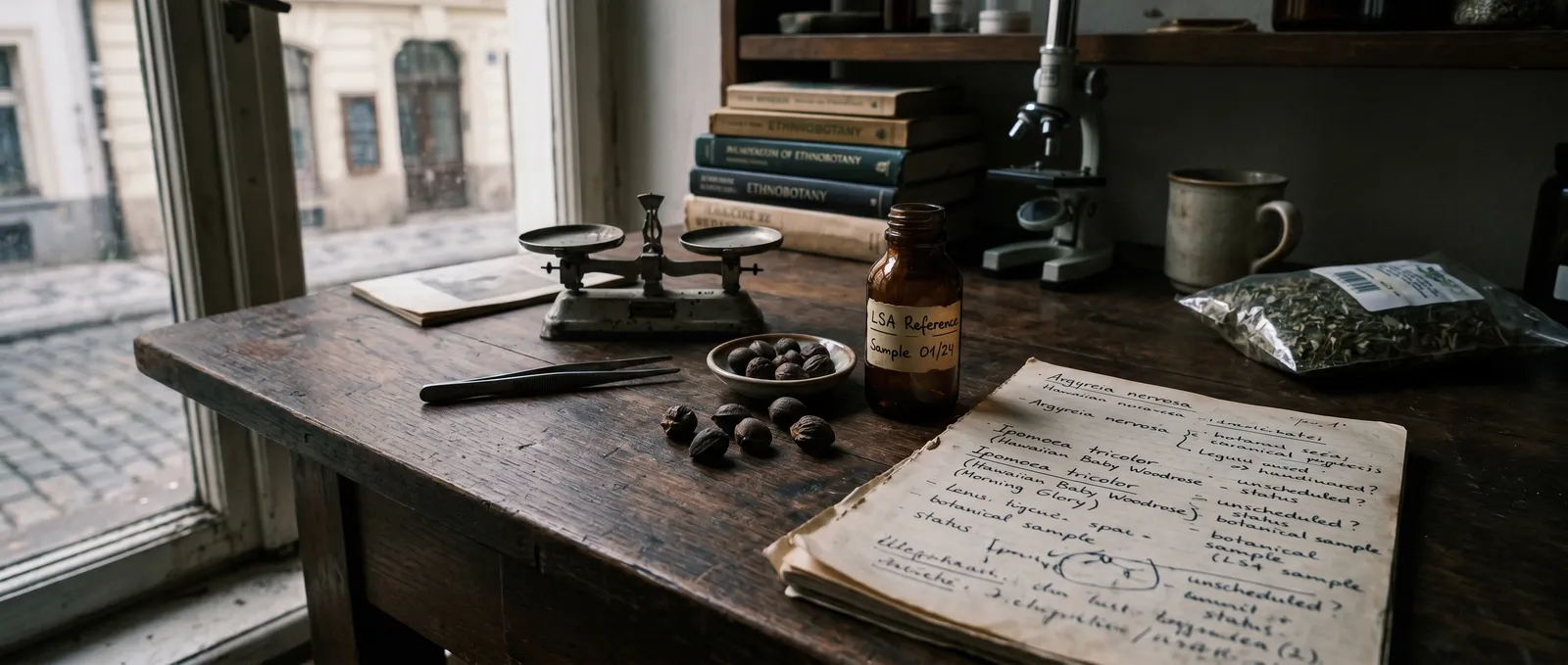
LSA Legal Status in Europe
LSA (lysergic acid amide, or ergine) occupies a legal grey zone across Europe — rarely scheduled as a compound, yet subject to varied NPS legislation that…
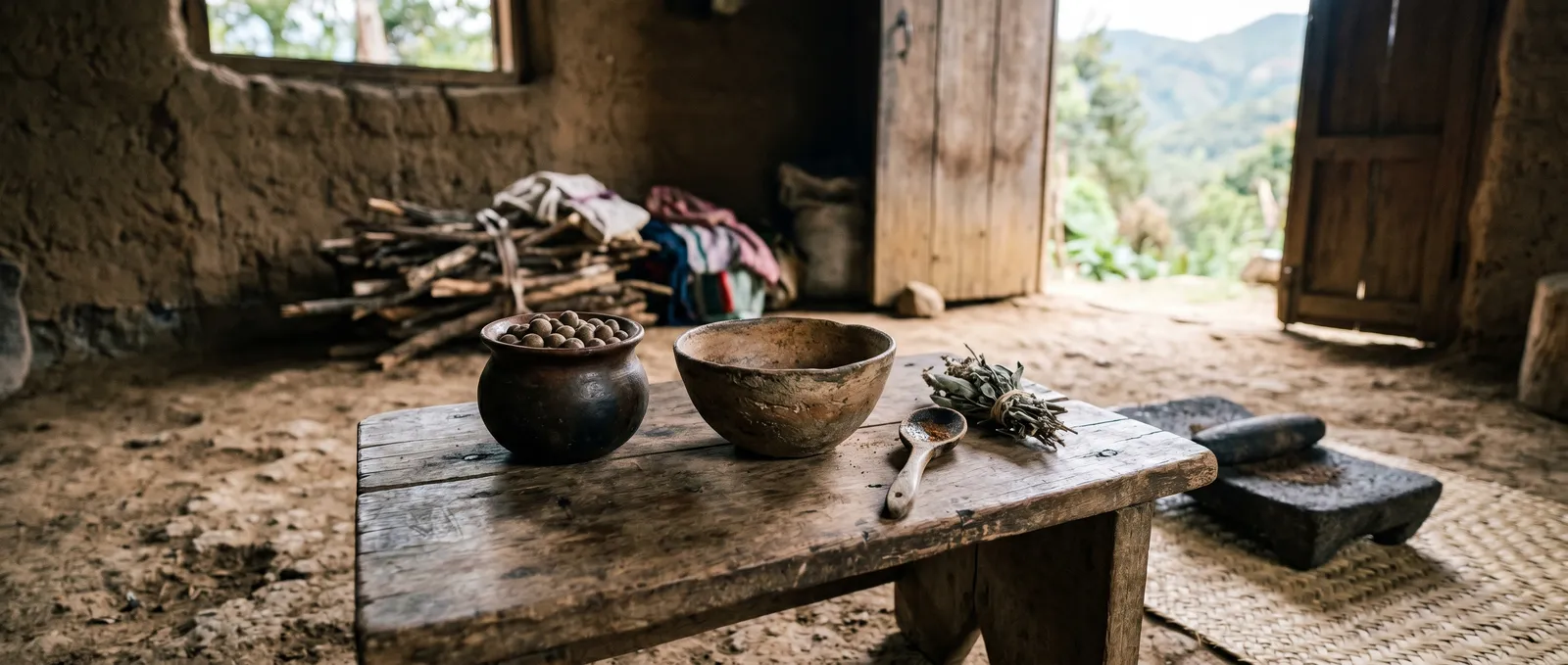
Ololiuqui Mazatec Tradition: Ceremonial Seeds of the Sierra Mazateca
Ololiuqui — the seeds of Turbina corymbosa — played a specific ceremonial role among the Mazatec people of Oaxaca, distinct from their better-known use of…
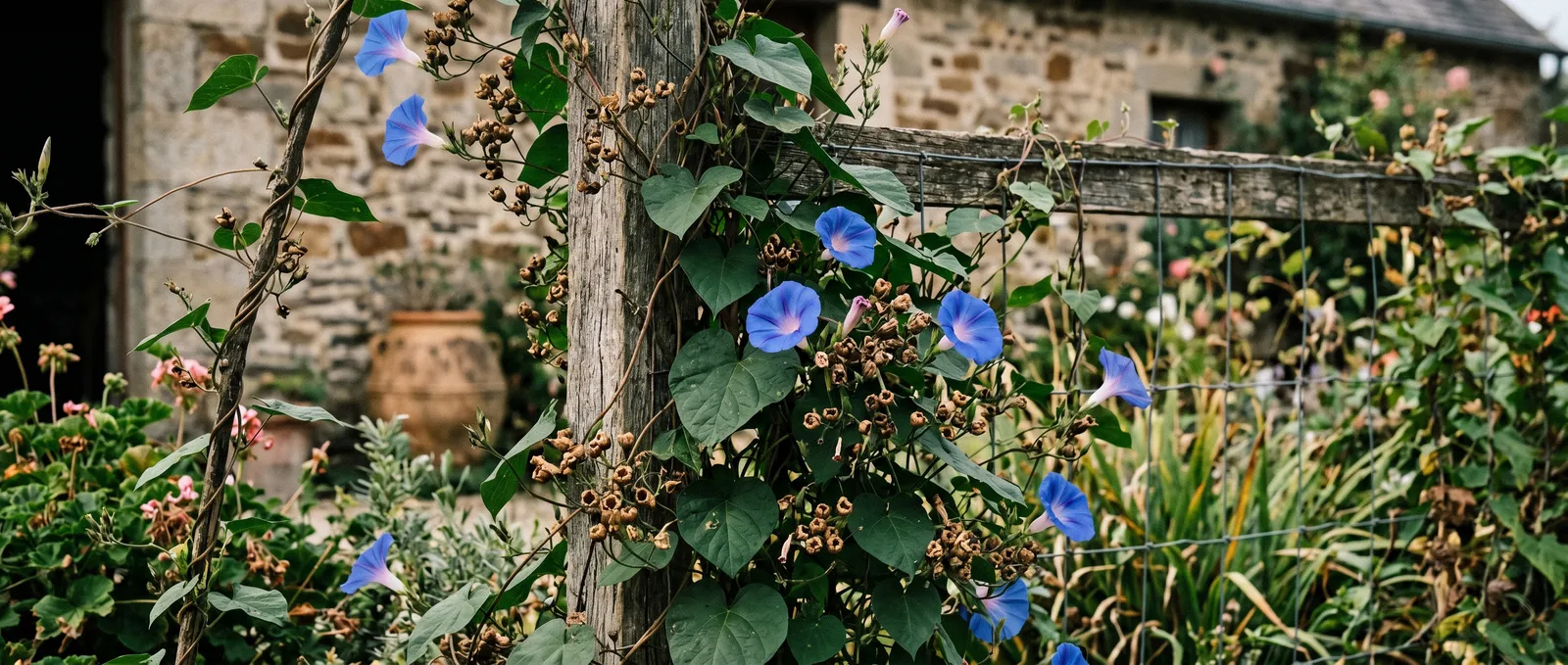
Morning Glory LSA Plants Family
Morning glory LSA plants family is a group of Convolvulaceae vines whose seeds contain d-lysergic acid amide (ergine), a naturally occurring tryptamine first…
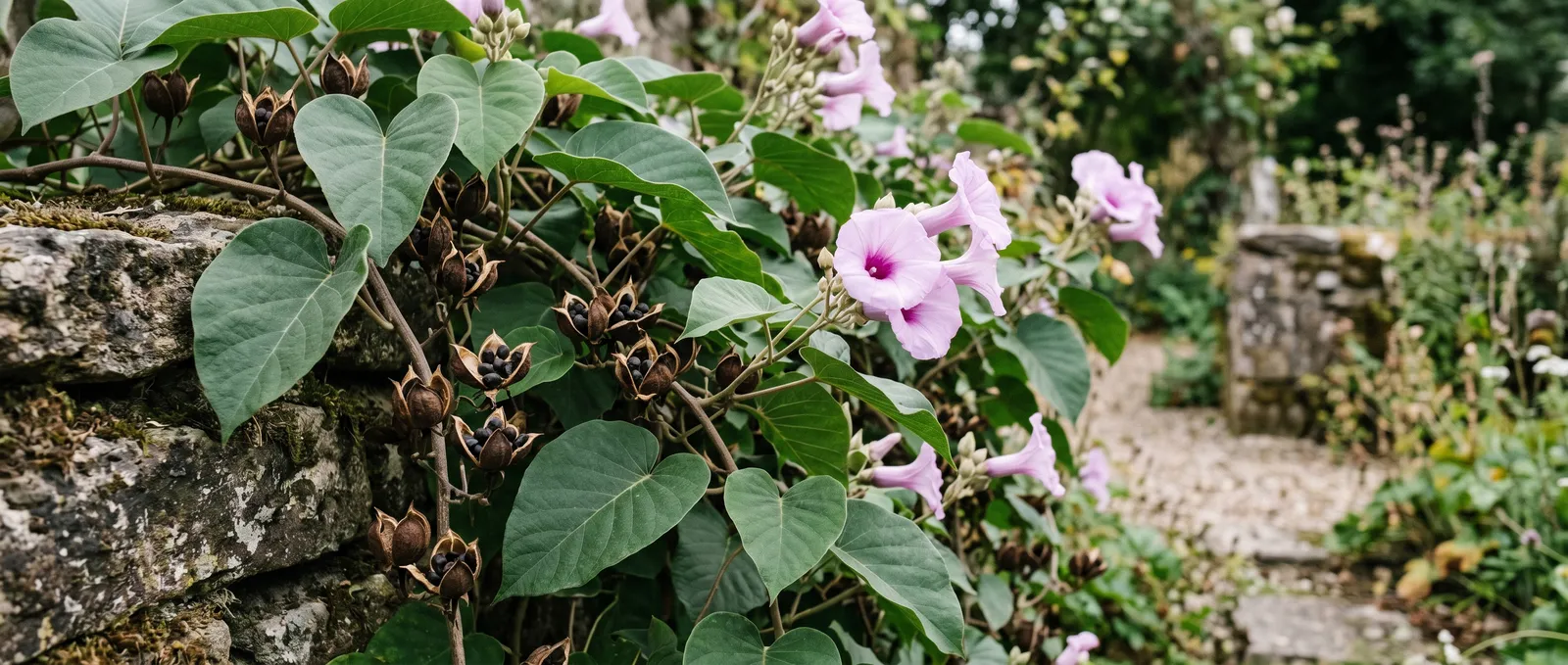
Hawaiian Baby Woodrose Plant Botany
Argyreia nervosa, commonly called Hawaiian baby woodrose, is a perennial climbing vine native to the Indian subcontinent, not Hawai'i.
Magic Truffle Quality Indicators
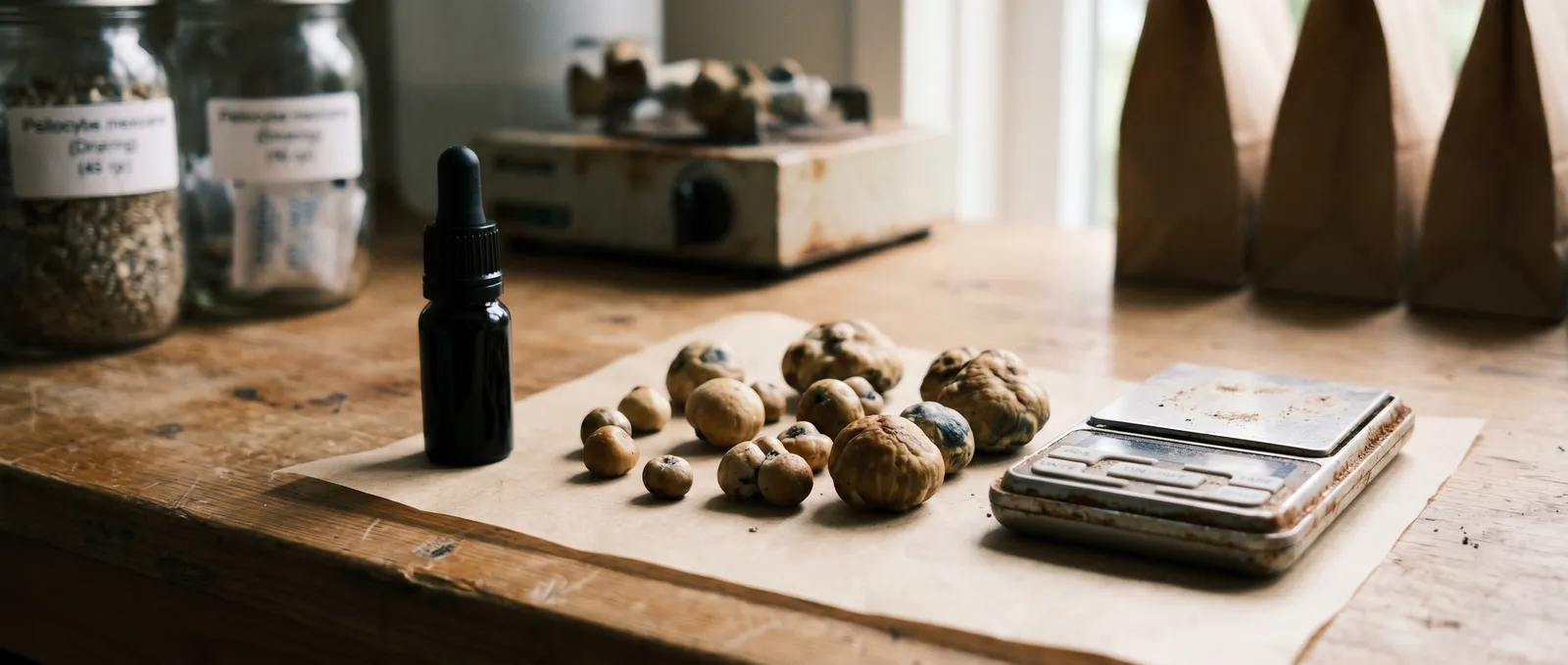
Magic truffle quality indicators are the measurable and sensory characteristics — psilocybin content, texture, aroma, packaging integrity, and storage…

Mescaline Cactus Market Observations
Mescaline cactus market observations is a research and retail term that describes the shifting patterns in sourcing, species selection, and consumption of…
Growing Mescaline Cacti as Ornamental Plants
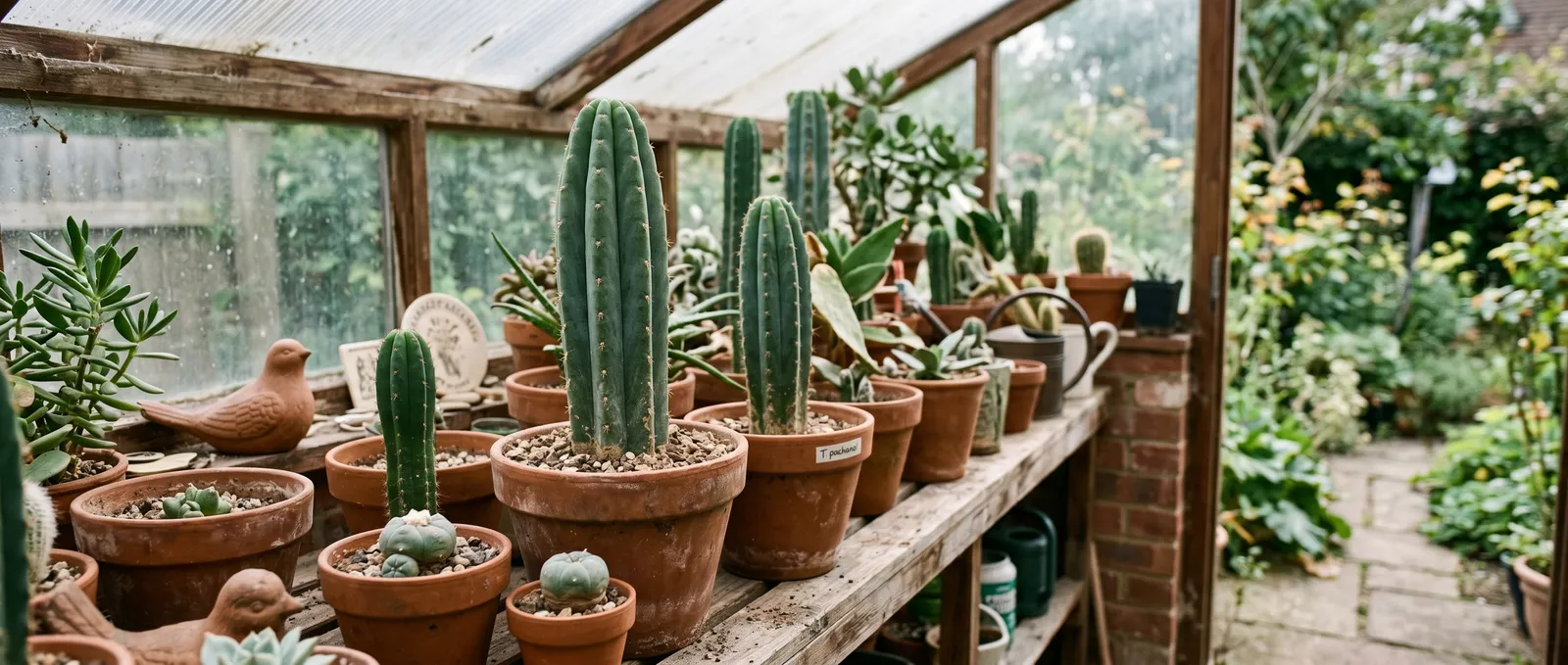
Growing mescaline cacti ornamental is a horticultural practice that involves cultivating species like San Pedro, Peruvian Torch, and peyote for their…
Commercial Magic Truffle Cultivation
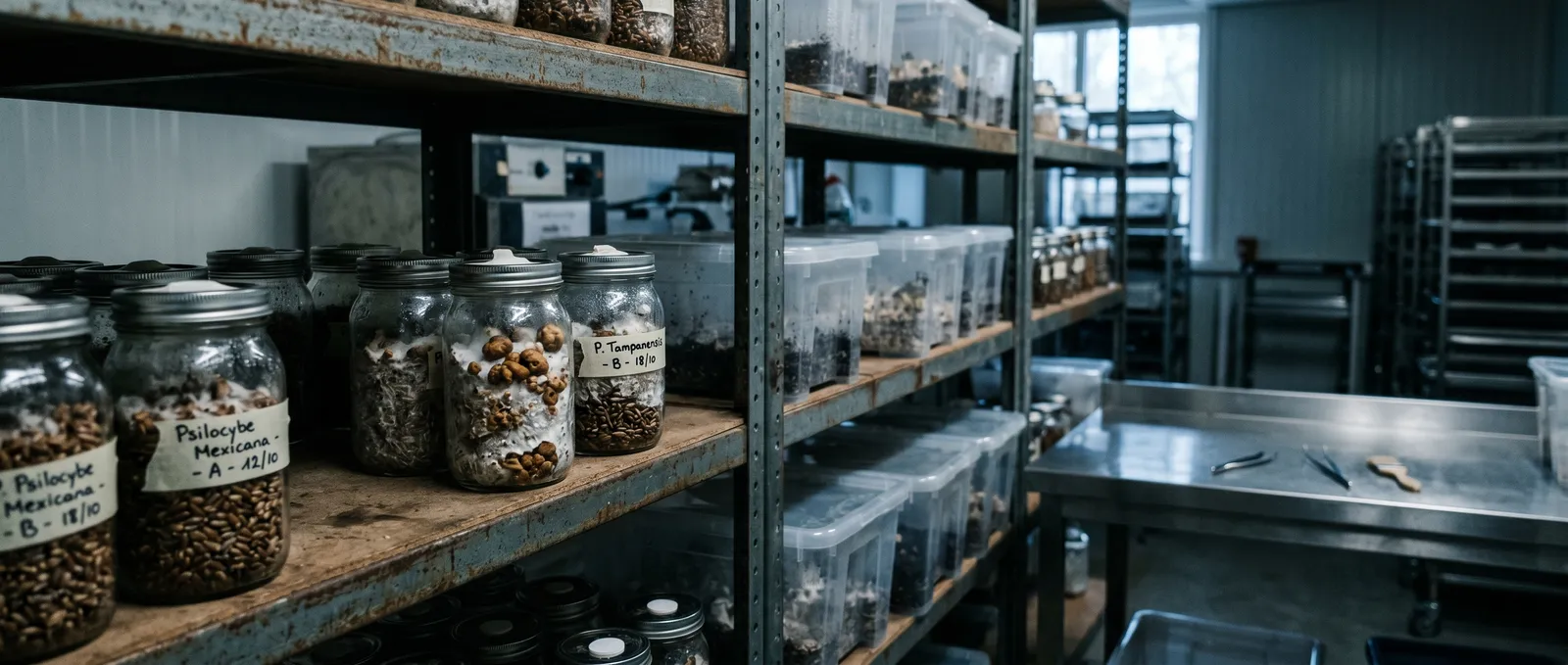
Commercial magic truffle cultivation is a large-scale agricultural process that produces psilocybin-containing sclerotia in climate-controlled indoor…