
This article discusses psychoactive substances intended for adults (18+). If you have a health condition or take medication, consult a doctor before use. Our age policy
First Psychedelic Experience Guide

Definition
A first psychedelic experience guide covers the practical steps needed to reduce harm and increase the chance of a positive outcome when using a classical psychedelic for the first time. It spans preparation, dose selection, set and setting, session management, and integration — grounded in clinical research and real-world harm-reduction practice.
A first psychedelic session preparation guide is a structured set of preparation steps, safety practices, and integration strategies designed to reduce harm and increase the likelihood of a positive outcome when using a classical psychedelic substance for the first time. The difference between a meaningful first journey and a deeply uncomfortable one almost always comes down to what you did — or didn't do — before you swallowed anything.
Adult audience (18+). The dosing ranges and effects described in this article apply to adult physiology. This content is not intended for minors.
Step 1: Understand What You Are Taking
Classical psychedelics work primarily by binding to serotonin 5-HT2A receptors in the prefrontal cortex, temporarily disrupting the default mode network — the brain system responsible for your ordinary sense of self. According to a 2023 review in Neuropsychopharmacology, this receptor activation triggers downstream changes in neural connectivity that produce altered perception, emotional shifts, and the dissolution of habitual thought patterns (Vollenweider & Preller, 2020). The three most commonly encountered classical psychedelics are psilocybin (in truffles and mushrooms), LSD, and mescaline.
Psilocybin is a prodrug: your liver converts it to psilocin, which is the molecule that actually does the work. Onset on an empty stomach is typically 30–60 minutes, with peak effects around 90–120 minutes and a total duration of 4–6 hours. LSD has a longer timeline — 8–12 hours from start to finish, with onset around 30–90 minutes. These are not interchangeable in terms of commitment. A psilocybin session fits into an afternoon. An LSD session is a full-day affair. For anyone using this first psychedelic session preparation guide, the shorter duration of psilocybin-containing truffles makes them a more forgiving choice if things get uncomfortable — you know it will end sooner.
Read the dedicated wiki articles on whichever substance you're considering. The psilocybin pharmacology article and the truffle dosage guide in this wiki are worth your time.
Step 2: Check Your Health and Medications
A thorough health and medication check is the most important non-negotiable safety step because certain medications interact dangerously with classical psychedelics. SSRIs and SNRIs can blunt or unpredictably alter effects. Lithium combined with psychedelics has been associated with seizures in case reports. MAOIs — including those found in ayahuasca brews and some antidepressants — dramatically amplify serotonergic activity and can trigger serotonin syndrome, a potentially life-threatening condition. A 2022 analysis published in Psychopharmacology documented that psychotropic medications can both blunt and amplify psychedelic effects in ways that are difficult to predict without clinical supervision (Malcolm & Thomas, 2022). For the full breakdown of specific drug-drug interactions, see the Psychedelic Drug Interactions article in this wiki.
Personal and family history of psychotic disorders (schizophrenia, bipolar I with psychotic features) is a firm contraindication. The Johns Hopkins psilocybin research programme, which has run some of the most rigorous clinical trials to date, excludes participants with first- or second-degree relatives who have these diagnoses (Johnson et al., 2018). The EMCDDA risk assessment framework similarly flags personal or familial psychosis history as a primary exclusion criterion. Heart conditions also warrant caution — psychedelics can temporarily raise blood pressure and heart rate.
If you are currently on any psychiatric medication, do not simply stop taking it to use a psychedelic. Abrupt discontinuation of SSRIs or benzodiazepines carries its own serious risks. This is a situation where you genuinely need professional medical input, not internet advice.
Step 3: Choose Your Dose Conservatively
A conservative starting dose is the single most effective way to reduce the risk of an overwhelming session. This finding is confirmed across every major survey on the topic. A 2017 survey of 1,993 individuals published in the Journal of Psychopharmacology found that higher doses were significantly correlated with challenging sessions, including intense fear, grief, and physical distress (Carbonaro et al., 2016). The same study noted that 39% of respondents rated their challenging session among the top five most difficult of their lifetime.
For psilocybin-containing truffles, clinical research has typically used psilocybin doses equivalent to roughly 10–15g of fresh truffles for a moderate session. You can buy psilocybin truffles from Azarius in beginner-friendly varieties like Mexicana and Tampanensis, which tend to sit at the gentler end of the potency spectrum. For dried psilocybin mushrooms grown from a mushroom grow kit, published clinical protocols commonly use 1–2.5g (dried weight) for moderate to strong effects. Individual sensitivity varies — body weight plays a smaller role than most people assume, while personal neurochemistry and psychological state matter more. Any reliable first psychedelic session preparation guide will tell you the same thing: start at the lower end of a moderate range, not the upper end. You can always go further next time. You cannot un-take a dose.
Avoid redosing. If you feel nothing after 45 minutes, wait. Onset can take up to 90 minutes depending on stomach contents. Stacking a second dose on top of a delayed first dose is how people end up with far more intensity than they wanted.
Step 4: Set and Setting Are Not Optional
Set and setting are the two strongest predictors of session outcome after dose, according to a 2018 study in Psychopharmacology (Haijen et al., 2018). The concept, formalised by Timothy Leary in the 1960s and supported by Beckley Foundation research programmes, refers to your mindset (set) and your physical and social environment (setting). No amount of reading a first psychedelic session preparation guide will compensate for getting these wrong.

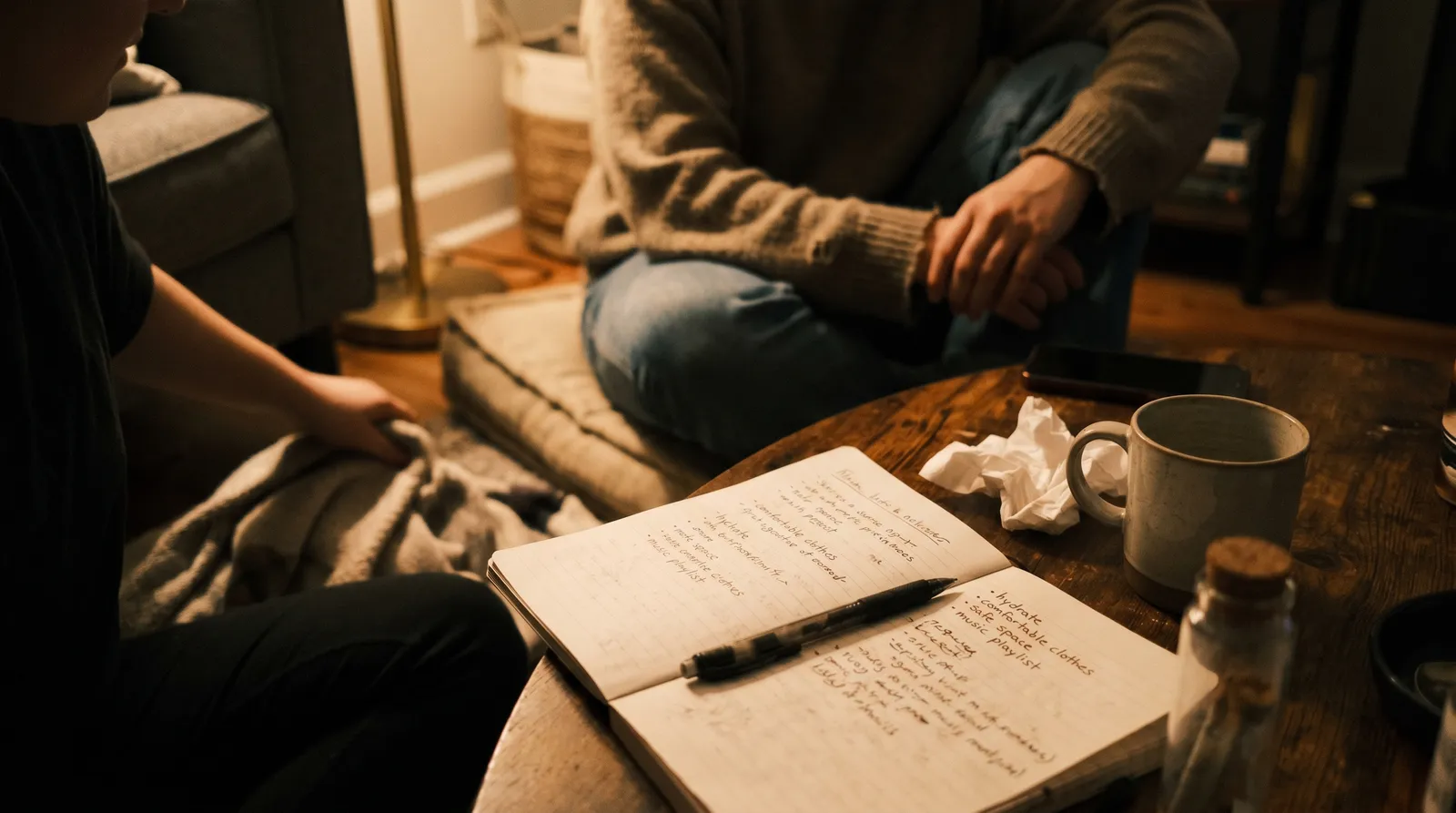
Set: Your mental state going in. Are you anxious, grieving, sleep-deprived, or in the middle of a personal crisis? These don't automatically mean you'll have a bad time, but they increase the probability of difficult material surfacing. Clinical programmes spend hours on psychological preparation before dosing sessions — you should spend at least a few days reflecting on your intentions, expectations, and current emotional state. Write them down. Not because it's mystical, but because it forces clarity.
Setting: Choose somewhere physically safe, comfortable, and familiar. Your own home is usually best. Remove sharp objects, lock doors that lead outside, and make sure the space is clean and warm. Have water, fruit, and blankets within reach. Nature is wonderful for the come-down, but for the peak of a first session, being indoors with easy access to a bathroom and a comfortable place to lie down is practical. Avoid public spaces, parties, and festivals for your first time — sensory overload from crowds and noise can quickly tip a session from interesting to overwhelming.
Step 5: Have a Sober Sitter
A sober, trusted person present during your session is the single most effective harm-reduction measure after dose control. This person doesn't need to be a therapist. They need to be calm, patient, and willing to sit quietly for several hours. Their job is not to entertain you or guide your session — it's to be a grounding presence if you become confused or frightened, and to handle practical things like refilling water or adjusting the temperature.
Brief your sitter beforehand. They should know: what you've taken, the expected duration, that difficult emotional states are normal and temporary, and that their role is to reassure rather than intervene. According to the practitioner guidelines published in the Journal of Humanistic Psychology (2021), the most helpful response to someone struggling during a session is calm presence and simple phrases like "you're safe" and "this will pass" — not attempts to analyse or redirect the session. Physical touch should only happen if the person explicitly asks for it.
If no sitter is available, at minimum tell someone you trust what you're doing and when you expect to be finished, so they can check in.
Step 6: Prepare the Practical Details
About an hour of practical preparation on the day of your session prevents most of the avoidable discomforts people report. The morning of your session, eat a light meal 2–3 hours before dosing — enough to avoid nausea from an empty stomach, not so much that absorption is delayed. Nausea is common with psilocybin, particularly in the first 30–60 minutes. Having ginger tea on hand can help; a 2014 meta-analysis in Nutrition Reviews found ginger effective for nausea across multiple contexts (Lete & Allué, 2016). You can order ginger supplements from Azarius or pick up ginger candies — anything with real ginger rather than ginger flavouring.
Prepare a playlist in advance. The Johns Hopkins psilocybin research group uses carefully curated music — mostly instrumental, without lyrics — running roughly 6 hours. Music has been shown to significantly shape the emotional arc of a session. Research from Imperial College London (Kaelen et al., 2018) found that the emotional resonance of music during psilocybin sessions predicted both the intensity of the session and long-term well-being outcomes. Avoid anything with aggressive energy or strong personal associations that might steer your mood unpredictably.
Other practical items: an eye mask (lying down with eyes covered tends to deepen the internal journey), a journal for afterwards, comfortable clothing, and a phone set to aeroplane mode. Notifications from your boss mid-session are exactly as disruptive as you'd imagine.
Session Day Checklist
| Item | Purpose | When Needed |
|---|---|---|
| Light meal | Reduces nausea, supports absorption | 2–3 hours before dosing |
| Ginger tea or ginger supplements | Anti-nausea support | 30 minutes before and during onset |
| Instrumental playlist (5–7 hours) | Shapes emotional arc of session | From dosing through comedown |
| Eye mask | Deepens internal focus | During peak |
| Water and light snacks (fruit, nuts) | Hydration and gentle nourishment | Throughout and after |
| Blankets and comfortable clothing | Temperature regulation and comfort | Throughout |
| Journal and pen | Post-session reflection | Comedown and next day |
| Phone on aeroplane mode | Eliminates disruptive notifications | From dosing onward |
| Sober sitter briefed and present | Safety and grounding | Entire session |
Step 7: During the Session — Let Go
Surrendering to the session rather than fighting it is the most consistent predictor of a positive outcome, according to clinical data spanning decades. The 2016 Johns Hopkins "Good Friday" follow-up study found that participants who reported "letting go" during challenging moments were significantly more likely to rate the overall session as personally meaningful and spiritually significant, even decades later (Griffiths et al., 2016).

Difficult moments — anxiety, sadness, confusion, body tremors, a sense of ego dissolution — are common and not inherently dangerous. A 2011 survey published in Journal of Psychopharmacology found that 84% of participants who reported challenging psilocybin sessions still rated them as personally beneficial in retrospect (Barrett et al., 2016). Resistance — trying to maintain control, fighting the altered state, or panicking — tends to amplify discomfort.
If you feel overwhelmed: change the music, change your position (sit up, lie down, move to a different room), focus on your breathing, or ask your sitter to talk to you. These simple environmental shifts can redirect a session remarkably quickly. Breathing slowly — in for four counts, hold for four, out for six — activates parasympathetic tone and reduces acute anxiety. It sounds basic because it is. It also works.
Step 8: The Comedown and Aftercare
The comedown typically begins 4–6 hours after ingestion for psilocybin and 8–12 hours for LSD, bringing a gradual return to baseline that most people describe as gentle and reflective. Eat something nourishing, drink water, and if weather permits, a short walk outside can feel remarkably good. Don't drive. Residual perceptual shifts and cognitive changes can persist for several hours after the peak has passed.
Sleep may be difficult the first night, particularly with LSD due to its longer duration. This is normal. Having melatonin or a calming herbal tea available can help, though we should be honest: data on their efficacy in this specific context is limited — most evidence comes from general sleep research rather than post-session studies. You can order valerian root supplements and sleep-support herbal teas from Azarius — some customers report them helpful, but the clinical evidence is anecdotal at best.
Step 9: Integration — The Part Most People Skip
Integration is the process of making sense of your session and incorporating any insights into your daily life — and skipping it is the most common waste of a meaningful first session. Clinical psilocybin programmes at Johns Hopkins and Imperial College London include multiple integration sessions after dosing — because the session itself is only half the equation. A 2020 study in PLOS ONE found that participants who engaged in structured integration reported greater sustained improvements in well-being compared to those who did not (Watts et al., 2017).
In the days following your session, write down what you remember — images, emotions, thoughts, bodily sensations. Talk to your sitter or a trusted friend about it. Avoid making major life decisions for at least a week; the afterglow period can produce a sense of clarity that feels absolute but benefits from grounding in ordinary reality before you act on it.
If difficult emotions persist beyond a few days — persistent anxiety, depersonalisation, intrusive thoughts — reach out to a psychedelic integration therapist or a harm-reduction service. These reactions are uncommon but real, and they respond well to professional support. The Psychedelic Integration article in this wiki covers specific techniques and resources.
Comparing Substances for a First Session
Psilocybin truffles are the most commonly recommended substance for a first session because they combine predictable dosing, manageable duration, and extensive clinical safety data. The table below compares the most commonly available options across the factors that matter most for beginners following this first psychedelic session preparation guide.
| Factor | Psilocybin Truffles | Dried Psilocybin Mushrooms | LSD |
|---|---|---|---|
| Duration | 4–6 hours | 4–6 hours | 8–12 hours |
| Onset | 30–60 minutes | 20–60 minutes | 30–90 minutes |
| Dose precision | High (sold by weight) | Moderate (potency varies by strain) | Variable (blotter dosing inconsistent) |
| Nausea risk | Moderate | Moderate to high | Low |
| Beginner suitability | High — shorter, forgiving | Moderate — potency less predictable | Lower — long commitment, no exit |
| Availability at Azarius | Yes — buy psilocybin truffles in multiple varieties | Grow kits available to order | Not sold |
For most people following this first psychedelic session preparation guide, psilocybin truffles offer the best combination of predictable dosing, manageable duration, and a well-documented safety profile. The Beckley Foundation's research collaborations have predominantly used psilocybin for clinical studies, in part because the shorter duration allows for more controlled session management.
How This Guide Compares to Clinical Protocols
Clinical psilocybin programmes follow a structured arc of screening, preparation, dosing, and integration that typically spans weeks and involves trained facilitators. Programmes run by Johns Hopkins, Imperial College London, and the Beckley Foundation include medical screening, multiple preparatory therapy sessions, and two trained facilitators present during dosing. The MAPS protocol for MDMA-assisted therapy (a related but distinct framework) includes three preparatory sessions before any substance is administered. The EMCDDA's harm-reduction guidelines similarly emphasise that professional supervision substantially reduces the likelihood of adverse outcomes. What you can replicate at home: conservative dosing, a sober sitter, a controlled environment, and structured integration. What you cannot replicate: medical screening equipment, professional psychological support during the session, and the safety net of an on-site medical team.
We are honest about this gap because pretending a wiki article equals a clinical programme would be irresponsible. What this first psychedelic session preparation guide does offer is a practical framework that captures the most impactful variables — dose, set, setting, sitter, integration — in a format you can actually use. For further reading, the Set and Setting article and the Psilocybin Truffles guide in this wiki expand on the topics covered here.
Common Mistakes
The most common mistakes that lead to difficult first sessions are redosing too early, mixing substances, and skipping a sober sitter — errors that appear consistently in harm-reduction surveys and our own two decades of customer conversations.
- Redosing too early. Patience. Wait at least 90 minutes before concluding "it's not working."
- Mixing substances. Cannabis in particular can dramatically intensify and destabilise a psychedelic session. Alcohol dulls the session and increases nausea. For your first time, keep it clean — one substance only.
- No sitter, public setting, high dose. Pick any two of these and you've got a recipe for a crisis call. Pick all three and you're a cautionary tale.
- Ignoring medication interactions. SSRIs don't just "cancel out" psychedelics — they can create unpredictable and occasionally dangerous interactions. See the Psychedelic Drug Interactions article.
- Skipping integration. A powerful session without reflection tends to fade into a weird memory rather than producing lasting change.
- Buying from unverified sources. If you buy psilocybin truffles, get them from a reputable supplier with lab-tested products. Knowing exactly what you're taking and at what potency is foundational to safe dosing. You can order psilocybin truffles from Azarius with clearly labelled potency levels.
Psilocybin Truffles Versus Mushroom Grow Kits for Beginners
Psilocybin truffles are generally the better choice for a first session because they arrive ready to use with consistent, lab-verified potency per package. When you buy psilocybin truffles from Azarius, each pack lists the variety and weight, which makes dose calculation straightforward — you weigh out what you need and eat it. Mushroom grow kits, which you can also order from Azarius, produce dried mushrooms whose potency varies by flush, growing conditions, and strain. That variability is manageable for someone with a few sessions under their belt, but for a first psychedelic session preparation guide aimed at beginners, the predictability of truffles wins.
There is also a practical timing difference. Truffles arrive ready to consume. A mushroom grow kit requires 1–3 weeks of growing time before you harvest, dry, and weigh your material. If you're the planning type who enjoys the cultivation process, grow kits are a rewarding project — but they add steps and variables that a first-timer doesn't need. The Mushroom Grow Kit guide in this wiki walks through the full process if you decide to go that route later.
What This Guide Cannot Do
No written guide can replicate the safety of a supervised clinical setting with trained facilitators, medical screening, and on-site support. This first psychedelic session preparation guide compiles the best available evidence and practical wisdom, but it cannot account for your individual neurochemistry, undiagnosed conditions, or the unpredictable nature of any psychoactive substance. We are honest about this limitation because pretending otherwise would be irresponsible. If you have any doubt about your physical or mental health readiness, consult a medical professional before proceeding. The EMCDDA and Beckley Foundation both publish accessible resources on risk factors that are worth reviewing alongside this guide.
Last updated: April 2026
Frequently Asked Questions
10 questionsCan SSRIs or antidepressants affect a first psychedelic session?
How long should I wait before redosing if I feel nothing?
What should a sober sitter do during a difficult moment?
Is it normal to feel anxious or sad during a psychedelic session?
Why is integration important after a first psychedelic session?
Which substance is best for a first psychedelic session?
How long does a first psilocybin truffle session actually last?
Can I eat before taking psychedelics for the first time?
Should I eat before a first psychedelic session?
How long does a typical psilocybin experience last?
About this article


Adam Parsons is an external cannabis and psychedelics writer and editor who contributes to Azarius's wiki as both author and reviewer. On the writing side, he authors Azarius's kratom and kanna clusters, drawing on exten
This wiki article was drafted with AI assistance and reviewed by Adam Parsons, External contributor. Editorial oversight by Joshua Askew.
Medical disclaimer. This content is for informational purposes only and does not constitute medical advice. Consult a qualified healthcare provider before use of any substance.
Last reviewed April 18, 2026
References (10)
- [1]Barrett, F.S. et al. (2016). Classic hallucinogens and mystical experiences: phenomenology and neural correlates. Journal of Psychopharmacology , 30(12), 1182–1190.
- [2]Carbonaro, T.M. et al. (2016). Survey study of challenging experiences after ingesting psilocybin mushrooms. Journal of Psychopharmacology , 30(12), 1268–1278.
- [3]Griffiths, R.R. et al. (2016). Psilocybin produces substantial and sustained decreases in depression and anxiety in patients with life-threatening cancer. Journal of Psychopharmacology , 30(12), 1181–1197.
- [4]Haijen, E.C.H.M. et al. (2018). Predicting responses to psychedelics: a prospective study. Frontiers in Pharmacology , 9, 897.
- [5]Johnson, M.W. et al. (2018). Classic psychedelics: An integrative review of epidemiology, therapeutics, mystical experience, and brain network function. Pharmacology & Therapeutics , 197, pp. 83–102.
- [6]Kaelen et al. (2018). [reference pending verification]
- [7]Lete et al. (2016). [reference pending verification]
- [8]Malcolm, B.J. & Thomas, K. (2022). Serotonin toxicity of serotonergic psychedelics. Psychopharmacology , 239, 1881–1891.
- [9]Vollenweider et al. (2020). [reference pending verification]
- [10]Watts et al. (2017). [reference pending verification]
Related Articles
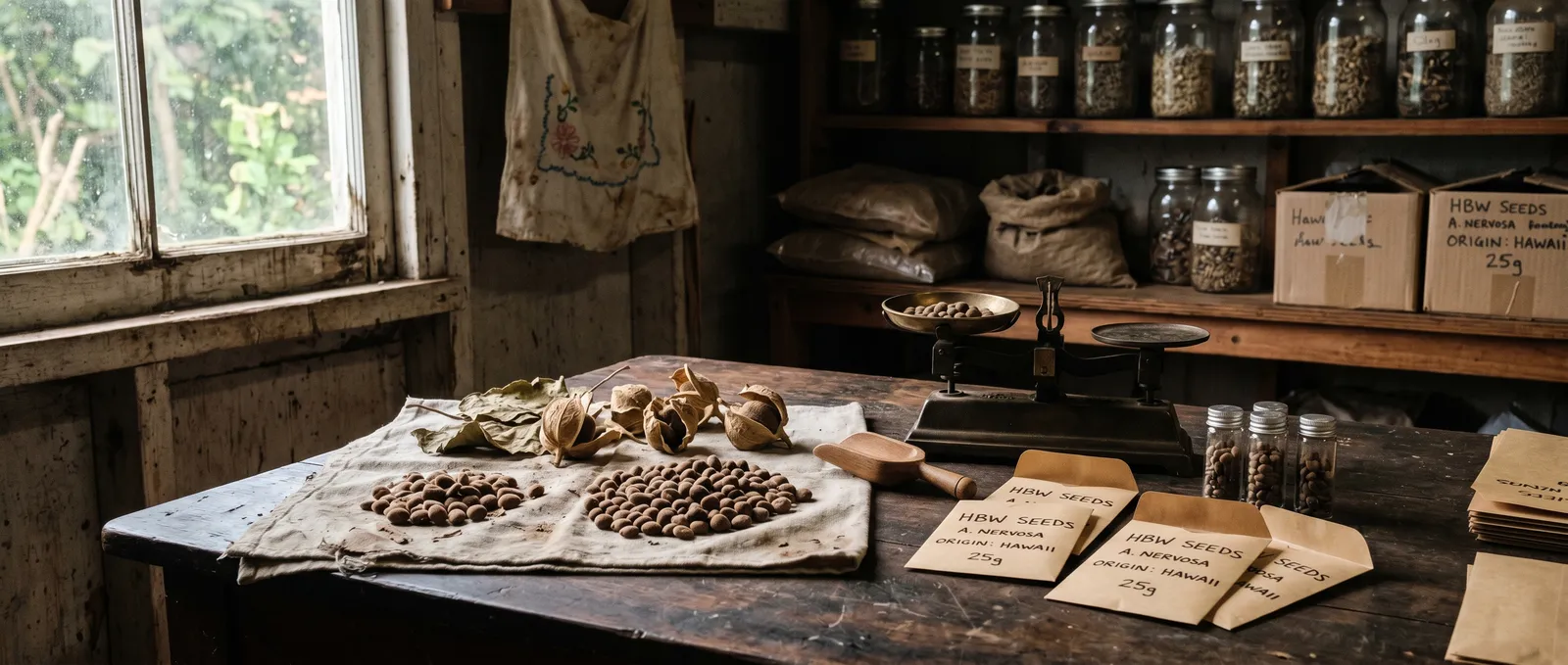
Hawaiian Baby Woodrose Sourcing
Hawaiian baby woodrose sourcing is a practice that covers how to obtain quality Argyreia nervosa seeds — a vine whose seeds contain LSA (lysergic acid amide).
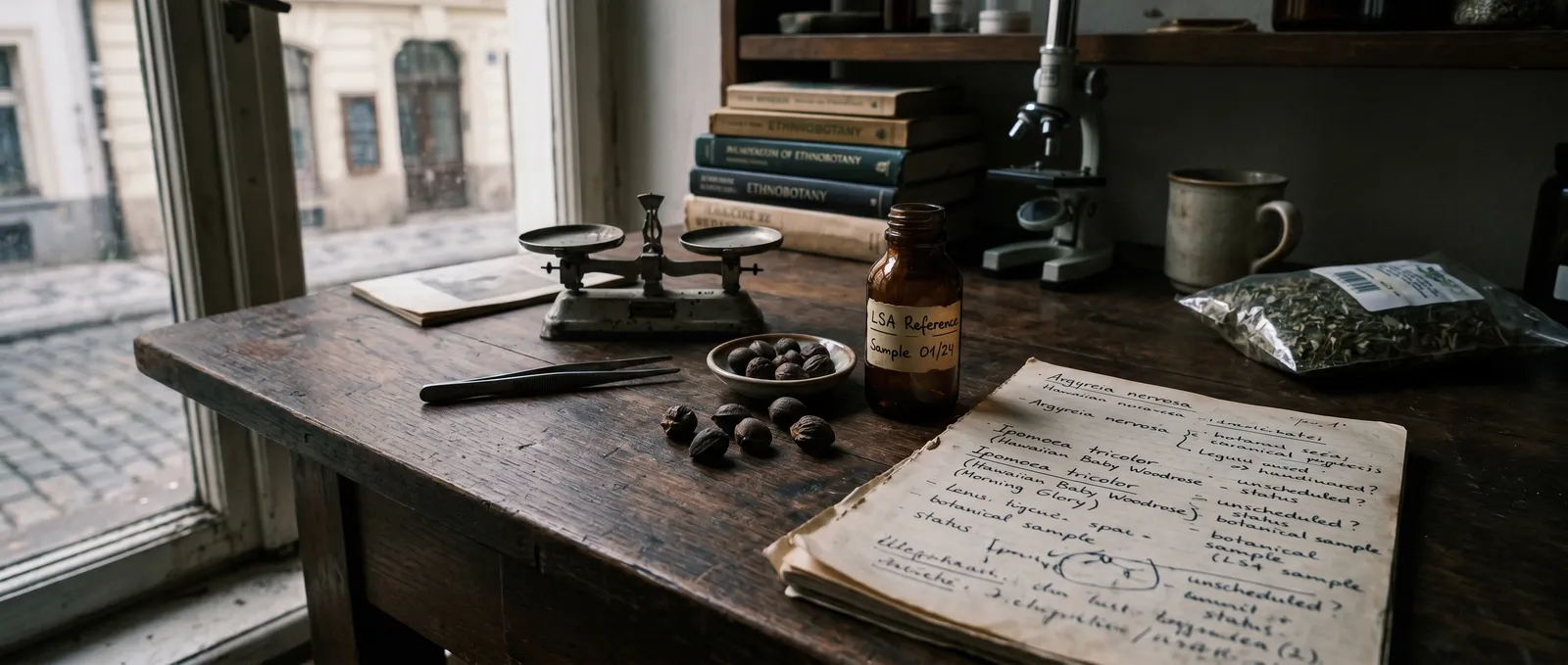
LSA Legal Status in Europe
LSA (lysergic acid amide, or ergine) occupies a legal grey zone across Europe — rarely scheduled as a compound, yet subject to varied NPS legislation that…
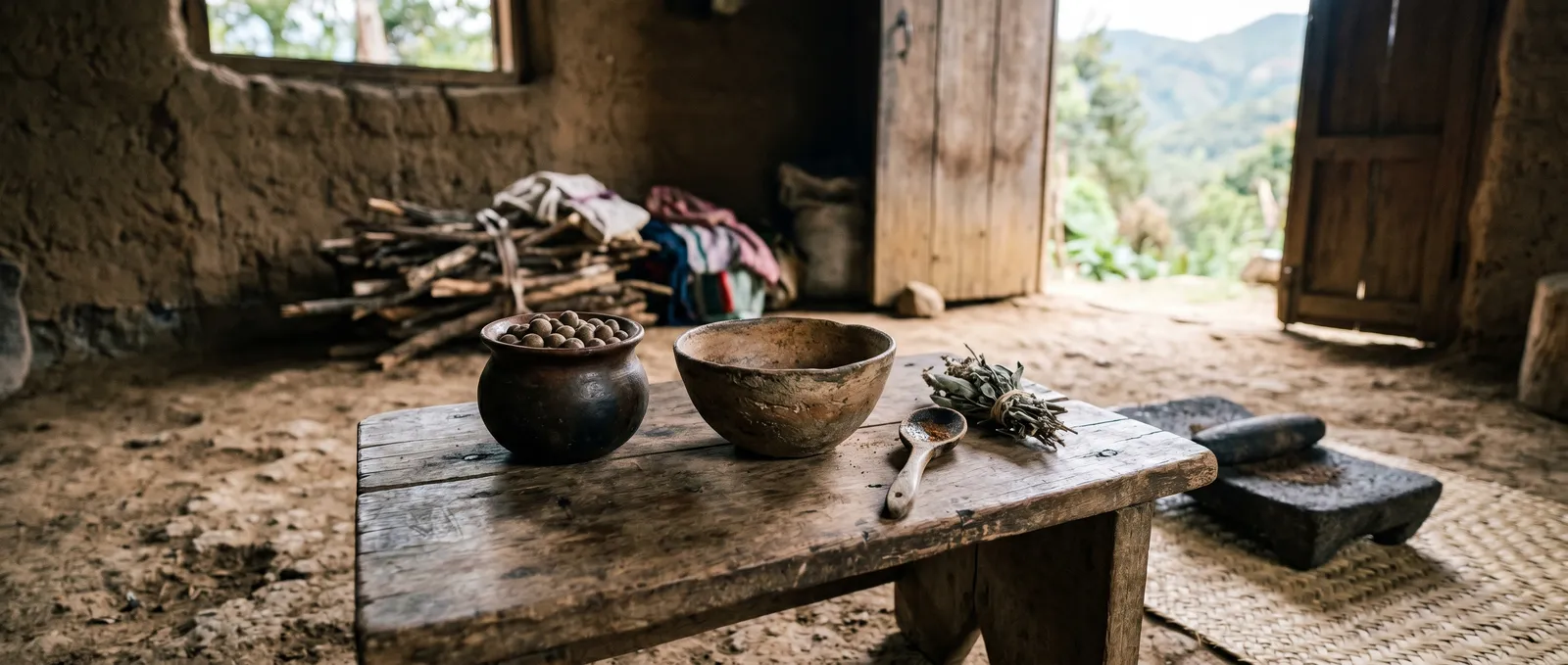
Ololiuqui Mazatec Tradition: Ceremonial Seeds of the Sierra Mazateca
Ololiuqui — the seeds of Turbina corymbosa — played a specific ceremonial role among the Mazatec people of Oaxaca, distinct from their better-known use of…
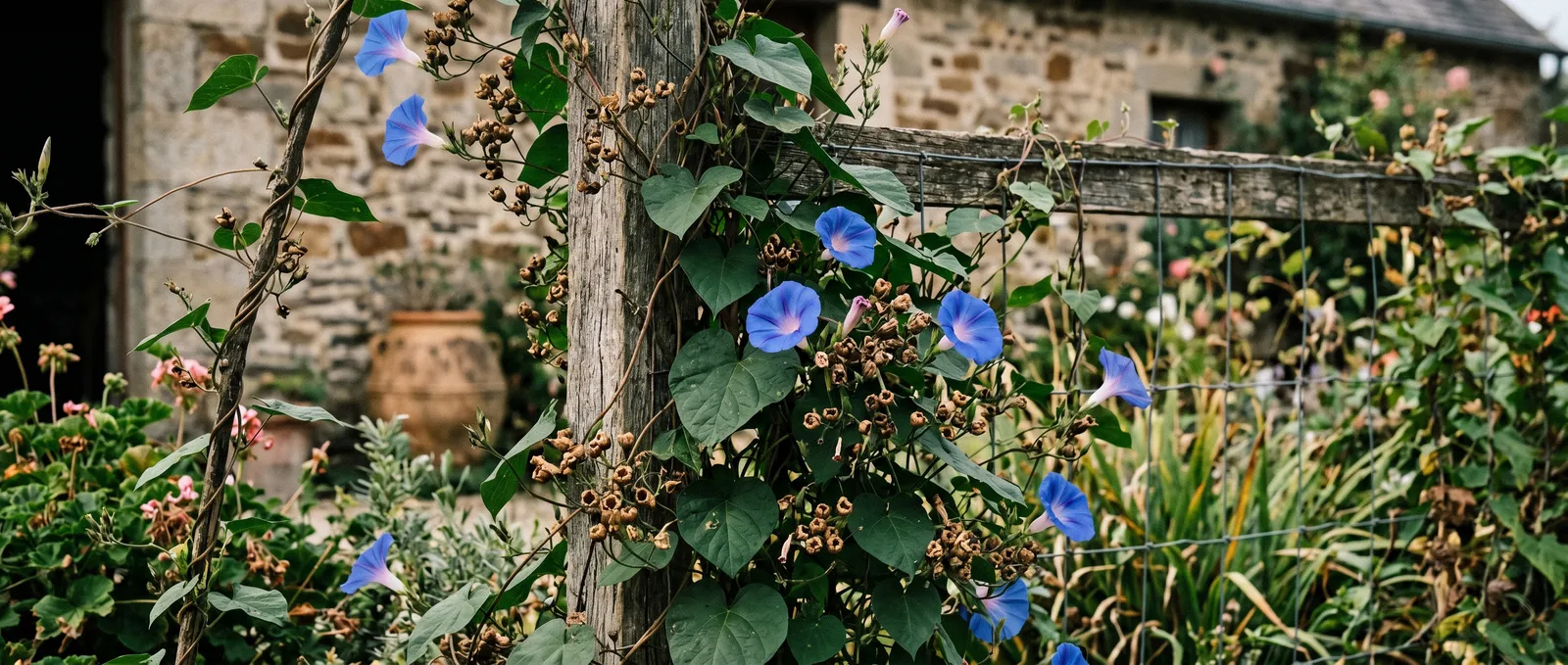
Morning Glory LSA Plants Family
Morning glory LSA plants family is a group of Convolvulaceae vines whose seeds contain d-lysergic acid amide (ergine), a naturally occurring tryptamine first…
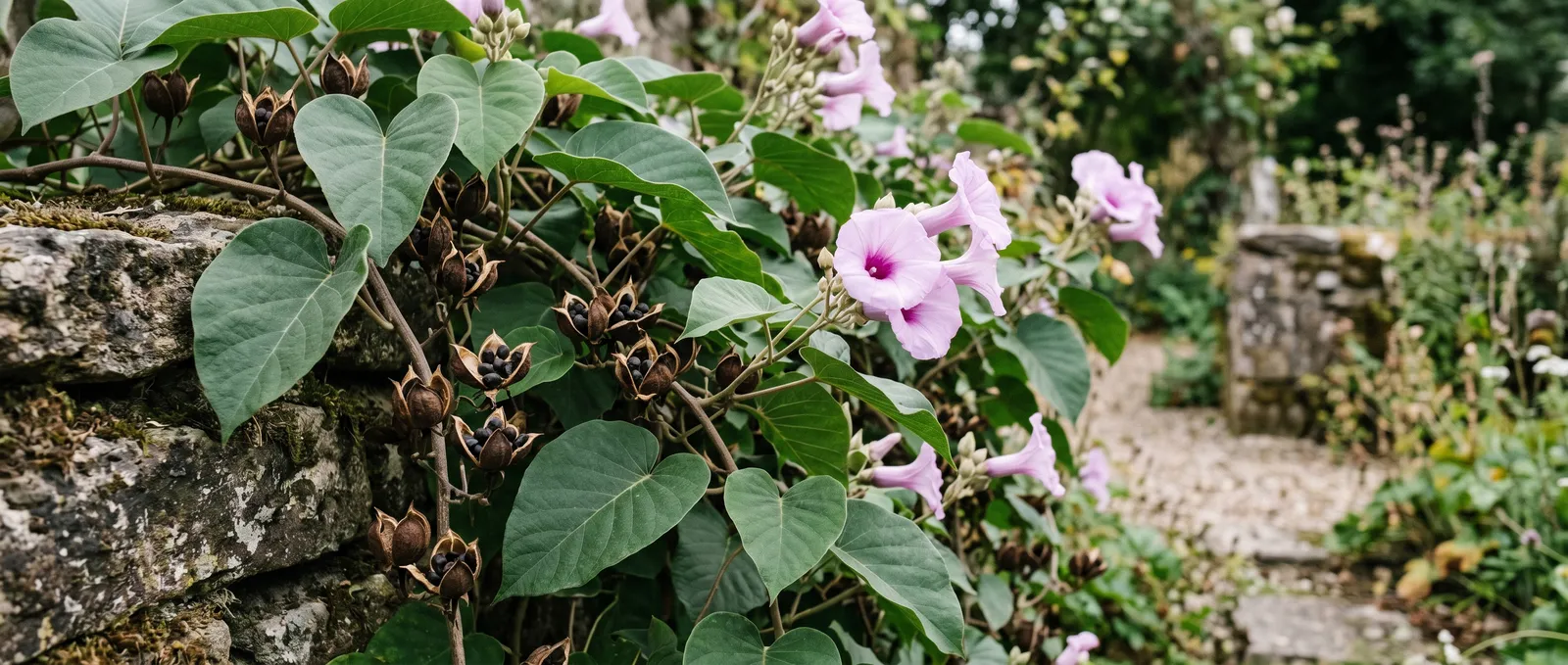
Hawaiian Baby Woodrose Plant Botany
Argyreia nervosa, commonly called Hawaiian baby woodrose, is a perennial climbing vine native to the Indian subcontinent, not Hawai'i.
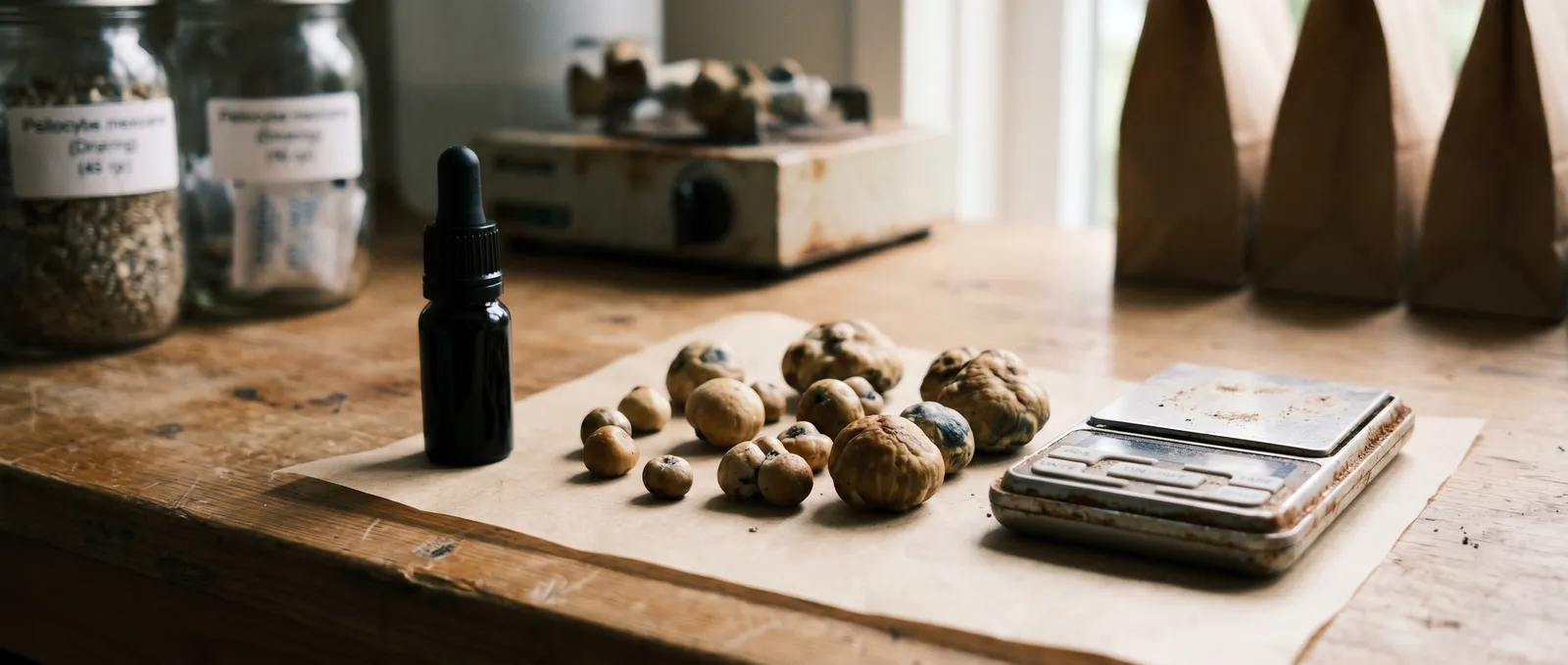
Magic Truffle Quality Indicators
Magic truffle quality indicators are the measurable and sensory characteristics — psilocybin content, texture, aroma, packaging integrity, and storage…

Mescaline Cactus Market Observations
Mescaline cactus market observations is a research and retail term that describes the shifting patterns in sourcing, species selection, and consumption of…
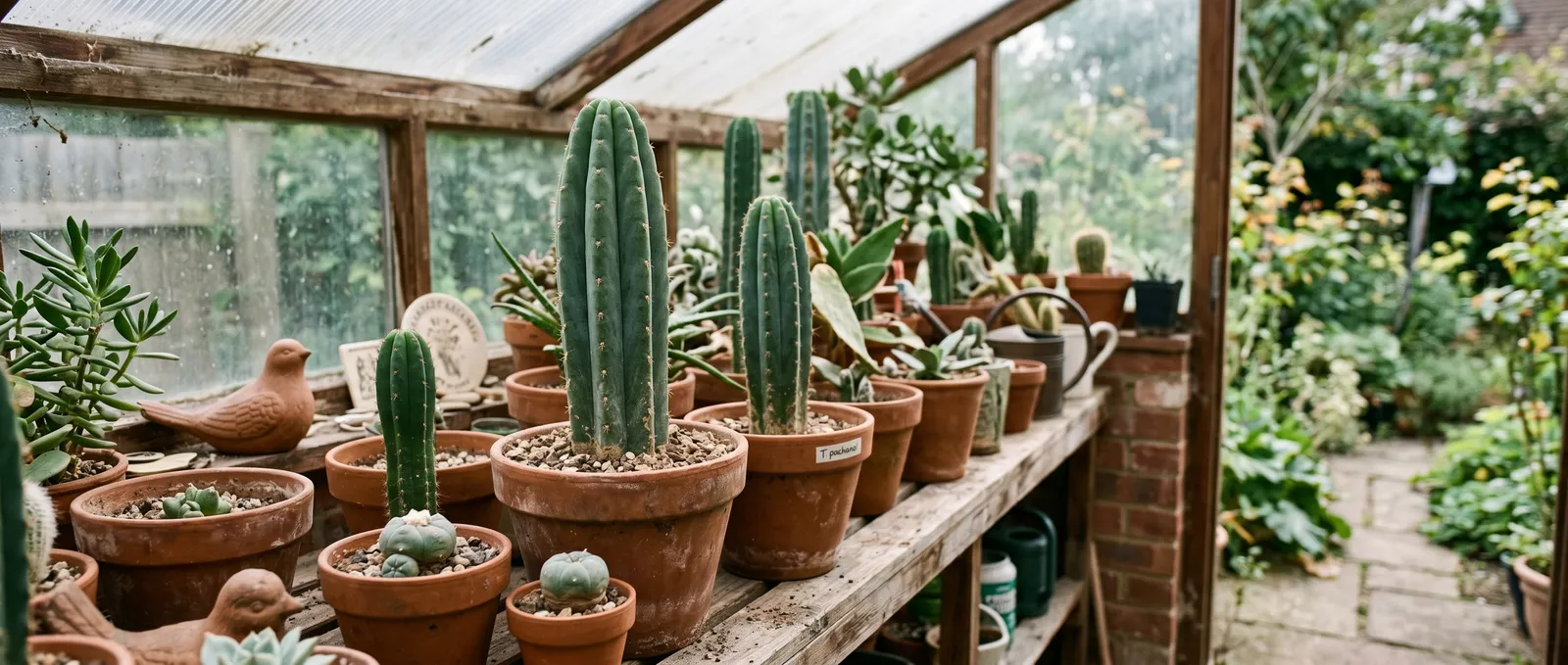
Growing Mescaline Cacti as Ornamental Plants
Growing mescaline cacti ornamental is a horticultural practice that involves cultivating species like San Pedro, Peruvian Torch, and peyote for their…
Commercial Magic Truffle Cultivation
Commercial magic truffle cultivation is a large-scale agricultural process that produces psilocybin-containing sclerotia in climate-controlled indoor…