
Gravity Bongs Explained: How They Work and Why
Definition
A gravity bong uses water displacement to pull concentrated smoke into a chamber, then forces it into your lungs under positive pressure. Research shows these devices deliver two to three times the smoke volume of a standard hit (Meacham et al., 2022), with no water filtration — making them among the most intense combustion methods available.
What Is a Gravity Bong, Exactly?
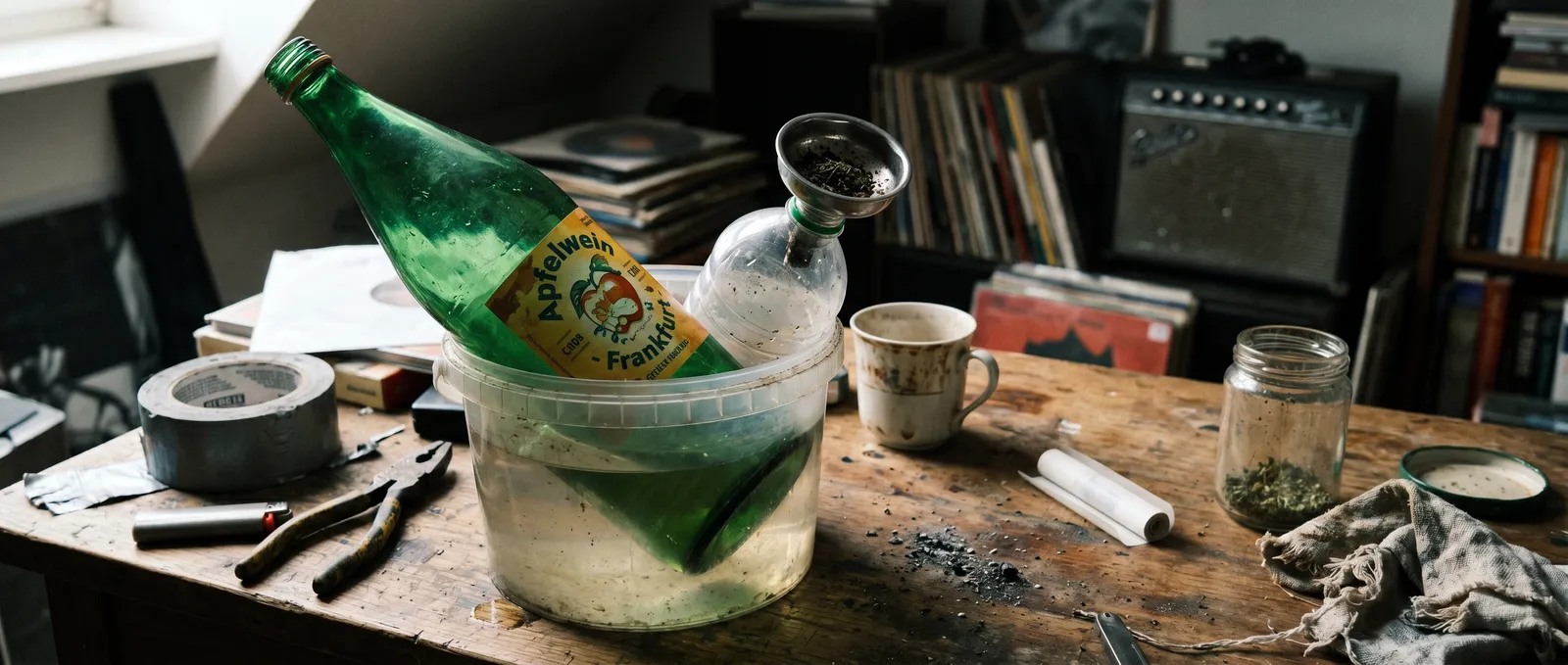
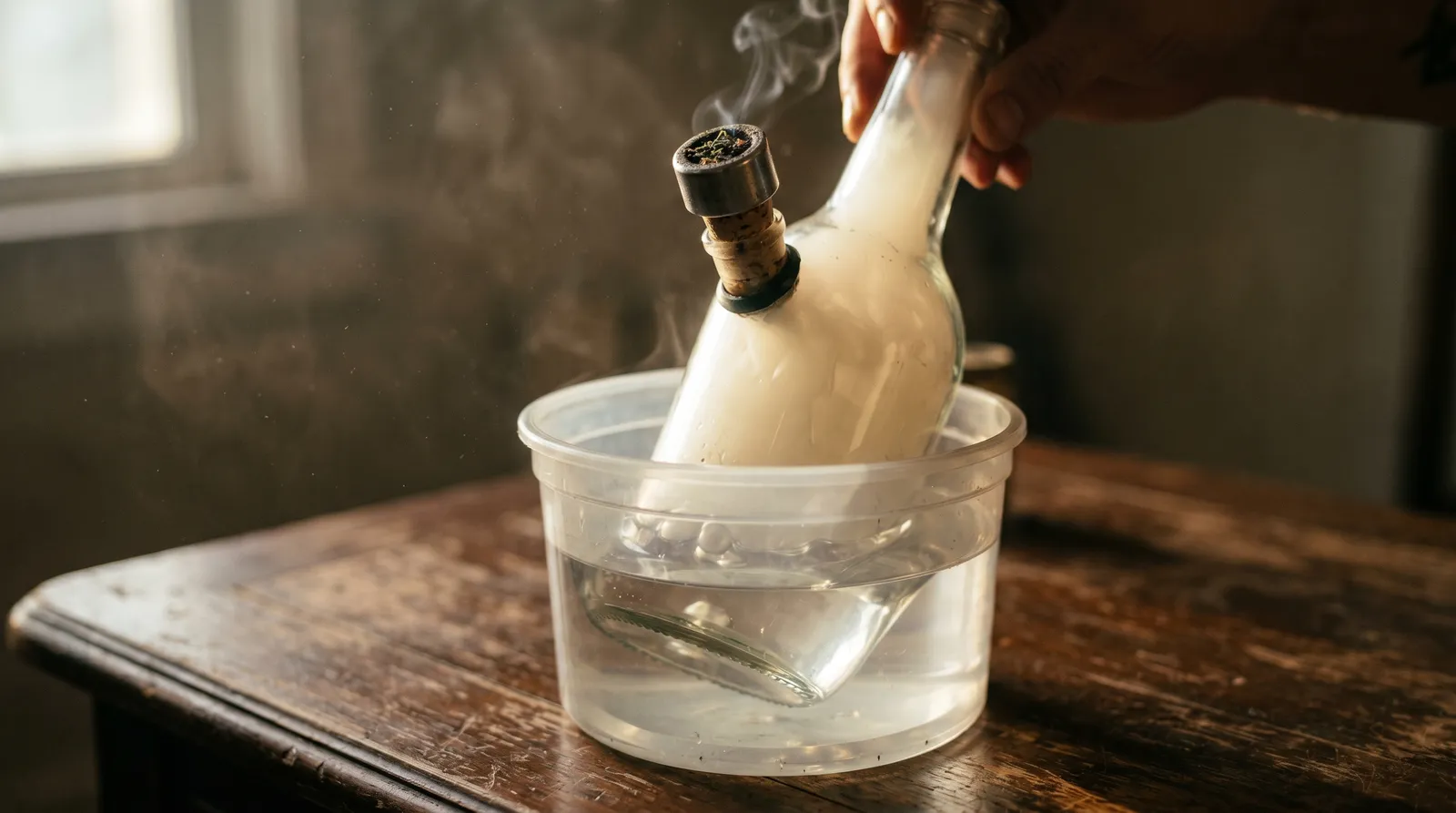
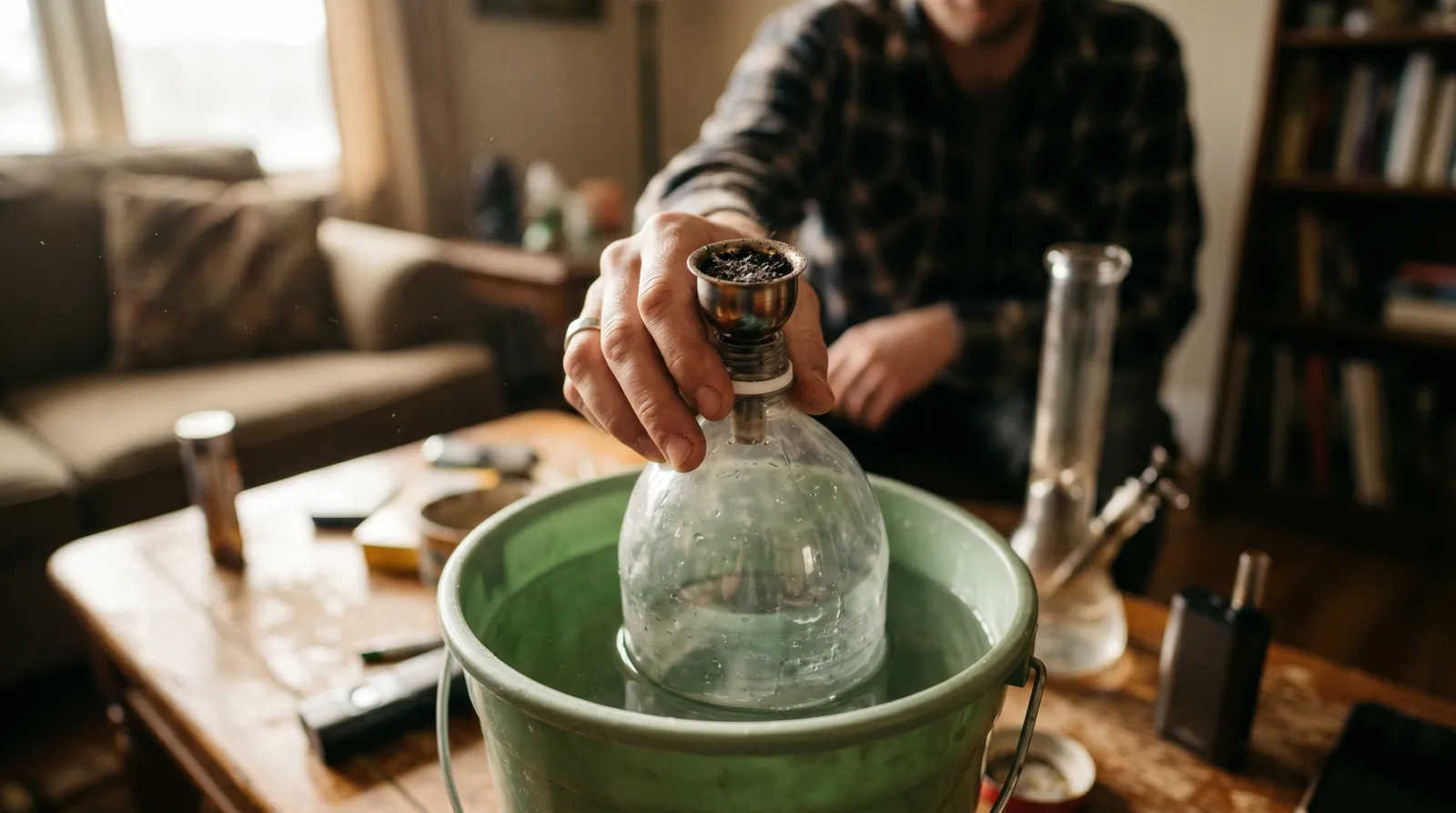
Gravity bongs are smoking devices that use water displacement and air pressure to draw smoke into a chamber, then force that concentrated volume into your lungs in a single hit. Unlike a standard water pipe, the water in a gravity bong doesn't filter the smoke — it acts as a piston. You submerge a bottle or chamber in water, light herb in a bowl on top, and slowly lift the chamber. As it rises, the vacuum created by falling water pulls air through the burning bowl, filling the chamber with dense smoke. Push the chamber back down (or release it), and the water pressure drives the smoke out through the mouthpiece and into you.
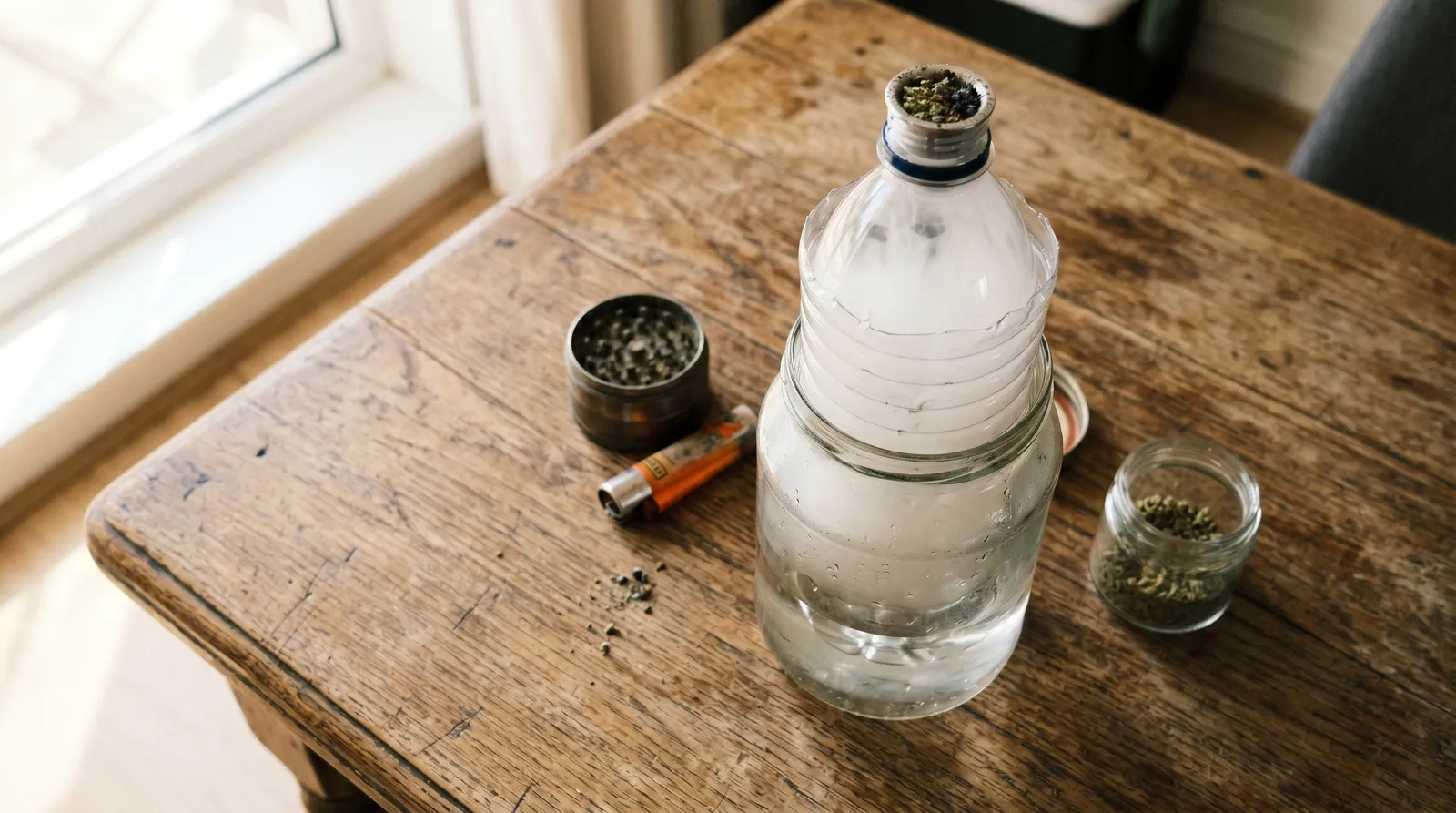
That's the core mechanic. Every variation — bucket, waterfall, commercial glass models — is just a different engineering take on the same principle. If you want to buy a gravity bong rather than improvise one, manufactured glass versions from brands like Studenglass or Grav offer repeatable performance and inert materials. The hardware and techniques described below are intended for adults aged 18 and over.
How Does Water Displacement Create Such Dense Smoke?
Water displacement creates dense smoke because the rising chamber acts like a giant syringe, pulling air exclusively through burning herb with zero dilution. When you pull a syringe plunger back, the expanding space inside creates negative pressure that draws liquid in. Gravity bongs do the same thing with air. The rising chamber increases the internal volume, and since the only air inlet is the bowl, all incoming air passes through the burning herb. The result is a chamber packed with smoke at roughly atmospheric density — no dilution from side-vents or carb holes.
A standard 1.5-litre bottle, for instance, will fill with approximately 1.5 litres of undiluted smoke. For context, an average bong hit involves inhaling somewhere around 0.5–0.7 litres. So gravity bongs deliver roughly two to three times the smoke volume of a conventional hit, compressed into a single inhalation. A 2022 study published in JAMA Network Open (Meacham et al., 2022) found that the total particulate matter delivered per session varied significantly by device type, with methods that concentrate smoke producing higher per-hit exposure to both active compounds and combustion byproducts.
This is why gravity bongs have a reputation for intensity. It's not magic — it's volume. You're inhaling more smoke in one go than most other methods deliver.
Bucket vs. Waterfall — What's the Difference?
The bucket style keeps water in a reservoir while the waterfall style drains it out entirely — both create vacuum, but through opposite water movements. The two classic designs work on the same physics but handle the water differently.
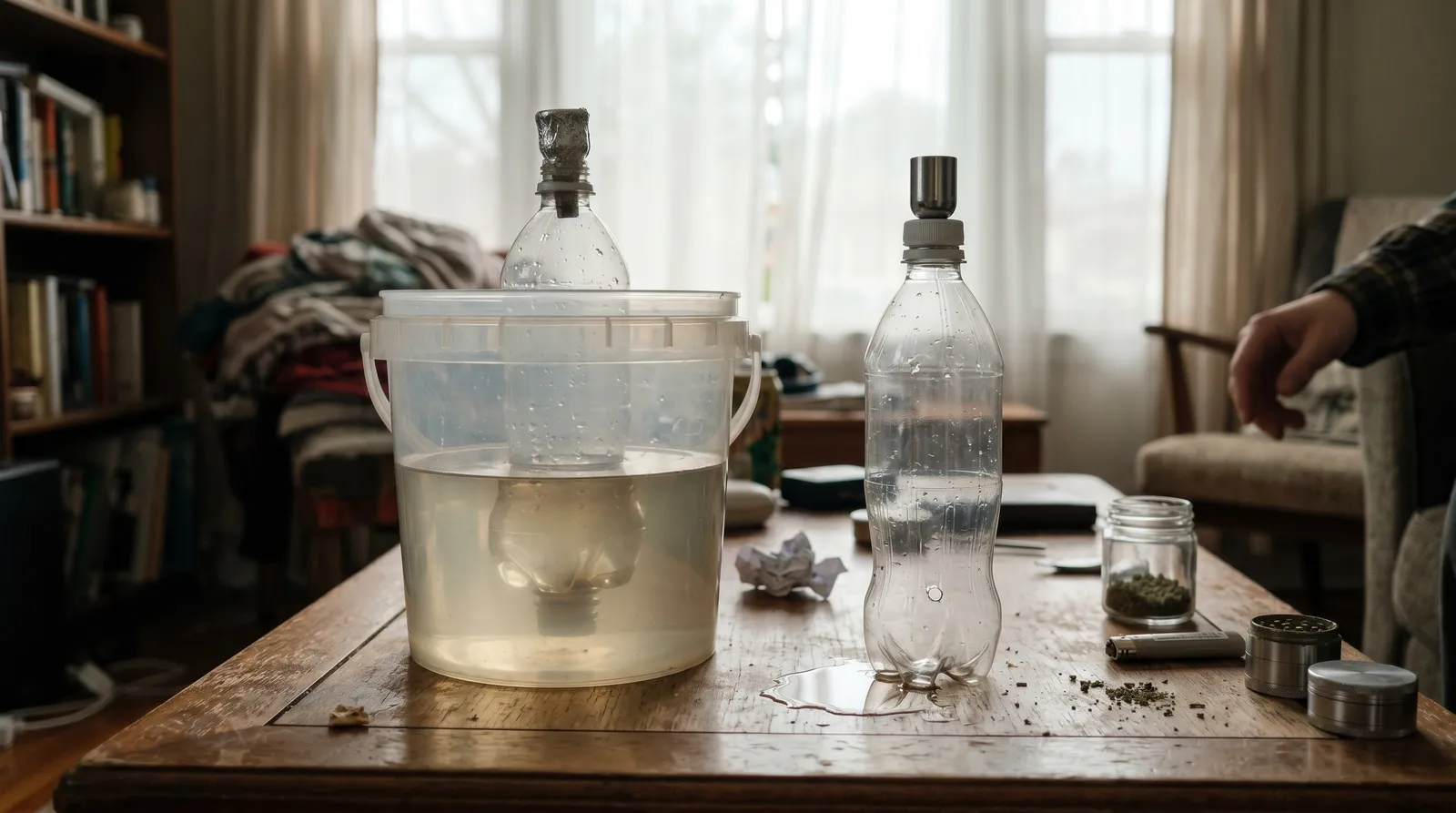
Bucket style: A smaller container (the chamber) sits inside a larger container (the bucket) filled with water. You light the bowl and lift the inner chamber upward. Water falls away from the chamber, creating the vacuum. To inhale, you remove the bowl and push the chamber back down, forcing smoke out the top. This is the most common DIY version — two plastic bottles, one cut in half — and also the design most commercial glass gravity bongs follow.
Waterfall style: A single container with a hole near the base. You fill it with water, seal the hole with a finger, light the bowl on top, then release the hole. Water drains out the bottom, pulling smoke in from above. Once the water is gone, you inhale from the top. Slightly simpler in construction, but messier — you need somewhere for the water to drain.
Functionally, the hit is comparable. The bucket design gives you more control over speed (you decide how fast to lift), while the waterfall is essentially hands-free once you release the drain hole. Most manufactured gravity bongs use the bucket principle because it's self-contained and repeatable without refilling.
Does the Water Actually Filter Anything?
No — the water in a gravity bong provides zero filtration. This is where these devices diverge sharply from standard water pipes. In a conventional bong, smoke bubbles through submerged water before reaching your mouth. That water contact filters out some water-soluble compounds and cools the smoke. Research from the University of Texas (Graves et al., 2020) measured reductions in certain aldehydes and particulate matter when smoke passed through water filtration, though the filtration was partial — not a health safeguard by any stretch.
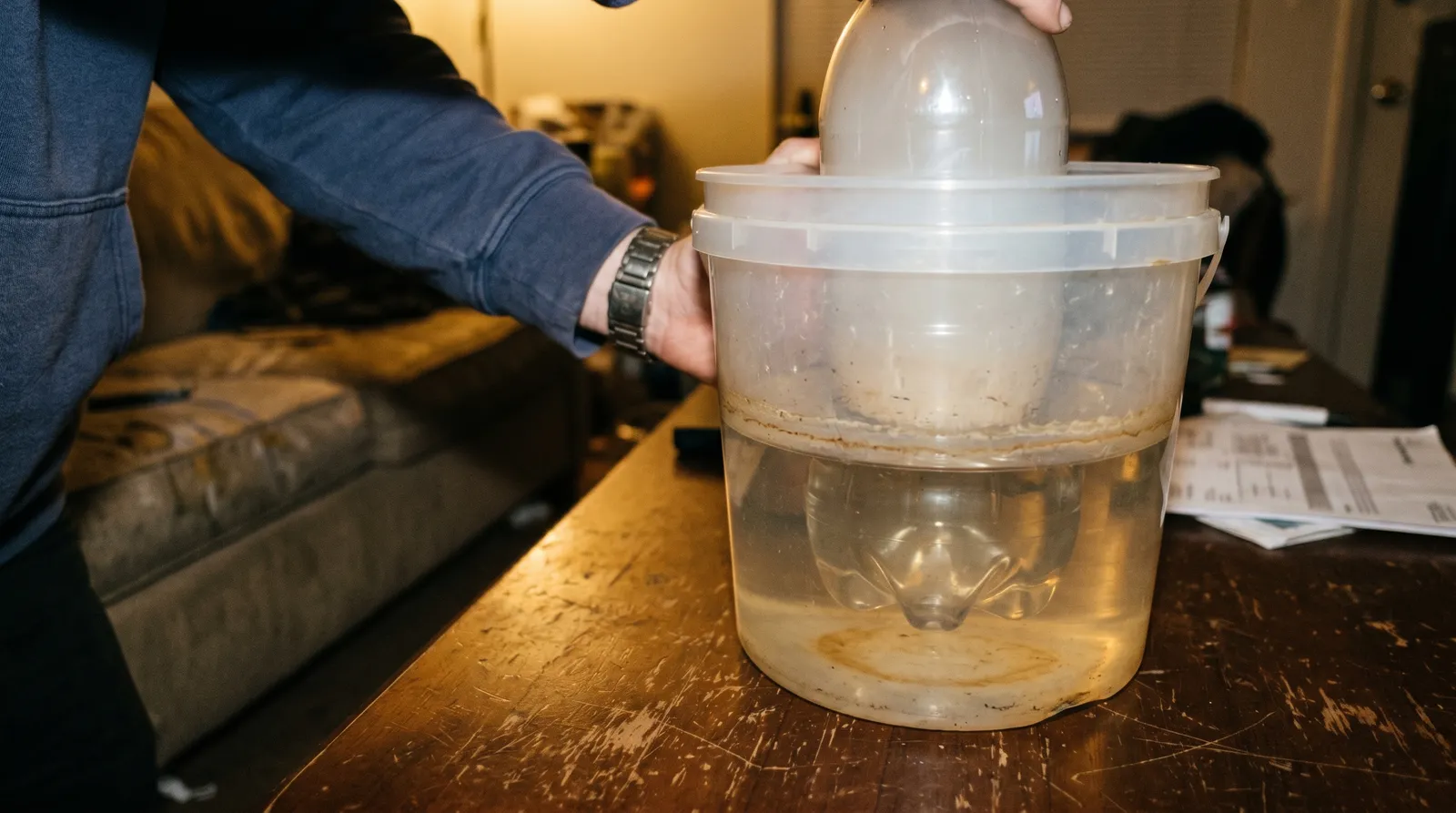
In gravity bongs, the smoke never passes through water. The water is below the smoke, acting as a seal and a piston. It touches the bottom edge of the smoke column, but there's no bubbling, no diffusion, no filtration pathway. What you inhale is essentially unfiltered combustion smoke — the same as hitting a dry pipe, but in far greater volume.
This matters. Without water filtration (limited as it is), you're getting the full spectrum of combustion byproducts: tar, carbon monoxide, polycyclic aromatic hydrocarbons, and fine particulate matter. A 2023 letter in Respiratory Medicine (Helyes et al., 2023) noted that bong-style devices without true water filtration delivered particulate matter concentrations comparable to unfiltered smoking methods, despite user perceptions that water involvement meant cleaner smoke. The EMCDDA's 2024 report on cannabis consumption methods similarly flagged that user assumptions about water-based devices often overestimate the degree of harm reduction involved.
Why Do They Hit So Much Harder Than a Regular Bong?
Gravity bongs hit harder because they combine undiluted smoke, oversized volume, and positive-pressure delivery in a single mechanism. Three factors stack on top of each other:
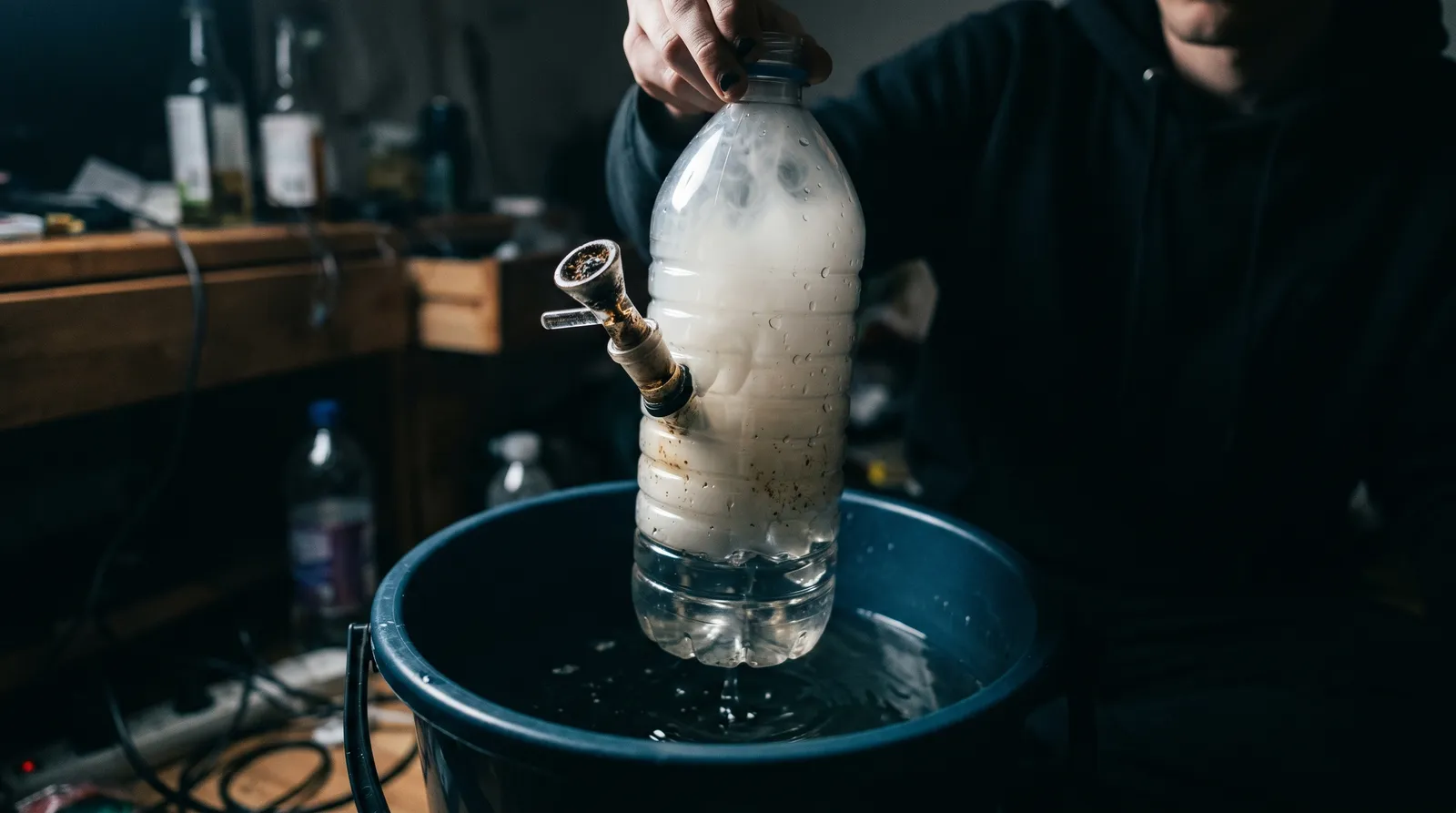
- Smoke concentration. No dilution air enters the chamber. Every millilitre of space is filled with smoke drawn directly through the bowl. A regular bong lets ambient air mix in through the carb hole and around loose bowl fittings. Gravity bongs don't.
- Volume per hit. As mentioned, a 1.5-litre chamber delivers roughly 1.5 litres of smoke. Most people's tidal lung volume (a normal relaxed breath) is about 0.5 litres. You're forcing two to three normal breaths' worth of concentrated smoke into your lungs in one inhalation.
- Positive pressure delivery. When you push the chamber back down into the water (bucket style), the water rising beneath the smoke compresses it and pushes it into your lungs. You're not just inhaling — the device is actively forcing smoke in. This is fundamentally different from a regular bong, where you create all the suction yourself.
The combined effect is a significantly larger dose of whatever you're smoking, delivered faster and more completely than almost any other combustion method. Whether that's desirable depends entirely on your tolerance and intentions, but the mechanism explains why gravity bongs have a reputation for overwhelming newcomers.
DIY vs. Manufactured — Does the Material Matter?
Yes — material choice is the single biggest safety variable when using gravity bongs. The classic DIY approach uses plastic bottles — a two-litre soft-drink bottle as the chamber, a larger bucket or cut bottle as the reservoir. The bowl is often fashioned from aluminium foil or a socket wrench piece jammed into the bottle cap. This works mechanically, but it introduces serious material concerns.
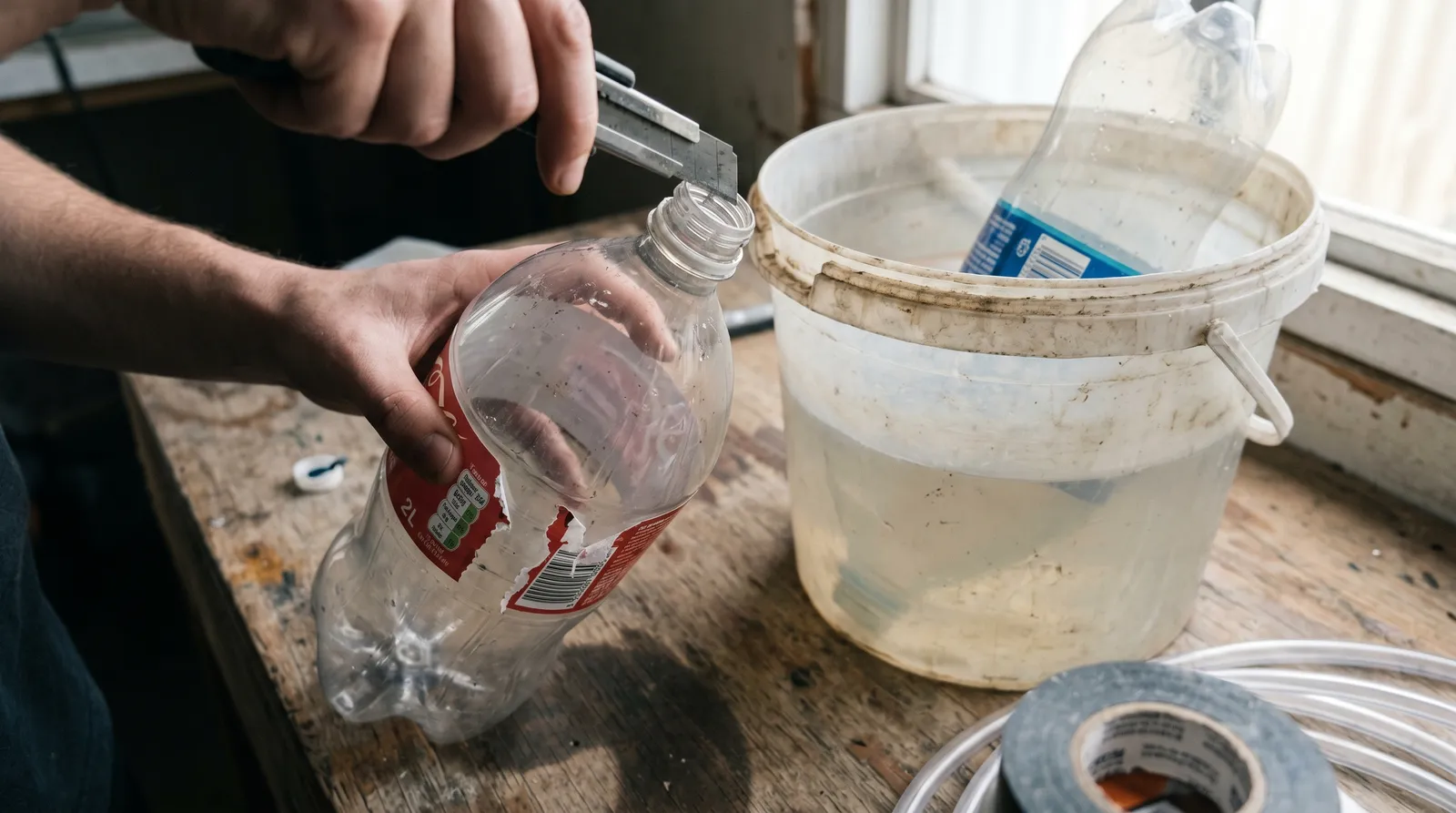
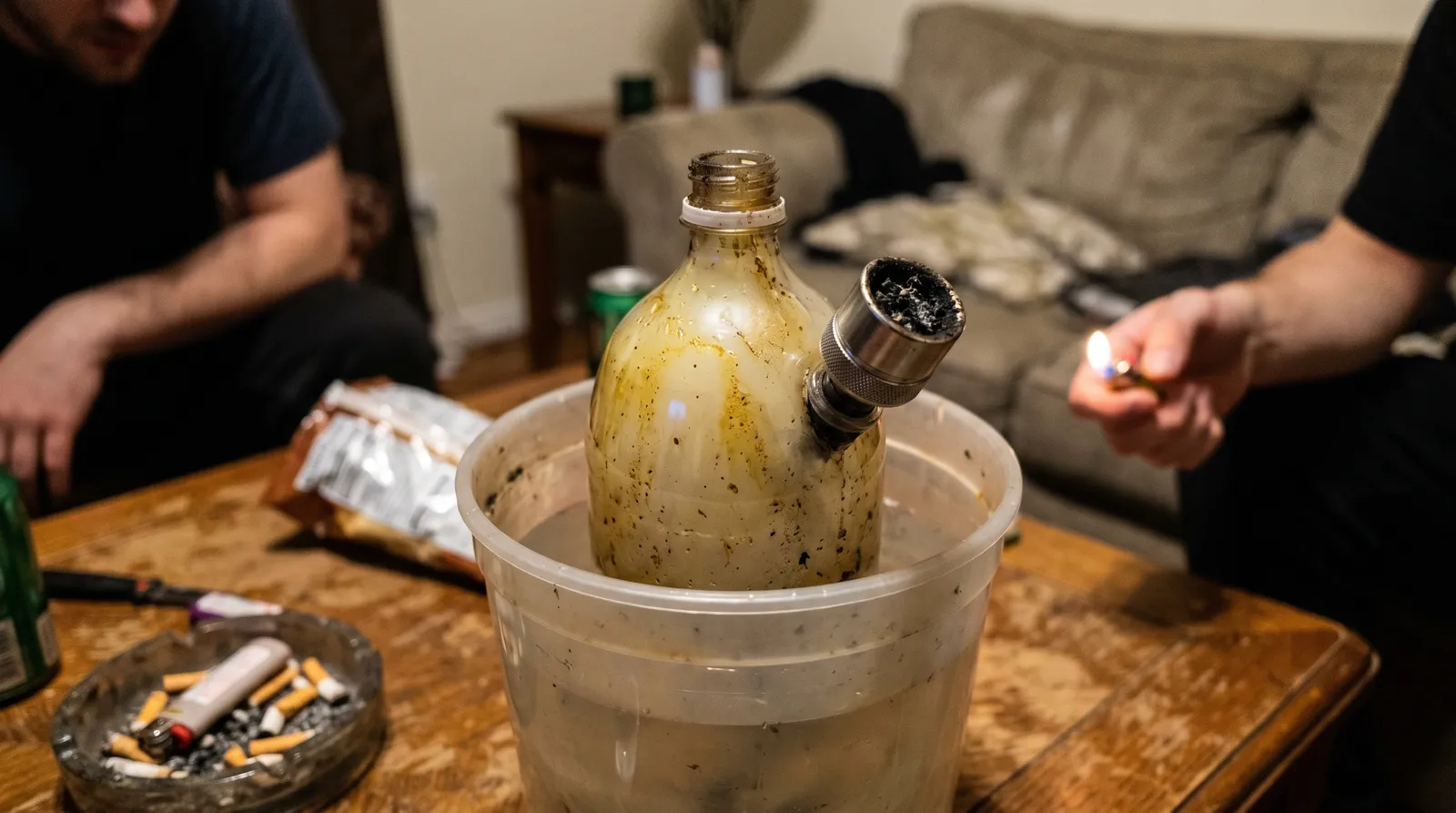
Plastic and heat: PET (polyethylene terephthalate), the plastic used in most drink bottles, begins to degrade and off-gas at temperatures well below the 400–700°C range of burning herb. The smoke passing through the neck of the bottle, and especially the area immediately around the bowl, can reach temperatures high enough to release phthalates and other plasticisers. These aren't compounds you want in your lungs. The smoke itself doesn't need to melt the plastic visibly — molecular off-gassing begins long before structural deformation.
Aluminium foil bowls: While the health risk of inhaling from heated aluminium foil is debated, foil bowls are flimsy, prone to tearing, and create uneven airflow. A proper glass or metal bowl piece is a meaningful upgrade for both function and peace of mind.
Manufactured gravity bongs — typically made from borosilicate glass or food-grade silicone — eliminate these concerns. Glass is inert at smoking temperatures, easy to clean, and doesn't degrade with use. Borosilicate specifically (the same glass used in laboratory equipment) handles thermal shock without cracking. If you're going to order a gravity bong for repeated use, glass is the only material that makes sense from both a safety and a flavour perspective. Brands like Studenglass, Grav, and Higher Standards all produce glass models worth considering.
How Do You Actually Use One Properly?
Using a gravity bong properly requires controlling lift speed, bowl pack density, and water level — here is the step-by-step process for a manufactured glass bucket-style model:
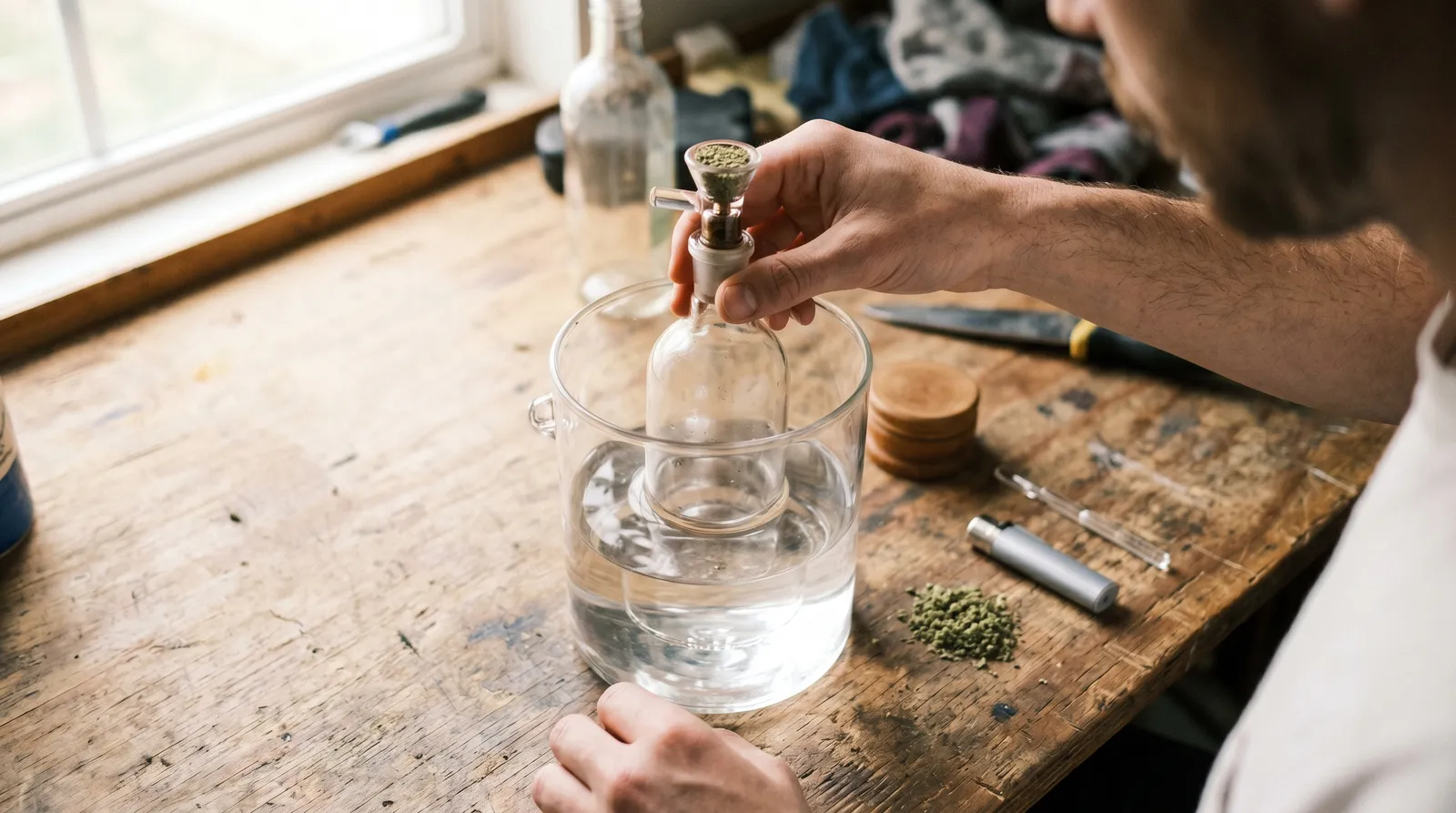
Fill the reservoir. The outer container gets filled with water to a level that will submerge most of the inner chamber when it's pushed down. Leave a few centimetres of clearance at the top to prevent overflow.
Submerge the chamber. Push the inner chamber down into the water. The water level inside and outside should equalise.
Pack the bowl. Grind your herb — a medium grind works best, not too fine (it'll pull through) and not too coarse (it won't burn evenly). Pack the bowl lightly. Gravity bongs are efficient; you need less material than you'd think. Overpacking restricts airflow and wastes herb.
Light and lift. Apply flame to the bowl while slowly — slowly — lifting the inner chamber. The speed matters. Too fast and you outpace the combustion, pulling mostly air. Too slow and the herb burns unevenly. A steady, gradual lift over 3–5 seconds fills the chamber with thick, visible smoke.
Remove the bowl and inhale. Once the chamber is nearly out of the water (leave the base submerged or you lose your seal), remove the bowl piece and place your mouth over the opening. Push the chamber gently downward. The rising water forces the smoke up and out. Inhale steadily — don't try to take it all at once if the volume is too much.
Start small. If you're new to this method, lift the chamber only halfway. A 750ml hit is still substantial. You can always go again.
How Do Gravity Bongs Compare to Standard Bongs and Vaporizers?
Gravity bongs deliver the highest smoke volume per hit of any common combustion device, but with zero filtration — placing them at the opposite end of the spectrum from dry-herb vaporizers.
| Feature | Gravity Bong | Standard Water Pipe (Bong) | Dry-Herb Vaporizer |
|---|---|---|---|
| Smoke/vapour delivery | Concentrated, pressure-assisted | Diffused through water | Heated vapour, no combustion |
| Water filtration | None (water is a piston) | Yes (partial particulate removal) | N/A — no smoke produced |
| Hit volume | Very high (1–2 litres typical) | Moderate (0.3–0.7 litres) | Low per draw |
| Herb efficiency | High — small bowl, full extraction | Moderate | Highest — no combustion loss |
| Combustion byproducts | Full (unfiltered combustion) | Reduced (water removes some) | Minimal to none |
| Throat/lung harshness | Very harsh | Moderate (cooled by water) | Mild |
| Portability | Low (needs water reservoir) | Low to moderate | High (portable models) |
If your priority is reducing combustion byproduct exposure, a dry-herb vaporizer is the clear winner — devices from Storz & Bickel, Arizer, or DynaVap heat herb below combustion temperature, producing vapour rather than smoke. For those who prefer combustion but want some filtration and a smoother draw, a standard glass bong with a percolator does what a gravity bong cannot. Gravity bongs occupy a specific niche: maximum delivery efficiency per gram of herb, with the trade-off of maximum harshness and zero filtration.
What About Cleaning?
Glass gravity bongs are straightforward to clean because their chambers are essentially open-ended cylinders with no percolator trees or downstems to navigate. Rinse with warm water after each session to prevent resin buildup. For deeper cleaning, a soak in isopropyl alcohol (90%+) for 20–30 minutes followed by a warm water rinse handles most residue. According to harm-reduction guidance from the EMCDDA, regular cleaning of smoking devices reduces the accumulation of tar and microbial growth that can compound respiratory irritation. Coarse salt used as an abrasive can assist with stubborn resin deposits on glass surfaces.
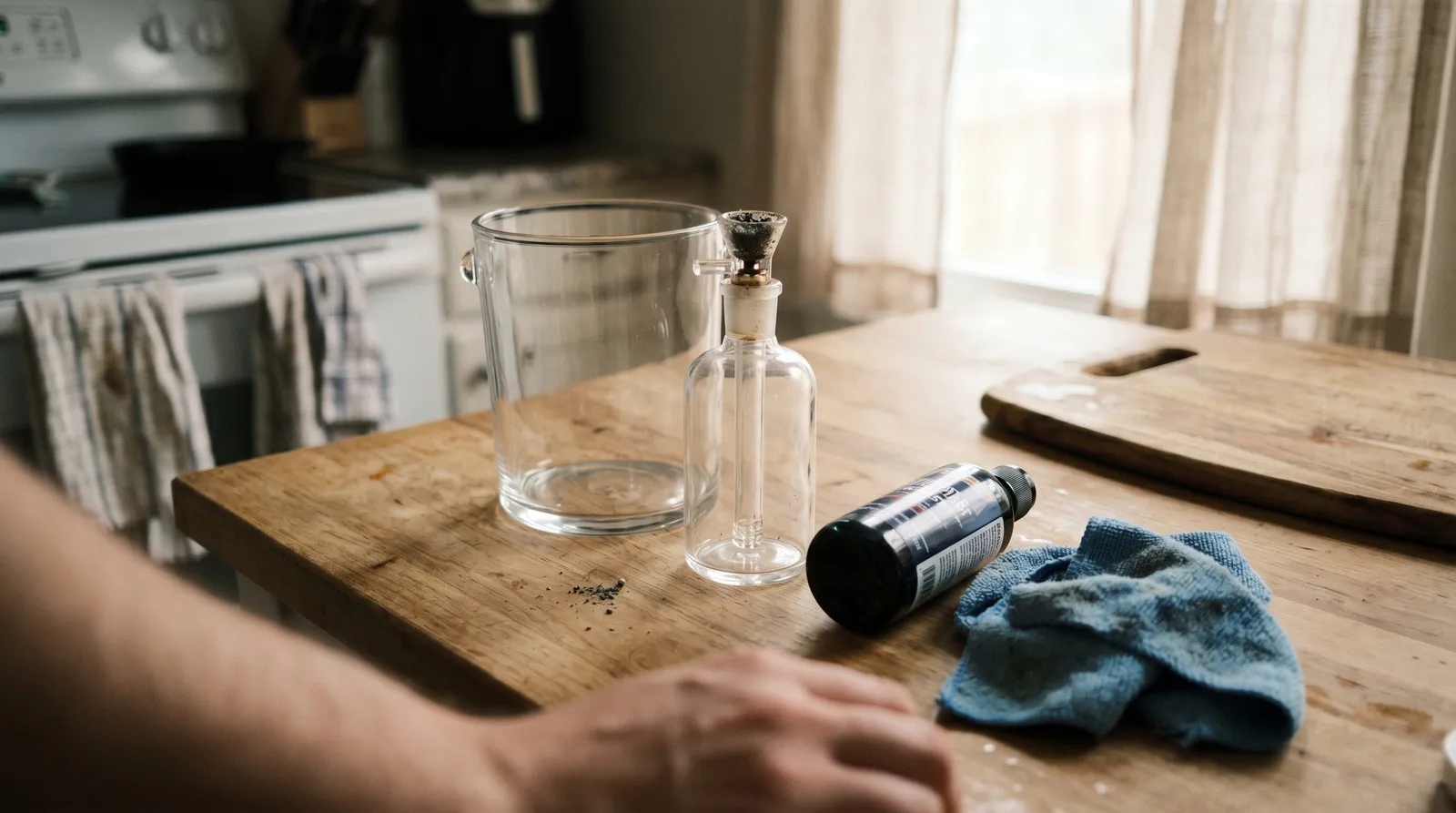
Clean the bowl piece separately and more frequently — it accumulates the most resin and affects airflow first. A pipe cleaner or small brush gets into the tight spots. Make sure everything is completely dry and alcohol-free before your next session; isopropyl vapour and open flame are a bad combination, so ventilate well during cleaning.
The water in the reservoir should be changed every session. Stale gravity bong water is notably unpleasant — it collects tar and particulates that would otherwise go into your lungs, and it develops an odour quickly. Fresh water, every time.
An Honest Limitation: What Gravity Bongs Cannot Do
Gravity bongs cannot reduce your exposure to combustion byproducts. No matter how clean the glass, how fresh the water, or how premium the herb, you are inhaling the full output of combustion — tar, carbon monoxide, and fine particulate matter included. If respiratory health is a concern, a gravity bong is the wrong tool. A dry-herb vaporizer like the Mighty from Storz & Bickel or the Arizer Solo 2 eliminates combustion entirely. Gravity bongs are for people who have made a deliberate choice about combustion and want the most efficient delivery within that category. That's a valid choice, but it should be an informed one.
Last updated: April 2026
Frequently Asked Questions
8 questionsDoes a gravity bong filter smoke through water?
Why do gravity bongs hit harder than regular bongs?
Is it safe to make a gravity bong from plastic bottles?
How much herb do you need for a gravity bong?
What is the difference between a bucket and waterfall gravity bong?
Can you use a gravity bong with a vaporizer bowl?
How do you clean a gravity bong properly?
Can you control the dosage with a gravity bong?
About this article


Adam Parsons is an external cannabis and psychedelics writer and editor who contributes to Azarius's wiki as both author and reviewer. On the writing side, he authors Azarius's kratom and kanna clusters, drawing on exten
This wiki article was drafted with AI assistance and reviewed by Adam Parsons, External contributor. Editorial oversight by Joshua Askew.
Medical disclaimer. This content is for informational purposes only and does not constitute medical advice. Consult a qualified healthcare provider before use of any substance.
Last reviewed May 2, 2026
Related Articles
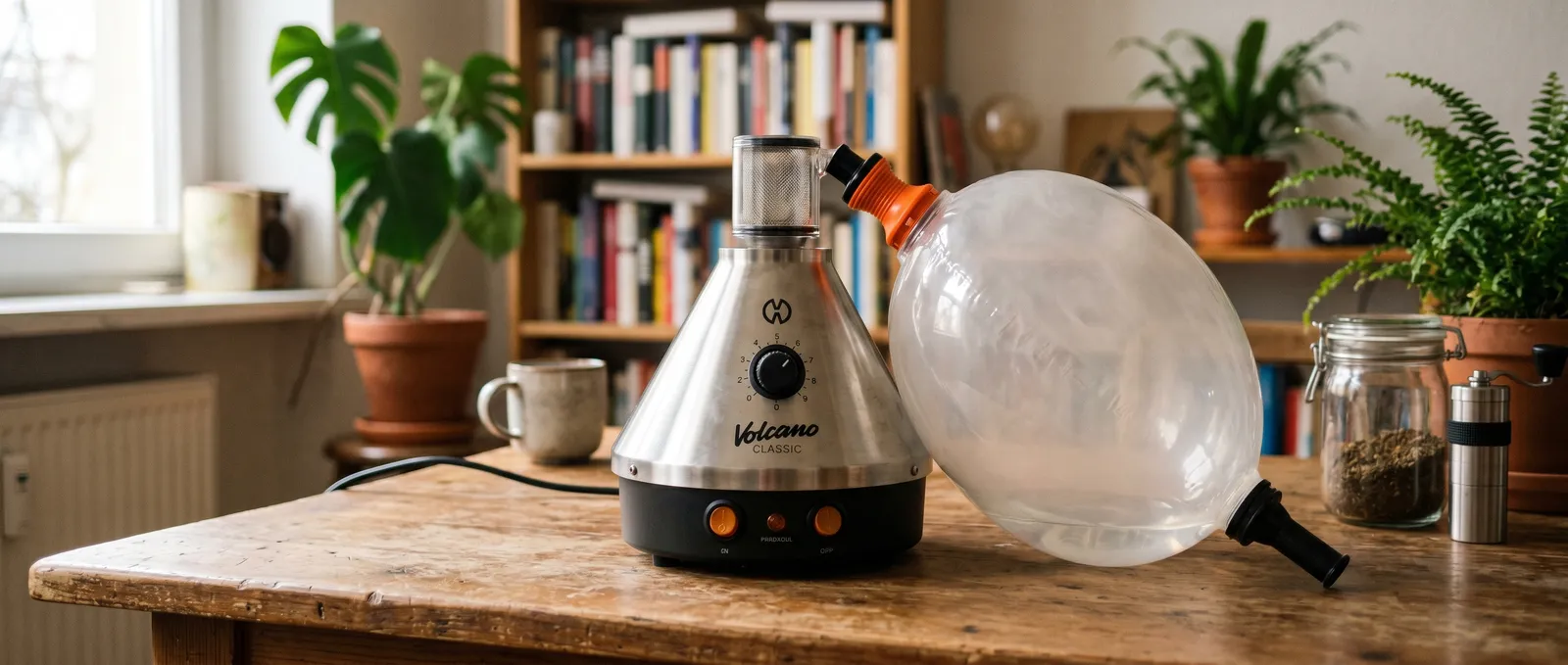
Storz Bickel Volcano Complete Guide: Setup, Temps & Cleaning
The Storz & Bickel Volcano is a convection desktop vaporizer that fills detachable balloons with vapour — a system clinically validated by Hazekamp et al.
TinyMight Boundless XMAX Premium Portables Compared
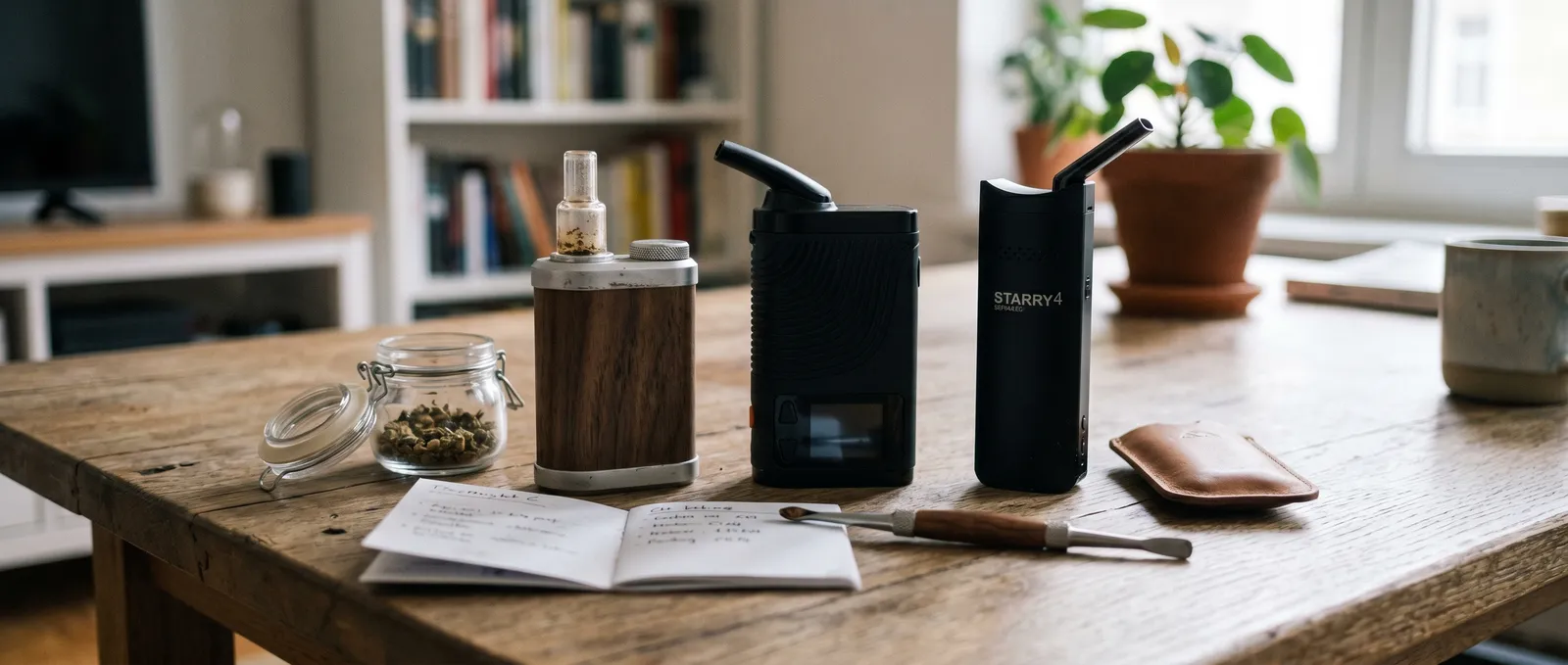
The TinyMight 2, Boundless CFX/CFC and XMAX V3/Starry/Ace represent three tiers of portable dry-herb vaporizer — from budget conduction to premium convection.
How To Clean a Vaporizer: Step-by-Step Guide
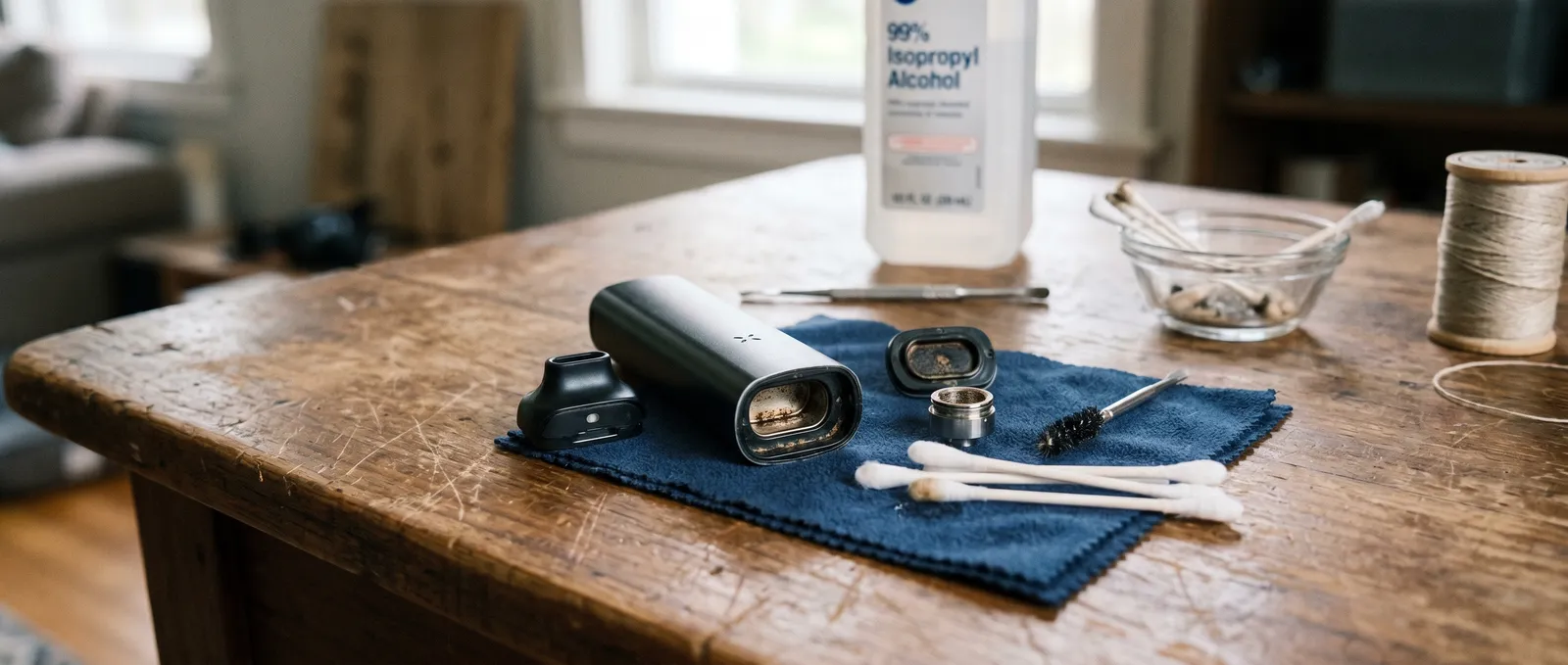
How to clean a vaporizer is a straightforward maintenance routine that keeps your device tasting fresh, drawing smoothly, and lasting years longer than a…
ROOR Grace Glass Black Leaf Blaze Brand Comparison — Glass Bong Guide
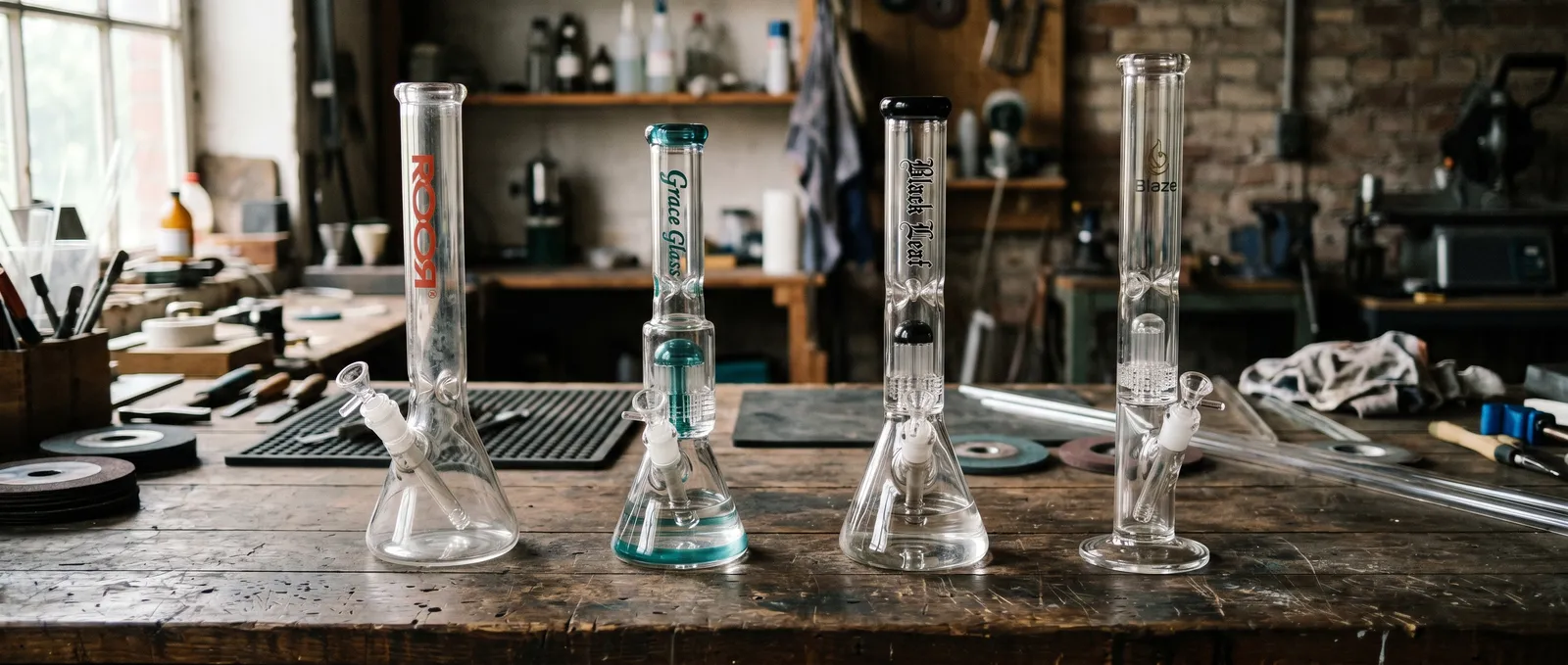
Four borosilicate glass bong brands — ROOR, Grace Glass, Black Leaf, and Blaze Glass — dominate the European market at different price points.
Joint Filters Crutches Glass Tips Activated Charcoal — Buyer's Guide
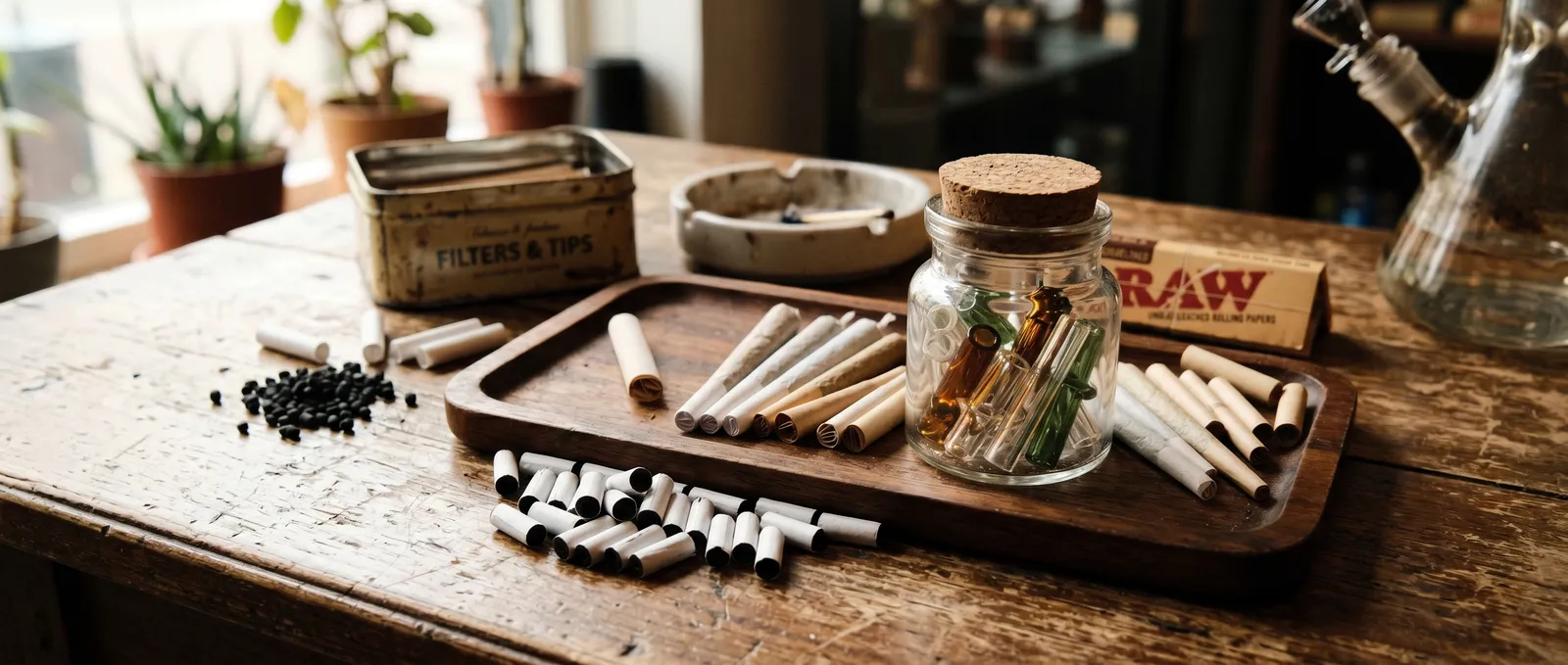
Joint filters range from simple card crutches that block loose herb to activated charcoal tubes that trap 40–60% of gas-phase toxicants like benzene and…
Quartz Banger Temperature and Care Guide
A quartz banger's performance depends almost entirely on temperature control and maintenance.
Arizer Portable Lineup Compared: Solo vs Solo 2 vs Solo 3 vs ArGo
Arizer's portable vaporizers all use borosilicate glass vapour paths and session-style heating, but differ meaningfully in battery architecture, heating…
Kief: What It Is and How to Collect It | Full Guide
Kief is the fine, powdery accumulation of trichome heads that detach from cannabis flower during grinding or handling.
Rolling Papers Compared: RAW vs OCB vs Elements vs Rizla
Rolling papers vary dramatically by material, thickness, burn rate, and adhesive — and those differences shape every session.