
This article discusses psychoactive substances intended for adults (18+). If you have a health condition or take medication, consult a doctor before use. Our age policy
Cannabis Home Grow Laws Europe 2026: Country Guide
Definition
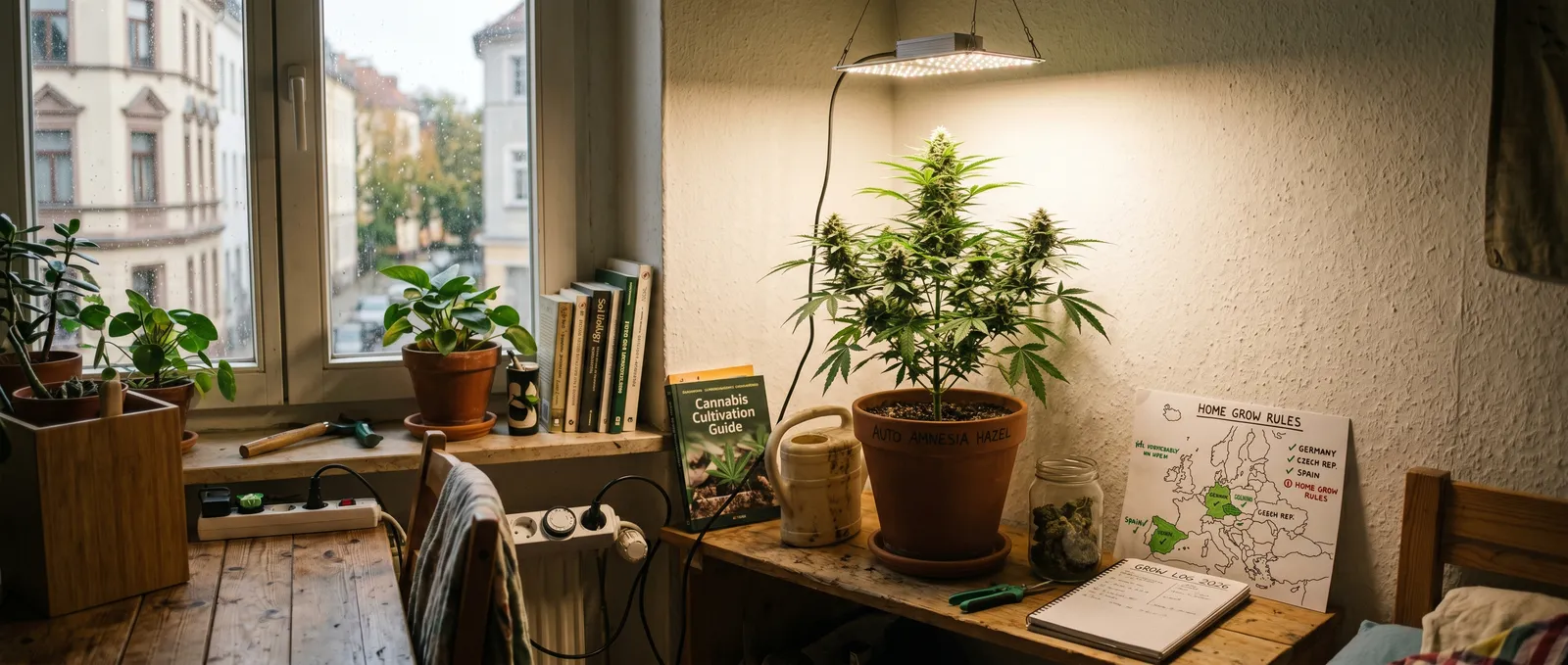
Cannabis home grow laws Europe 2026 is a patchwork framework that lets adults in some EU member states cultivate a small number of plants at home while others still enforce criminal penalties. According to the EUDA (2025), four EU countries — Germany, Czechia, Malta, and Luxembourg — now permit adult home cultivation with specific plant and possession limits.
This guide is written for adults aged 18 and over. Cultivation rules vary by country and region and change frequently. This guide is educational. Before growing, verify current rules for your specific jurisdiction. Azarius does not provide formal advice.
Where Europe stands on home cultivation in 2026
Cannabis home grow laws Europe 2026 is a patchwork framework that lets adults in some EU member states cultivate a small number of plants at home while others still enforce criminal penalties. As of Q2 2026, the map runs from fully permitted personal cultivation (Malta, Germany, Luxembourg, Czechia) through tolerated-but-prosecuted grey zones (Spain, the Netherlands) to hard restriction with real prison risk (France, Sweden, Finland). The picture keeps shifting, often with only weeks of parliamentary notice.
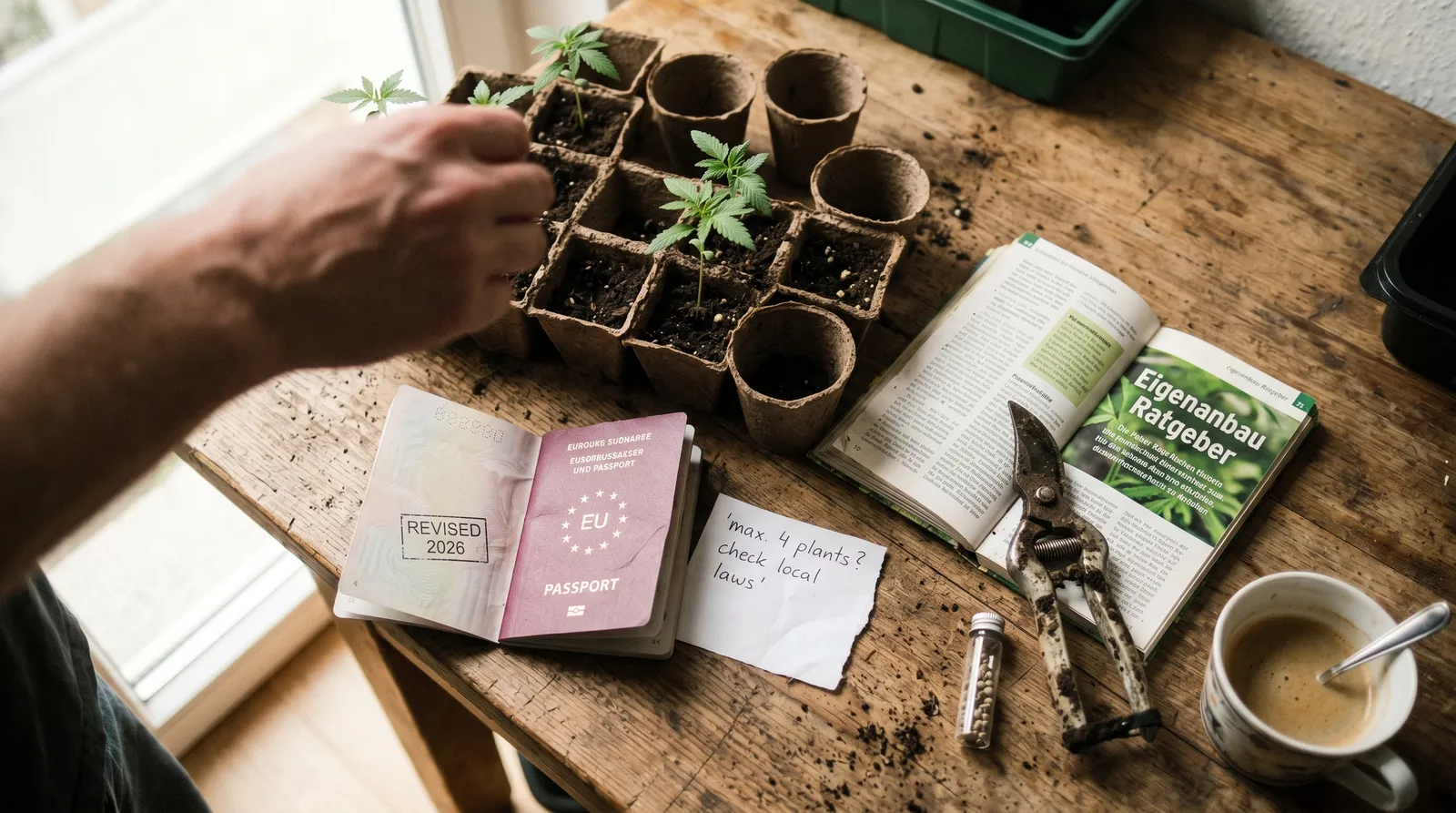
The table below is the spine of this article. Every row cites a primary source (national drug act, government bulletin, or EUDA country profile) and is dated to Q2 2026. The prose underneath unpacks the categories, the enforcement reality, and the traps that catch home growers who read the headline but miss the small print. Readers who want to buy seeds or order equipment should also check the import rules for their country before they get started with any purchase.
Home cultivation status by country (Q2 2026)
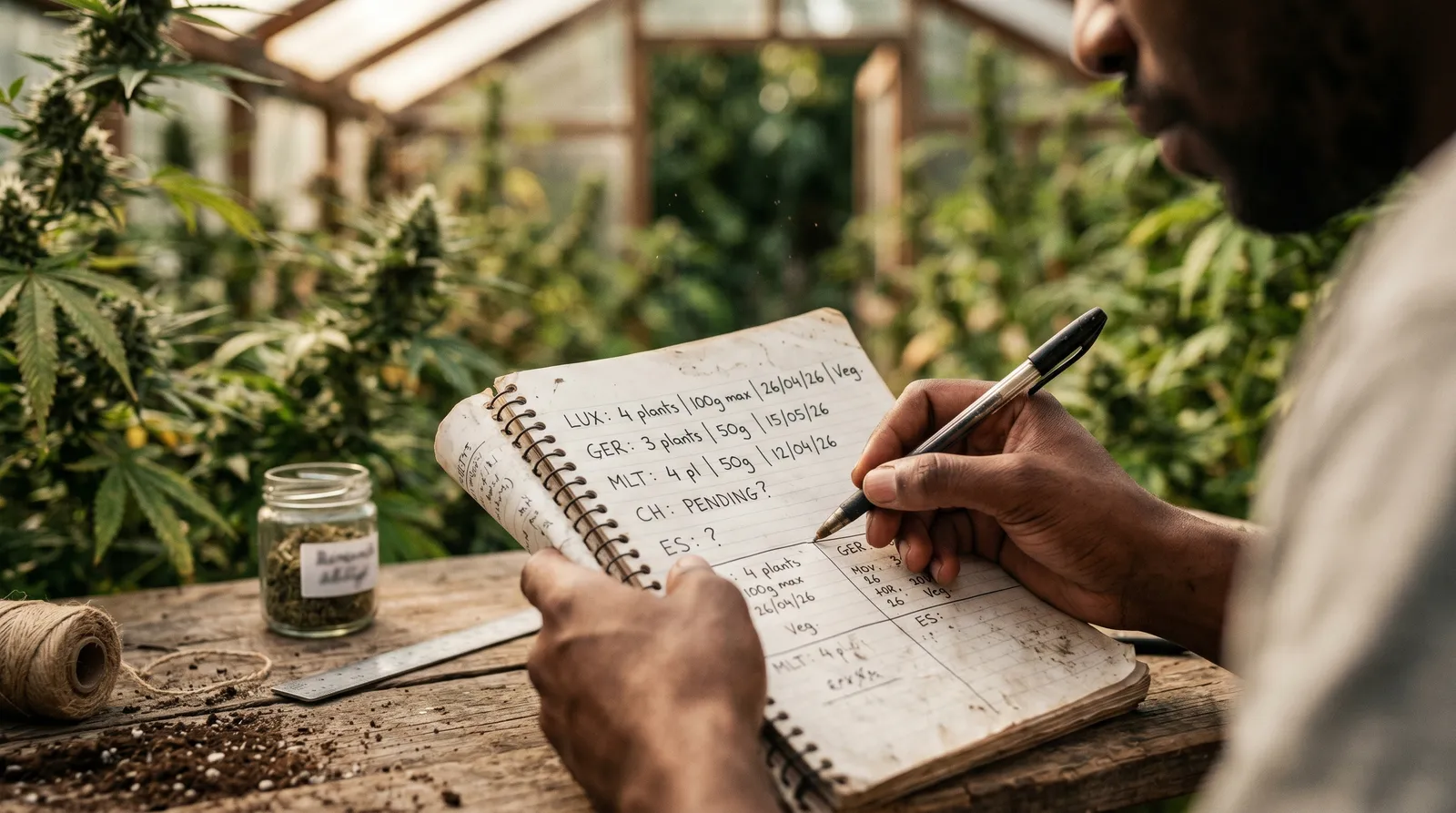
Twelve European countries represent the full spectrum of 2026 home-cultivation policy, from permitted to strictly restricted. The table consolidates plant limits, home possession caps, and the primary statutory source for each, covering cannabis home grow laws Europe 2026 at a glance.
| Country | Personal home grow | Plant limit | Possession at home | Primary source |
|---|---|---|---|---|
| Germany | Permitted, adults 18+ | 3 flowering plants | 50g dried | Cannabisgesetz (KCanG), April 2024 |
| Czechia | Permitted, adults 21+ | 3 plants | 100g dried | Act 167/1998, amended Jan 2026 |
| Malta | Permitted, adults 18+ | 4 plants per household | 50g dried | Cap. 621, Authority on Cannabis (2021) |
| Luxembourg | Permitted, adults 18+ | 4 plants per household | From own plants | Law of 18 July 2023 |
| Spain | Decriminalised in private, not public | No statutory number; "personal use" test | Private use only | Organic Law 4/2015 + case law |
| Netherlands | Tolerated up to 5 plants (low priority) | 5 plants (Opium Act guidelines) | 5g | Opium Act + Prosecutor's Directive |
| Italy | Small-scale personal grow decriminalised (2019 Supreme Court) | "Minimal quantity" test | Not specified | Cassation ruling No. 12348/2019 |
| Belgium | 1 plant tolerated (administrative fine) | 1 | 3g | Joint Directive 2005, still in force |
| France | Criminal offence | 0 | 0 | Code de la santé publique, Art. L3421-1 |
| Sweden | Criminal, zero-tolerance | 0 | 0 | Narcotic Drugs Punishments Act (1968:64) |
| Finland | Criminal offence | 0 | 0 | Narcotics Act 373/2008 |
| Poland | Criminal (medical-only since 2017) | 0 | 0 | Act on Counteracting Drug Addiction 2005 |
The permitted tier: Germany, Czechia, Malta, Luxembourg
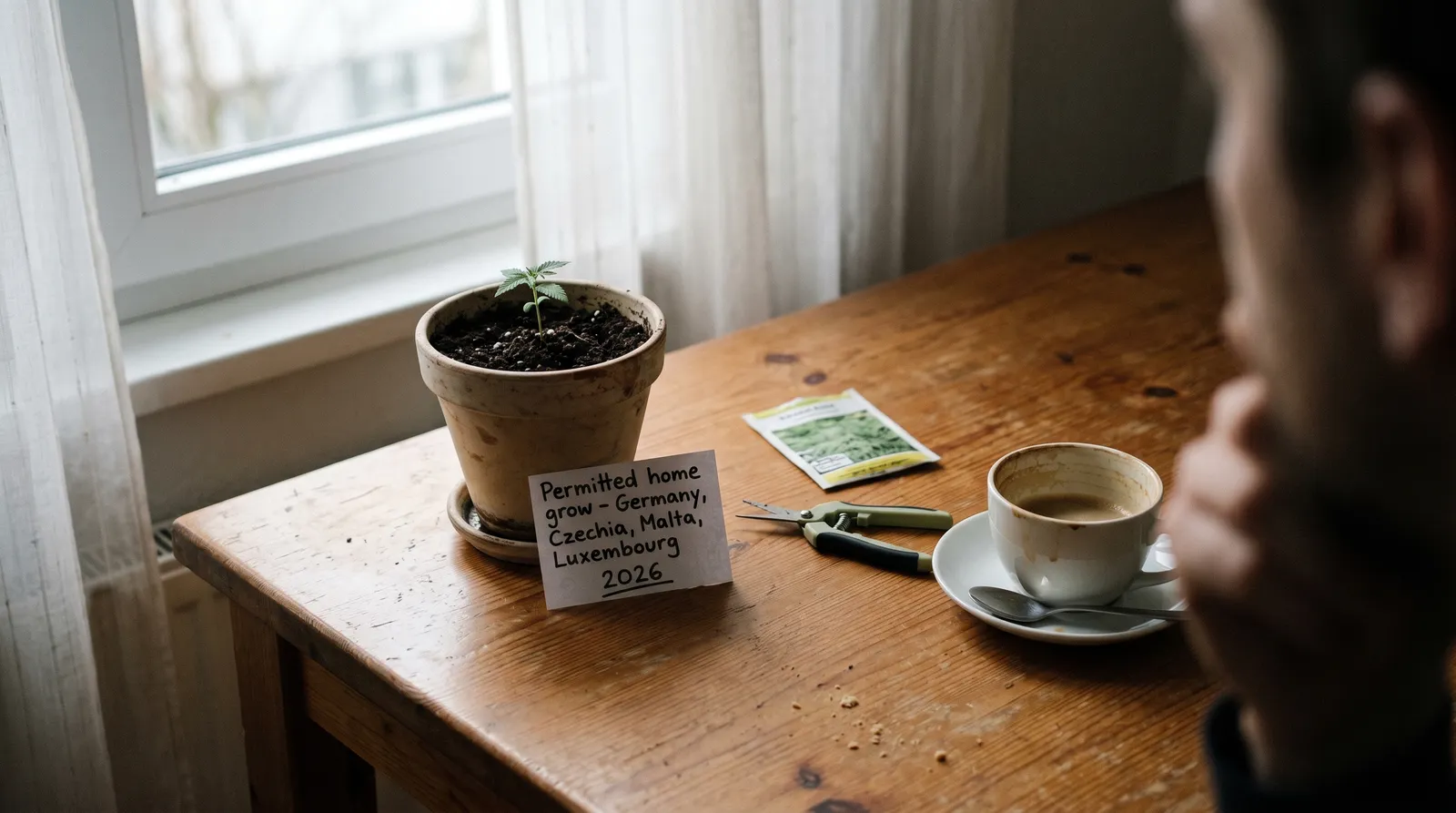
Four EU member states — Germany, Czechia, Malta, and Luxembourg — formally allow adult home cultivation as of Q2 2026. The rules differ more than the headlines suggest.
Germany authorised personal cultivation through the Cannabisgesetz (KCanG), in force since 1 April 2024. Adults 18+ may grow up to three flowering plants per household and store up to 50g of dried flower at home, alongside 25g in public. The statute explicitly requires that plants and stored cannabis be kept out of reach of minors — practically, a lockable tent. According to the EUDA's 2025 Germany profile (European Union Drugs Agency, 2025), enforcement shifted almost overnight from criminal to administrative for personal quantities.
Czechia joined the club on 1 January 2026 with an amendment to Act 167/1998. Three plants, 100g at home, 25g in public, age threshold set unusually high at 21. The Czech Ministry of Health framed it as "reducing uncertainty for people already growing," which is a polite way of saying the previous "small amount" test was a mess.
Malta was first out of the gate in December 2021. Four plants per household (not per adult), 50g at home, and a notable rule: plants must not be visible from public space. Balcony growers, take note.
Luxembourg permits up to four plants per household for adults 18+, with the quirk that seeds and plants must be grown from seed sourced within the country — importing is treated as a separate offence.
The grey zones: Spain, Netherlands, Italy, Belgium
Grey-zone countries are where growers get most confidently wrong — tolerance is not permission, and tolerance is revocable. Each of the four runs on a different mechanism.
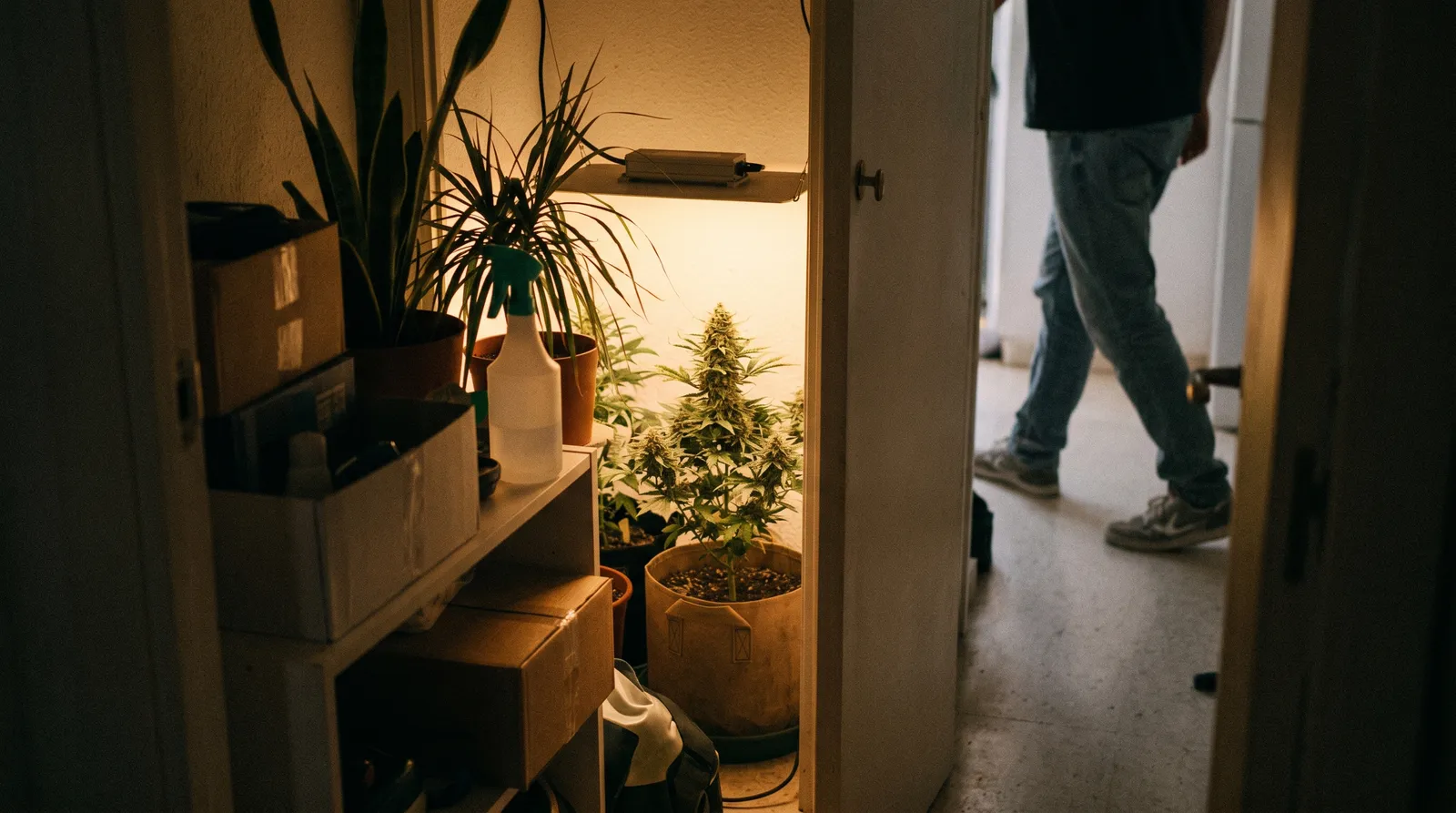
Spain runs on a case-law definition of "personal use in private." Organic Law 4/2015 fines public consumption and cultivation visible from public view (€601–€10,400), but indoor personal grows have been repeatedly ruled non-criminal by the Supreme Court. There's no statutory plant count. Cannabis social clubs operate in this same grey space — not endorsed, not shut down.
The Netherlands is the one most foreigners misread. Up to five plants for personal use is "low priority" — meaning the police may confiscate and issue a caution rather than charge, but your landlord or energy company has no such tolerance. Housing corporations evict for grows. Utility companies flag unusual power draw.
Italy benefits from the 2019 Cassation ruling (No. 12348/2019) decriminalising "minimal" domestic cultivation — typically interpreted as a couple of plants for clear personal use. It's not a green light, it's a "you probably won't go to prison" light.
Belgium tolerates one plant per adult, with a €75–€125 administrative fine rather than criminal charges, per the 2005 Joint Directive still in force.
Where it remains firmly restricted
France, Sweden, Finland, and Poland treat home cultivation as a criminal offence with realistic prison exposure. France's Article L3421-1 of the Code de la santé publique sets up to one year imprisonment and a €3,750 fine for simple use; cultivation falls under trafficking provisions with far heavier penalties. Sweden's zero-tolerance framework (Narcotic Drugs Punishments Act 1968:64) makes no distinction between one plant and a commercial operation at the charging stage. Poland reclassified medical cannabis as available by prescription in 2017 but left personal cultivation criminal under the 2005 Act.
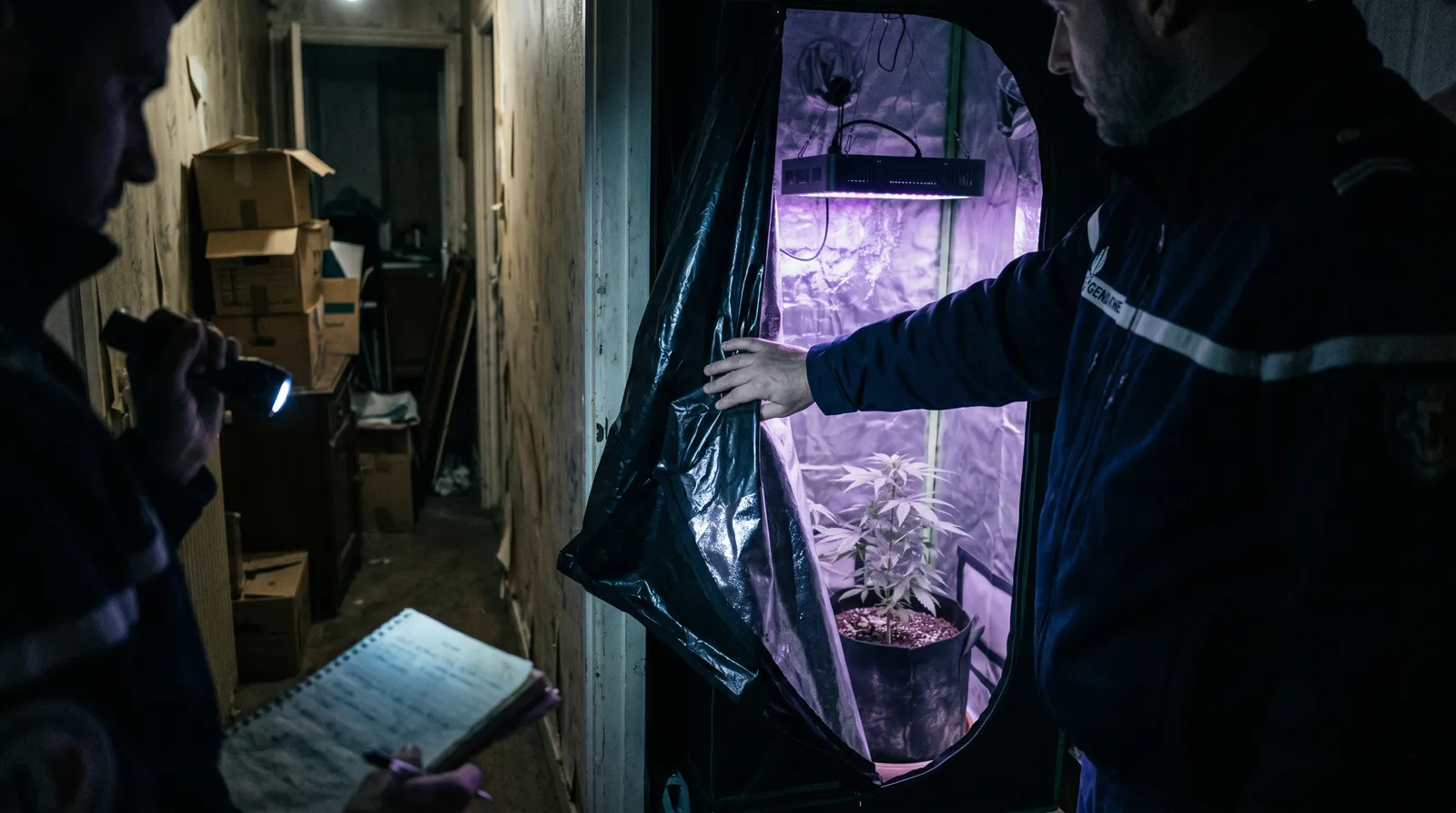
The EUDA's 2025 European Drug Report (European Union Drugs Agency, 2025) notes that even in restriction countries, prosecution rates for single-plant home grows have quietly dropped since 2020 — but "rarely prosecuted" is not a defence, and a conviction still carries the full statutory weight. The Beckley Foundation's 2024 policy briefing on European cannabis reform (Beckley Foundation, 2024) reached the same conclusion. The EMCDDA country maps (EMCDDA, 2024) provide the underlying data for these trends.
This guide is a snapshot. We update it every quarter, but parliaments move on their own calendars — a bill that seemed stalled in March can pass in June. Treat every row in the table as a starting point, not a final answer, and cross-check with the national ministry of health before you buy seeds or order grow equipment.
Compared with US state frameworks, where six-plant ceilings and one-ounce caps are typical, European cannabis home grow laws Europe 2026 rules tend to count flowering plants more tightly and cap dried weight more loosely. Canada's federal four-plant household limit sits closer to the Maltese and Luxembourgish model than to Germany's three-flowering-plant ceiling.
What the statutes rarely spell out
Statutes give you plant counts and grams — they almost never address practical realities like odour, electricity draw, tenancy, and seed importation. Carbon filters are a neighbour issue, not a formal one, until the neighbour calls. Grid operators in NL, DE, and BE flag anomalous consumption. Most European tenancy agreements forbid cultivation regardless of national rules. Seed importation is permitted in some countries, grey in others, even where growing the resulting plant is fine.
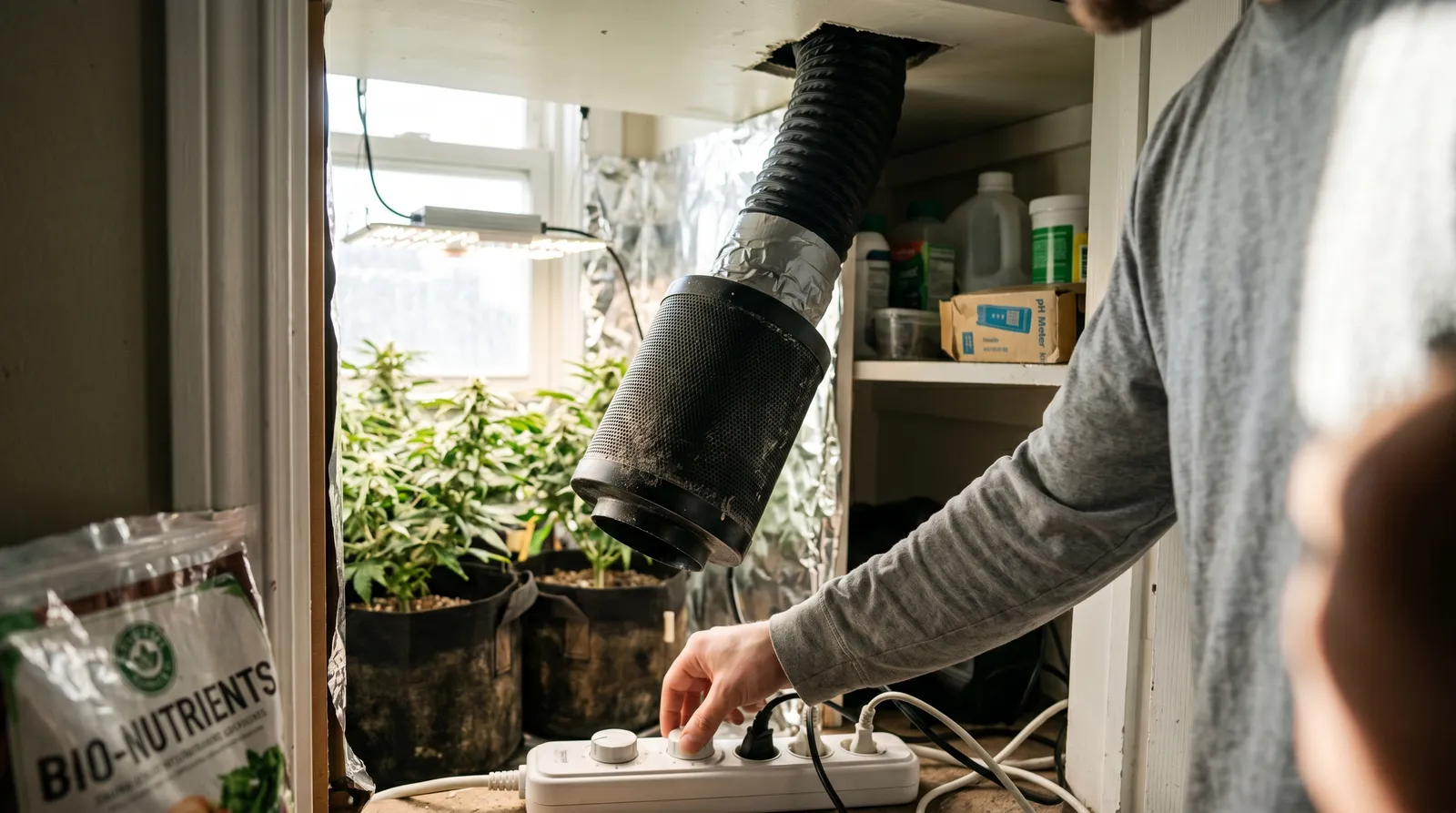
Yield is another place where statute and biology argue. A 3-plant ceiling sounds generous until you realise a well-trained photoperiod plant under 300W of LED can produce 100–150g dried in an 80×80 tent — well over Germany's 50g home storage cap. Growers in permitted jurisdictions are increasingly choosing to order autoflower genetics with shorter 9–11 week cycles and smaller yields per plant precisely to stay under storage caps. Photoperiod genetics remain permitted to grow, but the harvest-to-cap maths gets awkward.
What's moving in 2026
Three policy tracks will reshape European home cultivation between now and 2027: the Dutch closed-supply-chain trial, Swiss municipal pilots, and a French parliamentary review. The Netherlands' "wietexperiment" continues across ten municipalities, separate from personal cultivation rules. Switzerland — outside the EU but on the map — runs municipal pilot programmes in Basel, Zurich, and Lausanne. France's parliamentary commission on cannabis reform reported in late 2025 but produced no statutory change. Whether any of this becomes statute by 2027 depends on political winds that shift faster than a flowering cycle.
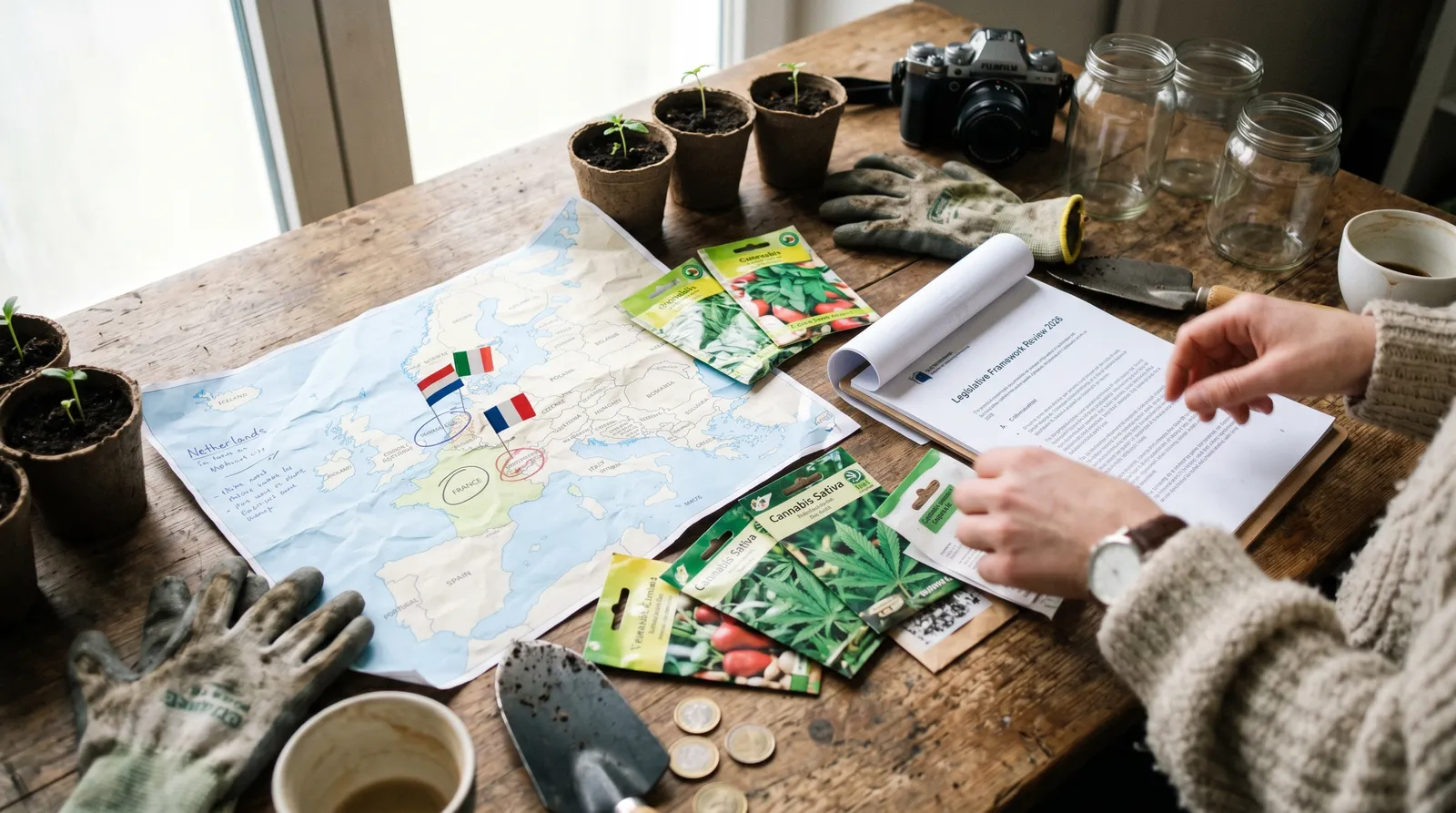
The rule of thumb: before germinating, read the current version of your national drug act (not a news article about it), check your regional variation (Spanish autonomous communities differ; German Länder differ on administrative enforcement), and read your tenancy agreement. National-level permission does not override a landlord's eviction clause. Before you buy genetics or order hardware, confirm that import into your country is permitted.
Last updated: April 2026
Frequently Asked Questions
6 questionsCan I grow cannabis on a balcony in Malta?
Which European countries still prosecute home cannabis cultivation in 2026?
How many plants can I grow at home in Germany under the KCanG?
Is it safe to order cannabis seeds online in Europe?
Do I need to register my home cannabis plants with authorities in Luxembourg?
What happens to my cannabis club membership if I also grow at home in Germany?
About this article


Luke Sholl has been writing about cannabis, cannabinoids, and the broader benefits of nature since 2011, and has personally grown cannabis in home grow tents for more than a decade. That first-hand cultivation experience
This wiki article was drafted with AI assistance and reviewed by Luke Sholl, External contributor since 2026. Editorial oversight by Adam Parsons.
Medical disclaimer. This content is for informational purposes only and does not constitute medical advice. Consult a qualified healthcare provider before use of any substance.
Last reviewed April 24, 2026
References (9)
- [1]European Union Drugs Agency (EUDA). European Drug Report 2025: Cannabis policy developments. Lisbon, 2025.
- [2]Bundesministerium für Gesundheit. Cannabisgesetz (KCanG), in force 1 April 2024.
- [3]Parlament České republiky. Zákon č. 167/1998 Sb., o návykových látkách, amendment effective 1 January 2026.
- [4]Government of Malta. Cap. 621 — Authority on the Responsible Use of Cannabis Act, 2021.
- [5]Grand Duchy of Luxembourg. Loi du 18 juillet 2023 portant modification de la loi modifiée du 19 février 1973.
- [6]Corte Suprema di Cassazione. Sentenza No. 12348/2019, Sezioni Unite, on minimal domestic cultivation.
- [7]Beckley Foundation. European Cannabis Policy Briefing 2024. Oxford, 2024.
- [8]EMCDDA / EUDA country maps and data tables, accessed Q2 2026.
- [9]High Times. "Home Cultivation and Possession: What's Permitted in Europe as of 2026." Published Q1 2026.
Related Articles
Cannabis Hermaphrodite: Identify, Prevent, Act
A cannabis hermaphrodite is a female plant that develops male pollen sacs or banana-shaped anthers (nanners), self-pollinating and seeding your harvest.
DIY Cannabis Fertilizer: Homemade Nutrient Guide
DIY cannabis fertilizer guide: compost, teas, banana ferments and feed schedules, with safety notes and cited research for home growers.
What To Do With Male Cannabis Plants: 6 Practical Uses
What to do with male cannabis plants: identify, isolate, breed, extract, or compost. A practical 6-step guide with sourcing and safety notes.
Mushroom Grow Kit Temperature & Humidity: Full Setup Guide
A temperature humidity control grow kit is the small set of climate tools — hygrometer, heat mat, humidifier or perlite tray — that keeps a mushroom fruiting…
When to Harvest Mushrooms: Veil Break Timing Explained
Harvest timing veil break is a cultivation technique that uses the tearing of the partial veil on maturing Psilocybe cubensis to mark peak alkaloid content.
First Grow Checklist: What You Need for Mushroom Kits
A first grow checklist is the short list of supplies and environmental conditions needed to run a home psilocybin mushroom kit from inoculated substrate to…
Sclerotia vs Fruit Bodies: Cultivation Comparison
Sclerotia and fruit bodies are two different life stages of Psilocybe fungi: sclerotia are hardened underground mycelial storage bodies (the 'magic…
Storing Dried Mushrooms Long Term: Full Guide
Storing dried mushrooms long term means keeping well-dried Psilocybe fruit bodies in airtight, opaque containers with desiccant, cool and dark, to slow…
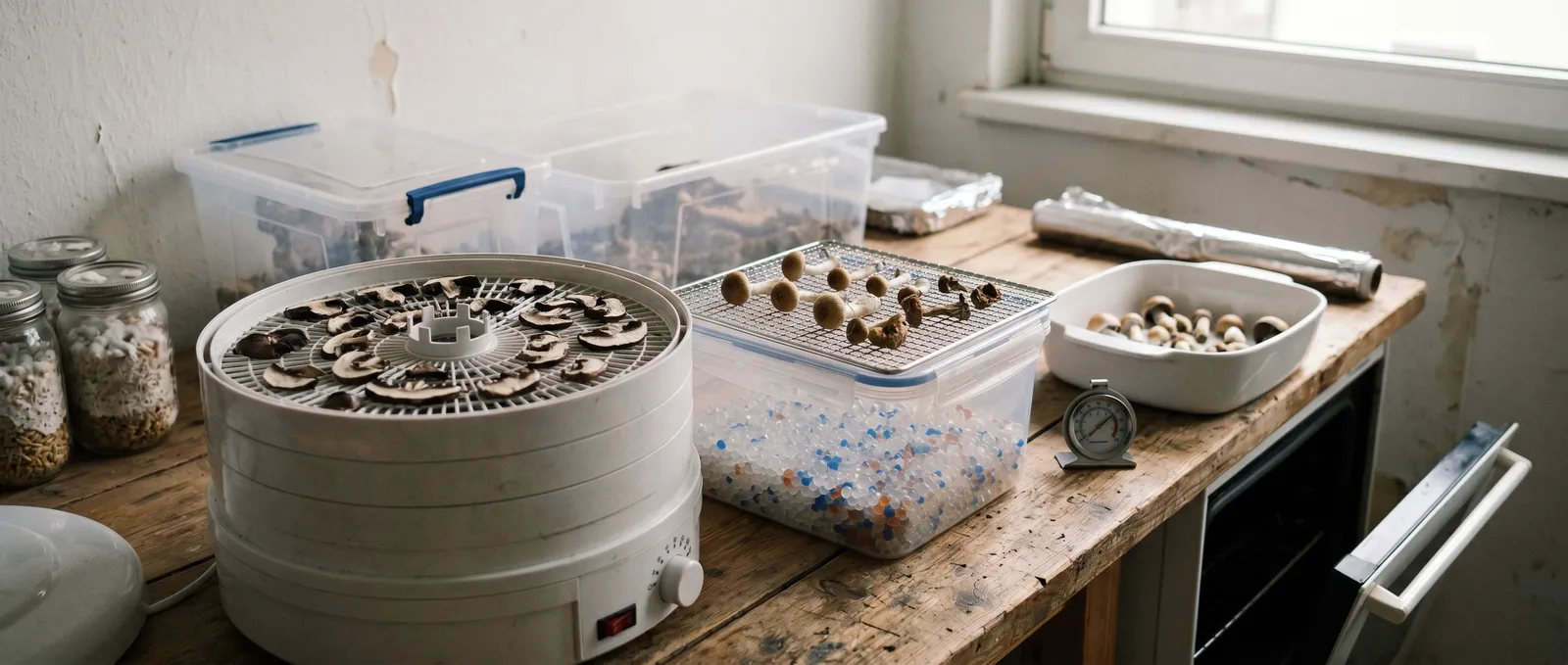
Drying Mushrooms Air Desiccant Oven: Methods Compared
Drying mushrooms air desiccant oven refers to the three home methods for reducing fresh fruit bodies from ~90% water to cracker-dry (<5%). Gotvaldová et al.