Jilter Filters: Pre-Rolled Filters That Actually Work
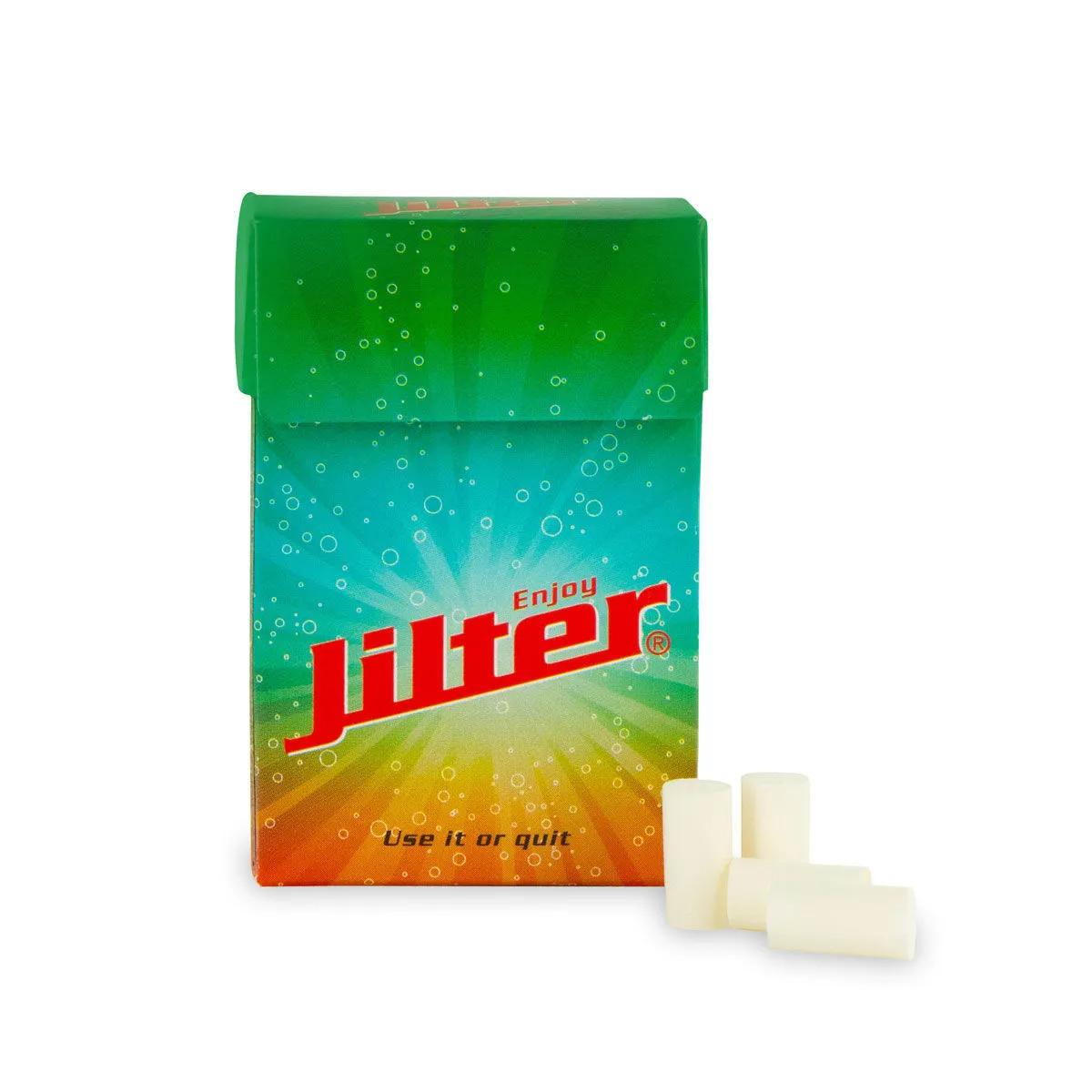
Jilter Filters are pre-rolled pasteboard filters with a fine sponge core designed to catch tar, nicotine, and other unwanted combustion particles before they reach your mouth. Each pack contains 42 individual filters — enough to keep you sorted for weeks. Drop one into the end of your joint or hand-rolled cigarette and you get a cleaner, smoother draw without fiddling with cardboard tips or losing half your herbs to a loose roach.
The concept is dead simple but the engineering is surprisingly clever. Inside each compact filter sits a tiny sponge riddled with micro-pores. These pores act as a physical barrier: smoke passes through, flavour stays intact, but the heavier particulates — tar, ash, and assorted gunk — get trapped. The result is noticeably less tooth discolouration over time and zero crumbs on your tongue. If you've ever pulled a flake of tobacco off your lip mid-conversation, you already know why these exist.
What Makes Jilter Filters Different from Cardboard Tips
Standard cardboard tips do one job: they stop plant material from flying into your mouth and give your joint some structure. That's it. They don't filter anything. Jilter Filters go further by physically trapping combustion byproducts in that sponge layer. You still get the full taste of whatever you're smoking — the filter targets the stuff you don't want, not the flavour compounds you do.
Compared to activated charcoal filters (like those from ActiTube), Jilters are smaller, lighter, and produce less airflow resistance. Charcoal filters can sometimes mute flavour slightly — particularly with aromatic herb blends. Jilters keep the draw more open and the taste profile closer to what you'd get with a plain roach, just minus the nastiness. If you want maximum filtration and don't mind a tighter pull, charcoal is the way to go. If you want a subtle clean-up without changing the smoking experience, Jilters are the better shout.
| Spec | Value |
|---|---|
| Brand | Jilter |
| Filter type | Pre-rolled pasteboard with fine sponge core |
| Filters per pack | 42 |
| Filtration method | Micro-pore sponge (physical barrier) |
| Targets | Tar, nicotine, combustion particulates |
| Flavour impact | Minimal — full taste retained |
| SKU | HS0521 |
| Category | Smokeshop — Rolling Papers |
Complete your rolling setup with a Jilter Smoke-Kit, which bundles papers, filters, and tips in one pocket-sized package. If you prefer a stronger filtration step, pair Jilter Filters with ActiTube activated charcoal filters for a two-stage clean-up — sponge first, charcoal second.
Why Jilter Filters Are Worth Keeping in Your Stash Box
Here's the thing about rolling tips from torn-up business cards or ripped filter booklets: they work in a pinch, but they're doing absolutely nothing for filtration. You're still inhaling every particle that combustion throws at you. Over time, that shows — on your teeth, on your fingers, and in the back of your throat the morning after a session.
Jilter Filters slot into that gap between "no filter at all" and "full activated charcoal setup." They're the path of least resistance — literally. No rolling skill required, no extra equipment, no change to your ritual. You grab one, push it into the end of your paper before you roll, and carry on as normal. The most common thing we hear: "I didn't realise how much rubbish I was inhaling until I saw what the filter caught."
The honest limitation? They're single-use. You can't rinse and reuse them — once the sponge is saturated, it's done. At 42 per pack that's reasonable value, but if you're rolling 5 or 6 a day, you'll burn through a pack in about a week. Stock up accordingly.
How to Use Jilter Filters
- Take a single Jilter Filter from the pack. It's a small, cylindrical pasteboard tube with a sponge core visible at one end.
- Place the filter at the end of your rolling paper where you'd normally position a cardboard tip or roach.
- Distribute your smoking blend evenly along the paper, right up to the filter.
- Roll as you normally would — the Jilter sits snugly and holds its shape, so no special technique is needed.
- Light up and draw. You'll notice the airflow is smooth and open, with noticeably fewer particulates reaching your mouth.
- After your session, dispose of the used filter. Don't attempt to reuse it — the sponge is designed for single use.
Frequently Asked Questions
Do Jilter Filters reduce the effects of my herbs?
No. The fine sponge targets heavier combustion particles like tar and ash. The active compounds in your herbs pass through with the smoke. Flavour and effect stay intact — you're just removing the stuff your lungs don't want.
How do Jilter Filters actually work?
Each filter contains a sponge with tiny micro-pores. As smoke passes through, larger particulates — tar, nicotine residue, ash — get physically trapped in those pores. Lighter flavour compounds and active ingredients pass through unobstructed.
Can I reuse a Jilter Filter?
No. Once the sponge core is saturated with tar and residue, it stops filtering effectively. Each Jilter is designed for single use. With 42 per pack, you get solid value even with daily use.
Are Jilter Filters eco-friendly?
The pasteboard casing is biodegradable. The sponge core breaks down more slowly, but overall they produce less waste than plastic-tipped cigarette filters. Dispose of used filters in general waste — don't litter them.
What size papers work best with Jilter Filters?
Standard and king-size papers are the best match. The filter diameter suits a normal-width roll. With slim papers, the Jilter can feel a touch wide, so you may end up with a slightly thicker joint than usual.
How are Jilter Filters different from activated charcoal filters?
Charcoal filters (like ActiTube) offer stronger filtration but create more airflow resistance and can slightly mute flavour. Jilters use a sponge-based system that's gentler on taste and keeps the draw more open. Pick based on whether you prioritise maximum filtration or flavour fidelity.
Last updated: April 2026