
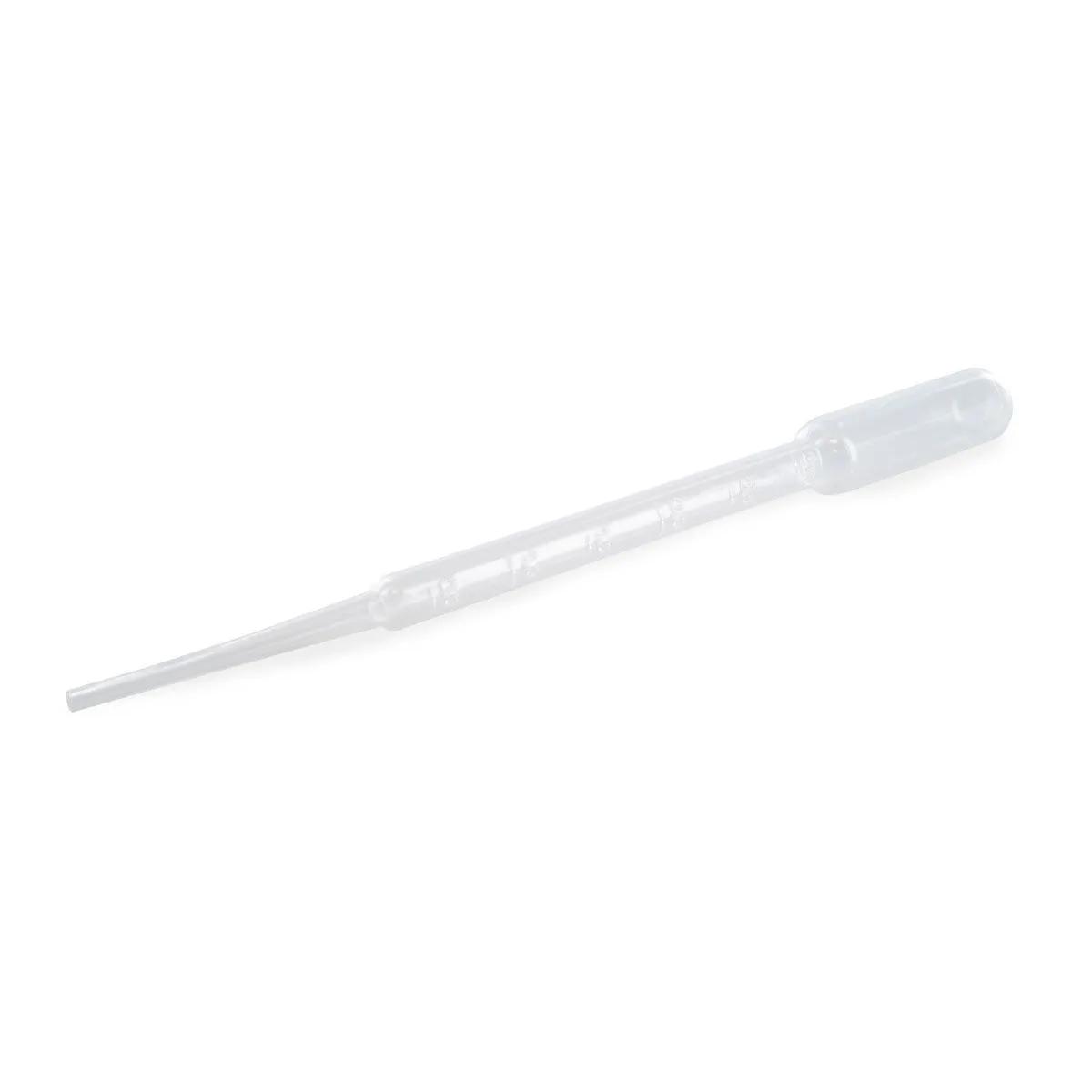
Plastic Pasteur Pipette (3ml)
Plastic Pasteur Pipette (3ml)
A plastic Pasteur pipette 3ml is a disposable, single-use transfer tool that lets you move small volumes of liquid with precision — no guesswork, no mess. This squeezable polyethylene pipette handles the everyday jobs that come up more often than you'd think: dosing liquid fertiliser, measuring out tinctures drop by drop, or running a home drug test where accuracy actually matters. Lightweight, flexible, and cheap enough to bin after every use, it's the kind of thing you should buy a handful of and stash in your kit drawer.
| Spec | Value |
|---|---|
| Capacity | 3 ml |
| Material | Flexible plastic (polyethylene) |
| Type | Pasteur pipette (non-graduated transfer pipette) |
| Sterile | No (general-purpose use) |
| Reusable | No — single-use, dispose after each transfer |
| SKU | SH0121 |
| Pipette Type | Volume Markings | Material | Best For |
|---|---|---|---|
| Plastic Pasteur pipette (this product) | None — estimate by drops | Polyethylene | Home drug testing, gardening, tinctures |
| Graduated transfer pipette | Printed ml lines on barrel | Plastic | Measured dosing where exact volume matters |
| Glass Pasteur pipette | None | Borosilicate glass | Lab work, reusable with sterilisation |
| Micropipette | Digital or dial readout | Metal/plastic body, disposable tips | Precision lab measurement (µl range) |
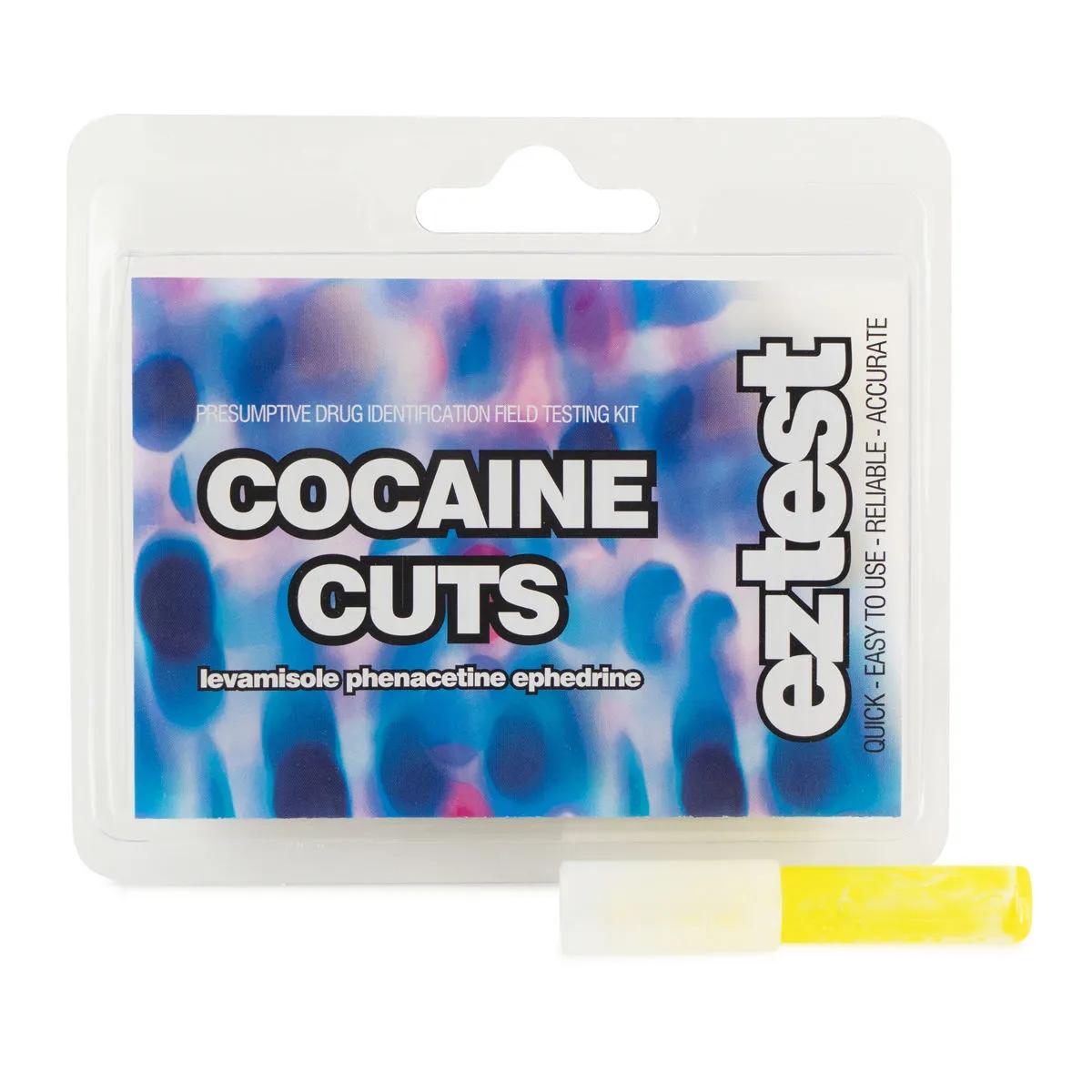
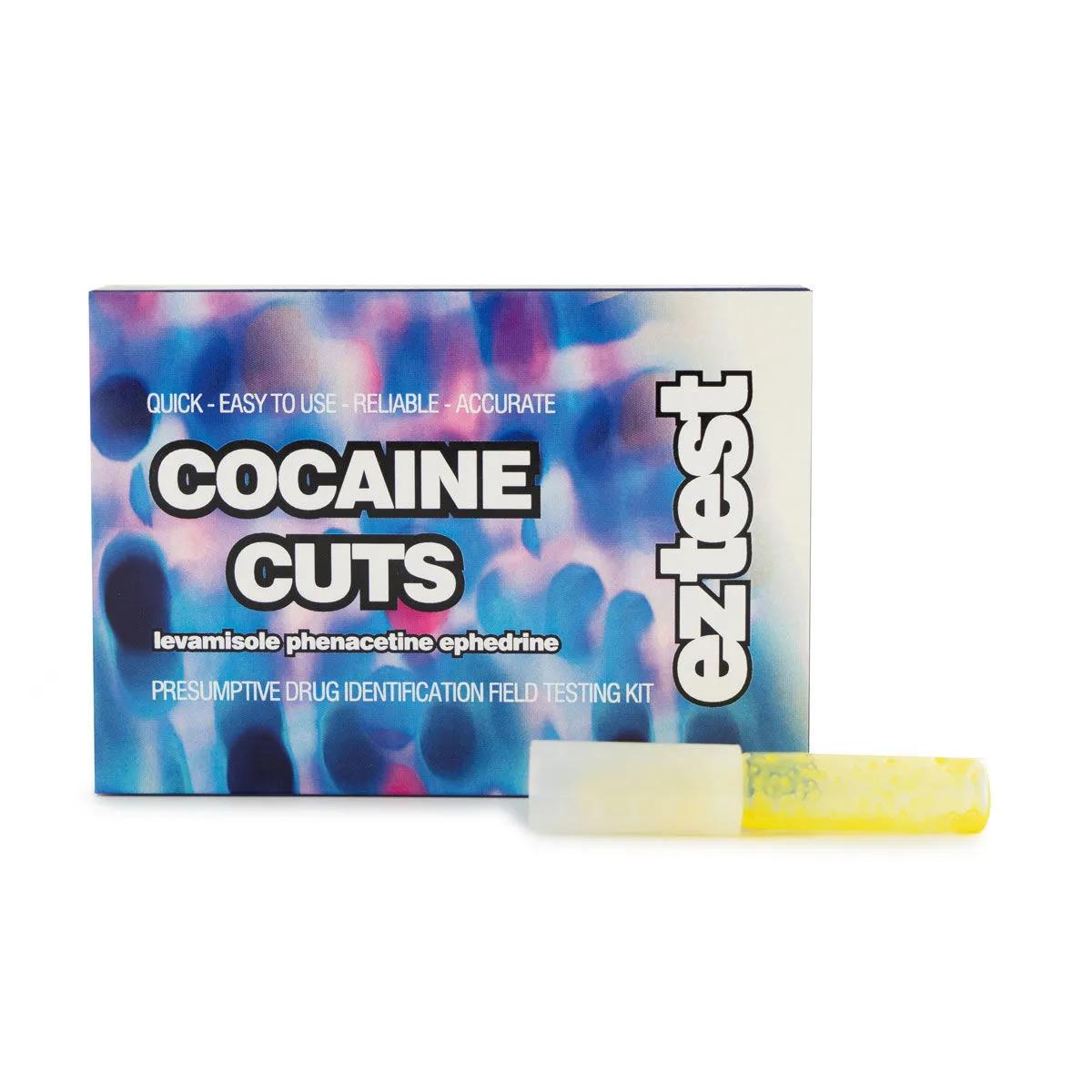
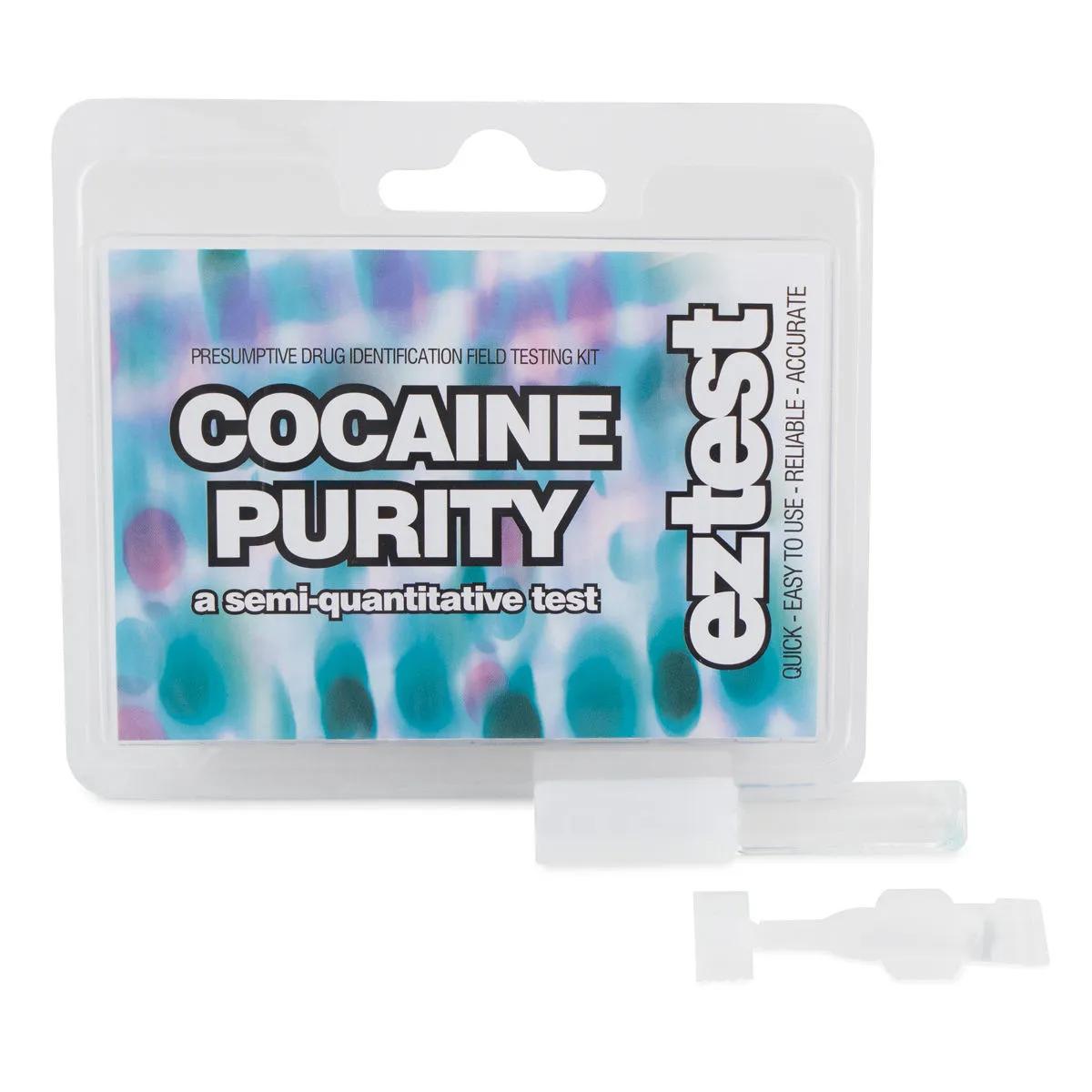
Running a home drug test? Order a few of these alongside your EZ Test kit or Marquis reagent — most reagent tests need a small, controlled amount of liquid, and eyeballing it with a spoon is a recipe for inaccurate results. Also handy to keep a stack next to your liquid plant nutrients so you can measure feeds without contaminating the bottle. If you're testing multiple substances, grab an EZ Test Multi Drug Kit and a pack of these pipettes so each sample gets a fresh, uncontaminated transfer.
Why You Need a 3ml Plastic Pasteur Pipette
A 3ml plastic Pasteur pipette eliminates the two problems that ruin home tests and liquid measurements — spillage and contamination. You never think you need one until you're standing over a drug testing kit trying to transfer 1ml of liquid from a tiny vial with shaky hands and a teaspoon. We've watched it happen in the shop more times than we can count. A single plastic Pasteur pipette 3ml costs next to nothing, weighs about 2 grams, and saves you from both issues in one squeeze.
Contamination is the one people underestimate. If you reuse a pipette — or worse, dip the same dropper into two different liquids — you've just introduced unknown variables into whatever you're measuring. That matters when you're running a reagent drug test, where even a tiny amount of residue from a previous sample can throw off the colour reaction. According to the EMCDDA's harm reduction guidelines, accurate sample handling is one of the most overlooked steps in home reagent testing — and a disposable pipette is the simplest fix. It matters when you're dosing liquid plant feed, because mixing nutrient lines in the wrong order or with cross-contaminated tools can lock out uptake in your growing medium. And it matters with tinctures, where hygiene keeps the product stable over time.
The honest limitation? These are basic transfer pipettes, not precision lab instruments. There are no graduation markings on the barrel, so you're estimating volume by eye or by counting drops. For most home purposes — drug testing, gardening, kitchen work — that's absolutely fine. If you need exact microlitre accuracy, you'd want a graduated pipette or a proper micropipette. But for the price of a few of these, you'd be daft not to get a handful and keep them in your kit drawer.
How to Use a Plastic Pasteur Pipette
Using a plastic Pasteur pipette 3ml takes about ten seconds and requires zero experience — squeeze, dip, release, transfer, dispose.
- Remove the pipette from its packaging. Hold it between your thumb and index finger near the bulb (the squeezable top section).
- Squeeze the bulb gently before inserting the tip into your liquid. This expels the air inside the pipette.
- Submerge the narrow tip into the liquid you want to transfer — keep it below the surface to avoid drawing in air bubbles.
- Release the bulb slowly. The vacuum draws liquid up into the barrel. A full squeeze-and-release fills roughly 3ml.
- Move the pipette tip to your target container — test vial, measuring cup, plant pot, whatever you're working with.
- Squeeze the bulb again to dispense. For smaller amounts, squeeze gently and count drops. One drop from a standard Pasteur pipette is approximately 0.05ml, so roughly 20 drops per millilitre.
- Dispose of the pipette after use. Do not rinse and reuse — cross-contamination between liquids is the number one source of inaccurate results in home testing.
Related products

Medical disclaimer. This content is for informational purposes only and does not constitute medical advice. Consult a qualified healthcare provider before use of any substance.