
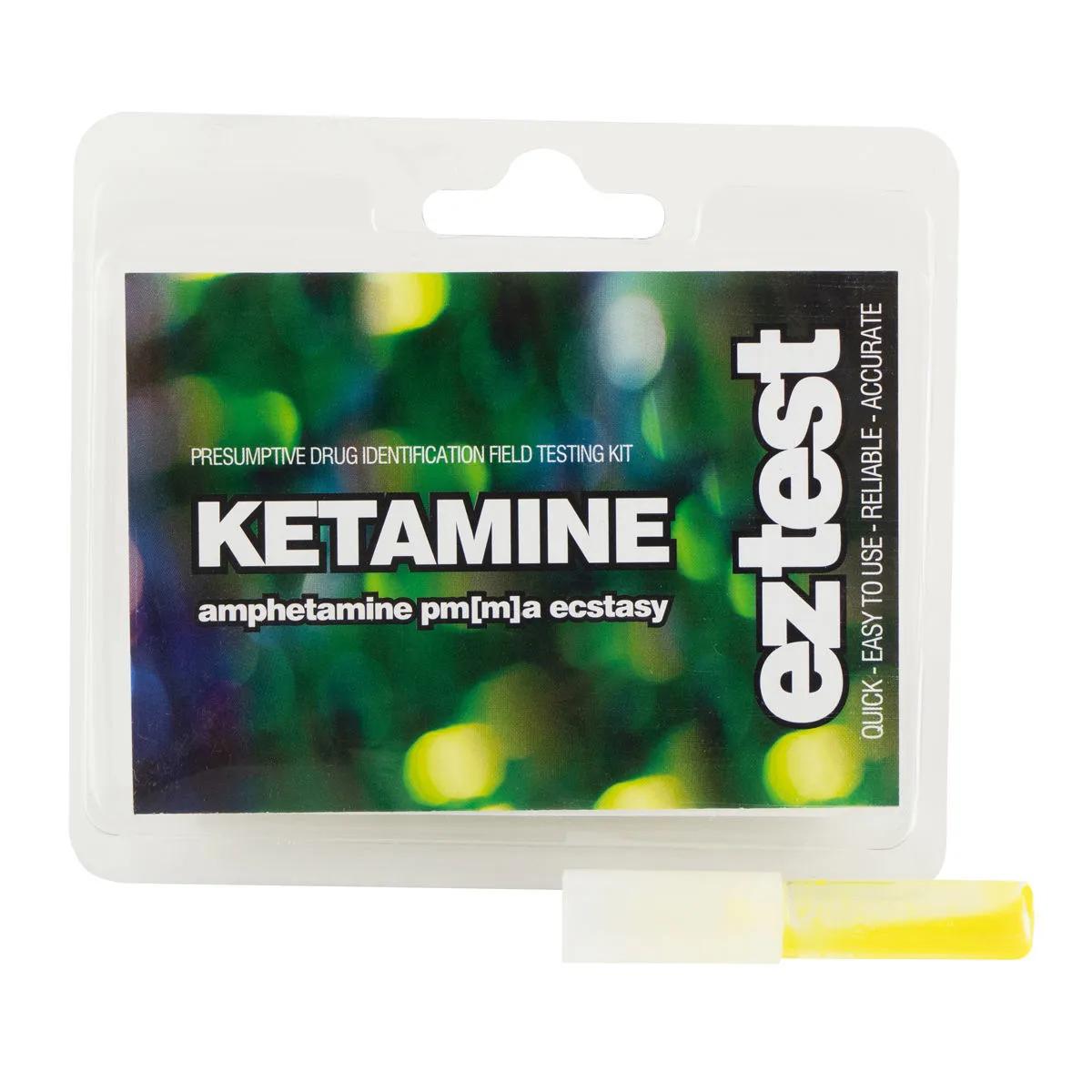
EZ Test Ketamine: Know What You're Taking Before You Take It
EZ Test Ketamine is a single-use reagent test kit that detects the presence of ketamine in powder, crystal, or pill form within minutes. Drop a tiny sample into the ampoule, give it a gentle shake, and the reagent changes colour to tell you what's actually in there. It's the fastest way to check your gear without sending it off to a lab — and it picks up more than just ketamine.
Which Pack Size?
The EZ Test Ketamine comes in three variants. If you're testing a single batch, the 1-pack does the job. The 5-pack suits anyone who picks up from different sources over a few months. The 10-pack is the best value per test and stores for up to 3 years unopened — so there's no rush to use them all at once.
| Variant | Tests included | Best for |
|---|---|---|
| 1-pack (SM0186) | 1 test | One-off check |
| 5-pack (SSDT0032) | 5 tests | Regular testing over months |
| 10-pack (SM0376) | 10 tests | Stocking up — up to 3 years shelf life |
What Does the EZ Test Ketamine Actually Detect?
This reagent test kit identifies 6 substance groups from a single ampoule — not just ketamine. Each substance produces a distinct colour change, which you match against the included colour chart. Here's what it picks up:
| Substance | Colour reaction |
|---|---|
| Ketamine | Distinct colour change (see enclosed chart) |
| MDMA (Ecstasy) | Separate colour reaction |
| (Meth)Amphetamine | Separate colour reaction |
| 2-AI | Separate colour reaction |
| Methylphenidate / Ritalin | Separate colour reaction |
| PMA / PMMA | Separate colour reaction |
That last one — PMA/PMMA — is the one that matters most from a harm-reduction standpoint. PMA is significantly more toxic than MDMA at comparable doses and has been linked to fatalities across Europe. If your sample turns up PMA instead of what you expected, that's potentially life-saving information.
Why You Need a Ketamine Test Kit
We've been selling drug testing kits since the early 2000s, and the single most common thing we hear is: "I trust my source." Fair enough. But your source has a source, and that person has a source. By the time a powder reaches your hand, it's been through multiple steps — and any one of them could have introduced a cut, a substitute, or something genuinely dangerous.
Ketamine in particular gets stretched with all sorts. We've seen customers come back surprised that their "ketamine" tested positive for amphetamine instead. Others have found no reaction at all — meaning whatever they had wasn't any of the 6 substances this kit detects, which is its own kind of red flag. A reagent test won't tell you purity or exact dosage, but it will tell you whether the substance you think you have is actually present. That's the minimum baseline before putting anything in your body.
The honest limitation: reagent tests are presumptive, not definitive. They confirm the presence of a substance, not its concentration. If you need exact purity numbers, you'd need a lab analysis — services like those offered by the Trimbos Institute in the Netherlands. But for a quick field check that takes 2 minutes and costs a fraction of a lab test, this is the best tool available.
How to Use the EZ Test Ketamine Kit
- Open the sealed foil pouch and remove the glass ampoule. You'll notice the reagent liquid inside — handle it carefully, as the chemicals can stain skin and clothing.
- Scrape off a tiny sample of the substance you want to test. You need very little — roughly the size of a match head for powder, or a small chip if you're testing a pill. Less is more here; too much sample can muddy the colour.
- Snap the top off the ampoule at the scored line. Drop your sample directly into the reagent.
- Gently swirl or shake the ampoule for a few seconds. Don't go mad — a light swirl is enough to mix the sample with the reagent.
- Wait 2-5 minutes. The liquid will change colour as it reacts with the substance.
- Compare the colour against the chart included in the packaging. Each substance produces a different hue. If the colour doesn't match any listed substance, your sample may contain something the kit doesn't test for — and that's information worth having.
- Dispose of the used ampoule safely. The reagent is corrosive — don't pour it down the sink or leave it where someone might handle it bare-handed.
One thing we always mention in the shop: do the test in decent lighting. Trying to read a colour chart by phone torch in a dim room is a recipe for misreading results. Natural daylight or a bright white lamp — that's what you want.
Ketamine: What the Research Says
Ketamine has drawn serious clinical attention over the past decade, particularly for its potential in treating depression. According to a study published in PubMed, one hour after administration of ketamine treatment there was a notable and significant improvement in depression symptoms (PubMed ID: 38714931). And according to research published in PMC, the proposed clinical effects of ketamine and its mechanism of action in treatment-resistant depression involve various pharmacodynamic targets (PMC, 2023). A multicenter trial of esketamine in nasal spray form showed a robust antidepressant effect in patients with treatment-resistant depression, according to a review in PMC (2024).
On the safety side, reported side effects from clinical settings include drowsiness, nausea, feeling disoriented, and — at higher doses — dissociative symptoms. These are dose-dependent: clinical studies have typically used doses in the 100-200mg range per session for therapeutic purposes, with a maximum around 150mg staying within the safety window according to Bespoke Treatment. Recreational doses vary — Crew 2000 lists a common range of 30-75mg when insufflated.
None of this is a reason to skip testing. If anything, knowing that ketamine's effects are strongly dose-dependent makes it even more critical to confirm you actually have ketamine and not a substitute with a completely different dosing profile.
EZ Test Ketamine vs. Lab Testing
Reagent tests and laboratory analysis answer different questions. Here's a straight comparison so you know what you're getting:
| Feature | EZ Test Ketamine | Lab analysis |
|---|---|---|
| What it tells you | Presence/absence of 6 substance groups | Exact composition and purity percentage |
| Time to result | 2-5 minutes | Days to weeks |
| Where you can use it | Anywhere — pocket-sized | Must submit sample to facility |
| Accuracy | Presumptive — confirms presence, not concentration | Scientifically verified |
| Shelf life | Up to 3 years sealed | N/A |
| Cost | Low per test | Higher, varies by service |
For most situations, the EZ Test is the practical choice. It's what you can actually use on a Friday night before going out. Lab testing is the gold standard for certainty, but it's not something you can do on the spot. We'd say: use the reagent test as your first line of defence. If something looks off — no reaction, unexpected colour — consider sending a sample to a lab before going any further.
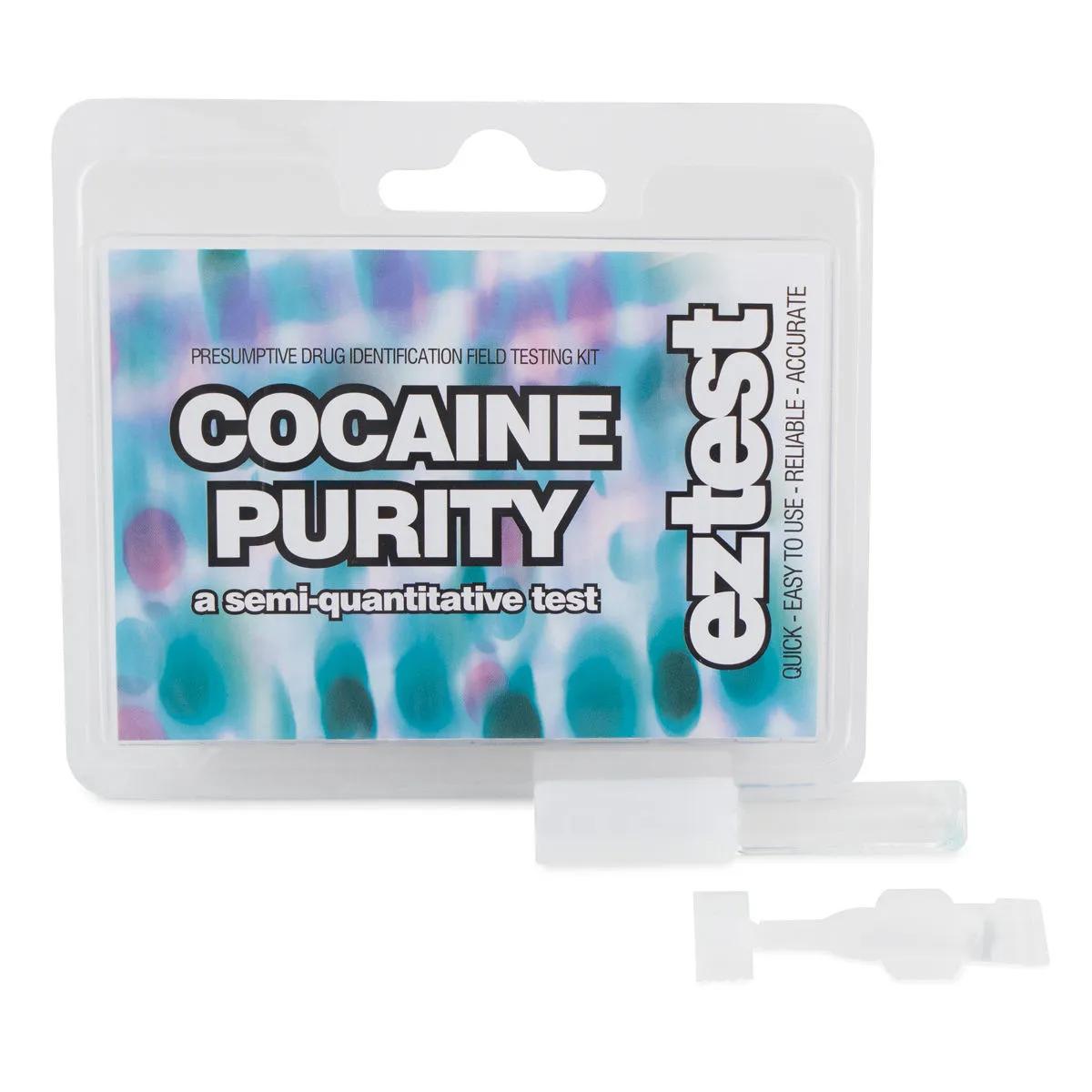
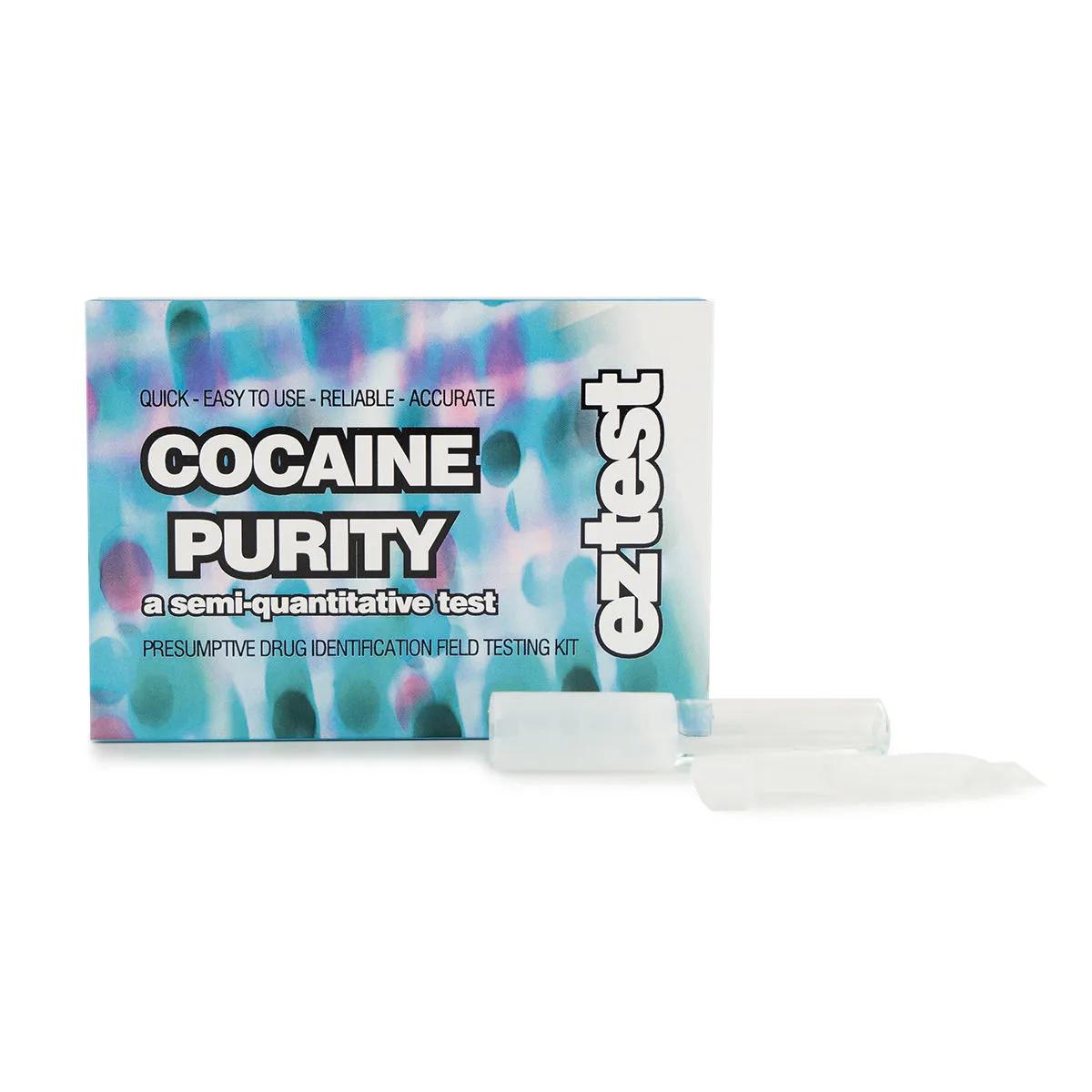
Testing for more than one substance? The EZ Test Marquis Reagent covers a broader range of compounds including opioids, and the EZ Test Cocaine Purity kit is worth grabbing if you're checking multiple substances in a session. Pair any test kit with the DanceSafe fentanyl test strips for an extra layer of screening — fentanyl contamination is increasingly turning up in substances where nobody expects it.
Related products

Medical disclaimer. This content is for informational purposes only and does not constitute medical advice. Consult a qualified healthcare provider before use of any substance.