
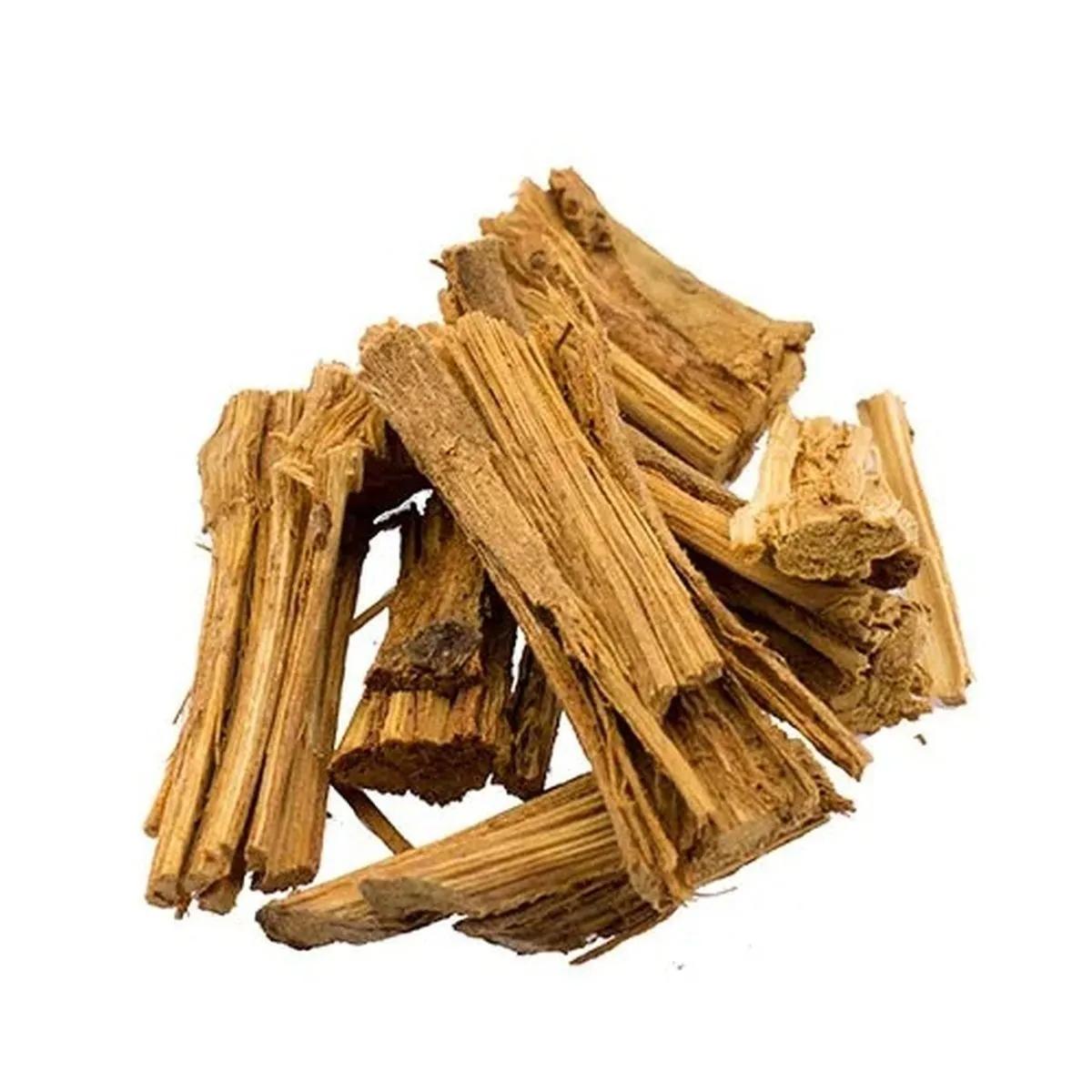
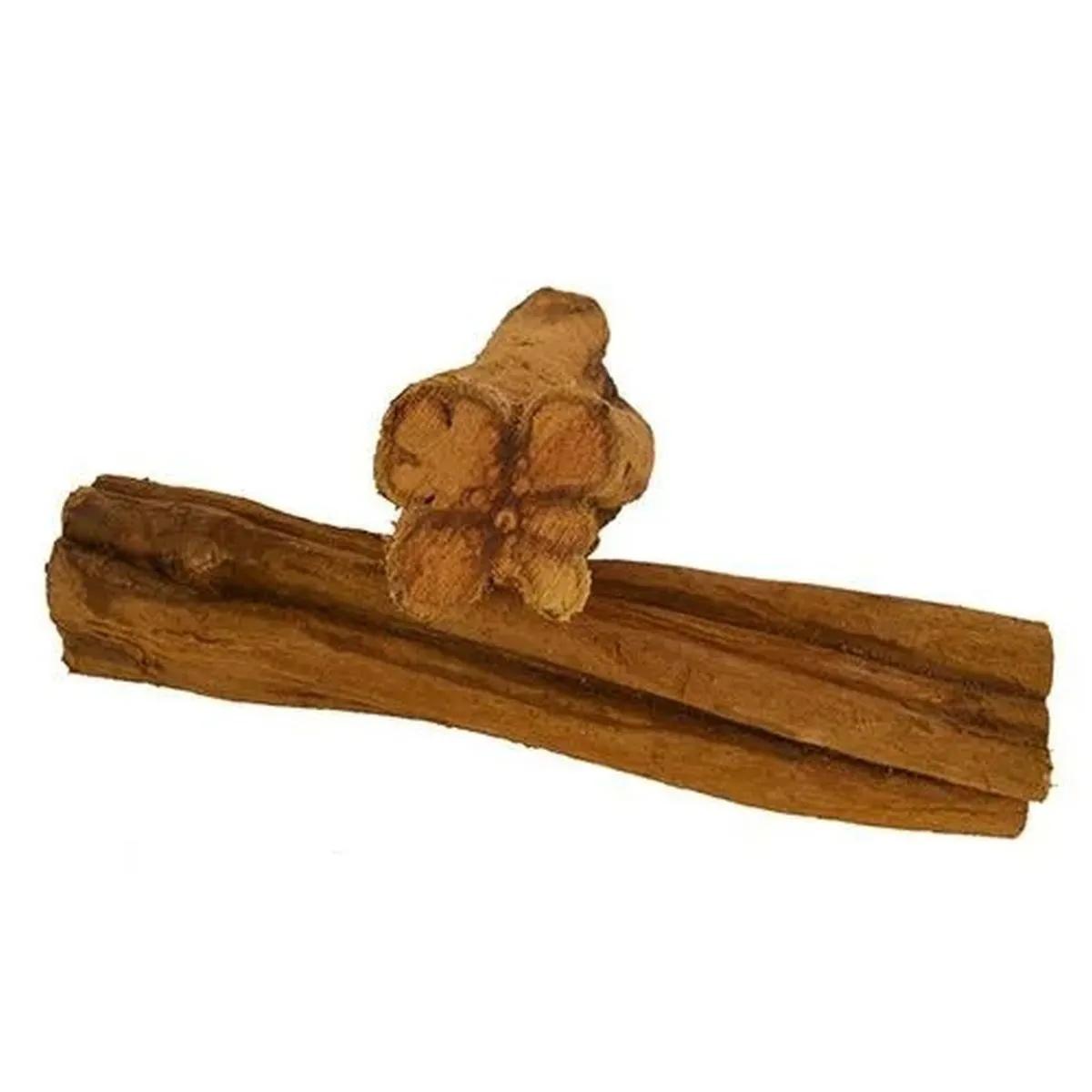
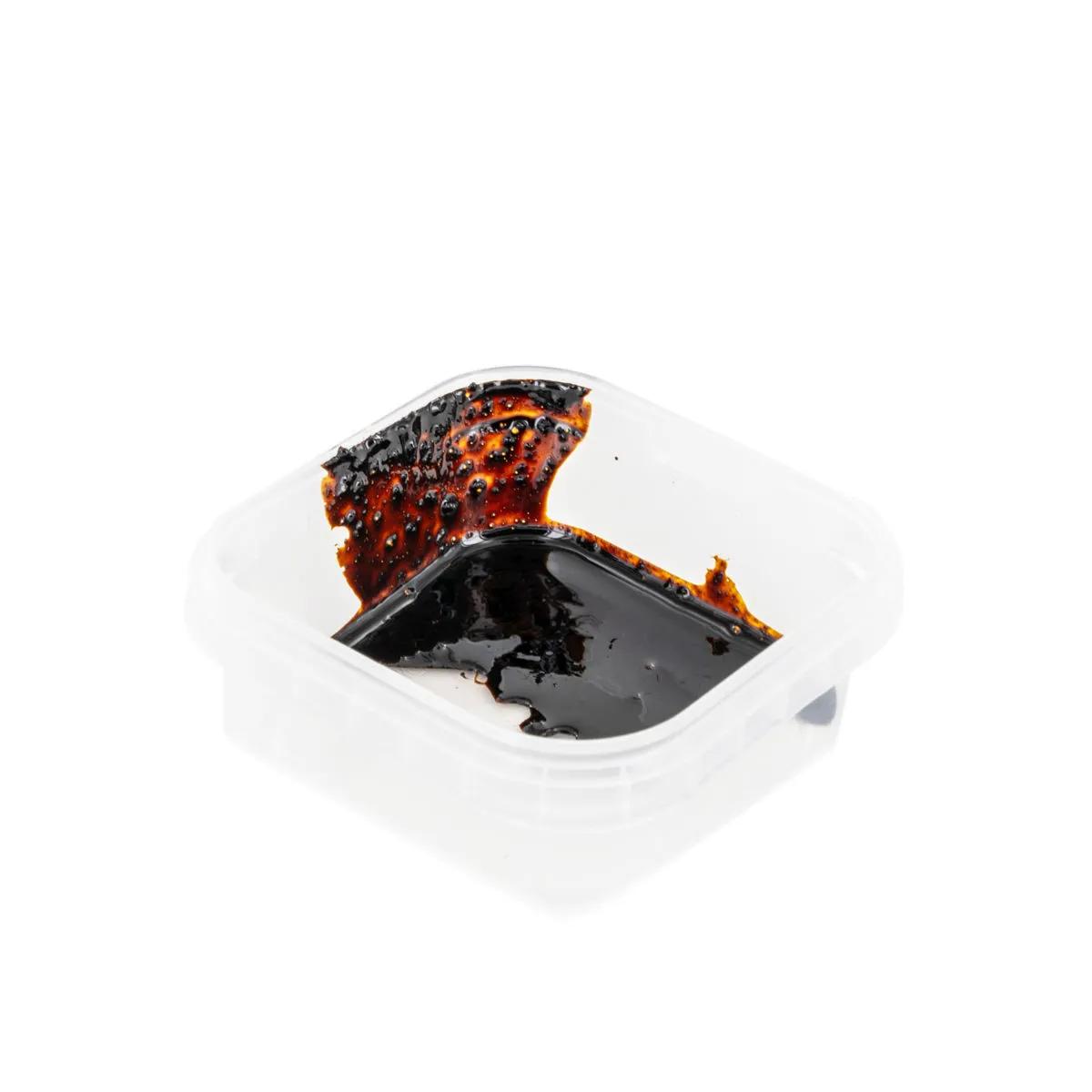
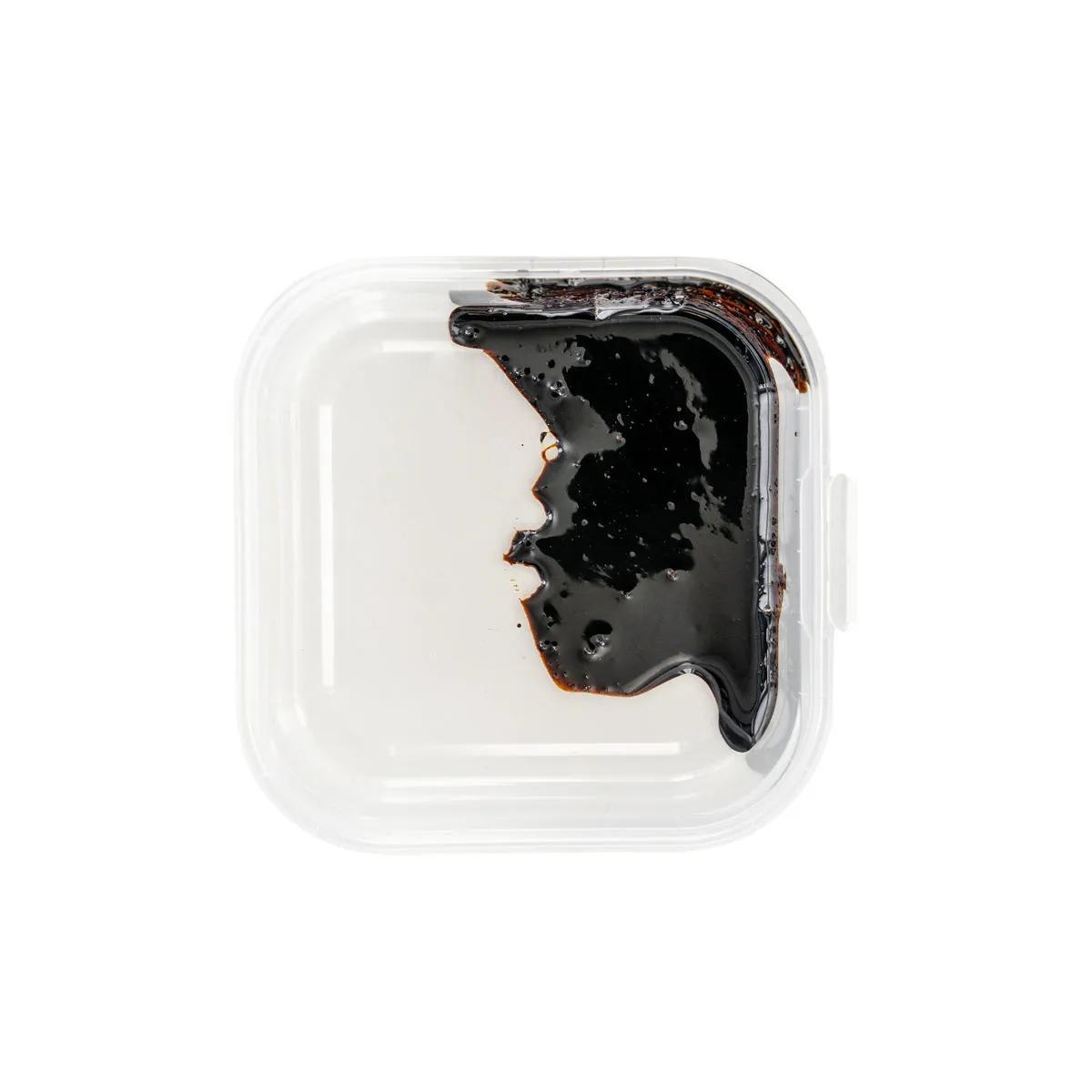
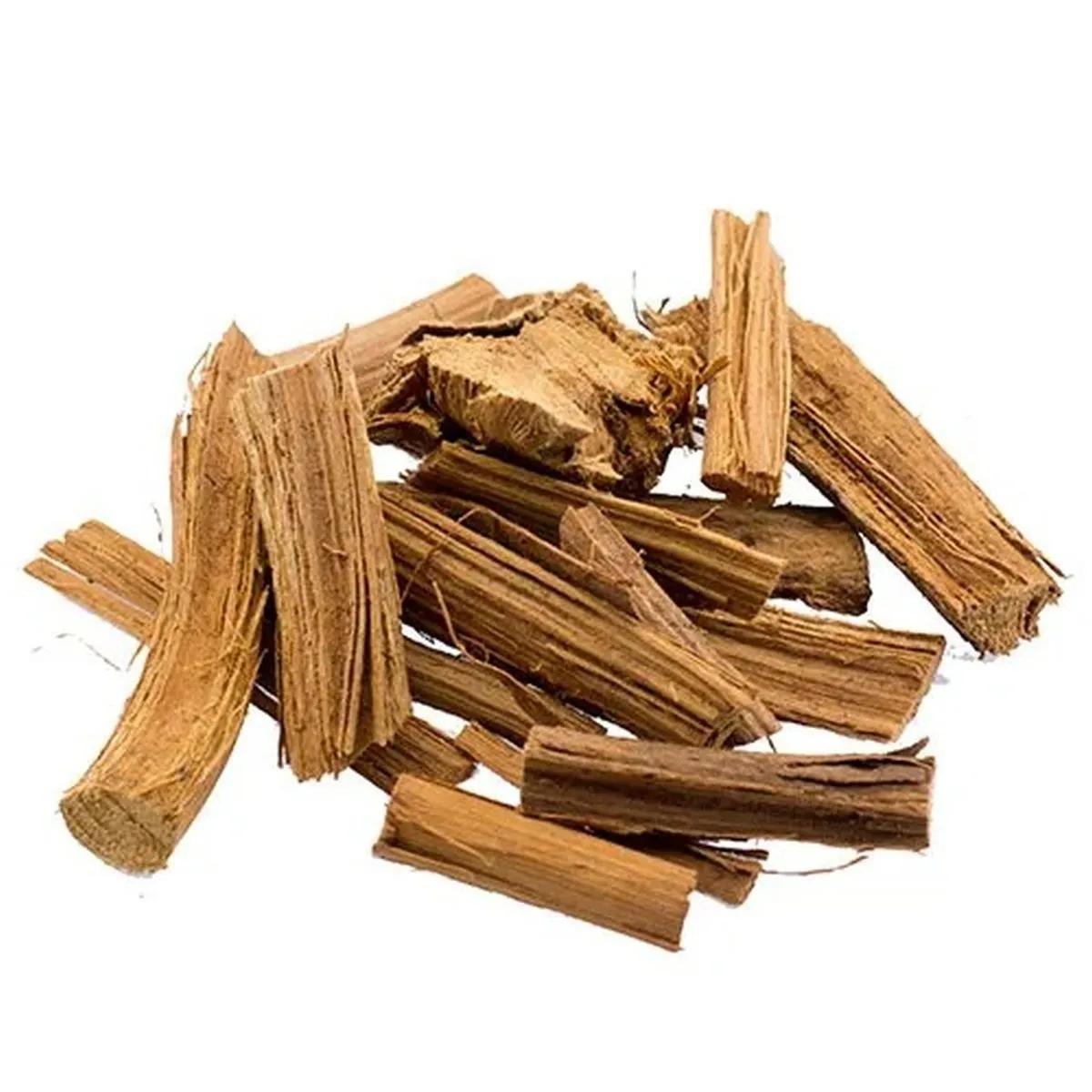
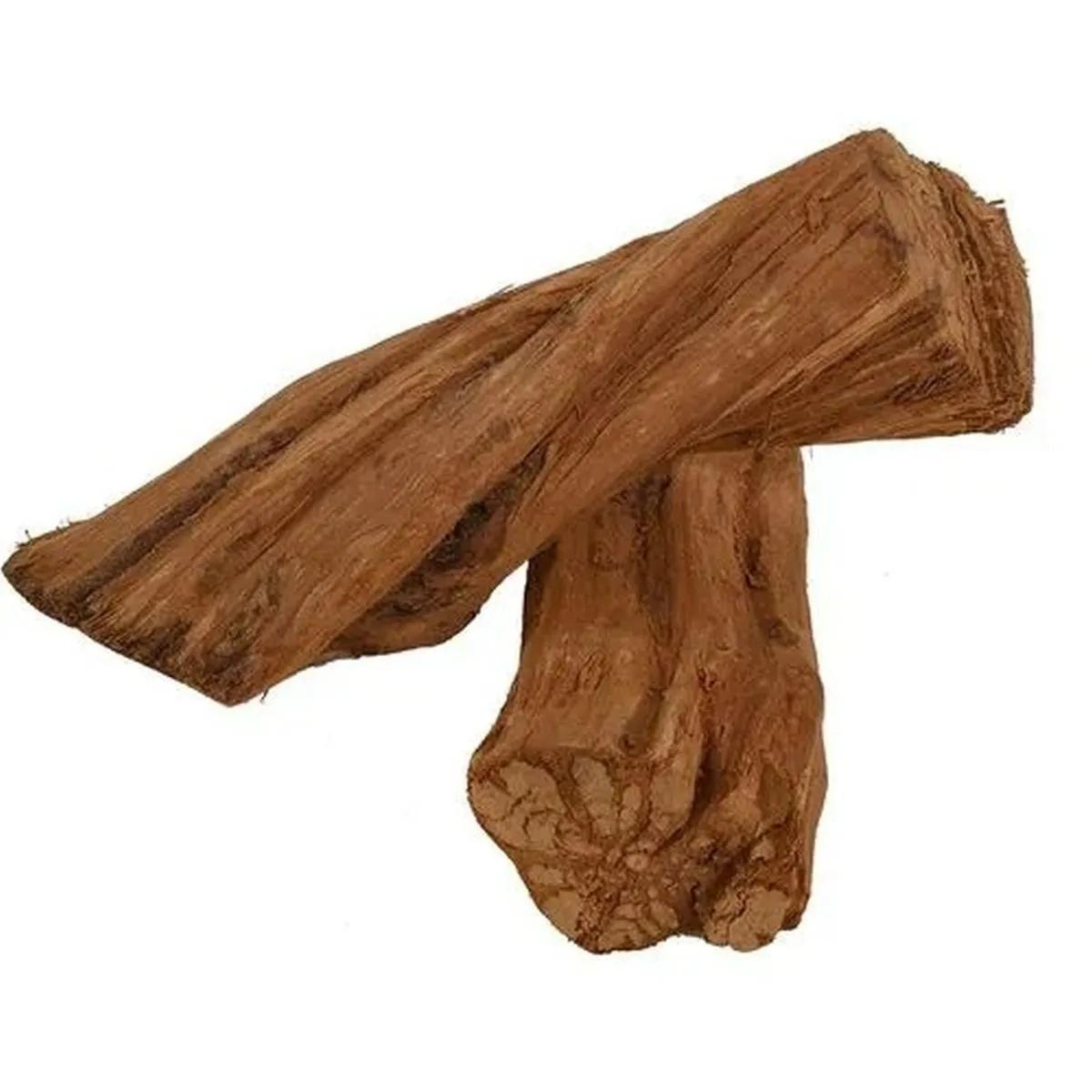
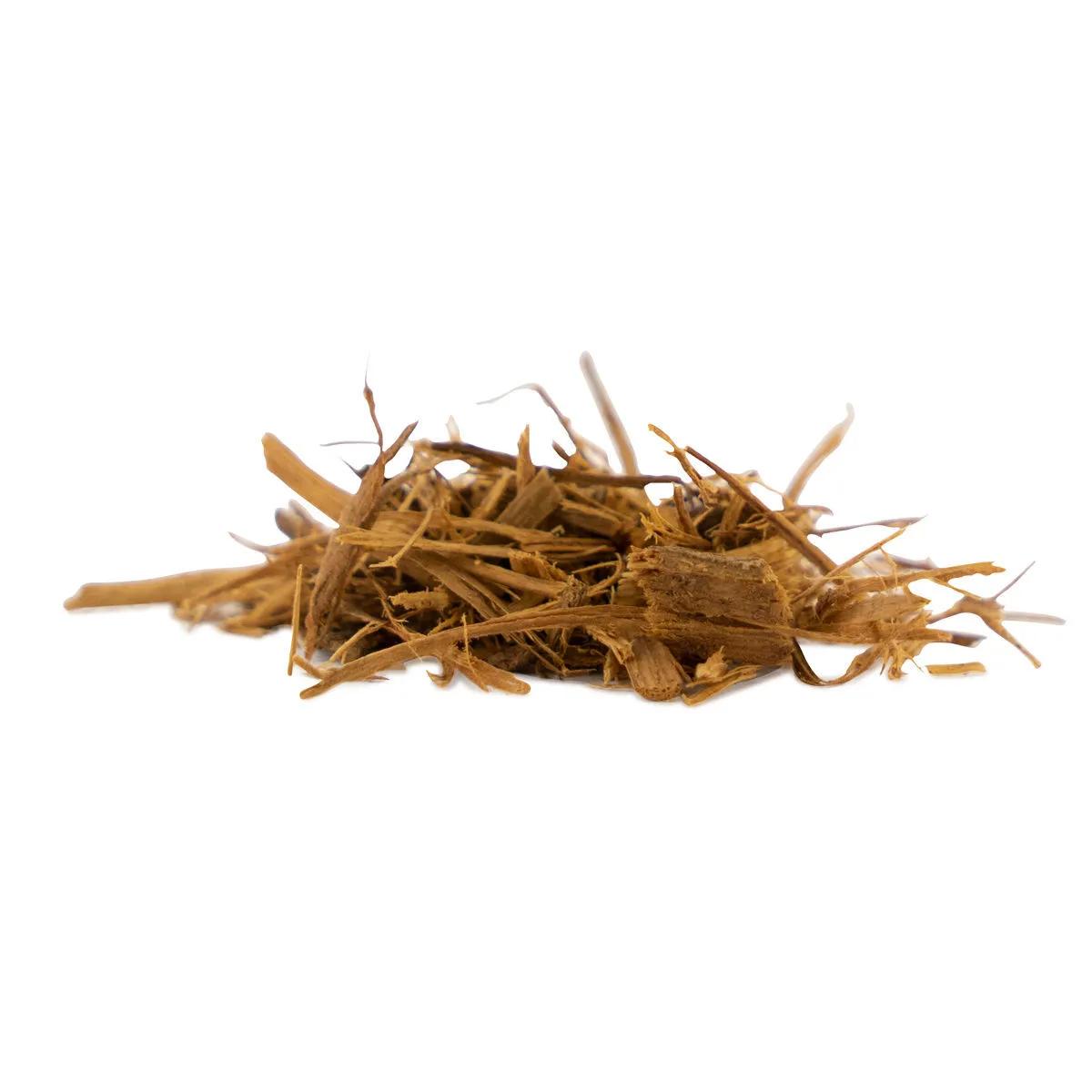
Banisteriopsis caapi is the sacred Amazonian vine at the heart of traditional ayahuasca preparations, rich in beta-carboline alkaloids (harmine, harmaline, tetrahydroharmine). This category brings together four formats — shredded vine, yellow caapi, red caapi (Caapi Rojo), and 15x resin — for ethnobotanical collectors and students of South American plant traditions. Buy Banisteriopsis caapi from Azarius, the Amsterdam smartshop shipping sacred plant material across the EU since 1999.
Buy Banisteriopsis Caapi — Vine Format Buying Guide
Banisteriopsis caapi is sold in four formats at Azarius, each suited to a different collector. The vine itself is a giant woody liana native to the Amazon basin, known locally as the "vine of the soul" and referenced more often in ethnobotanical literature than any other South American plant. What you choose comes down to how concentrated you want the material and which traditional lineage you're studying.
| Format | Weight | Good for |
|---|---|---|
| Banisteriopsis caapi (shredded) | 50 g | First-time buyers starting an ethnobotanical collection |
| Banisteriopsis caapi Yellow | 50 g (whole or shredded) | Collectors wanting the most widely documented variety in the literature |
| Banisteriopsis caapi Red (Caapi Rojo) | 50 g (whole or shredded) | Collectors focused on the red lineage tied to strength and transformation symbolism |
| Banisteriopsis caapi Resin 15x | Concentrate | Experienced collectors who want the alkaloid profile at 15x concentration, no additives |
Read the table by format first, lineage second. The shredded and yellow 50g packs are the two we'd point a newcomer at — they're the reference specimens every caapi collection starts with. Red caapi is the one you order when you already know why you want it. The 15x resin is a different beast entirely: it's an extracted concentrate, not raw vine, and it's priced and dosed accordingly.
Yellow vs Red vs Resin — What Actually Differs
Yellow and red caapi are two named varieties of the same species (Banisteriopsis caapi), distinguished in Amazonian tradition by the colour of the inner bark and the lineage of the plant. Yellow caapi is the workhorse — it's what most Western ethnobotanical writing is based on, and it's what we'd get first if we were building a reference collection. Red caapi (Caapi Rojo) carries its own symbolic weight in indigenous traditions tied to strength and transformation, and some collectors specifically want the red lineage for that reason.
The 15x resin is a separate category. It's made by reducing the vine down to a concentrated resin with no additives or harsh chemicals — the beta-carboline profile of the plant in a more compact form. It's not a substitute for raw vine in an ethnobotanical collection; it's a different kind of specimen. If you're cataloguing formats, you want both. If you're just starting out, skip the resin for now.
How to Choose Your Banisteriopsis Caapi
New to this? Buy the standard shredded 50g or the Banisteriopsis caapi Yellow 50g. Either one gives you the most-referenced material in the ethnobotanical literature, and 50g is a sensible first specimen size. If you're already familiar with caapi and want to expand the collection, order the red variety next — it's the obvious second vine, and the whole-form option is nice if you want to display it rather than store it shredded.
The 15x resin is for collectors who already own raw vine and want the concentrated form as a separate reference. Don't start here. Start with the vine itself — the resin makes more sense once you know what the base material looks and smells like.
Frequently Asked Questions
What is Banisteriopsis caapi?
Banisteriopsis caapi is a giant woody vine native to the Amazon basin, known as the "vine of the soul" and revered for centuries by indigenous Amazonian communities. It's the foundational ingredient in traditional ayahuasca preparations, containing the beta-carboline alkaloids harmine, harmaline, and tetrahydroharmine.
What's the difference between yellow and red Banisteriopsis caapi?
Yellow and red caapi are two named varieties of the same species, distinguished in Amazonian tradition by the colour of the inner bark and the plant's lineage. Yellow is the most widely referenced variety in ethnobotanical literature; red (Caapi Rojo) is tied symbolically to strength and transformation.
Should I buy shredded or whole Banisteriopsis caapi vine?
Shredded is the practical choice for storage and study — it takes up less space and is easier to handle. Whole vine is preferred by collectors who want to display the specimen or keep it closer to the form it arrives in from the Amazon. The yellow and red 50g packs are available in both.
What is Banisteriopsis caapi Resin 15x?
It's a concentrated resin extracted from the caapi vine at a 15-to-1 ratio, with no additives or harsh chemicals. It's a separate category of specimen from raw vine — order it once you already own the base material and want the concentrated alkaloid profile as a reference.
Where should I start if I'm new to collecting Banisteriopsis caapi?
Start with the standard shredded 50g or the Banisteriopsis caapi Yellow 50g. Both give you the most-documented material in the literature at a sensible first-specimen size. Add red caapi second, and the 15x resin only once you're familiar with the raw vine.
Last updated: April 2026