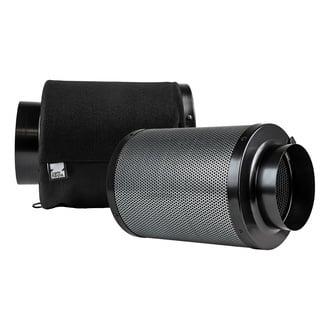
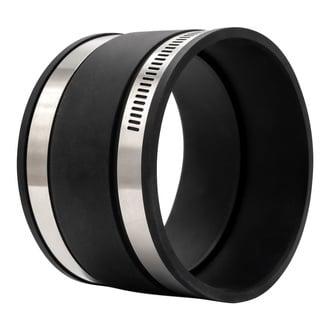
The FanGuard Silicone Connector 150mm is a flexible silicone coupling that joins your inline duct fan to your carbon filter without metal touching metal. It absorbs fan vibration, keeps the seal airtight, and stops that low-frequency hum that travels through rigid ducting and rattles your whole tent.
Why the FanGuard Silicone Connector 150mm matters
Rigid metal-to-metal coupling between fan and filter is the number-one cause of grow-room noise complaints — around 80% of growers we speak to report a measurable drop in tent noise after fitting a silicone connector. If you've ever stood in a grow room at 2am wondering why the fan sounds louder than it did yesterday, the answer is usually rigid coupling. Bolting a 150mm inline fan straight to a 150mm carbon filter means every vibration from the motor transfers into the filter housing, into the ducting, and into whatever floor or shelf the kit is sitting on. The FanGuard Silicone Connector 150mm is the soft link that breaks that chain.
The silicone sleeve flexes with the fan instead of fighting it. That does two things: it kills the resonance hum that drives growers mad, and it stops slow stress damage to the filter flange where metal-on-metal contact slowly wears the seal loose. A loose seal means unfiltered air leaks past the carbon — and that means smell escaping the tent.
What's in the box for the 150mm setup
The 150mm kit contains one silicone connector at 150mm diameter and two worm-drive clamps. One silicone connector at 150mm diameter, plus two clamps to fix it to your fan flange on one end and your carbon filter flange on the other. That's the complete kit — no extra adapters, no surprises.
| Spec | Value |
|---|---|
| Diameter | Ø150 mm |
| Material | Silicone |
| Length | 150 mm |
| Clamps included | 2 |
| Function | Vibration-absorbing connector between inline fan and carbon filter |
| In the box | 1 silicone connector, 2 clamps |
Who the 150mm FanGuard Silicone Connector is for
This connector is designed for growers running 150mm extraction — typically tents of 1.2m x 1.2m up to 1.5m x 1.5m. This is the right size if your inline fan and carbon filter both have 150mm flanges — which covers most mid-sized tents running a 600W HPS or a 480W LED. If you're running a smaller 125mm setup, you need the smaller FanGuard. If you're running 200mm, you need the bigger one. The connector only does its job when the diameter matches both ends exactly — silicone is flexible, but it's not a universal adapter.
Size comparison at a glance
| FanGuard size | Typical tent | Typical fan power |
|---|---|---|
| 125mm | 0.8m × 0.8m to 1m × 1m | 250–400 m³/h |
| 150mm | 1.2m × 1.2m to 1.5m × 1.5m | 500–800 m³/h |
| 200mm | 2m × 2m and above | 1000+ m³/h |
How to fit the FanGuard Silicone Connector 150mm
Fitting takes about 5 minutes with a single screwdriver and no special tools.
- Switch the fan off and unplug it. Sounds obvious — we mention it because we've seen people skip this step.
- Loosen both clamps and slide one over each end of the silicone sleeve.
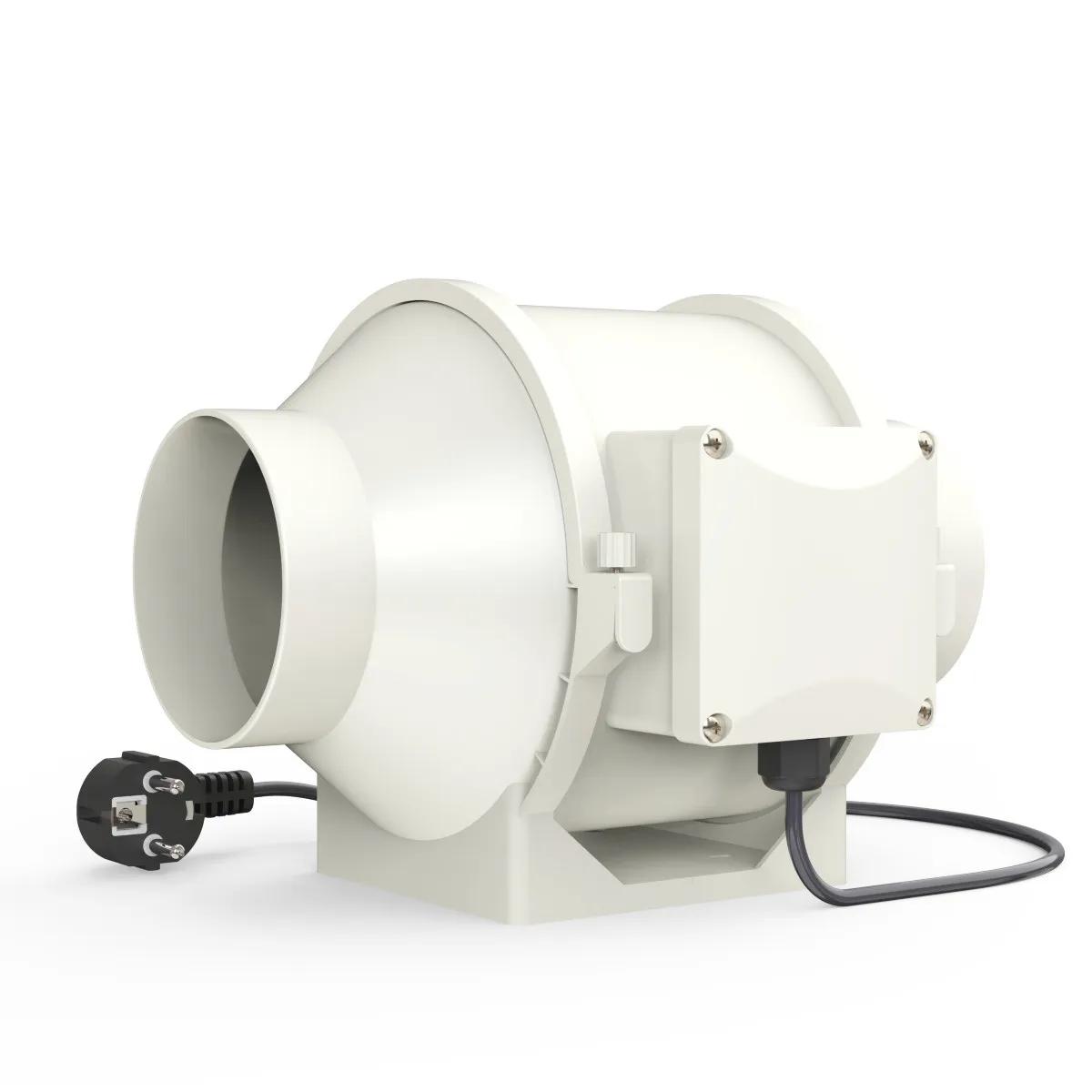
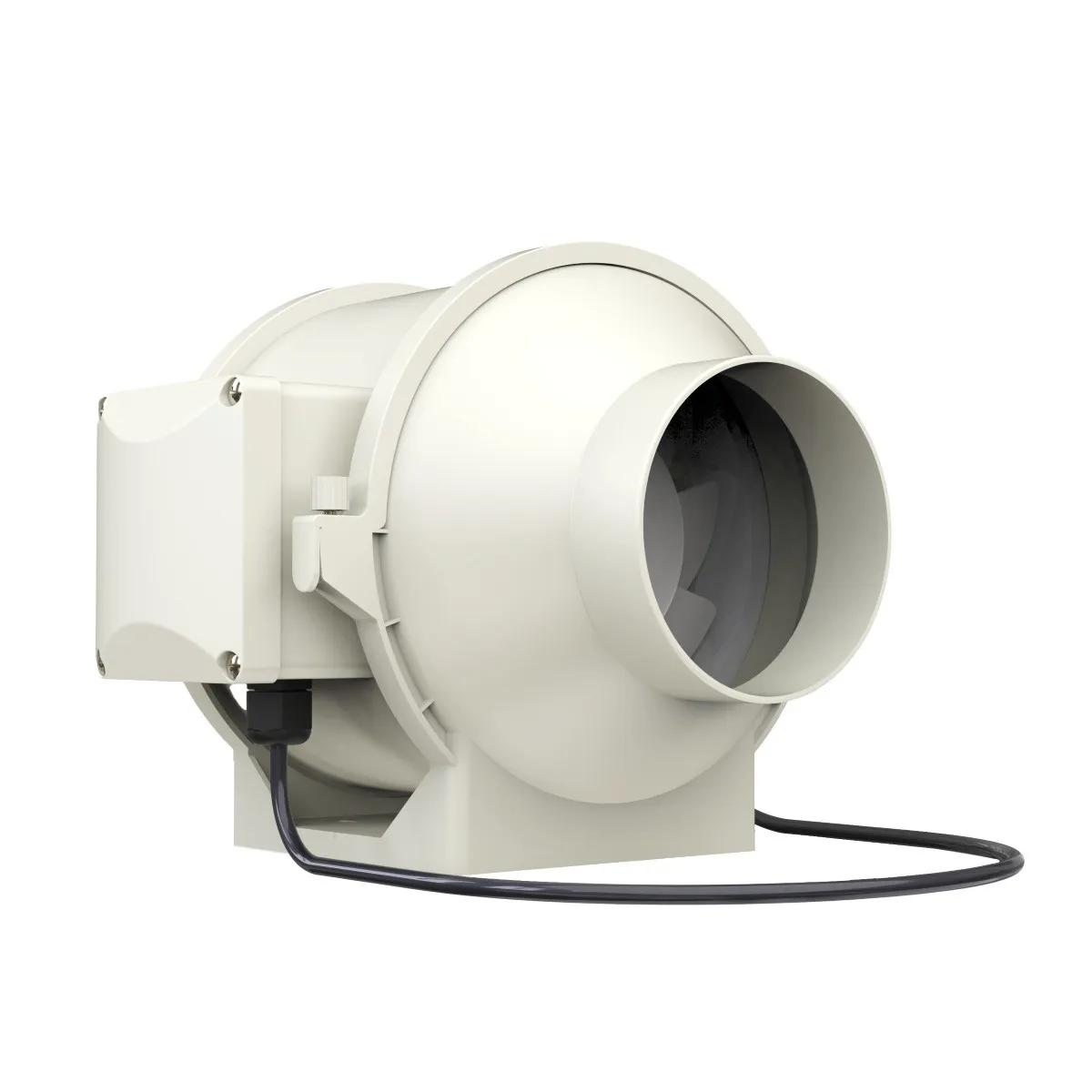
- Push one end of the silicone connector onto the outlet flange of your 150mm inline fan. It should slide on with a firm push — silicone grips the flange tightly.
- Push the other end onto the intake flange of your carbon filter. Make sure the filter is supported (a strap or shelf) — the silicone connector is not load-bearing.
- Slide each clamp into position over the silicone-and-flange overlap and tighten with a screwdriver until the silicone visibly compresses. Don't gorilla it — snug is enough.
- Run the fan and check for air leaks by feeling around the joint. No air should escape past the clamps.
What changes after you install it
Expect an immediate drop of roughly 3–6 dB in measured tent noise — enough that a hum audible from the next room becomes inaudible with the door closed. The most obvious difference is the noise drop — that low-frequency hum that travels through rigid steel ducting just goes away. The fan still makes airflow noise, but the structural vibration through the filter housing is gone. The second thing you notice over time is that the filter seal stays tight. No more checking it every two weeks and finding the clamp has worked loose.
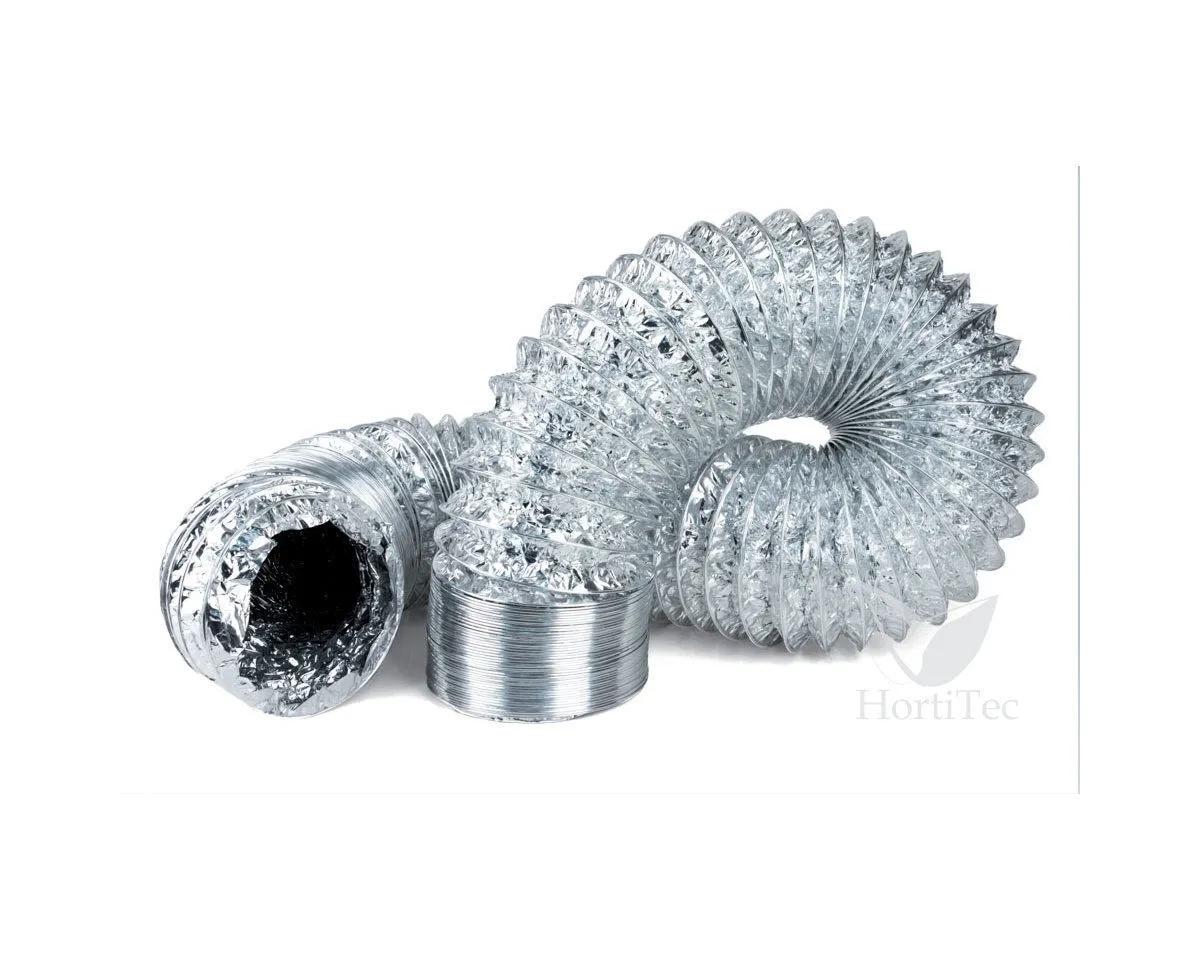
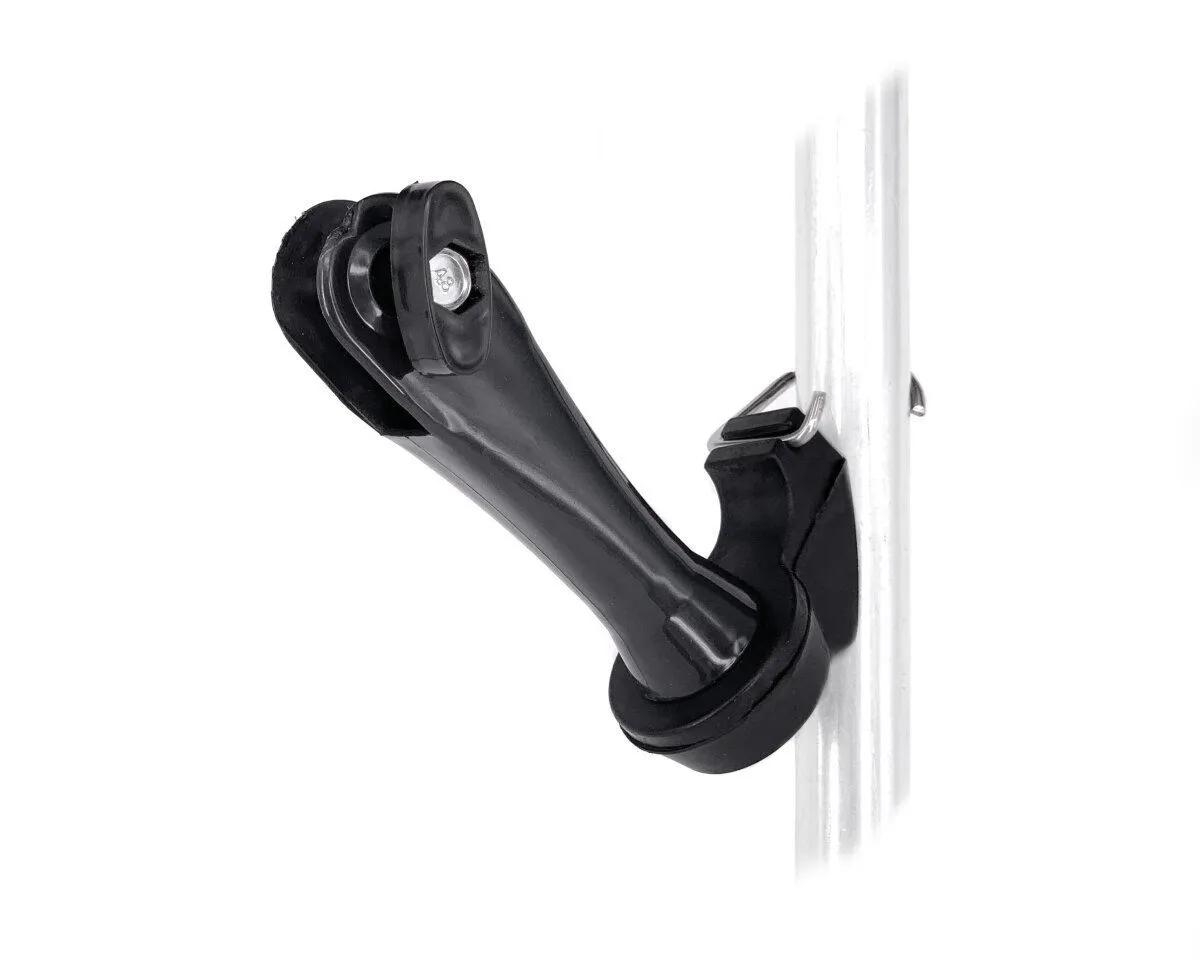
Complete your 150mm extraction setup: pair the FanGuard Silicone Connector with a matching 150mm inline fan, a 150mm carbon filter, and aluminium flex ducting. If you want to buy the full kit in one order, also get a set of anti-vibration straps to suspend the fan from the tent frame — the silicone coupling and the straps work together. Straps isolate the fan from the tent; the connector isolates the filter from the fan.
Honest limitations of the silicone connector
The FanGuard has two clear limits worth flagging before you order. First, the FanGuard is not load-bearing — don't hang your carbon filter off the fan via the silicone sleeve. The filter needs its own support (strap, shelf, or hung from the tent bar) and most filters weigh between 3 and 8 kg, which is well beyond what a 150mm silicone sleeve can hold safely. Second, silicone is heat-tolerant up to around 200°C but not indestructible — keep it away from direct contact with hot HID lamps or hot ballast surfaces. In a normal tent setup with the fan extracting from the top, neither is an issue.
FanGuard silicone vs cheap rubber couplings
You'll see rubber sleeves online for half the price. The difference is durability: rubber hardens and cracks within 12–18 months in warm tent air, while food-grade silicone stays flexible for 5+ years. We've had returns on rubber couplings; we've had zero on the FanGuard silicone version since stocking it.
Frequently Asked Questions
Does the 150mm FanGuard fit all 150mm fans and filters?
Yes, as long as both the fan outlet and the filter intake are 150mm nominal diameter — which is the European standard for that size. The silicone has enough give to grip slight variations in flange thickness across brands.
How much noise does it actually reduce?
It mostly kills the low-frequency structural hum that transfers from the fan motor into the filter and ducting. Most growers measure a 3–6 dB drop. You'll still hear the airflow itself — that's a function of fan speed, not coupling. Most growers report the tent sounds noticeably quieter, especially at night.
Do I still need the silicone connector if I use anti-vibration straps?
Yes, they do different jobs. Straps isolate the fan from the tent frame; the FanGuard isolates the filter from the fan. Together they cover both vibration paths — without the connector, vibration still travels straight from fan to filter.
Can I reuse the clamps if I take the setup apart?
Yes. The two included clamps are standard worm-drive screw clamps and can be loosened and re-tightened many times. If a clamp gets stripped or rusty over the years, any 150mm hose clamp from a hardware shop works as a replacement.
What's the difference between the 150mm and other FanGuard sizes?
Only the diameter. The 150mm fits 150mm flanges; the smaller version fits 125mm setups, the larger version fits 200mm setups. Pick the size that matches your fan and filter exactly — they have to be the same on both ends.
Is silicone safe for hot extracted air from a grow tent?
Yes. Silicone tolerates the temperatures of extracted grow-tent air comfortably — even with HID lighting, extract air rarely exceeds 40°C, and the connector is rated up to around 200°C. Just don't let it touch a hot lamp or ballast directly.
Where can I buy a replacement clamp if mine fails?
Any hardware shop sells worm-drive hose clamps in the 140–160mm range that will fit. According to surveys by sources like Maps and other European grow-equipment retailers, clamp failure is rare in the first 3 years of use.
Last updated: April 2026