
pH & EC Meters
pH and EC meters are digital instruments that measure the acidity (pH 0-14) and electrical conductivity (EC, in mS/cm) of your nutrient solution and runoff — the two numbers that decide whether your cannabis plants eat properly or starve in a full reservoir. If you're feeding in soil, coco, or hydro and you're not measuring both, you're guessing. Azarius has stocked grow instruments since 1999.
pH and EC meters are digital instruments that measure the acidity (pH 0-14) and electrical conductivity (EC, in mS/cm) of your nutrient solution and runoff — the two numbers that decide whether your cannabis plants eat properly or starve in a full reservoir. If you're feeding in soil, coco, or hydro and you're not measuring both, you're guessing. Azarius has stocked grow instruments since 1999.
Buy pH and EC Meters for Cannabis Growing
A pH meter reads how acidic or alkaline your feed water is; an EC meter reads how much dissolved salt (fertiliser) is in it. Get either one wrong and the plant stops eating. In soil, pH below 5.5 or above 6.5 locks out calcium, magnesium and iron — you'll see yellowing leaves and blame the nutrients when the problem is the water. In coco and hydro, the sweet spot tightens to 5.5-6.2. EC tells you the other half of the story: too low and the plant is hungry, too high and you're burning roots with salt buildup. Runoff EC higher than feed EC by more than 0.5 mS/cm means salts are accumulating — time to flush.
Pen-style vs handheld vs continuous monitors
Three formats cover 99% of home grows. Choose based on how often you're measuring and how much precision you need.
| Format | Typical price | Good for |
|---|---|---|
| Pen-style combo (pH + EC) | €25-80 | First-time growers, 1-4 plant tents, quick reservoir checks |
| Separate pH pen + EC pen | €60-150 pair | Growers who want better accuracy on each reading independently |
| Handheld with replaceable probe | €100-250 | Serious hobbyists, frequent testing, longer probe lifespan |
| Continuous in-tank monitor | €200-500+ | Hydro reservoirs, DWC, growers wanting real-time EC/pH drift alerts |
Brands worth knowing: Bluelab (the reference for hydroponic growers — their Combo Meter is what you'll see on every serious grower's shelf), Hanna Instruments (solid mid-range, HI-98129 is a classic), Adwa (Romanian-made, accurate for the money) and Apera (US brand, good replaceable electrodes). Cheap no-name pens off marketplaces drift badly within weeks and can't be calibrated properly — save yourself the hassle and order something from a named brand.
Calibration — the step most growers skip
A meter out of the box is not accurate. It needs calibrating with buffer solutions, and it needs re-calibrating regularly — weekly for pH if you're using it daily, monthly for EC. You'll need:
- pH 4.01 buffer — the acid reference point
- pH 7.01 buffer — the neutral reference point (two-point calibration is the minimum)
- EC 1.413 mS/cm buffer — the standard conductivity reference
- Storage solution — pH electrodes must stay wet; a dry probe is a dead probe within weeks
- Distilled water — for rinsing between buffers, never tap water
Most growers who complain their pH meter is "broken" have either let the electrode dry out or never calibrated it after purchase. The glass bulb on a pH probe is a consumable — expect 1-2 years of life with decent care, 6 months if you abuse it.
Reading runoff EC and adjusting
In soil and coco, runoff measurement is how you catch overfeeding before the plant shows burn. Feed at a known EC (say 1.8 mS/cm for mid-veg), then measure what drips out the bottom. If runoff EC is significantly higher than input, salts are building up — dilute the next feed or flush with plain pH-adjusted water. If runoff EC is lower than input, the plant is drinking heavily and you can push feed strength. A 2018 Wageningen University horticulture brief noted that EC drift of more than 30% between feed and runoff is where most home-grow deficiencies start.
How to choose your first pH and EC meter
Start with a combo pen from a named brand if you're growing 1-4 plants in soil or coco — something in the €40-80 range with replaceable batteries and at least two-point pH calibration. Get the buffer solutions at the same time; meter without buffers is like a scale without weights. Move to separate pens or a Bluelab-class handheld once you're running hydro or multiple tents and precision actually pays back. When in doubt, buy the meter one tier up from what you think you need — you'll keep it for years.
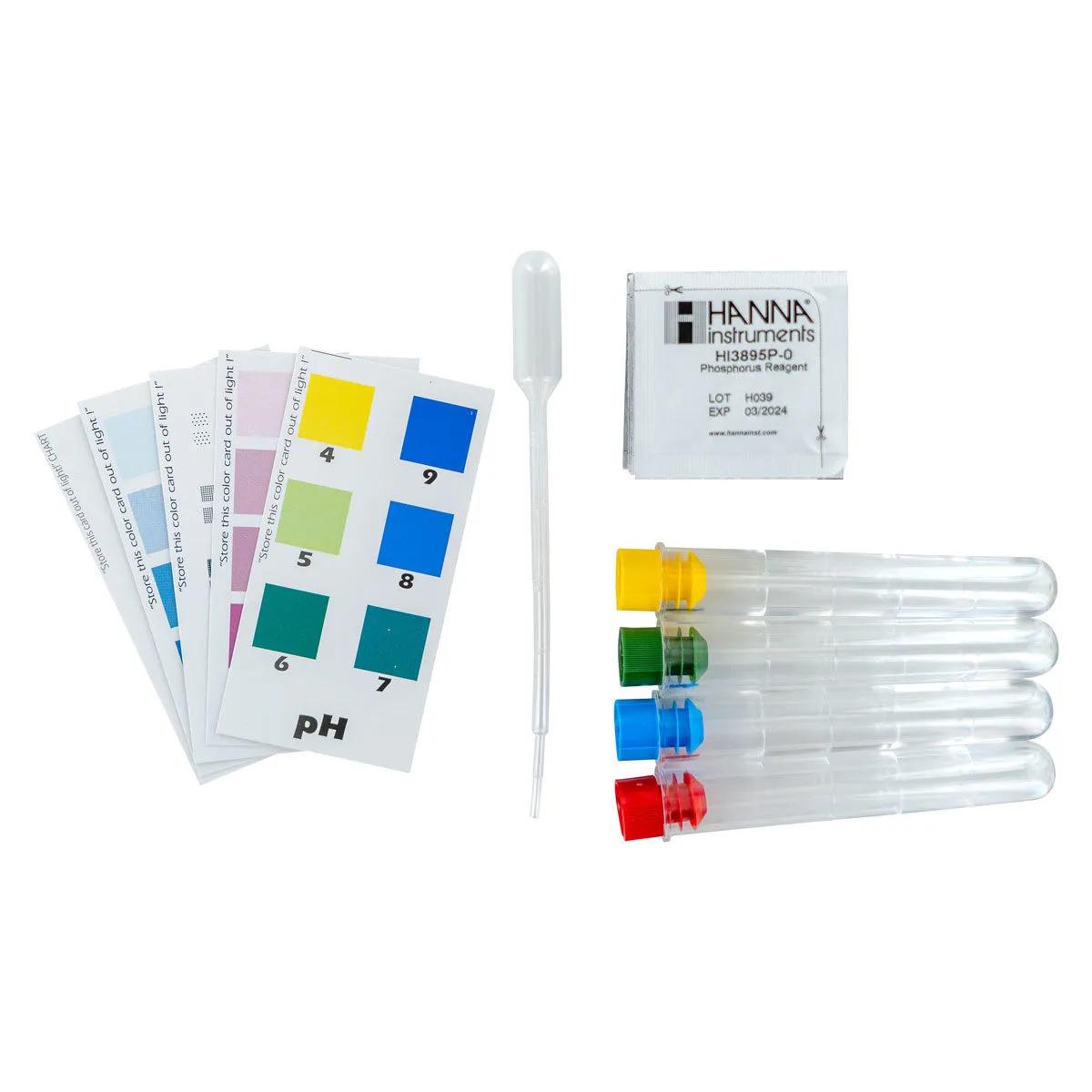
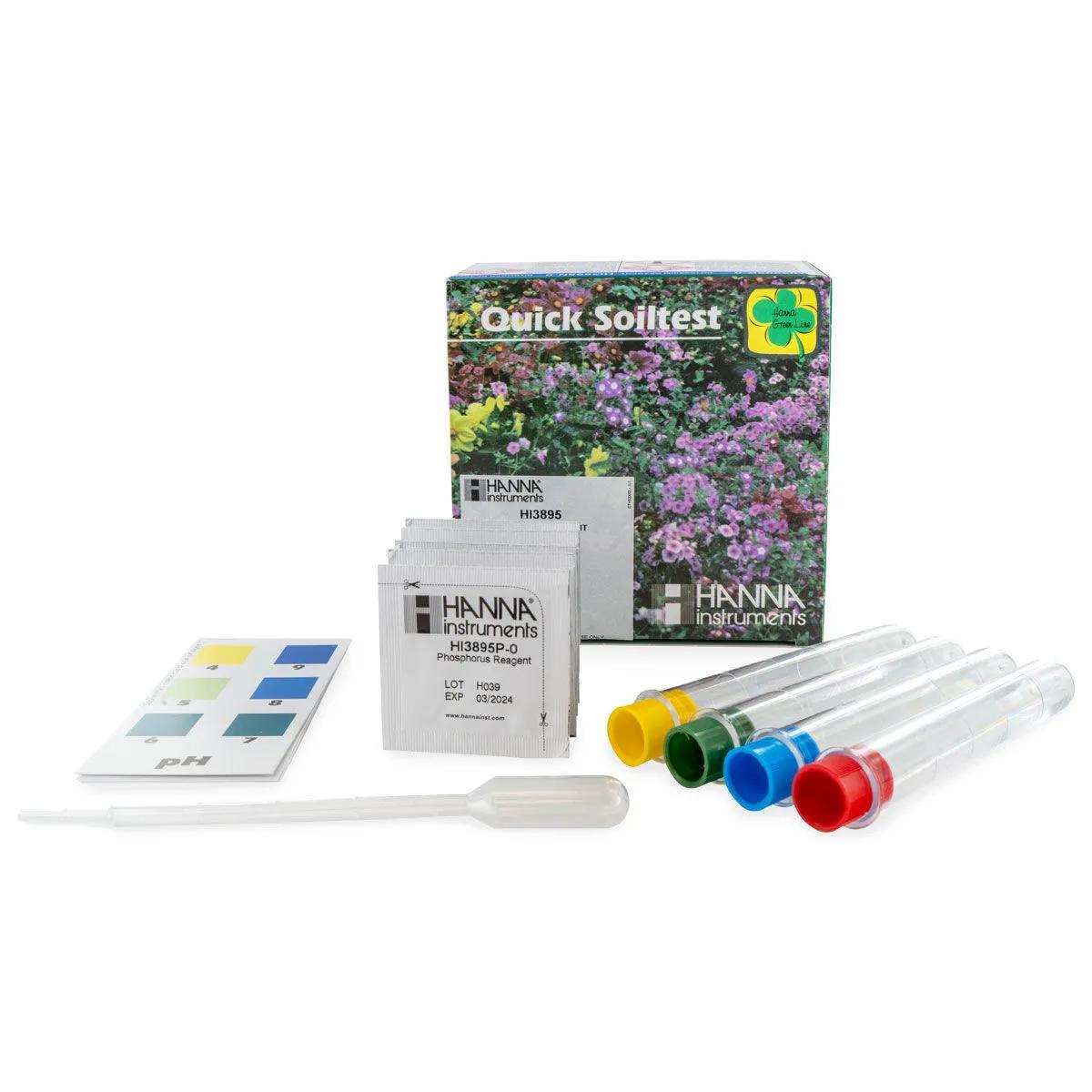
A quick honourable mention: we also carry a chemical pH & NPK soil test kit for growers who want a rough snapshot of soil chemistry without electronics. It's a different tool — colour-reagent readings, not digital precision — and sits alongside the meters rather than replacing them.
Pair your meter with pH Up/Down, calibration buffers and electrode storage solution to keep readings honest.
Frequently Asked Questions
What pH should I aim for when growing cannabis?
In soil, aim for 6.0-6.8. In coco and hydro, tighten to 5.5-6.2. Outside those ranges, nutrient lockout kicks in — calcium, magnesium and iron become unavailable even when they're in the feed. That's why a pH meter is non-negotiable.
What EC is right for cannabis in veg and flower?
Rough guide: seedlings 0.4-0.8 mS/cm, early veg 0.8-1.4, late veg 1.4-1.8, flower 1.8-2.4, late flower tapering back down. These are feed-in values. Always check runoff EC in soil and coco to catch salt buildup before the leaves tell you.
How often do I need to calibrate a pH and EC meter?
Calibrate pH weekly with 4.01 and 7.01 buffers if you're using the meter daily; monthly for lighter use. EC meters drift less — once a month with 1.413 mS/cm solution is fine. Always calibrate after replacing the electrode or after the probe has been dry.
Do I really need separate pH and EC meters, or is a combo pen enough?
For 1-4 plants a combo pen is absolutely enough — brands like Bluelab, Hanna and Adwa make reliable ones. Separate pens give slightly better accuracy and longer service life per probe. Go combo first; upgrade only if you're running hydro or multiple tents.
Why is my pH meter giving weird readings?
Nine times out of ten: dry electrode or no calibration. The glass bulb must stay wet in storage solution (not distilled water — that damages it). Recalibrate with fresh 4.01 and 7.01 buffers. If readings still drift after that, the probe is end-of-life and needs replacing.
Last updated: April 2026