
Grow room timers are simple mechanical or digital switches that turn your lights, fans, and pumps on and off at set intervals — the unsung workhorse of every indoor grow. If you're running an 18/6 veg cycle or flipping to 12/12, you need a timer that doesn't skip, stick, or melt under load. Azarius has been kitting out home growers since 1999, and a reliable timer is the first thing we'd buy after the tent itself.
Buy a Grow Room Timer — What Actually Matters
A grow room timer is the component that enforces your photoperiod, and getting it wrong means stressed plants, hermies, or a failed flower cycle. Most home growers overthink tents and lights, then grab whatever timer's in the bargain bin. Don't. The timer runs 24/7 for months — it's the one piece of kit you want boring and dependable.
There are two formats to choose between, and they behave very differently in a humid, warm grow tent:
| Type | How it works | Good for |
|---|---|---|
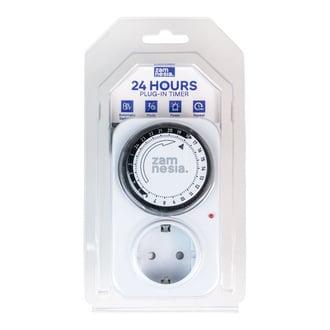
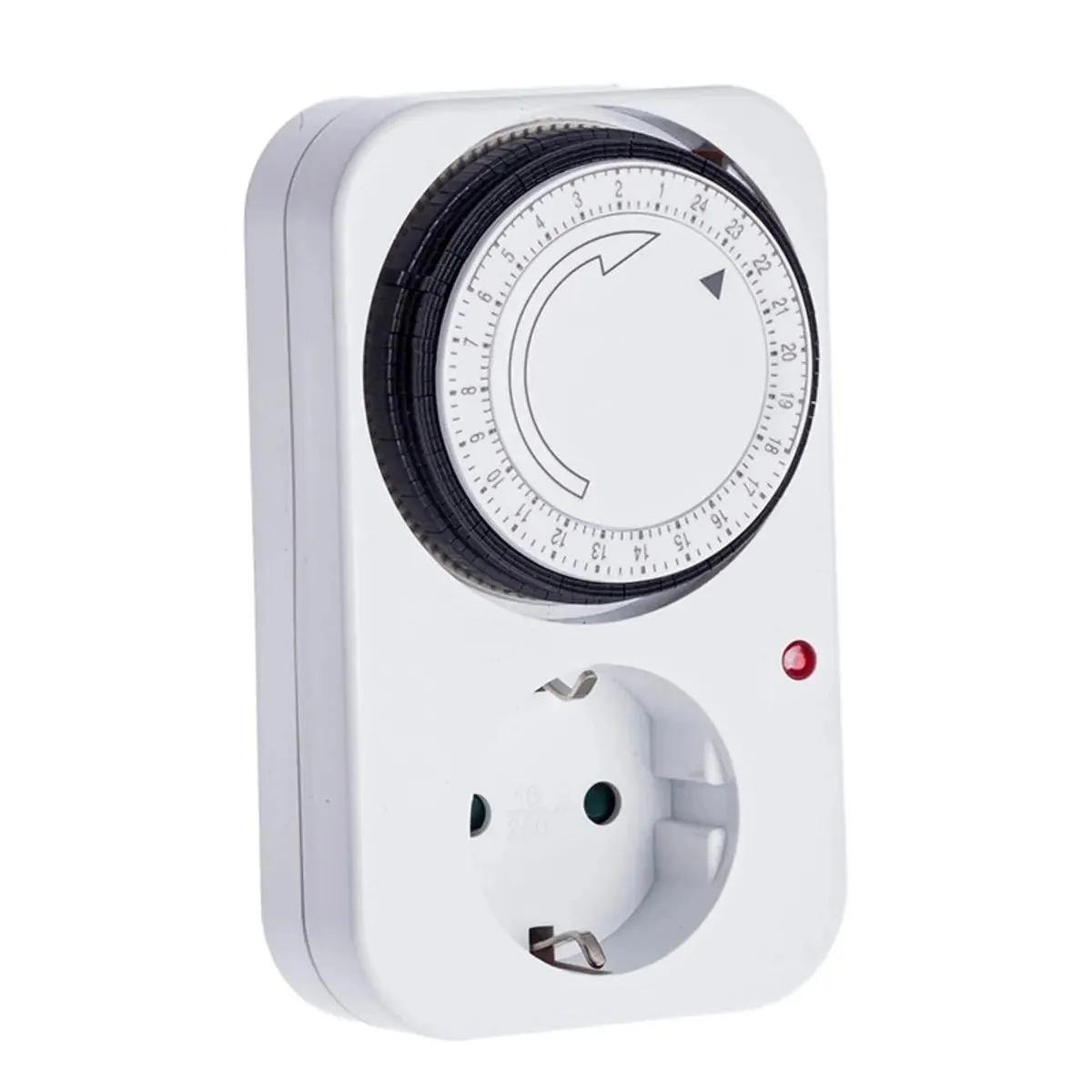
| Analog (mechanical) | Rotating dial with push-pins or segments; no battery, no memory to lose | First-time growers, single-lamp tents, anyone who wants set-and-forget reliability |
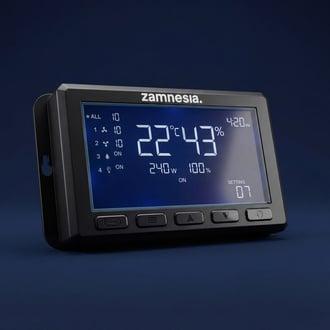
| Digital | LCD screen with programmable on/off events, often multiple per day | Growers running multiple cycles, hydroponic pump intervals, or staggered fans |
| Smart/Wi-Fi | App-controlled with scheduling and remote override | Growers already on a smart-home setup who want phone alerts |
Analog vs Digital — The Honest Take
Analog timers win on reliability for lighting. A mechanical dial doesn't care about power flickers — when the electricity comes back, the dial picks up where it left off. Digital timers reset, and if you're not home to reprogram, your plants get a random dark period mid-flower. We've seen growers lose a week of bloom to a 3-second brownout and a cheap digital timer.
Digital shines for pumps and short cycles. If you need your hydro pump on for 15 minutes every hour, an analog with 15-minute segments will do it — but a digital does it with less fiddling. For HPS, LED, or CFL lighting on a standard 18/6 or 12/12, analog is what we'd reach for.
Load Rating — The Spec Most People Ignore
Check the maximum wattage before you buy. A 600W HPS with a magnetic ballast draws more than 600W at startup — inrush current can spike to 2-3x the rated load for a split second. A timer rated at 1800W handles a single 600W HPS comfortably; stack two lamps on one timer and you're asking for melted contacts. Rule of thumb: pick a timer rated at least double your continuous load.
Our current pick in this category is the Basic Analog Timer from VDL — a straightforward 24-hour dial timer built for grow-tent duty. It's the one we'd order for a first tent setup without overthinking it.
How to Choose Your Grow Timer
Start with your setup. Running a single lamp and a passive intake? An analog 24-hour timer is all you need — grab one, set the pins, forget about it for six months. Running multiple lamps on separate schedules, or a recirculating hydro system with short pump cycles? Shop a digital with multiple daily events. Already got smart plugs throughout the house? A Wi-Fi model slots in, but don't buy one just for novelty — the app is an extra point of failure.
When in doubt, order the analog. It's cheaper, it survives power cuts, and 25 years of customer feedback tells us it's the timer growers rarely replace.
Frequently Asked Questions
Do I need a separate timer for my grow light?
Yes. Grow lights need a fixed photoperiod to flower properly — 12 hours on, 12 off for bloom, 18/6 for veg. Manually switching a lamp every day isn't realistic, and missing a day mid-flower can cause hermaphroditism in cannabis.
What's the maximum load I can put on a grow timer?
Check the timer's wattage rating and stay at 50-60% of it for continuous loads. Magnetic ballasts have an inrush spike at startup that can exceed the rated load briefly, so always leave headroom.
Will an analog timer lose its schedule during a power cut?
No — that's the main reason we recommend analog for lighting. The mechanical dial simply pauses when the power's off and resumes when it's back. Digital timers without battery backup reset to 00:00 and need reprogramming.
Can I run a fan and a light on the same timer?
Only if the combined wattage is well under the timer's rating and both need the same schedule. Most growers run extraction fans 24/7 on a separate plug, with only the lights on the timer.
Last updated: April 2026