

Sweet Cheese Auto
Cannabis seeds
by Sweet Seeds
Sweet Cheese Auto Feminized Cannabis Seeds
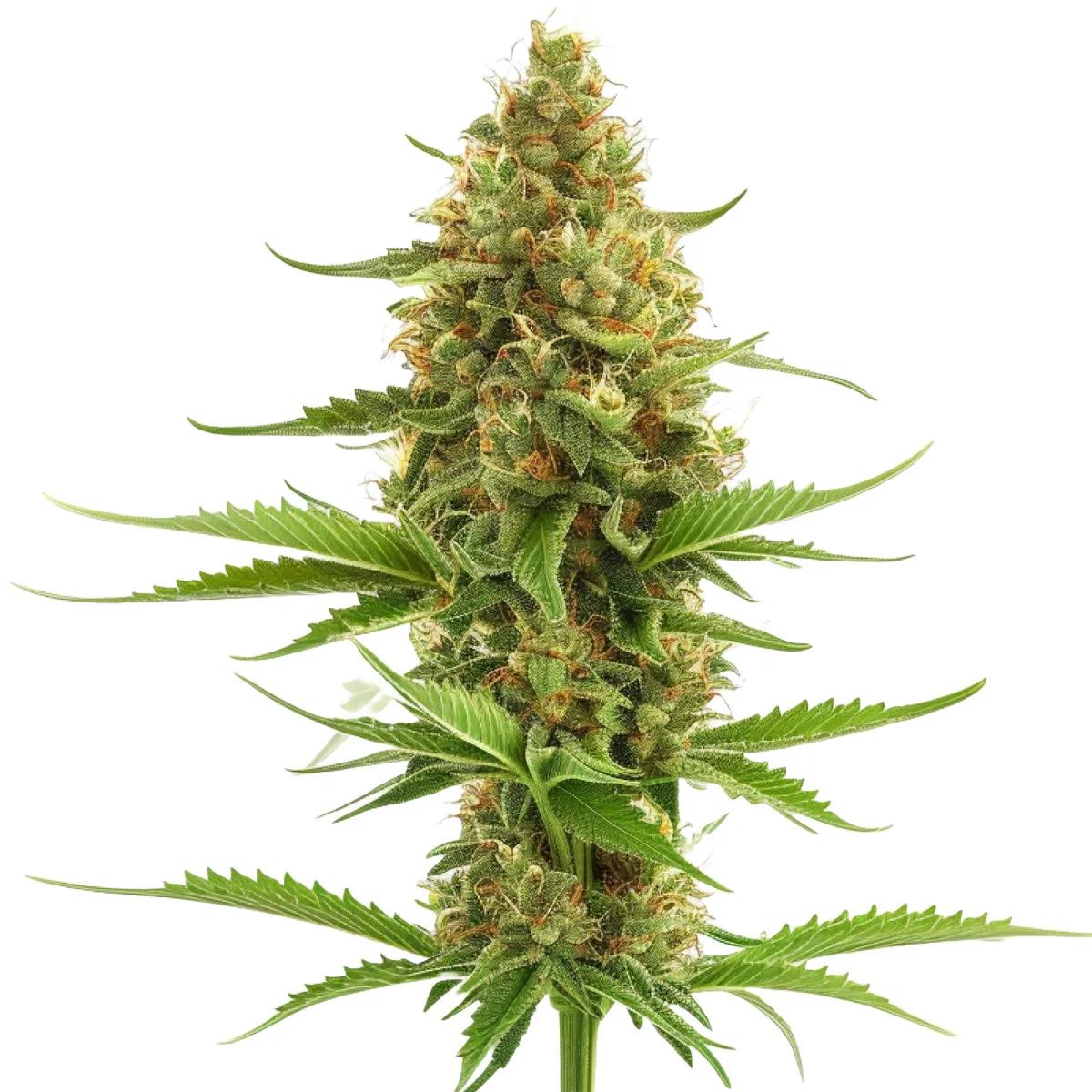
Sweet Cheese Auto is a 3rd generation autoflowering feminized cannabis seed from Sweet Seeds that delivers proper Cheese genetics — pungent, spicy, unmistakably British in origin — without the long flowering wait. A cross between Fast Bud #2 and the original Sweet Cheese, this strain goes from seed to harvest in just 8 to 9 weeks, producing plants that reach up to 110 cm tall with yields between 35 and 175 g per plant. If you want that classic Cheese funk in autoflowering form, this is where you start.
Why Sweet Cheese Auto Seeds Deserve a Spot in Your Grow
The original Cheese strain started life as a British phenotype of Skunk #1 — selected for its sharp, almost dairy-like funk that set it apart from everything else on the market. It became a legend in the UK scene and eventually spawned an entire family of Cheese crosses. Sweet Seeds took that lineage and bred it into their 3rd generation autoflowering programme, crossing it with their Fast Bud #2 to lock in genuine autoflowering genetics without sacrificing the flavour profile that made Cheese famous.
What you get is a plant that doesn't need light cycle changes to flip into flower. Stick it under 18 or 20 hours of light from day one, and it'll start flowering on its own schedule. Total time from germination to chop? Around 8 to 9 weeks. That's fast enough to squeeze in multiple runs per year, even in a small tent. And because these seeds are feminized, every seed produces a flowering female — no males to cull, no wasted space.
The honest limitation? Yields vary quite a bit. Sweet Seeds lists 35 to 175 g per plant, which is a wide range. The growers pulling 175 g are dialling in their light, nutrients, and environment. If you're running a more casual setup, expect something closer to the middle of that range. Under optimised conditions with multiple plants, you can hit up to 500 g per square metre — but that takes some experience and a proper indoor setup.
Sweet Cheese Auto Growing Specs and Genetics
| Specification | Detail |
|---|---|
| Seed Bank | Sweet Seeds |
| Genetics | Fast Bud #2 x Sweet Cheese |
| Type | Autoflowering, Feminized |
| Generation | 3rd Generation Auto |
| Seed to Harvest | 8–9 weeks |
| Plant Height | Up to 110 cm (most stay below 100 cm) |
| Yield Per Plant | 35–175 g |
| Yield Per m² | Up to 500 g |
| Seeds Per Pack | 3 |
| SKU | CSSW0005 |
Aroma, Flavour, and What to Expect from Sweet Cheese Auto
Break open a dried bud and you'll get hit with that unmistakable Cheese funk — sharp, pungent, almost savoury, with a spicy undercurrent that lingers on your fingers. The smoke carries a balanced mix of effects: a clear-headed lift paired with a noticeable body relaxation. The aftertaste sits somewhere between spicy and creamy, which is where the "sweet" in the name earns its keep.
One thing we'd flag: the smell during flowering is strong. Properly strong. Sweet Seeds themselves warn about it, and growers on forums consistently back this up. If you're running an indoor grow without a carbon filter, your neighbours will know about it well before harvest day. Sort your ventilation and carbon filtration before these plants hit full bloom — not after. This isn't a strain you can stealth-grow without proper odour control.
Compared to something like a Royal Cheese Auto from another seed bank, the Sweet Seeds version leans a bit more towards the spicy end of the Cheese spectrum rather than purely sour. It's also a genuinely 3rd generation autoflowering cross, which means the autoflowering trait is more stable and reliable than older auto versions that sometimes threw out photoperiod-dependent phenotypes.
How to Grow Sweet Cheese Auto Seeds
- Germinate your seeds using the paper towel method or directly in a small pot of moist, light soil. Autoflowering seeds prefer not to be transplanted, so starting in the final container (7–11 litres) saves stress on the plant.
- Set your light schedule to 18/6 or 20/4 from day one. Unlike photoperiod strains, Sweet Cheese Auto doesn't need a 12/12 flip — it flowers automatically based on age.
- Keep feeding light during the first two weeks. Autoflowers are sensitive to overfeeding early on. One grower's feeding log for this exact strain started at just 1 ml per litre of nutrients and increased gradually — a sensible approach for any auto.
- Watch for the onset of flowering around weeks 3–4. The plant will start showing pistils without any change to your light schedule. This is when nutrient demand shifts towards phosphorus and potassium.
- Install or check your carbon filter before week 5. The Cheese genetics produce a strong, pungent aroma that intensifies rapidly during mid-to-late bloom. Passive ventilation won't cut it.
- Harvest around weeks 8–9 from seed. Check trichome colour with a jeweller's loupe — milky white trichomes with a few amber ones signal peak readiness.
- Dry in a dark, ventilated space at around 18–20°C and 55–60% humidity for 7–10 days, then cure in glass jars for at least two weeks to bring out the full Cheese flavour.
Sweet Cheese Auto Yield: What's Realistic
Sweet Seeds quotes 35 to 175 g per plant, and up to 500 g per square metre. That upper figure assumes optimised indoor conditions — proper lighting (400W+ HPS or equivalent LED), good airflow, and a dialled-in feeding schedule. Most home growers running a single plant in a small tent should realistically expect somewhere in the 50–100 g range, which is still solid for a strain that finishes in under 10 weeks.
The height tops out at around 110 cm, though most phenotypes stay under a metre. That makes Sweet Cheese Auto a good fit for growers working with limited vertical space — a 120 cm tall tent still gives you headroom for a light and filter above the canopy. If you're growing in a larger space with multiple plants, the 500 g per m² figure becomes achievable with 4–6 plants under a decent light.
Running Sweet Cheese Auto indoors? Pair these seeds with a complete grow tent kit that includes ventilation, carbon filtration, and lighting. A propagation kit with root stimulant will also help your autoflowering seeds get off to a strong start in those critical first days.
Frequently Asked Questions
What does Sweet Cheese Auto smell like?
Sharp, pungent, and unmistakably cheesy with a spicy kick. The aroma intensifies significantly during flowering — carbon filtration is a must for indoor grows. Once dried and cured, the buds carry a creamy, spicy aftertaste that's characteristic of the Cheese lineage.
How long does Sweet Cheese Auto take from seed to harvest?
Around 8 to 9 weeks from germination to harvest. This is total time — no separate vegetative and flowering periods to manage, since the plant flowers automatically regardless of light schedule.
How tall does Sweet Cheese Auto grow?
Most plants stay below 1 metre, with some phenotypes reaching up to 110 cm. This makes it manageable in smaller grow tents, though you'll still want at least 120 cm of tent height to allow room for lighting above the canopy.
What yield can I expect from Sweet Cheese Auto?
Between 35 and 175 g per plant depending on growing conditions, or up to 500 g per square metre with multiple plants under optimised indoor lighting. Home growers with a basic setup typically land somewhere in the 50–100 g per plant range.
Do I need to change the light cycle for Sweet Cheese Auto?
No. As an autoflowering strain, Sweet Cheese Auto flowers based on age rather than light cycle changes. Run 18/6 or 20/4 from seed to harvest — no need to switch to 12/12.
Is Sweet Cheese Auto suitable for beginner growers?
Yes, autoflowering feminized seeds are among the most straightforward to grow. No need to identify males or manage light cycles. The main thing to watch is nutrient strength — start light and increase gradually. And sort your odour control early; this strain is loud.
What's the difference between Sweet Cheese Auto and photoperiod Cheese strains?
Sweet Cheese Auto flowers automatically in 8–9 weeks total, regardless of light schedule. Photoperiod Cheese strains require a deliberate switch to 12/12 lighting and typically take longer overall. The trade-off is that photoperiod versions can produce larger yields per plant, but autos offer speed and simplicity.
Last updated: April 2026
Related products





You might also like



Medical disclaimer. This content is for informational purposes only and does not constitute medical advice. Consult a qualified healthcare provider before use of any substance.