
Supercheese Auto
Cannabis seeds
by Positronics Seeds
Supercheese Auto Cannabis Seeds by Positronics
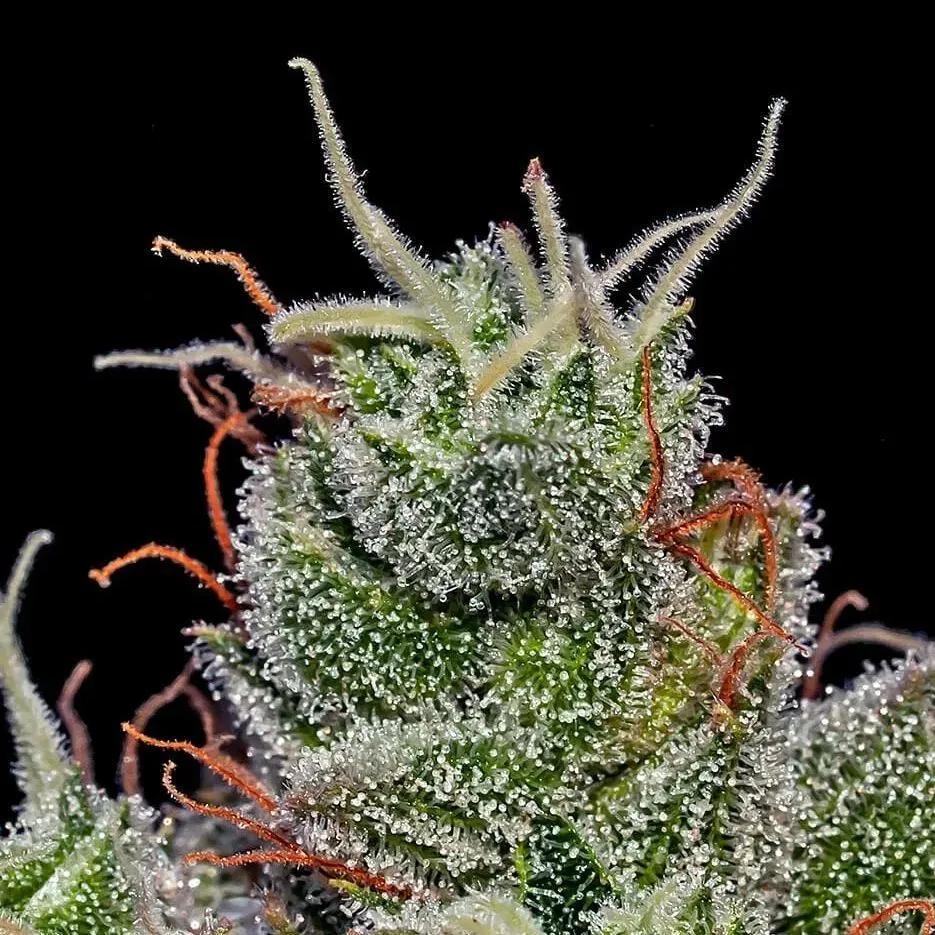
Supercheese Auto is an autoflowering feminised cannabis seed from Positronics Seeds that delivers the full-fat Cheese experience in roughly 65 days from germination. Built from the award-winning Super Cheese — a two-time Spannabis Cup medallist — crossed with an Afghani ruderalis line bred for resin output and speed, this strain packs a skunky, pungent cheese profile into a compact, bushy plant that practically grows itself. If you want that classic stinking Cheese without the photoperiod fuss, this is where you start.
Why Supercheese Auto Seeds Stand Out
Positronics didn't just slap a ruderalis onto any old Cheese cut and call it a day. Parent number one — Super Cheese — is a properly decorated commercial strain. Two Spannabis Cup medals speak for themselves; this is genetics that have been tested in competition and come out on top. Parent number two is their in-house Afghani Express, a ruderalis line selected specifically for two things: massive resin production and a flowering trigger that kicks in regardless of light schedule.
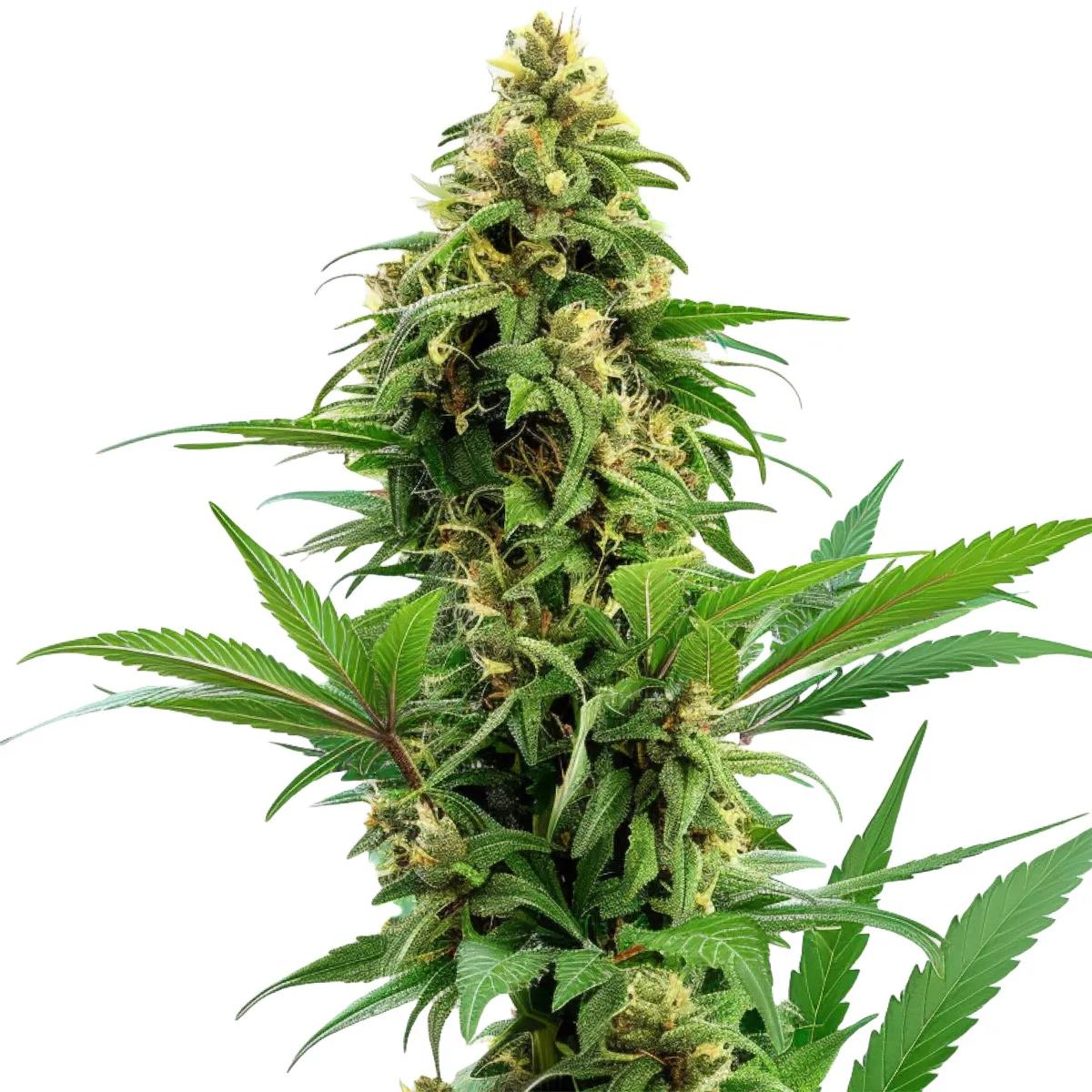
The result is a plant that inherits the mouth-watering skunky-cheese terpene profile from the Cheese side and the dense, trichome-loaded bud structure from the Afghani side. We've seen a lot of autoflowering strains where the trade-off is obvious — you gain speed but lose flavour or potency. Supercheese Auto is one of those strains where the autoflowering conversion genuinely worked. The buds come out coated in trichomes, appearing almost snowy white by harvest, and the smell is unmistakable. If you've ever grown a proper Cheese, you know that funk. This one has it.
The honest limitation? Yield. At 350-400g/m² indoors and up to 500g per plant outdoors, Supercheese Auto isn't going to win any weight competitions against photoperiod monsters. Positronics themselves say this strain is grown for quality, not quantity. If you're chasing maximum grams per watt, look at something like a Big Bud auto. If you're chasing flavour and bag appeal that makes people lean in and ask "what is that?" — Supercheese Auto is the better pick.
Growing Supercheese Auto Seeds
This is a straightforward grow, and that's not just marketing fluff. Autoflowering genetics mean no light schedule changes — run 18/6 or 20/4 from seed to harvest and the plant handles the rest. Supercheese Auto begins shooting flowers after just a couple of weeks of vegetative growth, and the entire cycle from seed to chop takes around 65 days.
The plant grows with a uniform, bushy structure and short internodal distances. That compact shape makes it a solid choice for smaller tents — a 60x60 or 80x80 will accommodate several plants without height issues. The short stature also means less training is needed, though a bit of light LST (low stress training) in the first two weeks of veg can open up the canopy and boost light penetration to lower bud sites.
One thing to plan for: the smell. Positronics warns that by late flower, this strain will stink up a sizeable area around your grow room with intense skunk. A carbon filter isn't optional here — it's critical. If you're growing in a flat or anywhere with neighbours in sniffing distance, invest in proper extraction and filtration before you pop these seeds.
- Germinate seeds using the paper towel method or directly in a small pot of moist, airy substrate. Supercheese Auto seeds are feminised, so every seed should produce a female plant.
- Transplant seedlings into their final container early — 11-15 litre pots work well. Autoflowers don't like root disturbance, so minimise repotting.
- Run lights at 18/6 or 20/4 throughout the entire cycle. No need to switch to 12/12.
- Begin light feeding once the first true leaves appear. Autoflowers are sensitive to overfeeding, so start at half the recommended nutrient dose and increase gradually.
- Expect flowers to appear around week 2-3. From this point, switch to bloom nutrients and maintain stable humidity below 55% to protect those dense buds from mould.
- Harvest around day 65 when trichomes show a mix of milky and amber under magnification. The dense bud structure means drying slowly in a controlled environment (18-20°C, 55-60% humidity) for 10-14 days will bring out the best in the terpene profile.
Supercheese Auto Specifications
| Specification | Detail |
|---|---|
| Seed Bank | Positronics Seeds |
| Genetics | Super Cheese x Afghani Express (Ruderalis) |
| Type | Autoflowering, Feminised |
| Dominant Traits | Indica-dominant |
| Seed to Harvest | Approximately 65 days |
| Indoor Yield | 350-400g/m² |
| Outdoor Yield | Up to 500g/plant |
| Plant Structure | Compact, bushy, short internodal distance |
| Aroma/Flavour | Skunky cheese, pungent, musky |
| Trichome Production | Very high — buds appear snowy white |
| Seeds per Pack | 5 |
| SKU | CSPO0022 |
Terpene Profile and Aroma of Supercheese Auto
If you've ever opened a bag of proper Cheese bud and watched everyone in the room turn their head — that's what you're growing here. Supercheese Auto produces a terpene profile dominated by that unmistakable skunky, funky cheese smell. It's not subtle. It's not "hints of cheese with undertones of earth." It's full-on, in-your-face, old-school stink that coats your fingers when you handle the buds and lingers in a room long after the jar is sealed.
The Afghani side adds a musky, earthy depth underneath the cheese funk. When you break a bud open, there's a slight sweetness buried in there too — almost like fermented fruit — but the cheese is always the dominant note. On the smoke or vape, the flavour follows the nose: rich, creamy, skunky, with a lingering aftertaste that sits on the palate. It's the kind of strain where people either absolutely love the taste or find it too pungent. We'd say that's a feature, not a bug.
The trichome coverage contributes to this intensity. Those dense, resin-coated buds aren't just pretty — they're packed with the volatile compounds that produce that aroma. According to research published in PubMed (PMID: 23386598), Δ9-tetrahydrocannabinol has been identified as the primary psychoactive cannabinoid, though several other cannabinoid compounds and terpenes contribute to the overall profile of a given strain. The interplay between terpenes and cannabinoids is what gives each strain its distinct character, and Supercheese Auto has character in spades.
Supercheese Auto Compared to Other Cheese Autoflowers
The autoflowering Cheese market has grown considerably, and it's worth knowing where Supercheese Auto sits. Compared to a standard Cheese Auto from a budget seed bank, Positronics' version tends to produce denser, more resinous buds — a direct result of the Afghani Express parent. The trade-off is a slightly lower yield ceiling. Where some Cheese autos claim 450-500g/m² indoors, Supercheese Auto sits at 350-400g/m². But the bud quality and trichome coverage more than compensate if you're growing for personal stash rather than maximum weight.
Against photoperiod Cheese strains, the 65-day total cycle is the obvious advantage. A photoperiod Cheese typically needs 8-9 weeks of flowering alone, plus 4-6 weeks of veg — so you're looking at 12-15 weeks minimum versus 9-10 weeks total with Supercheese Auto. For growers in northern climates with short summers, or anyone running a small indoor setup who wants fast turnaround, that speed difference is significant.
| Feature | Supercheese Auto (Positronics) | Typical Cheese Auto (Budget) | Photoperiod Cheese |
|---|---|---|---|
| Total Cycle | ~65 days | 70-80 days | 12-15 weeks |
| Indoor Yield | 350-400g/m² | 400-500g/m² | 450-600g/m² |
| Trichome Density | Very high | Moderate | High |
| Smell Intensity | Extreme | Moderate-High | Extreme |
| Light Schedule | 18/6 or 20/4 (fixed) | 18/6 or 20/4 (fixed) | 18/6 veg, 12/12 flower |
| Awards | Parent: 2x Spannabis Cup | Varies | Varies |
Complete your setup: Supercheese Auto's compact, bushy structure makes it a natural fit for a small grow tent. Pair it with a carbon filter and extraction fan — with this strain's smell output, you'll need proper odour control from week 4 onwards. A jeweller's loupe or pocket microscope is also worth grabbing so you can check trichome ripeness and harvest at the right moment.
Related products



You might also like

Medical disclaimer. This content is for informational purposes only and does not constitute medical advice. Consult a qualified healthcare provider before use of any substance.