
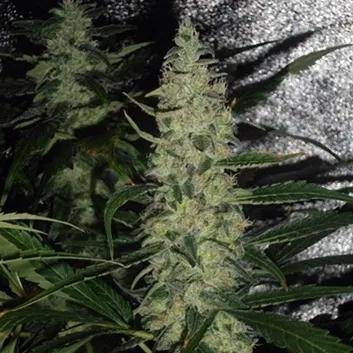
Super Skunk
Cannabis seeds
by Spliff Seeds
We'll only email you about this product — no marketing.
Super Skunk Feminized Seeds by Spliff Seeds
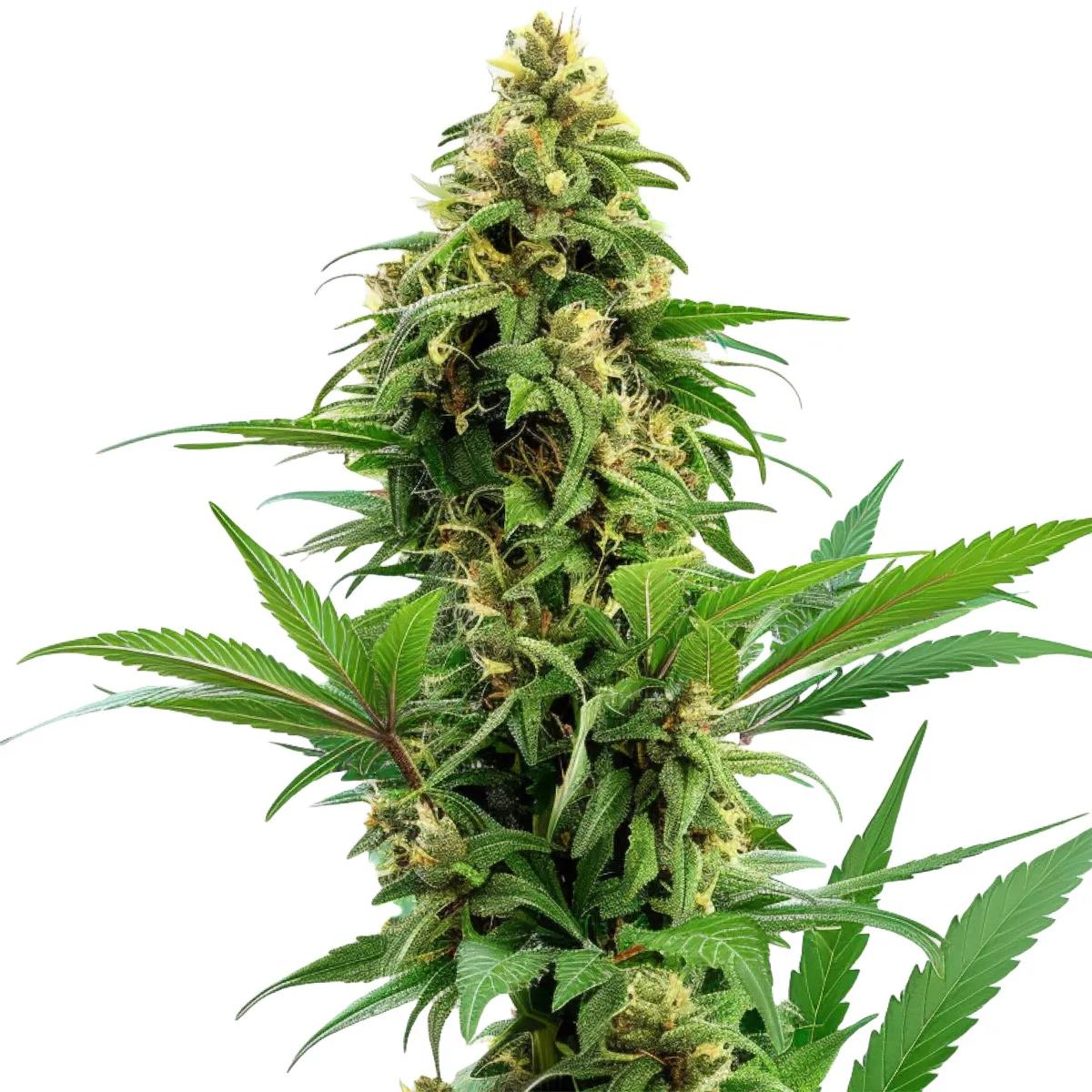
Super Skunk feminized seeds are a resin-heavy, backcrossed Skunk strain that delivers old-school dank aroma and 500–600g/m2 indoors with almost zero phenotype variation. Spliff Seeds took their Skunk No.1 mother and crossed her back into an Afghani father — not once, but twice — then selected the strongest phenotypes over multiple generations. The result is a feminized seed that grows with the kind of uniformity you normally only get from clones.
Why These Super Skunk Seeds Deserve a Spot in Your Grow
This is the strain that helped build the Dutch seed scene's reputation. Spliff Seeds didn't just cross two parents and call it done — they inbred the line through two rounds of backcrossing with Afghani genetics, selecting for resin production, bud density, and that unmistakable musky-sweet-lemony Skunk stench. That double dose of Afghani is what gives Super Skunk its physical heft. When you pick up a dried cola from this plant, you notice the weight immediately. Genuinely dense buds, caked in trichomes.
The consistency is the real selling point here. We've seen growers pop five seeds and get five plants that look like they came from the same mother cut. You're not gambling on wildly different phenotypes — the backcrossing has locked this strain down tight. Indoor plants reach 120–150cm, which is manageable in most tents without aggressive training or heavy-handed topping. If you're running a 1.2m x 1.2m space, you can comfortably fit four plants and push towards that 600g/m2 ceiling.
The Afghani backbone also brings solid mould resistance, which matters if your growing environment isn't perfectly dialled in. Humidity spikes during late flower can ruin a harvest with less resilient genetics — Super Skunk handles it better than most. That said, this isn't a licence to ignore your VPD. Keep airflow moving through the canopy, especially once those buds start stacking.
Super Skunk Feminized Seeds: Aroma, Genetics, and What to Expect
The smell is the first thing anyone mentions with Super Skunk, and there's no polite way to describe it — this strain reeks. Musky, pungent, sweet, with a lemony citrus edge that cuts through the funk. It's the kind of aroma that earned the entire Skunk family its name, and this double-Afghani version dials it up further. If you're growing without a carbon filter, your neighbours will know. That's not a maybe — it's a certainty.
According to research published in PMC (Ferrão et al., 2022), crosses involving Super Skunk genetics can present unique chemical fingerprints, with notable variation in minor cannabinoid profiles like THCVA depending on the specific cross. The Skunk No.1 x Afghani parentage here leans heavily indica in structure and effect, though the Skunk side brings enough sativa influence to keep things interesting. According to research on THC and its psychoactive properties (Atakan, 2012), THC is the main compound responsible for the characteristic effects users seek, and strains bred for resin production — like this one — tend to deliver on that front.
Spliff Seeds lists 10–11 weeks from seed to harvest. That's total time, not just flowering. Germination is fast — many growers report seeds cracking overnight — and the vegetative phase is straightforward. Flip to 12/12 when your plants hit 60–80cm and let the Afghani stretch do the rest. Final height indoors typically lands between 120–150cm.
| Specification | Detail |
|---|---|
| Seed Bank | Spliff Seeds |
| Seed Type | Feminized (photoperiod) |
| Genetics | Skunk No.1 x Afghani (double backcross) |
| Indoor Yield | 500–600g/m2 |
| Plant Height (Indoor) | 120–150cm |
| Seed-to-Harvest Time | 10–11 weeks |
| Seeds per Pack | 5 |
| Mould Resistance | Above average |
| Difficulty | Beginner-friendly |
| Aroma Profile | Musky, sweet, pungent, lemony citrus |
Growing Super Skunk Feminized Seeds: Step by Step
Super Skunk feminized seeds are one of the more forgiving strains you can start with if you're still learning the ropes. The double-backcrossed genetics mean fewer surprises, and the Afghani side gives the plant a sturdy, bushy frame that handles minor mistakes without drama. Here's how we'd run it:
- Soak your seeds in a glass of room-temperature water for 12–24 hours. Many Super Skunk seeds crack overnight — check them in the morning before moving to the paper towel stage.
- Transfer cracked seeds to damp kitchen paper between two plates. Keep warm (22–25°C) and check every 12 hours. Once the taproot reaches 1–2cm, plant into your medium.
- Use a light, airy substrate — coco/perlite mixes or a quality light-mix soil work well. Plant the seed taproot-down, roughly 1cm deep.
- Vegetate under 18/6 lighting. Super Skunk grows bushy, so consider light defoliation or LST (low-stress training) to open up the canopy and improve light penetration to lower bud sites.
- Flip to 12/12 when plants reach 60–80cm. Expect a moderate stretch of 50–80% during the first two weeks of flower.
- Support the branches from week 5 of flower onwards. The bud density on Super Skunk is serious — branches will droop and potentially snap without a trellis net or bamboo stakes.
- Harvest when trichomes shift from clear to milky with around 10–20% amber. Dry slowly in a dark room at 18–20°C with 55–60% humidity for 10–14 days, then cure in glass jars.
Honest Limitations: What Super Skunk Doesn't Do
No strain is without trade-offs, and Super Skunk has a couple worth knowing about. The smell is the big one — this plant is loud from mid-veg onwards, and by week 4 of flower, a single plant can fill an entire flat with that unmistakable Skunk funk. A quality carbon filter and inline fan aren't optional here. Budget for them if you haven't already.
The 10–11 week total cycle is respectable but not the fastest in the catalogue. If you're chasing quick turnarounds, something like an autoflower will get you to harvest sooner. But you'll trade yield and potency for that speed. Super Skunk's 500–600g/m2 is genuinely impressive for a strain this stable — most backcrossed lines sacrifice yield for uniformity, and this one doesn't.
One more thing: the bud density that makes Super Skunk so satisfying to harvest also makes it a target for bud rot if humidity creeps above 65% during late flower. Keep your extraction fan running, and if you're in a humid climate, consider a dehumidifier inside the tent. We've seen growers lose beautiful colas in the final week because they got lazy with airflow.
Running Super Skunk indoors? Pair these seeds with a complete grow tent kit — tent, lighting, extraction, and carbon filter in one box. If you're already set up, a trellis net is worth grabbing to support those heavy colas from week 5 onwards. For drying and curing, glass jars with humidity packs keep your harvest at the right moisture level without guesswork.
Super Skunk vs Other Skunk Strains: How It Compares
The Skunk family tree is massive, and it's worth understanding where Super Skunk sits relative to its relatives. Here's a quick comparison with two other popular options:
| Trait | Super Skunk (Spliff Seeds) | Skunk No.1 (various banks) | Skunk autoflower (various banks) |
|---|---|---|---|
| Genetics | Skunk No.1 x Afghani (double backcross) | Afghani x Acapulco Gold x Colombian Gold | Skunk x Ruderalis |
| Seed Type | Feminized photoperiod | Regular or feminized | Feminized autoflower |
| Indoor Yield | 500–600g/m2 | 400–500g/m2 | 300–400g/m2 |
| Total Cycle | 10–11 weeks | 9–10 weeks | 8–9 weeks |
| Aroma Intensity | Very strong | Strong | Moderate |
| Phenotype Stability | Very high (backcrossed) | Moderate | Moderate to high |
If yield and consistency are your priorities, Super Skunk wins. The double backcross gives it a stability edge that standard Skunk No.1 can't match, and the extra Afghani genetics push resin production and bud weight noticeably higher. Autoflower Skunk variants are faster and easier for absolute beginners, but you're giving up 30–40% of your yield potential. For growers who can handle a photoperiod cycle, Super Skunk is the better investment per seed.
Frequently Asked Questions
Are Super Skunk feminized seeds good for first-time growers?
Yes — the double-backcrossed genetics mean very little phenotype variation, so you get predictable growth patterns and fewer surprises. The Afghani side gives the plant solid mould resistance and a forgiving structure. It's one of the most beginner-friendly photoperiod strains we carry.
How much can I yield from Super Skunk indoors?
Spliff Seeds rates Super Skunk at 500–600g/m2 indoors under optimised conditions. Hitting the upper end requires good lighting (400W HPS or equivalent LED minimum), proper training, and support for the heavy colas. Four plants in a 1.2m x 1.2m tent is a solid setup for maximising that range.
How long does Super Skunk take from seed to harvest?
Expect 10–11 weeks total. Germination is fast — often overnight — followed by a standard vegetative phase and roughly 8 weeks of flowering. Flip to 12/12 when plants reach 60–80cm for the best height-to-yield ratio.
Does Super Skunk really smell that strong?
It does. The musky, sweet, pungent aroma kicks in during mid-veg and intensifies through flower. By week 4 of bloom, a single plant can fill a room. A carbon filter and inline extraction fan are non-negotiable if discretion matters to you.
What's the difference between Super Skunk and regular Skunk No.1?
Super Skunk adds a double dose of Afghani genetics through two rounds of backcrossing. This increases resin production, bud density, and phenotype stability compared to standard Skunk No.1. Yields are typically 100–150g/m2 higher, and the aroma is noticeably more intense.
Can I grow Super Skunk outdoors?
You can, though it's bred primarily for indoor performance. Outdoors, the strong Skunk smell carries — keep that in mind. The mould resistance helps in less-than-ideal climates, but the plant still prefers a warm, dry autumn for the final weeks of flowering.
How many seeds come in a pack?
Five feminized seeds per pack. All seeds are photoperiod — you'll need to switch your light cycle to 12/12 to trigger flowering.
Last updated: April 2026
Related products



You might also like

Medical disclaimer. This content is for informational purposes only and does not constitute medical advice. Consult a qualified healthcare provider before use of any substance.