
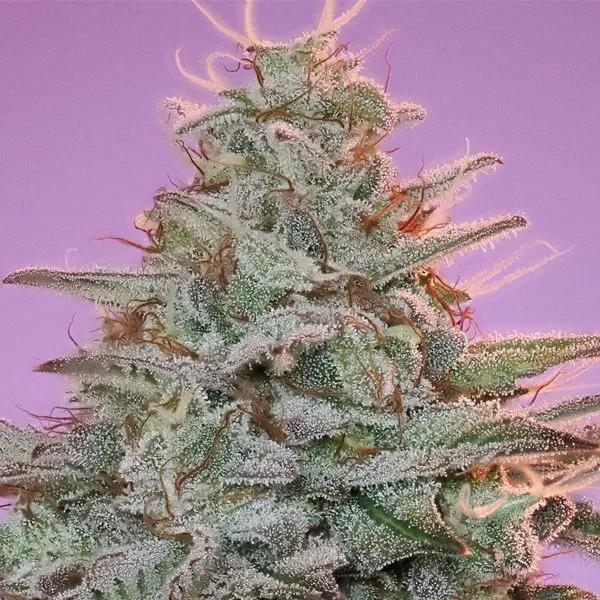
Sinai
Cannabis seeds
by Anesia Seeds
Sinai Landrace Cannabis Seeds by Anesia Seeds
Sinai Landrace is a pure, unhybridised sativa landrace sourced directly from the Sinai Peninsula's desert environment. These feminised cannabis seeds from Anesia Seeds preserve genetics that have adapted to extreme heat, drought, and sandy soils over centuries — delivering earthy, spice-forward terps and a clear, energising cerebral effect with up to 21% THC. If you're hunting rare landrace genetics, this is the real thing.
Pack Size
Sinai Landrace seeds come in a single pack of 5 feminised seeds. One pack is enough to run a solid pheno hunt — and with landrace genetics, you'll want every seed to explore the natural variation these desert-bred plants express.
| Specification | Detail |
|---|---|
| Seed Bank | Anesia Seeds |
| Genetics | Sinai Peninsula Landrace (unhybridised) |
| Type | Feminised |
| Sativa / Indica | 100% Sativa |
| THC Content | Up to 21% |
| Flowering Time | 12 weeks |
| Indoor Yield | Up to 550 g/m² |
| Outdoor Yield | Up to 1000 g per plant |
| Climate Preference | Hot, dry, arid |
| Mould Resistance | High |
| Seeds per Pack | 5 |
| SKU | CSAN0045 |
Complete your grow setup: Sinai Landrace thrives outdoors in hot climates, but if you're running her indoors, pair these seeds with a proper grow tent and ventilation kit to manage her sativa stretch. A grinder with a kief catcher is also a smart move here — those resinous, spice-laden trichomes are begging to be collected for dry sift.
Why Sinai Landrace Seeds Deserve a Spot in Your Collection
Most of what you see in seed catalogues today is hybrid upon hybrid — crosses of crosses, bred for maximum THC or bag appeal. There's nothing wrong with that, but it means the original genetics that started it all are quietly disappearing. Sinai Landrace is a direct line back to cannabis as it grew wild in the Egyptian desert, long before anyone started crossing Skunk #1 with everything that moved. That matters — not just historically, but practically.
Desert landraces have been shaped by thousands of years of natural selection under brutal conditions: scorching daytime heat, minimal rainfall, sandy nutrient-poor soil, and intense UV exposure. The result is a plant that's genuinely tough. Mould resistance is built into the DNA here — this isn't a trait that was crossed in from a lab; it evolved because plants that couldn't handle arid stress simply didn't survive. If you've ever lost a late-season outdoor crop to botrytis, you'll understand why that matters. Sinai Landrace shrugs off conditions that would turn most modern hybrids to mush.
And then there's the smoke. We've seen a lot of landrace genetics come through over the years, and the ones from arid, high-UV environments tend to produce a particular terpene profile you just don't get from indoor-bred hybrids. Expect dry earth, warm herbal notes, and a spice kick that reminds you of hand-rubbed hash from the old days — not the candy-terp sweetness that dominates modern strains. At up to 21% THC, the potency is respectable without being overwhelming. The high is clear-headed, uplifting, and long-lasting. Good for daytime. Good for getting things done. Good for sitting outside and actually enjoying being awake.
Sinai Landrace Growing Tips and What to Expect
Sinai Landrace is a full sativa, which means she grows tall, stretches during flower, and takes 12 weeks to finish blooming. That's actually fairly quick for a pure landrace sativa — some African and Southeast Asian landraces push 16 weeks or more. Twelve weeks is manageable, especially when the payoff is up to 550 g/m² indoors or a massive 1000 g per plant outdoors.
Outdoors is where this strain truly belongs. Give her full sun, well-draining soil, and minimal fuss — she's been doing this without human help for a very long time. Indoors, you'll want to manage height aggressively. Top early, consider a ScROG net, and flip to 12/12 before she gets too tall. Sativa stretch is real, and Sinai Landrace will double or even triple in height during the first few weeks of flower.
The honest limitation: if you're in a cold, damp northern European climate and growing outdoors, this isn't your first pick. She's bred for heat and aridity. A greenhouse or polytunnel will help bridge that gap, but she's at her absolute best in Mediterranean or continental climates with long, hot summers. Indoors with climate control, she's perfectly happy — just give her the vertical space she needs.
Sinai Landrace Flavour and Aroma Profile
This is where Sinai Landrace really sets itself apart from modern genetics. The terpene profile is earthy and herbal at its base — think dry soil after a rare desert rain, sun-baked herbs, and a warm spice note that sits on the back of your tongue. There's a quality to it that reminds you of artisanal hand-pressed hash: resinous, slightly sweet underneath, but predominantly savoury and complex. If you've only ever smoked modern cookie and cake crosses, this will be a genuine palate reset.
The smoke is smooth rather than harsh, and the cerebral effect comes on clean. No couch-lock, no fog — just a clear, energising lift that works well for creative work, long walks, or anything where you want to be present and motivated. Compared to something like a Durban Poison (another classic African-adjacent sativa), Sinai Landrace leans more herbal and less sweet, with a spicier finish. Both are worth growing, but they're distinctly different experiences.
How to Germinate and Grow Sinai Landrace Seeds
- Soak your Sinai Landrace seeds in a glass of room-temperature water for 12-24 hours until they sink. A seed that sinks has absorbed enough moisture to trigger germination.
- Transfer the soaked seeds to damp paper towels placed between two plates. Keep them in a warm spot (22-26°C) and check daily. Taproots should emerge within 2-5 days.
- Once the taproot is 1-2 cm long, plant each seed 1 cm deep in a small pot of light, well-draining soil or coco coir. Water gently — don't drench.
- Provide 18-20 hours of light during the vegetative stage. Top the plant early (after the 4th or 5th node) to control height and encourage lateral branching — critical for a sativa that stretches hard in flower.
- Switch to 12/12 light when the plant reaches roughly one-third of your available vertical space. Expect significant stretch during the first 3-4 weeks of flowering.
- Maintain low humidity (40-50% RH) during flower. Sinai Landrace handles dry air brilliantly, and keeping humidity low plays to her natural mould resistance.
- Harvest after approximately 12 weeks of flowering, when trichomes shift from clear to milky-white. For a more energising effect, harvest on the earlier side before amber trichomes develop.
- Dry slowly in a dark room at 18-21°C with 55-60% humidity for 10-14 days, then cure in glass jars for at least 2 weeks. The earthy, spice-forward terpenes develop beautifully with a proper cure.
Frequently Asked Questions
What is a landrace cannabis strain?
A landrace is a cannabis variety that developed naturally in a specific geographic region over hundreds or thousands of years without deliberate human hybridisation. Sinai Landrace comes from the Sinai Peninsula in Egypt, where it adapted to extreme desert conditions. These genetics are the building blocks that modern hybrid strains were originally bred from.
Is Sinai Landrace hard to grow indoors?
Not hard, but she needs height management. As a pure sativa, she stretches significantly during flowering — topping early and using a ScROG net keeps her manageable. She handles low humidity well and resists mould, so the main challenge is vertical space, not plant health.
How long does Sinai Landrace take to flower?
Sinai Landrace has a 12-week flowering period. That's fairly quick for a 100% sativa landrace — many pure sativas take 14-16 weeks or longer. The wait is worth it for yields of up to 550 g/m² indoors or 1000 g per plant outdoors.
What does Sinai Landrace taste like?
Dry earth, warm herbs, and a distinct spice kick on the exhale. It's reminiscent of traditional hand-rubbed hash — savoury, resinous, and complex. Nothing like the sweet, fruity terps dominating modern hybrids. If you appreciate old-school cannabis flavour, this is your strain.
Can I grow Sinai Landrace in a cold climate?
She's bred for hot, arid desert conditions, so cold and damp isn't her natural habitat. A greenhouse or indoor setup with climate control works well. Outdoors in northern Europe, she'll manage in a warm summer but won't reach her full potential without consistent heat and sun.
How does Sinai Landrace compare to Durban Poison?
Both are pure sativa landraces with energising effects, but they're distinctly different. Durban Poison leans sweeter and more citrusy, while Sinai Landrace is earthier with a warm spice profile. Sinai Landrace has stronger mould resistance due to its desert origins. Both are worth growing if you're into landrace genetics.
Is 21% THC strong for a landrace strain?
Yes — most traditional landraces sit around 10-15% THC. Sinai Landrace at up to 21% is notably potent for an unhybridised variety. Anesia Seeds has stabilised the genetics while preserving the original landrace characteristics, so you get authentic desert genetics with modern-level potency.
Last updated: April 2026
Related products
You might also like

Medical disclaimer. This content is for informational purposes only and does not constitute medical advice. Consult a qualified healthcare provider before use of any substance.