
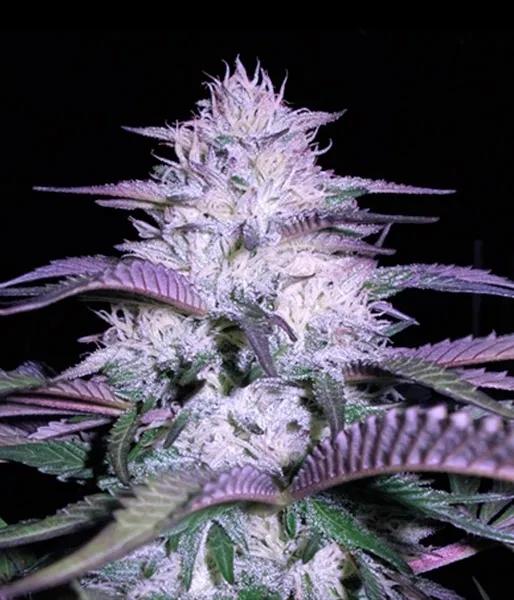
Pack: 3 seeds
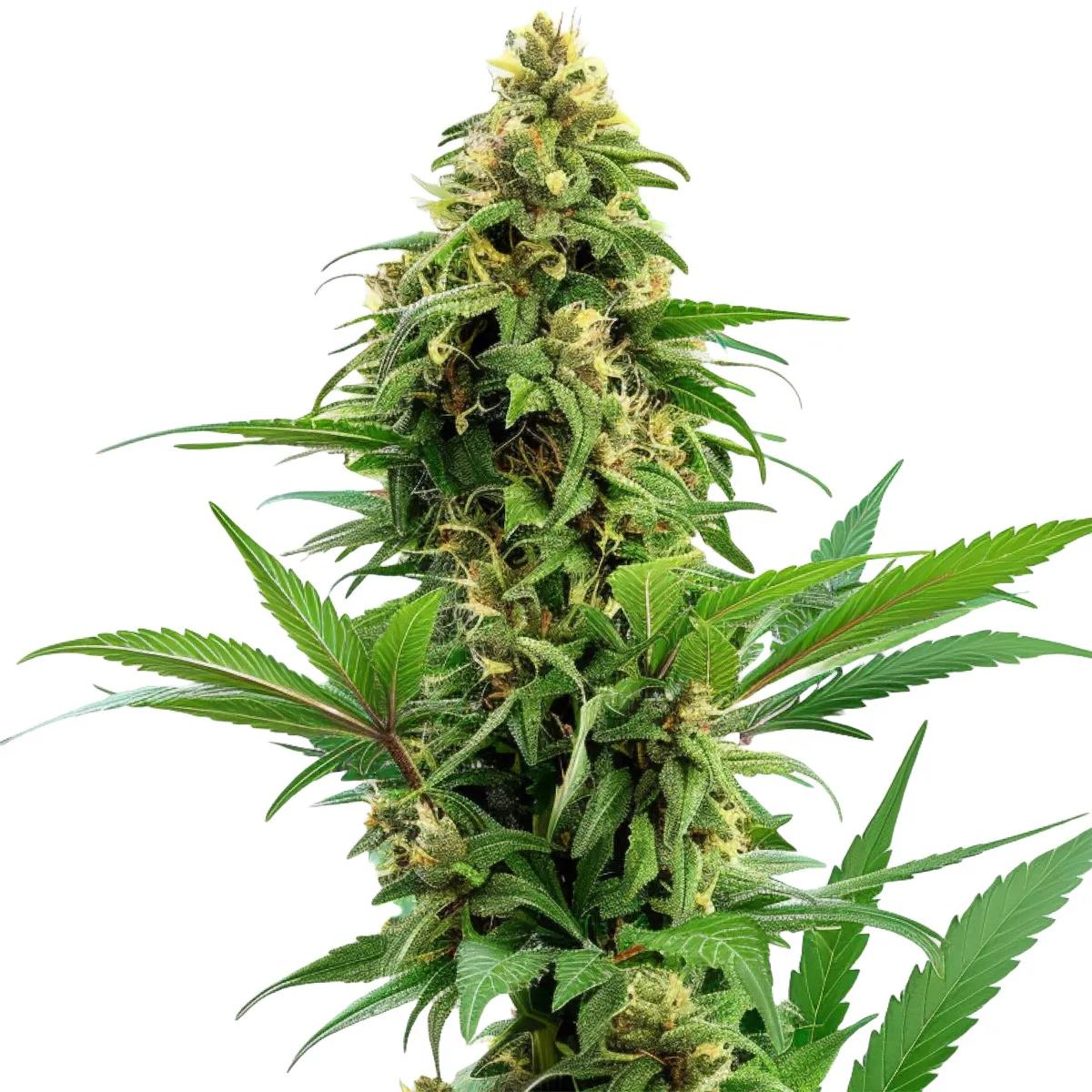
Currant Kush Feminised Cannabis Seeds by VIP Seeds
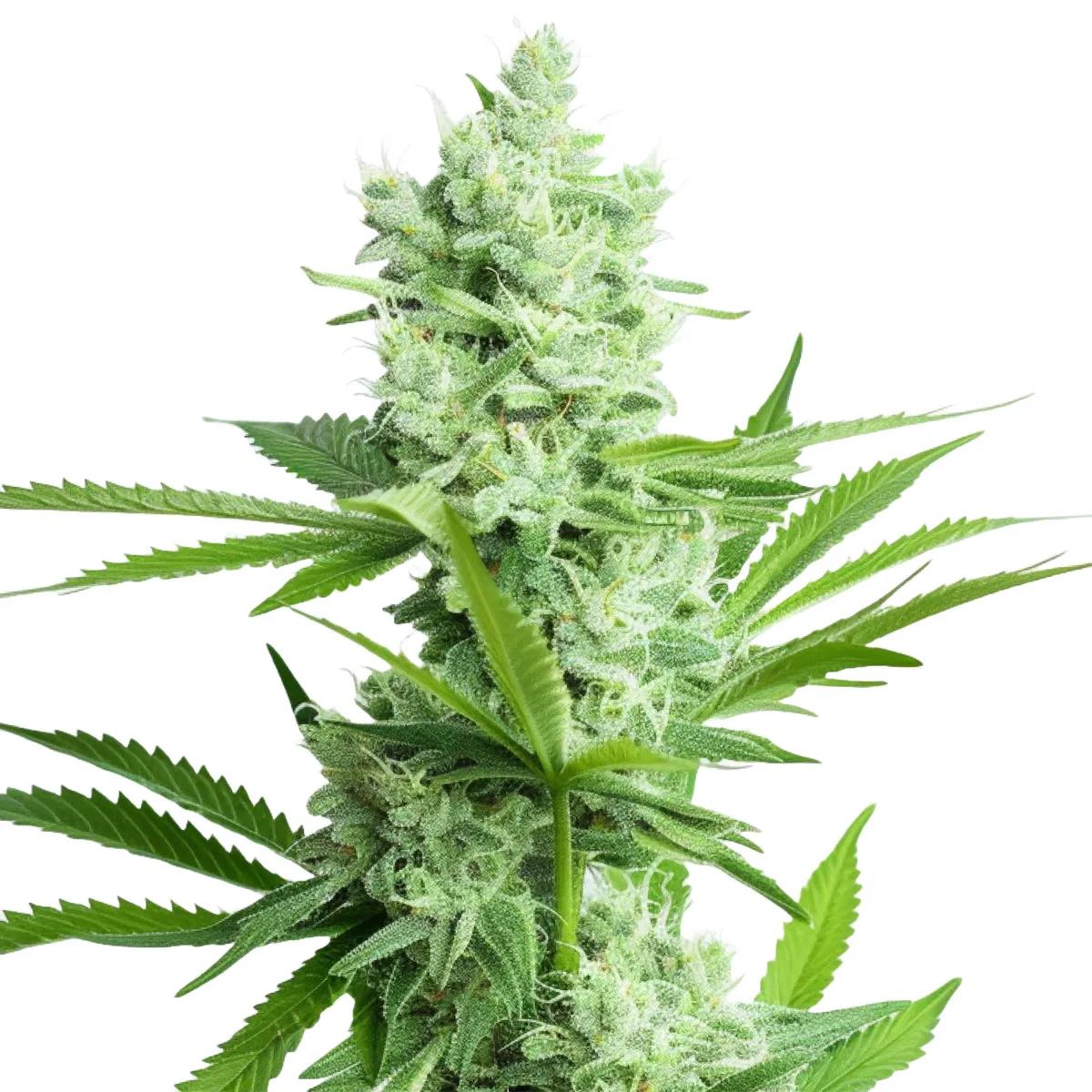
Currant Kush is a feminised cannabis strain from VIP Seeds that delivers a flavour profile so unusual, first-time smokers genuinely look confused — in the best way. A 50/50 Indica-Sativa hybrid born from Afghan Kush crossed with Mexican and Colombian Sativa genetics, this one rewards experienced growers with dense, resinous buds that burst with grapefruit, clementine, mint, and lavender. THC levels tested at 21–22%, so the confusion doesn't last long before it shifts into a properly intense experience.
This pack contains 3 feminised seeds. Every seed is female — no males to cull, no wasted space. VIP Seeds packages these in small batches, so you're getting fresh, viable genetics.
Why Currant Kush Seeds Deserve a Spot in Your Grow Room
Most strains promise interesting flavours. Currant Kush actually delivers something you haven't tasted before. We've seen plenty of "fruity" strains that just taste vaguely sweet — this one is different. The grapefruit and clementine come through sharp and slightly sour, then the mint and lavender arrive on the exhale like an afterthought that changes everything. It's the kind of terpene profile that makes you stop mid-session and actually pay attention to what you're smoking.
The genetics tell the story. Afghan Kush — a landrace variety from the Hindu Kush mountain region — brings the sticky resin production, structural stability, and that classic Indica density. The Sativa side comes from undisclosed Mexican and Colombian lines, contributing the uplifting effects and those complex aromatic layers you won't find in a pure Kush. The result is a genuinely balanced hybrid that doesn't lean too heavily in either direction.
Here's the honest bit: this isn't a beginner-friendly grow. Currant Kush plants demand more attention than your average feminised seed. They can be fussy about feeding schedules, and you'll want to keep a close eye on humidity during late flower to protect those dense, resin-caked buds. If you've already got a successful harvest or two under your belt, you'll manage fine. If this would be your first grow, we'd steer you towards something more forgiving — Afghan Kush itself, or a Northern Lights variant — and come back to Currant Kush once you've got your environment dialled in.
Growing Currant Kush: What to Expect from Seed to Harvest
Currant Kush finishes flowering in 60–65 days indoors, which is respectable for a hybrid with this level of complexity. Indoor growers can pull up to 400g/m² with proper care — good light penetration, controlled feeding, and adequate airflow through the canopy are your priorities.
Outdoor growers get the better deal here. Plants are ready by the end of September in the Northern Hemisphere, and yields of 450–600g per plant are realistic in a good season. That's a significant return for a strain that packs 21–22% THC into every bud.
One thing we'd flag: curing matters more with this strain than most. The complex terpene profile — that grapefruit-mint-lavender combination — only fully develops with a proper cure. Rush it, and you'll get a decent smoke. Give it 2–4 weeks in jars with daily burping, and you'll understand why VIP Seeds considers this one of their signature varieties. The difference is night and day.
| Specification | Detail |
|---|---|
| Seed bank | VIP Seeds |
| Genetics | Afghan Kush x Mexican/Colombian Sativa |
| Type | Feminised |
| Indica/Sativa ratio | 50% Indica / 50% Sativa |
| THC content | 21–22% |
| Flowering time | 60–65 days |
| Indoor yield | Up to 400g/m² |
| Outdoor yield | 450–600g per plant |
| Outdoor harvest | End of September |
| Seeds per pack | 3 |
| Difficulty | Intermediate to advanced |
Growing Currant Kush indoors? A proper grow tent keeps your environment consistent and your terpenes intact — pair these seeds with a Dark Box grow tent and a carbon filter to keep that intense grapefruit-lavender aroma where it belongs. If you're producing hash from the resin-heavy trim (Afghan Kush genetics make this a natural choice), a set of bubble bags will help you get the most from every harvest.
Flavour Profile and Effects: Currant Kush at 21–22% THC
The flavour is the headline. Properly cured Currant Kush buds open with a sharp, slightly sour grapefruit note — not candy-sweet, but genuinely citrus-forward, like biting into the peel. Clementine sweetness follows, then a cooling mint layer that catches you off guard. The lavender comes through on the exhale, floral and smooth, tying the whole thing together. It's genuinely unlike anything else we've come across. VIP Seeds call it their signature strain for flavour, and that's not marketing — it's earned.
At 21–22% THC, the effects hit with real weight. The balanced 50/50 genetics mean you get both sides: the Sativa uplift from the Mexican and Colombian parentage arrives first, then the Afghan Kush Indica body settles in behind it. According to research published in PMC, Δ9-THC is a nonselective partial agonist of the CB1 and CB2 receptors, eliciting a variety of physiological effects including analgesia and appetite stimulation (PMC5665515). At this potency level, experienced users will find the effects pronounced and long-lasting.
According to a review published in the National Academies Press, during acute cannabis intoxication, sensitivity to certain stimuli such as colours and music may be enhanced, and the perception of time may be altered (NBK425762). With Currant Kush's complex aroma layered on top of that sensory shift, the experience becomes something quite memorable.
How to Grow Currant Kush Seeds
- Germinate your feminised Currant Kush seeds using the paper towel method or directly in a propagation plug. Maintain a temperature of 22–25°C and keep the medium moist but not waterlogged. Taproots typically emerge within 24–72 hours.
- Transplant seedlings into their final containers once the first true leaves appear. A 15–20 litre pot works well for indoor grows. Use a well-draining medium — coco-perlite mixes or a quality organic soil both suit this strain.
- During vegetative growth, implement low-stress training (LST) or set up a SCROG net. Currant Kush can stretch during the transition to flower, so controlling height early saves headaches later. Aim for an even canopy before flipping to 12/12.
- Switch to a 12/12 light cycle to trigger flowering. The 60–65 day flowering window means you'll want to start monitoring trichome development around day 50. Feed bloom nutrients according to your medium, and watch for the heavy resin production that signals Afghan Kush genetics at work.
- Manage humidity carefully in weeks 6–9. Those dense, resin-coated buds are susceptible to mould if relative humidity climbs above 50%. Good airflow and a dehumidifier are your best friends during late flower.
- Harvest when trichomes show a mix of milky and amber — roughly 70% milky, 30% amber for a balanced effect. Outdoor growers in the Northern Hemisphere should be harvesting by the end of September.
- Cure for a minimum of 2 weeks in sealed glass jars, burping daily for the first week. The grapefruit, clementine, mint, and lavender terpene profile develops significantly during a proper cure. Patience here is the difference between a good smoke and an exceptional one.
Frequently Asked Questions
Is Currant Kush suitable for beginner growers?
Not really. Currant Kush demands more attention than typical beginner strains — it can stretch unpredictably, needs careful humidity management, and responds best to training techniques like LST or SCROG. If you've got at least one successful harvest behind you, you'll be fine. First-timers should start with something more forgiving like Northern Lights or Afghan Kush.
What does Currant Kush taste like?
Sharp, slightly sour grapefruit and sweet clementine hit first, followed by a cooling mint layer and a smooth lavender finish on the exhale. It's a genuinely unusual combination — most people can't identify it on the first try. Proper curing for at least 2 weeks is critical to developing the full terpene profile.
How much THC does Currant Kush produce?
VIP Seeds reports tested THC levels of 21–22%. That's a potent strain by any measure. The balanced 50/50 Indica-Sativa genetics mean the effects combine both physical relaxation from the Afghan Kush side and cerebral stimulation from the Mexican-Colombian Sativa parentage.
What yields can I expect from Currant Kush?
Indoor growers can achieve up to 400g/m² in a 65-day flowering period with proper care. Outdoor yields are higher — 450–600g per plant is realistic, with harvests ready by the end of September. Training techniques and good feeding schedules make the difference between average and maximum yields.
Can I make hash from Currant Kush?
Absolutely — the Afghan Kush genetics make this strain a natural hash producer. Trichome coverage is heavy across buds and sugar leaves. Dry sift or bubble hash from Currant Kush trim retains the unusual grapefruit-lavender flavour profile remarkably well. Save your trim; it's worth processing.
How long does Currant Kush take to flower?
60–65 days from the flip to 12/12. That's a fairly standard timeframe for a balanced hybrid. Start checking trichomes around day 50 to time your harvest window — milky trichomes with some amber give the best balance of potency and effect.
Is Currant Kush better suited for indoor or outdoor growing?
Both work, but outdoor growers get higher yields — up to 600g per plant versus 400g/m² indoors. Indoor growing gives you more control over the humidity management that Currant Kush needs during late flower. If you've got the climate and the space, outdoor is the bigger reward.
Last updated: April 2026
Related products
You might also like
Medical disclaimer. This content is for informational purposes only and does not constitute medical advice. Consult a qualified healthcare provider before use of any substance.