

Pack: 3 seeds
Skunk Autoflowering Cannabis Seeds by Strain Hunters
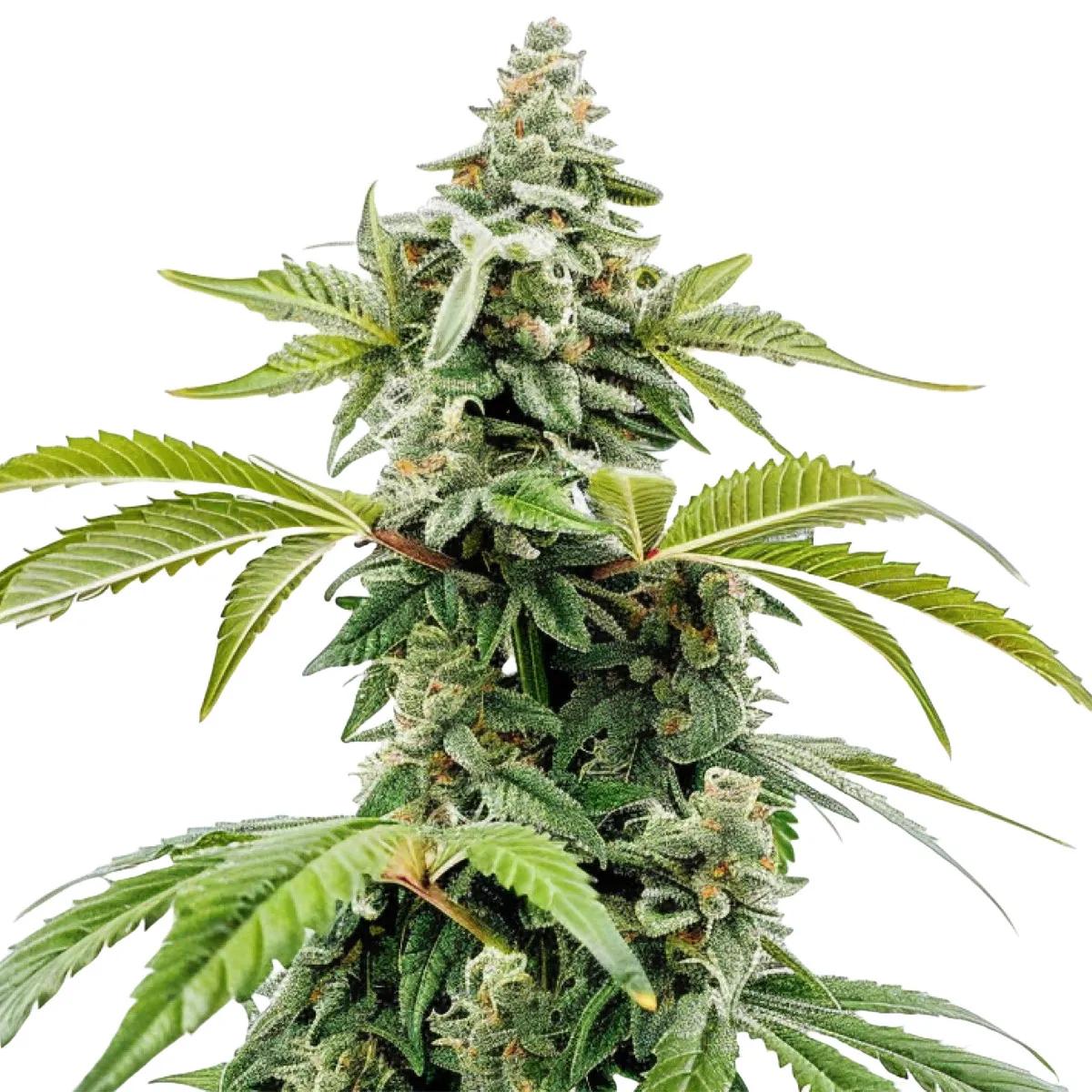
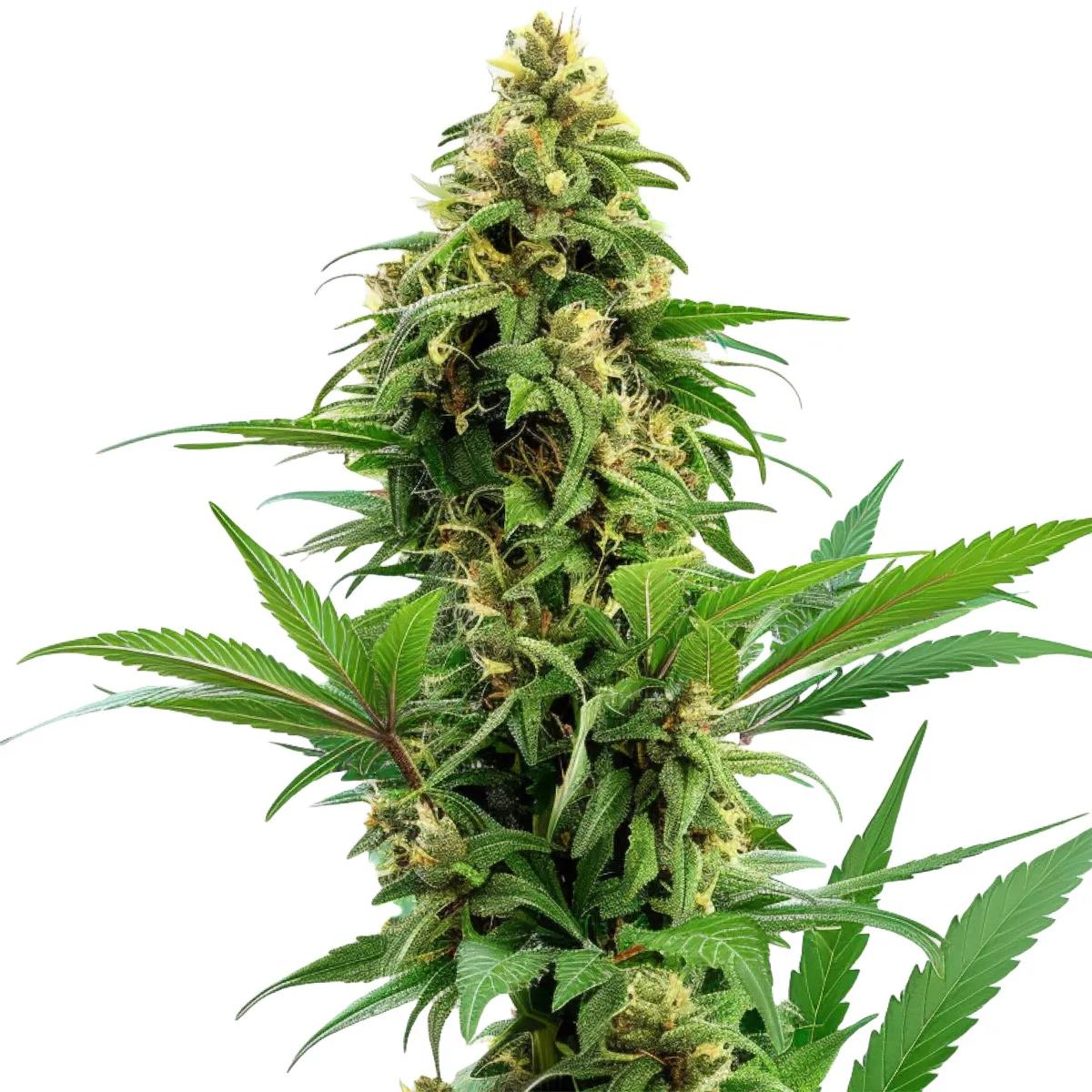
Skunk Autoflowering is a feminised autoflowering cannabis seed that delivers old-school Skunk genetics on a compressed 9-week schedule. Strain Hunters crossed a classic Skunk mother with a pure Ruderalis landrace from Kazakhstan, and the result is a plant that practically grows itself — topping out at 90–120cm with yields that can hit 800g/m² under a 1000W lamp. That's not a typo. For an autoflower, those numbers are borderline absurd.
Why Skunk Autoflowering Seeds Stand Out
Most autoflowering strains trade convenience for yield. You get a fast turnaround, sure, but you're looking at maybe 300–400g/m² if everything goes right. Strain Hunters' Skunk Autoflowering breaks that pattern. The Ruderalis genetics from Kazakhstan bring the automatic flowering trigger and cold-hardiness, while the Skunk parent supplies the vigour, branching structure, and sheer productivity that made the original Skunk a cornerstone of indoor growing.
The plants shape up fast in the first two weeks, throwing out strong lateral branches that fill your canopy without much intervention. Buds start slow during early flowering — don't panic, that's normal with this one — then pack on weight rapidly in the final weeks. The whole cycle from germination to chop takes roughly 9 weeks. That means multiple runs per season if you're growing indoors, or a discreet summer harvest outdoors without waiting until October.
We've seen growers get impatient with the early flowering phase and start overfeeding. Don't. The bud development on Skunk Autoflowering is back-loaded. Give it proper nutrients and patience, and those final two weeks will surprise you.
Skunk Autoflowering Aroma, Flavour, and Effects
The smell hits you before you even break a bud open — intense, earthy, unmistakably Skunk, with a caramel-like sweetness sitting underneath. It's not subtle. If you're growing without a carbon filter, your entire floor of the building will know about it. The flavour follows the nose: deep earthy tones on the inhale, that caramel warmth on the exhale.
The effect comes on fast. Strain Hunters describe it as almost instant — a strong cerebral onset right on the exhale of the first draw, followed by a relaxed body feeling that settles in over the next few minutes. It's a balanced experience, not a one-dimensional couch-lock or a racy head-only effect. The Skunk lineage shows through clearly here.
One honest note: that intensity cuts both ways. If you're growing this for someone with a low tolerance, the potency can catch people off guard. Start easy with the finished product.
Skunk Autoflowering Growing Specifications
| Specification | Detail |
|---|---|
| Seed Bank | Strain Hunters |
| Genetics | Skunk x Ruderalis (Kazakhstan) |
| Type | Autoflowering, Feminised |
| Seed-to-Harvest Time | Approximately 9 weeks |
| Plant Height | 90–120cm |
| Indoor Yield (max) | Up to 800g/m² (1000W HPS) |
| Aroma Profile | Intense earthy, caramel undertones |
| Effect | Fast cerebral onset, relaxed body |
| Seeds per Pack | 3 |
| SKU | CSSH0010 |
How to Grow Skunk Autoflowering Seeds
- Germinate your seeds using the paper towel method or directly in a small pot of moist, light soil. Taproots typically emerge within 24–72 hours.
- Transplant seedlings into their final container early — autoflowers don't like root disturbance, so move them into a 7–11 litre pot within the first week. This is the container they'll finish in.
- Run your lights on an 18/6 or 20/4 schedule from start to finish. Unlike photoperiod strains, Skunk Autoflowering doesn't need a light-cycle change to trigger flowering — it switches automatically around week 2–3.
- Start nutrients at half the manufacturer's recommended dose. Autoflowers are smaller than photoperiod plants and burn easily. Increase gradually only if the plant looks hungry (pale new growth, slow development).
- Watch for the lateral branching during weeks 1–2. The plant structures itself quickly, and light stress training (LST) during this window can open up the canopy for better light penetration without topping.
- Don't panic during early flowering. Bud sites will appear small for the first couple of weeks, then bulk up dramatically in the final 2–3 weeks before harvest.
- Flush with plain water for the last 5–7 days before harvest. Check trichomes with a jeweller's loupe — harvest when roughly 70–80% are milky with a few turning amber.
Skunk Autoflowering Yield and Performance
The headline number is 800g/m² under a 1000W lamp with proper feeding. That's the ceiling, not the floor. In practice, most home growers running a 400W or 600W setup in an 80x80cm tent will land somewhere between 400–600g/m², which is still exceptional for an autoflower. The key variables are light intensity, nutrient management, and not overwatering during the seedling stage.
Outdoors, these plants stay compact at 90–120cm — short enough to grow on a balcony or tucked into a garden corner without drawing attention. The Ruderalis genetics from Kazakhstan mean the plant handles cooler nights better than most autos, though it'll still perform best in a warm, sunny spot.
| Growing Scenario | Expected Yield Range |
|---|---|
| Indoor, 1000W HPS, optimised feeding | Up to 800g/m² |
| Indoor, 400–600W, standard care | 400–600g/m² (estimated) |
| Outdoor, warm climate | Moderate — plant stays 90–120cm |
| Total cycle time | 9 weeks from germination |
Running Skunk Autoflowering indoors? Pair these seeds with a complete grow tent kit — tent, light, ventilation, and carbon filter in one package. The carbon filter isn't optional with this strain; the earthy Skunk aroma is strong enough to fill a room. A pH meter and basic nutrient set will round out your setup.
Related products




You might also like


Medical disclaimer. This content is for informational purposes only and does not constitute medical advice. Consult a qualified healthcare provider before use of any substance.