

Pack: 10 seeds
Ruderalis Skunk Cannabis Seeds by Sensi Seeds
Ruderalis Skunk is a regular cannabis seed strain from Sensi Seeds that crosses hardy Eastern European Ruderalis genetics with their classic Skunk line — giving outdoor growers a robust, resin-heavy plant that can handle cold climates and short summers without babysitting. Fifty percent of seedlings autoflower at the 5th to 7th branch set, while the other half respond to photoperiod, meaning you can pull a double harvest from a single pack of seeds. If you want Skunk-quality bud from an outdoor grow in northern Europe, this is where you start.
Why Ruderalis Skunk Seeds Deserve a Spot in Your Garden
Ruderalis Skunk solves the single biggest headache for outdoor growers in the UK, Netherlands, Scandinavia, and anywhere else where summer decides to pack up early: timing. Standard photoperiod Skunk strains need long, warm autumns to finish properly. Miss that window and you're looking at half-developed buds and mould. Sensi Seeds bred this strain specifically for unpredictable climates by crossing their best Skunk with Cannabis ruderalis — a subspecies native to Russia and Eastern Europe that evolved to flower based on age rather than light hours.
The result is a 70% indica hybrid that grows wide, sturdy, and absolutely caked in resin. The autoflowering phenotypes will start flowering on their own around the 5th to 7th set of branches regardless of daylight hours. The photoperiod phenotypes behave more like Sensi's Early Girl or Early Skunk — they'll wait for the light shift but finish earlier than most photoperiod strains. Run both side by side and you're harvesting twice in one season. That's not a gimmick; it's genuinely clever breeding from a seed bank that's been at it since the 1980s.
One honest limitation: because these are regular seeds, roughly half your plants will be male. You'll need to sex them and remove the males unless you're breeding. If that sounds like too much hassle, Sensi Seeds' feminised lines are worth a look. But if you want to pheno-hunt or breed your own crosses, regular seeds are the way to go — and Ruderalis Skunk gives you a seriously resilient genetic foundation to work with.
Ruderalis Skunk Growth Pattern and What to Expect
Ruderalis Skunk grows like a typical Skunk-dominant indica: wide, branchy, and stocky rather than tall and stretchy. In optimal outdoor conditions she can reach up to 200cm, though most plants in northern European gardens will sit between 120cm and 170cm. The structure is bushy with thick stems — she doesn't need much staking unless you're in a particularly windy spot.
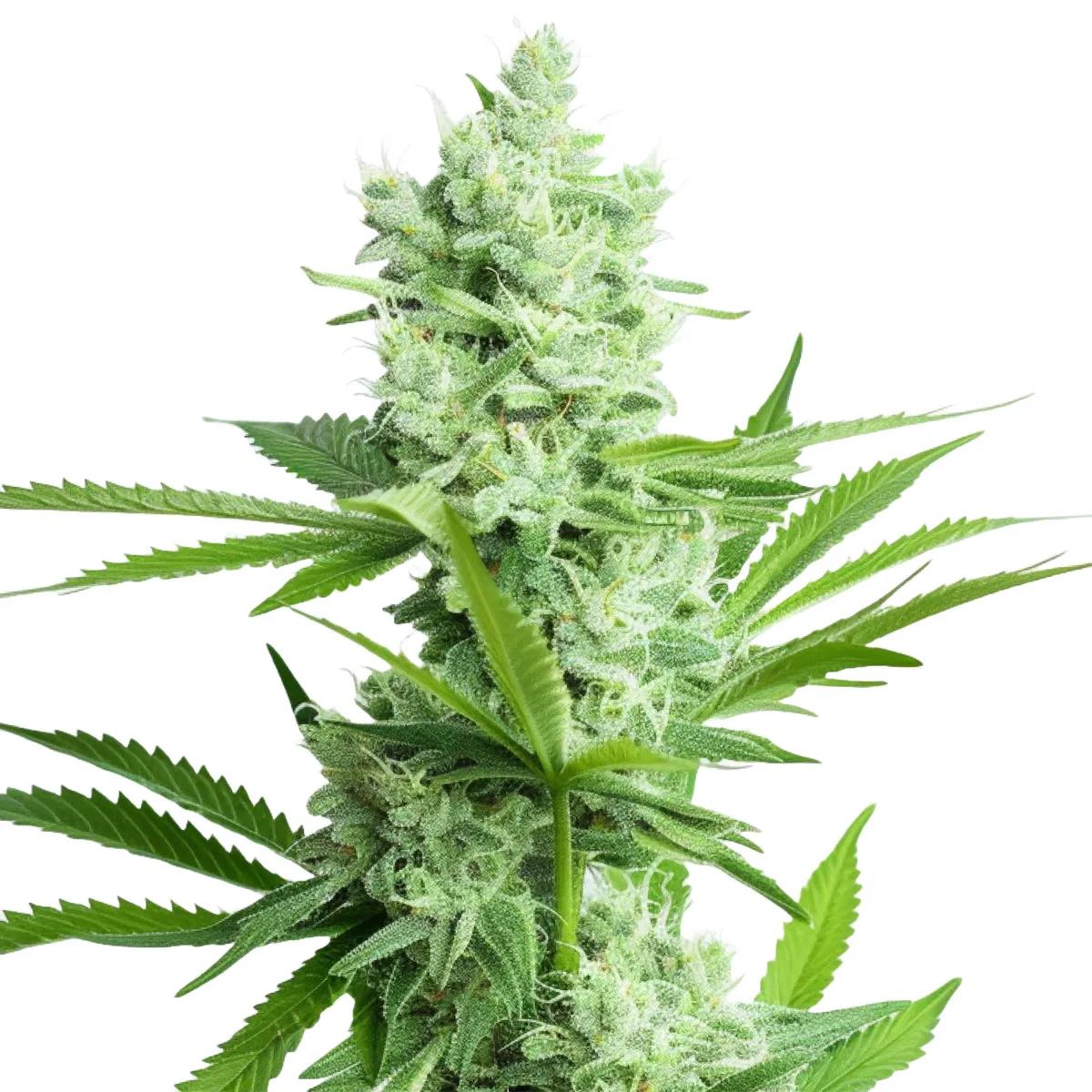
Flowering takes 45 to 65 days depending on phenotype. The autoflowering plants tend to finish on the shorter end of that range, while the photoperiod phenotypes take a bit longer but reward you with larger yields. During flowering, the buds swell into dense, chunky clusters that coat themselves in sticky resin — not just the flowers, but the surrounding leaves too. You can smell the Skunk heritage from a metre away: that unmistakable sharp, skunky musk with an earthy undertone. When you handle the buds at harvest, your fingers will be tacky with trichomes for the rest of the afternoon.
The photoperiod phenotypes will finish larger and yield the most. The autoflowering phenotypes sacrifice some size for speed and independence from light schedules. Both produce a deeply relaxing body stone — classic indica territory. Heavy limbs, couch gravity, the kind of effect that pairs better with a film than a hike.
| Specification | Detail |
|---|---|
| Seed Bank | Sensi Seeds |
| Seed Type | Regular (non-feminised) |
| Genetics | Ruderalis x Skunk |
| Indica / Sativa | 70% Indica |
| Autoflower Rate | Approximately 50% of seedlings |
| Flowering Time | 45-65 days |
| Maximum Height (Outdoor) | Up to 200cm |
| Yield | High (photoperiod phenotypes yield most) |
| Climate Tolerance | Cold-hardy, suited to northern climates |
| Seeds per Pack | 10 |
Autoflower vs Photoperiod: The Ruderalis Skunk Double Harvest
This is the part that makes Ruderalis Skunk genuinely interesting compared to a standard autoflower or a standard photoperiod strain. You're not getting one type of plant — you're getting two from the same pack.
Roughly 50% of your Ruderalis Skunk seedlings will carry the dominant autoflowering trait from the Ruderalis parent. These plants ignore daylight hours entirely and begin flowering automatically once they've developed 5 to 7 sets of branches. In practice, that means they'll be ready to harvest in mid to late summer while your photoperiod plants are still in vegetative growth. The other 50% respond to the natural shortening of days in autumn, flowering early like Sensi Seeds' Early Skunk line. These finish later but grow bigger and produce heavier yields.
The practical upside: you harvest the autoflowering plants first, then the photoperiod plants a few weeks later. Two harvests, one pack of seeds, one growing season. For growers in the Netherlands, UK, northern Germany, or Scandinavia — where you might get a solid 4 months of decent weather — this staggered approach is a genuine advantage over single-harvest strains.
| Phenotype | Flowering Trigger | Harvest Timing | Relative Yield | Relative Size |
|---|---|---|---|---|
| Autoflowering (~50%) | Age-based (5-7th branch set) | Mid to late summer | Moderate | Compact |
| Photoperiod (~50%) | Light cycle (shortening days) | Early to mid autumn | High | Larger, up to 200cm |
How to Grow Ruderalis Skunk Seeds Outdoors
Ruderalis Skunk is one of the most forgiving outdoor strains we've come across. The Ruderalis genetics evolved in Siberia and Central Russia — if a plant can survive there, your back garden is a holiday resort by comparison. That said, a few practical steps will get you the best results.
- Germinate your Ruderalis Skunk seeds indoors using the paper towel method or directly in small pots of moist seedling soil. Keep temperatures between 20-25°C until taproots emerge (typically 2-5 days).
- Transplant seedlings into their final outdoor position once they have 2-3 sets of true leaves and nighttime temperatures consistently stay above 10°C. Use large pots (20-30 litres minimum) or plant directly in the ground with well-draining, nutrient-rich soil.
- Watch for sex. These are regular seeds, so expect roughly half male plants. Males will show small pollen sacs at the nodes around weeks 4-6. Remove them promptly unless you're intentionally breeding.
- Identify your autoflowering and photoperiod phenotypes. Autoflowering plants will begin showing pistils at the 5th to 7th branch set regardless of the season. Photoperiod plants will stay in veg until days shorten naturally in late summer or early autumn.
- Feed with a balanced grow nutrient during vegetative growth, then switch to a bloom formula once flowering begins. Ruderalis Skunk isn't fussy, but she responds well to organic amendments like bat guano and worm castings.
- Harvest the autoflowering plants first when trichomes are mostly cloudy with a few amber. Then let the photoperiod plants finish — they'll need a few more weeks but will reward you with bigger, denser buds.
- Dry harvested buds in a dark, well-ventilated space at around 18-20°C and 50-60% humidity for 7-14 days. Cure in glass jars for at least 2 weeks before smoking for the best flavour and smoothness.
Ruderalis Skunk vs Early Skunk: Which Sensi Seeds Strain Is Right for You?
We get asked this one a fair bit. Both strains share Skunk genetics and both are bred for outdoor growing in cooler climates. The difference comes down to what you want from your grow.
Ruderalis Skunk gives you that 50/50 split of autoflowering and photoperiod plants — two harvest windows from one pack. The autoflowering phenotypes are faster and more independent, but the trade-off is slightly smaller plants and moderate yields compared to a full photoperiod strain. Early Skunk, on the other hand, is 100% photoperiod. Every plant responds to light changes, finishes early for a photoperiod strain, and generally produces larger yields per plant. If you want maximum weight and don't mind a single harvest window, Early Skunk is the stronger producer.
If you're new to outdoor growing or dealing with genuinely short, unpredictable summers, we'd pick Ruderalis Skunk. The autoflowering insurance policy means you're almost guaranteed at least one successful harvest even if autumn arrives early. For growers with a bit more experience and a slightly longer season, Early Skunk will give you bigger returns.
Complete your outdoor setup with the right soil and nutrients. A quality organic soil mix saves you from pH headaches, and a bloom-specific fertiliser will push those Skunk buds to their full resinous potential. If you're growing in pots, grab fabric grow bags — they promote better root aeration than plastic and help prevent overwatering, which is the number one killer of outdoor plants in wet climates.
Related products



You might also like

Medical disclaimer. This content is for informational purposes only and does not constitute medical advice. Consult a qualified healthcare provider before use of any substance.