
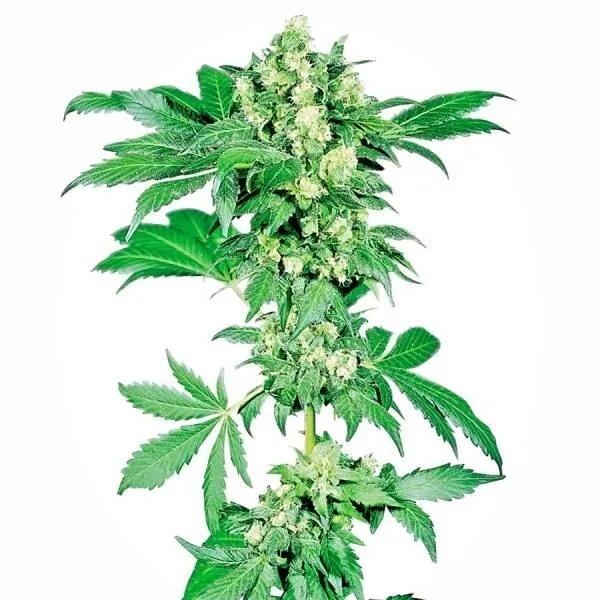
Afghani 1 Cannabis Seeds by Sensi Seeds
Afghani 1 is a near-pure indica cannabis seed strain (95% indica) from Sensi Seeds, bred from the finest Afghani landrace genetics — the same mountain stock that built Afghanistan's centuries-old hash-making tradition. These are non-feminized (regular) seeds that produce bushy, resin-drenched plants with a flowering time of just 45–55 days. If you want old-school indica genetics without modern hybrid interference, this is about as close to the source as commercial seeds get.
Which Pack Size?
Afghani 1 seeds come in three pack sizes: 3, 5, or 10 seeds. Since these are regular (non-feminized) seeds, roughly half will turn out male. If you're growing for bud, the 10-pack gives you the best odds of finding 4–5 strong females. The 3-pack works if you're experienced at sexing early and don't mind a smaller selection pool. If you're specifically after males for breeding projects — and Afghani 1 throws excellent males for crossing — the 5-pack is a solid middle ground.
Afghani 1 Seed Specifications
| Specification | Detail |
|---|---|
| Seed Bank | Sensi Seeds |
| Seed Type | Regular (non-feminized) |
| Genetics | 95% Indica / 5% Sativa |
| Origin | Afghani landrace selection |
| Flowering Time | 45–55 days |
| Plant Height | Medium — compact, bushy structure |
| Yield | Heavy |
| THC Content | High |
| CBD Content | High |
| Climate Preference | Warm with long summers (outdoor) |
| Available Packs | 3, 5, or 10 seeds |
Growing Afghani 1 indoors? Pair these seeds with a complete grow tent kit — tent, lighting, ventilation, and carbon filter sorted in one go. For outdoor growers in cooler climates, a greenhouse setup helps replicate the warm, dry conditions these Afghani genetics evolved in.
Why Afghani 1 Seeds Deserve a Spot in Your Garden
We've been selling cannabis seeds since 1999, and Afghani 1 from Sensi Seeds is one of those strains that never goes out of fashion. There's a reason for that: it's a workhorse. The genetics trace back to the Hindu Kush mountain range in Afghanistan, where cannabis plants have been selectively bred for hash production for hundreds — possibly thousands — of years. That breeding pressure produced plants that are squat, tough, and absolutely dripping with trichomes. Sensi Seeds took the best of those Afghani landraces and stabilised them into a consistent, commercially available seed line.
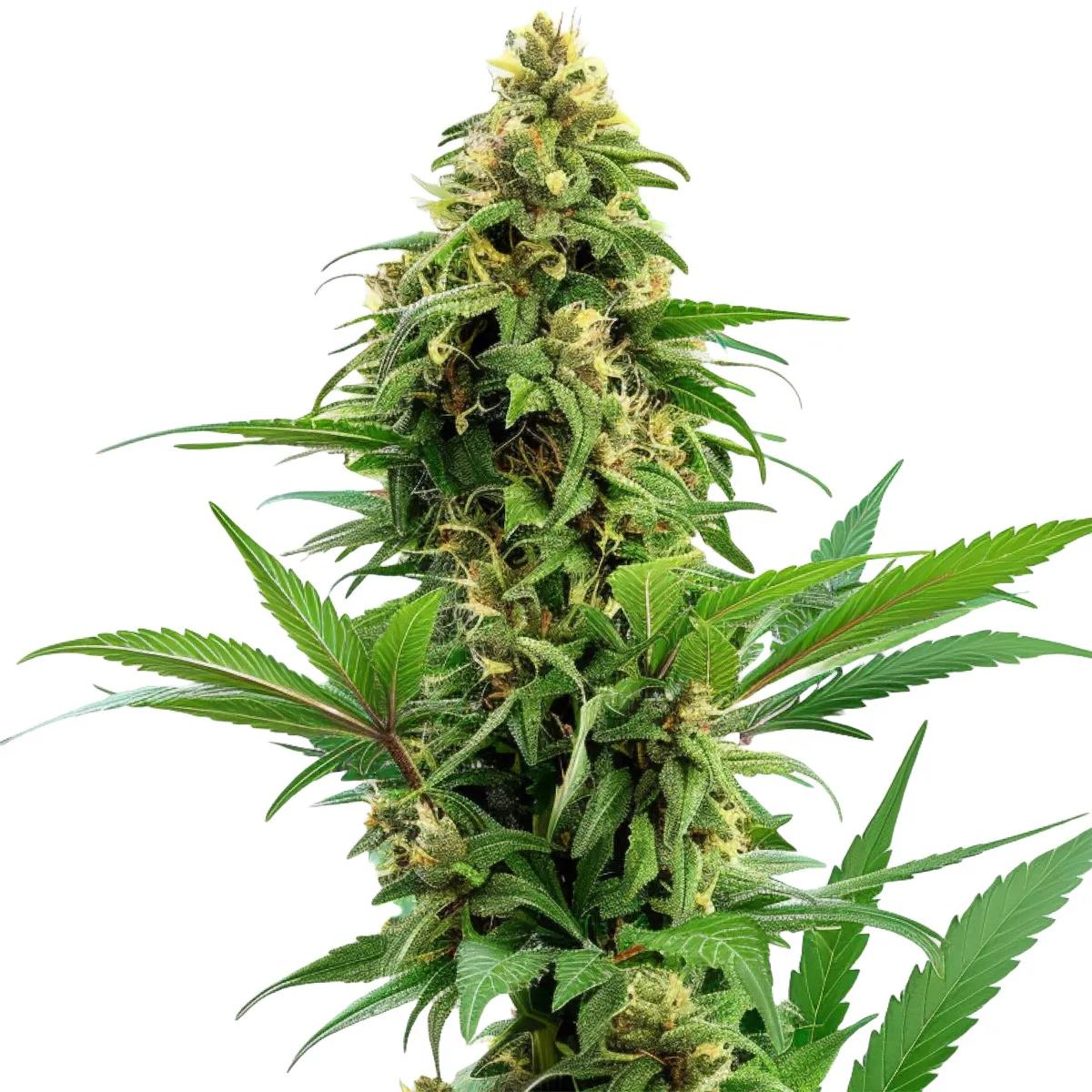
What makes Afghani 1 particularly useful is its combination of speed and potency. A 45–55 day flowering window is short by any standard, and the yield-to-time ratio is genuinely impressive. The plants stay compact — no stretching into your lights, no support stakes needed for every branch. They grow a thick central cola surrounded by dense side buds, all coated in a visible layer of resin. If you've ever seen traditional Afghan charas (hand-rubbed hash), that's exactly the kind of resin production we're talking about here.
The honest limitation: these are regular seeds, not feminized. That means you'll get males in the mix and need to identify and remove them unless you're breeding. For growers who want zero hassle, feminized alternatives exist — but you lose the option of selecting your own mother plants and males for crossing. Afghani 1 males are actually prized by breeders for injecting indica vigour, resin production, and short flowering times into hybrid crosses. So the "downside" is only a downside if you don't want it.
Afghani 1 Indica: Aroma, Resin, and What to Expect
Let's talk about what you'll actually notice when growing Afghani 1. The leaves are wide, dark green, and unmistakably indica — they look like they belong on a cannabis textbook cover. During flowering, the buds pack on density fast. By week 5 or 6, you'll see trichomes building up across the calyxes, sugar leaves, and even parts of the fan leaves closest to the buds. Under a loupe, the trichome heads are fat and milky — exactly what you want for hash production.
The aroma during growth is earthy and pungent with a spicy edge. After harvest and a proper cure, the dried buds carry a distinctive spicy, slightly sour scent with an undertone that's been described as sandalwood. It's not fruity, it's not sweet — it's that deep, incense-like smell that old-school hash lovers recognise immediately. According to some botanists, indica varieties like Afghani strains are traditionally associated with more sedative and relaxing characteristics (Sawler et al., 2015, as referenced in PMC6275121), though individual plant phenotypes within any seed batch will vary.
A note on climate: Afghani 1 performs best in warm, dry conditions with long summers if you're growing outdoors. The plants evolved in a semi-arid mountain environment, so they handle heat and low humidity well but can struggle with prolonged rain during flowering — dense buds plus moisture equals mould risk. Indoors, this is a non-issue, and the compact size makes it a natural fit for grow tents and small spaces.
How to Grow Afghani 1 Seeds
- Germinate your Afghani 1 seeds using the paper towel method or directly in a small pot of moist, aerated soil. Keep the temperature between 22–26°C. Taproots typically emerge within 24–72 hours.
- Transplant seedlings into their final containers once they've developed 2–3 sets of true leaves. A 10–15 litre pot works well for indoor growing; outdoor plants can go into larger containers or directly into the ground.
- During vegetative growth, provide 18 hours of light per day (indoor). Afghani 1 stays compact, so topping or low-stress training is optional — but topping once can encourage a more even canopy with multiple colas instead of one dominant central bud.
- Switch to 12/12 light cycle to trigger flowering (indoor). Outdoors, flowering begins naturally as daylight hours shorten in late summer. Watch for pre-flowers at nodes — remove males as soon as you identify pollen sacs unless you're breeding.
- During the 45–55 day flowering period, keep relative humidity below 50% to prevent mould in those dense buds. The plants are heavy feeders in mid-flower — a phosphorus-and-potassium-rich bloom nutrient will support resin and bud development.
- Harvest when trichomes are mostly milky with some turning amber (check with a jeweller's loupe or digital microscope). Dry slowly in a dark room at 18–20°C and 55–60% humidity for 7–10 days, then cure in sealed jars for at least 2 weeks.
- For hash production — the traditional use of Afghani genetics — dry sift or ice-water extraction methods work exceptionally well with this strain's abundant trichome coverage. Even the trim is worth keeping.
Afghani 1 Seeds: Breeding Potential
One of the genuine advantages of buying regular Afghani 1 seeds — rather than feminized — is the breeding stock they provide. Afghani genetics have been used as the backbone of countless modern hybrids. That short flowering time, heavy resin production, and compact structure are traits that breeders actively seek to introduce into sativa-dominant or hybrid lines. A strong Afghani 1 male crossed with a longer-flowering sativa can produce offspring that finish weeks earlier while retaining the sativa's flavour or effect profile.
If you're not interested in breeding, that's fine — just sex the plants early and pull the males. But if you've ever wanted to try your hand at creating your own crosses, a pack of Afghani 1 regulars is one of the best starting points in the catalogue. The genetics are stable, the traits are predictable, and the lineage is as pure as it gets outside of sourcing seeds directly from the Afghan mountains.
Frequently Asked Questions
Are Afghani 1 seeds feminized or regular?
Regular. Expect roughly a 50/50 split of male and female plants. You'll need to identify and remove males during early flowering unless you're breeding. The 10-pack gives you the best chance of finding several strong females.
How long does Afghani 1 take to flower?
Between 45 and 55 days from the start of the 12/12 light cycle. That's fast for any strain, and very fast for the yield it produces. Most growers see harvest-ready buds by week 7–8.
Is Afghani 1 good for making hash?
It's one of the best strains available for hash production. The trichome coverage is dense and the resin heads are large — ideal for dry sift or ice-water extraction. The genetics literally come from the world's most famous hash-producing region.
Can I grow Afghani 1 outdoors in a cooler climate?
It prefers warm, dry conditions with long summers. In cooler or wetter climates, the dense buds are vulnerable to mould during late flowering. A greenhouse or polytunnel is your best bet if you're not in a Mediterranean-type climate.
What's the difference between Afghani 1 and Northern Lights?
Both are classic Sensi Seeds indicas. Afghani 1 is slightly more compact, finishes a touch faster, and produces more resin — making it better for hash. Northern Lights offers a smoother smoke from the buds themselves. Pick based on whether you're after hash or flower.
How tall does Afghani 1 grow indoors?
It stays medium height with a bushy, compact structure. Expect plants in the 80–120cm range indoors without training. It fits comfortably in a standard grow tent and rarely needs height management.
What does Afghani 1 smell and taste like?
Spicy and earthy with a sour edge and a distinctive sandalwood-like aroma. It's that classic old-school hash smell — deep, incense-like, and nothing like the fruity modern hybrids. The flavour carries through into both dried bud and extracted hash.
Last updated: April 2026
Related products
You might also like
Medical disclaimer. This content is for informational purposes only and does not constitute medical advice. Consult a qualified healthcare provider before use of any substance.