
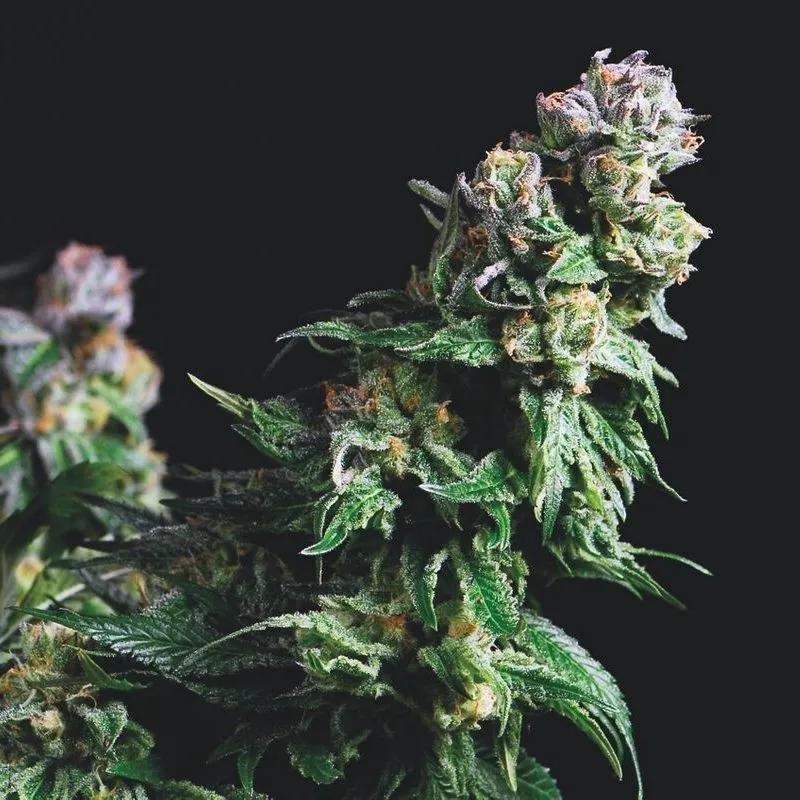
Pack: 5 seeds
Purple Urkle Cannabis Seeds by Pyramid Seeds
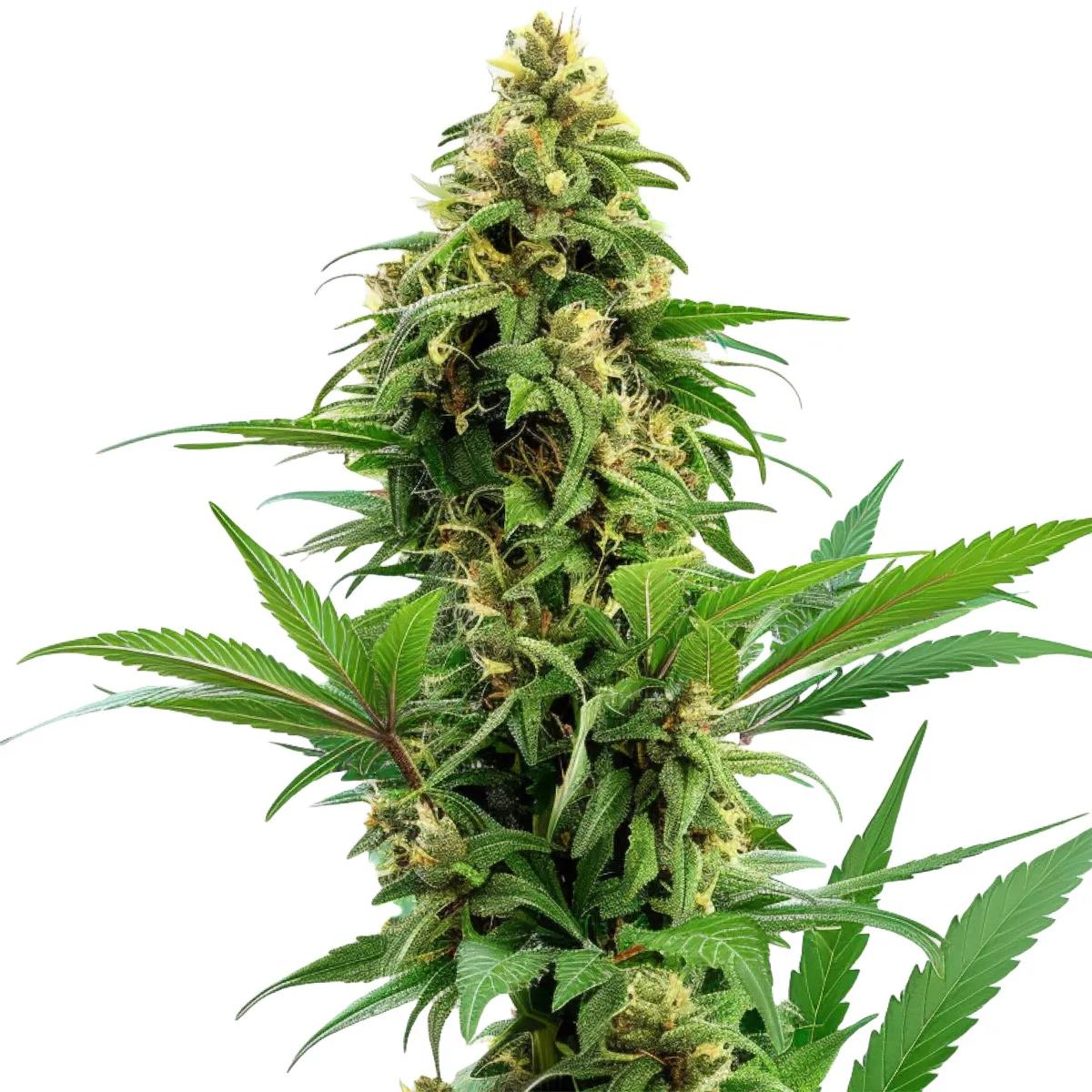
Purple Urkle is a feminised indica-dominant cannabis seed from Pyramid Seeds that produces plants with genuinely purple colas — not a filter trick, not a lighting gimmick, actual anthocyanin-rich flowers in shades you'd normally associate with blueberries or red cabbage. Descended from the legendary Mendocino Purps (a multiple High Times Cannabis Cup winner from California), she's been refined over several generations into an 80/20 indica-sativa hybrid that delivers heavy relaxation and a striking grow-room centrepiece.
Why Grow Purple Urkle Seeds
Most purple strains earn their reputation on looks alone. Purple Urkle actually backs it up. Pyramid Seeds took Mendocino Purps — a Californian cultivar that had already proven itself across multiple Cannabis Cup podiums — and selectively bred her over several generations to push the indica dominance to 80% and stabilise those deep purple pigments. The result is a plant that colours up reliably, not just when you drop night temperatures.
The anthocyanins responsible for the colour are the same compounds found in blueberries, blackberries, and red cabbage. They're pH-dependent pigments that shift from red to blue to purple depending on the cellular environment. In Purple Urkle, they express strongly across the calyxes and sugar leaves, giving dried buds a look that genuinely stops people mid-conversation. We've had customers bring photos back to the shop thinking something went wrong with their plants — nope, that's just what she does.
The honest limitation: she's not the fastest producer in the Pyramid Seeds lineup, and the indoor yield of 350–400g/m² is respectable but not record-breaking. If you're chasing maximum weight per watt, something like a Critical or Big Bud cross will outproduce her. But if you want a plant that makes your grow room look like a botanical exhibit while still delivering a proper indica harvest, Purple Urkle is hard to beat.
Purple Urkle Grow Specs and Yield Data
| Specification | Detail |
|---|---|
| Seed Bank | Pyramid Seeds |
| Genetics | Mendocino Purps descendant |
| Type | Feminised photoperiod |
| Indica / Sativa | 80% / 20% |
| Flowering Time | 55–60 days |
| Indoor Yield | 350–400g/m² |
| Outdoor Yield | 750–1000g/plant |
| Outdoor Harvest | September |
| Seeds per Pack | 5 |
| Key Trait | High anthocyanin expression — purple colas |
Indoor vs Outdoor Growing Purple Urkle
Purple Urkle handles both environments well, but the numbers tell different stories depending on where you plant her. Indoors, expect 350–400g/m² after a 55–60 day flowering period. That's a manageable cycle — roughly 8 weeks from flip to chop. She stays compact enough for a standard grow tent, and the indica structure means you won't be fighting with lanky branches reaching for the walls.
Outdoors is where she really flexes. Given full sun and decent soil, individual plants can push 750–1000g each. That's a serious harvest from a single seed. She'll be ready for the chop in September, which suits most European climates — you're pulling her down before the worst of the autumn rain sets in. Mediterranean and southern European growers will have the easiest time, but she handles the elements well enough for northern gardens too, provided September doesn't turn into a monsoon.
One thing we'd flag: those dense, resinous indica colas can trap moisture. If you're growing outdoors in a humid climate, keep an eye on airflow through the canopy during the last two weeks. A bit of selective defoliation goes a long way toward preventing bud rot in thick, purple clusters.
Purple Urkle Aroma and Terpene Profile
Crack open a cured jar of Purple Urkle and the first thing that hits you is grape — not artificial grape like a sweet, but the deep, slightly musky sweetness of actual Concord grapes. There's a berry undertone beneath that, mixed with something earthy and almost floral. According to a study on terpenoid chemotypes in California cannabis (Identification of Terpenoid Chemotypes Among High (−)-trans-Δ9-Tetrahydrocannabinol-Producing Cannabis Cultivars, PMC5436332), terpene profiles vary significantly even within single dispensary sources, but cultivars in the "purple" family consistently show distinct aromatic signatures tied to their anthocyanin-rich genetics.
The smoke (or vapour, if that's your preference) carries those grape and berry notes through to the exhale, with a slightly skunky finish that reminds you this is still proper cannabis, not a fruit smoothie. The aroma during flowering is noticeable — not the loudest strain we've come across, but your carbon filter should definitely be running.
How to Grow Purple Urkle Seeds
- Germinate your feminised seeds using the paper towel method or directly in a starter plug. Keep temperatures between 22–26°C and expect taproots within 24–72 hours.
- Transplant seedlings into their vegetative containers once the first set of true leaves appears. A light, well-aerated growing medium works well — she's not fussy about soil vs coco, but good drainage is non-negotiable for indica-dominant genetics.
- Veg for 3–5 weeks depending on your target canopy size. Purple Urkle stays relatively compact, so indoor growers can veg a bit longer without running out of headroom. Low-stress training (LST) opens up the canopy and helps light reach those lower bud sites.
- Flip to 12/12 when you're happy with the size. Flowering takes 55–60 days. You'll start seeing purple pigmentation develop around weeks 4–5, especially if night temperatures drop below 20°C — though she'll colour up even without a cold snap.
- Monitor humidity closely during late flower. Those dense indica colas hold moisture, so aim for 40–50% RH in the final two weeks. Defoliate selectively to improve airflow.
- Harvest when trichomes show mostly milky with some amber. Outdoor growers should target September. Dry slowly in a dark room at 18–20°C and 55–60% RH for 10–14 days, then cure in glass jars for at least two weeks.
Purple Urkle Compared to Similar Indica Seeds
| Feature | Purple Urkle (Pyramid Seeds) | Purple Kush | Critical Purple |
|---|---|---|---|
| Indica / Sativa | 80% / 20% | 100% Indica | ~75% / 25% |
| Flowering Time | 55–60 days | 56–63 days | 50–55 days |
| Indoor Yield | 350–400g/m² | 350–450g/m² | 450–550g/m² |
| Purple Colouration | Strong, reliable | Moderate to strong | Moderate |
| Outdoor Yield | 750–1000g/plant | 450–600g/plant | 500–700g/plant |
| Standout Trait | Mendocino Purps lineage, grape aroma | Pure indica sedation | Faster finish, higher indoor yield |
If yield is your only metric, Critical Purple wins indoors. If you want the deepest purple colouration and that specific Cali grape-and-berry profile, Purple Urkle is the one. We'd pick her over Purple Kush for outdoor growing too — that 750–1000g/plant potential is significantly higher.
Complete your setup with a proper grow tent and ventilation kit. Purple Urkle's dense colas benefit from good airflow, and her aroma during flowering means a carbon filter is a smart addition. Pair with CalMag supplements during flower — purple cultivars with high anthocyanin levels can be slightly hungrier for calcium and magnesium than their green counterparts.
What Makes Purple Urkle Unique Among Cannabis Seeds
Most "purple" strains on the market need cold night temperatures to trigger their colour change. Purple Urkle colours up regardless. The anthocyanin levels in her genetics are high enough that you'll see purple developing in the calyxes and sugar leaves even in a stable 24°C grow room. Dropping temperatures to 16–18°C at night will intensify the effect, but it's not a requirement — she's purple by nature, not just by stress response.
The Mendocino Purps heritage is the real story here. That cultivar dominated the West Coast cannabis scene and racked up multiple High Times Cannabis Cup victories before Pyramid Seeds got hold of it. They didn't just cross it and call it done — they refined Purple Urkle over several generations, pushing the indica dominance to 80% and stabilising the purple expression. The result is a cultivar that breeds true to type. You're not rolling the dice hoping for a purple phenotype; the whole pack expresses it.
From a sensory perspective, the dried buds have a weight and density that feels satisfying in the hand. Break one open and the grape-berry aroma intensifies immediately. The trichome coverage on the purple calyxes creates an almost frosted appearance — deep violet under a layer of crystal. It's genuinely one of the most photogenic strains you can grow.
Frequently Asked Questions
Is Purple Urkle hard to grow?
No. She's a straightforward indica-dominant plant that stays compact and finishes in 55–60 days. The main thing to watch is humidity during late flower — those dense colas can trap moisture. Keep RH below 50% in the final weeks and you'll be fine.
Will Purple Urkle actually turn purple?
Yes. Unlike many "purple" strains that need cold night temperatures, Purple Urkle has high enough anthocyanin levels to colour up reliably at normal grow-room temperatures. Cooler nights intensify the effect, but they're not required.
How many seeds come in a pack of Purple Urkle?
Each pack contains 5 feminised seeds from Pyramid Seeds. All seeds are photoperiod — they'll need a light cycle change to 12/12 to trigger flowering.
What is the lineage of Purple Urkle by Pyramid Seeds?
Pyramid Seeds developed Purple Urkle from Mendocino Purps, a famous Californian cultivar with multiple High Times Cannabis Cup wins. They refined the genetics over several generations to stabilise the purple colouration and push indica dominance to 80%.
How much does Purple Urkle yield outdoors?
Outdoor plants can produce 750–1000g per plant when given full sun and decent growing conditions. Harvest falls in September. That's a significantly higher output than most indica-dominant cultivars manage outdoors.
What does Purple Urkle smell like?
Grape is the dominant note — deep, musky Concord grape rather than artificial sweetness. Beneath that there's a berry undertone with earthy, slightly floral edges. The aroma is noticeable during flowering, so run your carbon filter.
Is Purple Urkle related to the TV character Steve Urkel?
The name is widely believed to be a playful nod to the character from Family Matters, but there's no official connection. The strain's identity comes entirely from its Mendocino Purps genetics and distinctive purple appearance.
Can I grow Purple Urkle in a small tent?
Yes. Her indica-dominant structure keeps her compact. An 80x80cm tent handles 2–4 plants comfortably. Use LST to open up the canopy and you'll maximise light penetration to those lower purple bud sites.
Last updated: April 2026
Related products
You might also like
Medical disclaimer. This content is for informational purposes only and does not constitute medical advice. Consult a qualified healthcare provider before use of any substance.