
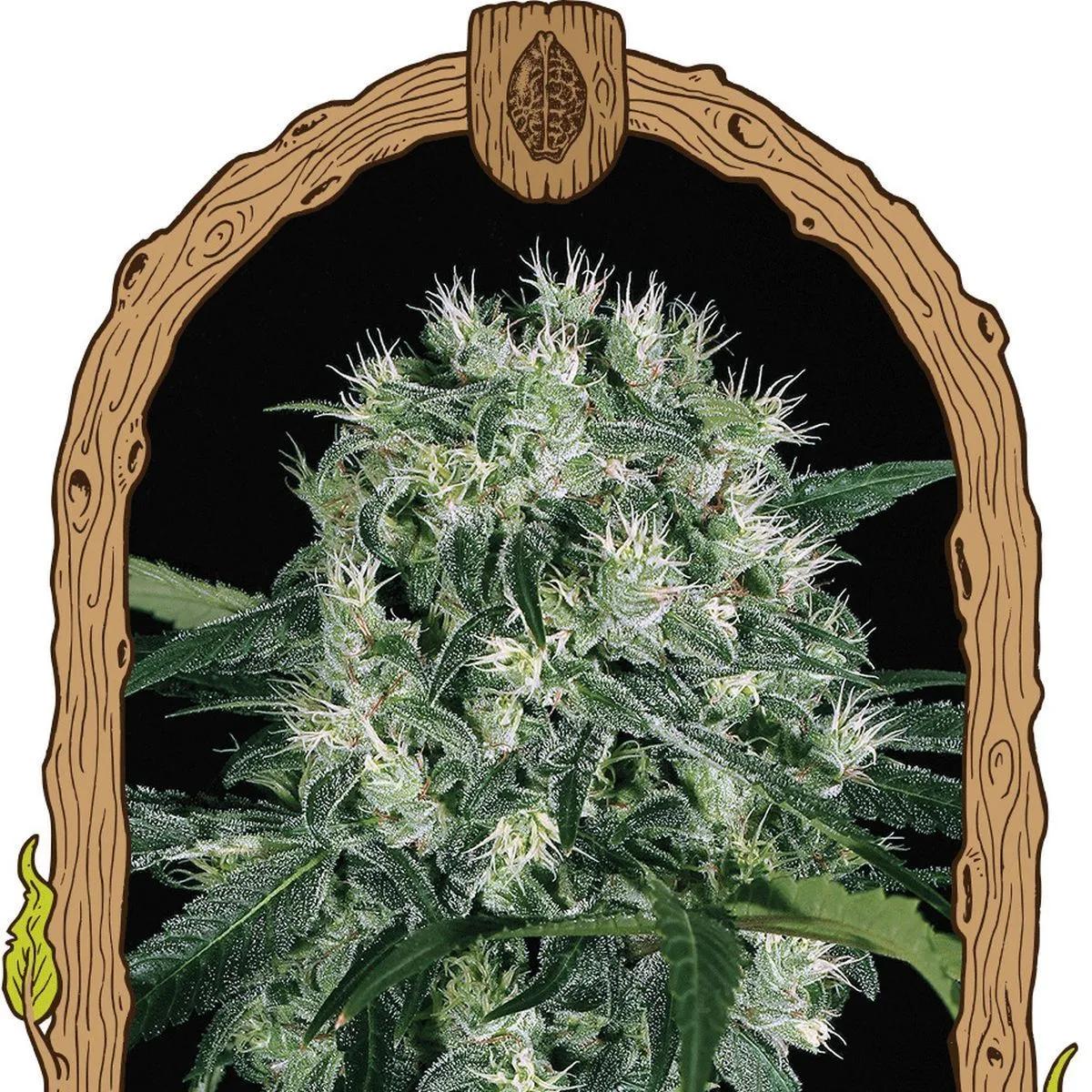
Pink Hokkaido (Exotic Seed)
Cannabis seeds
by Exotic Seeds
Pink Hokkaido Cannabis Seeds by Exotic Seed
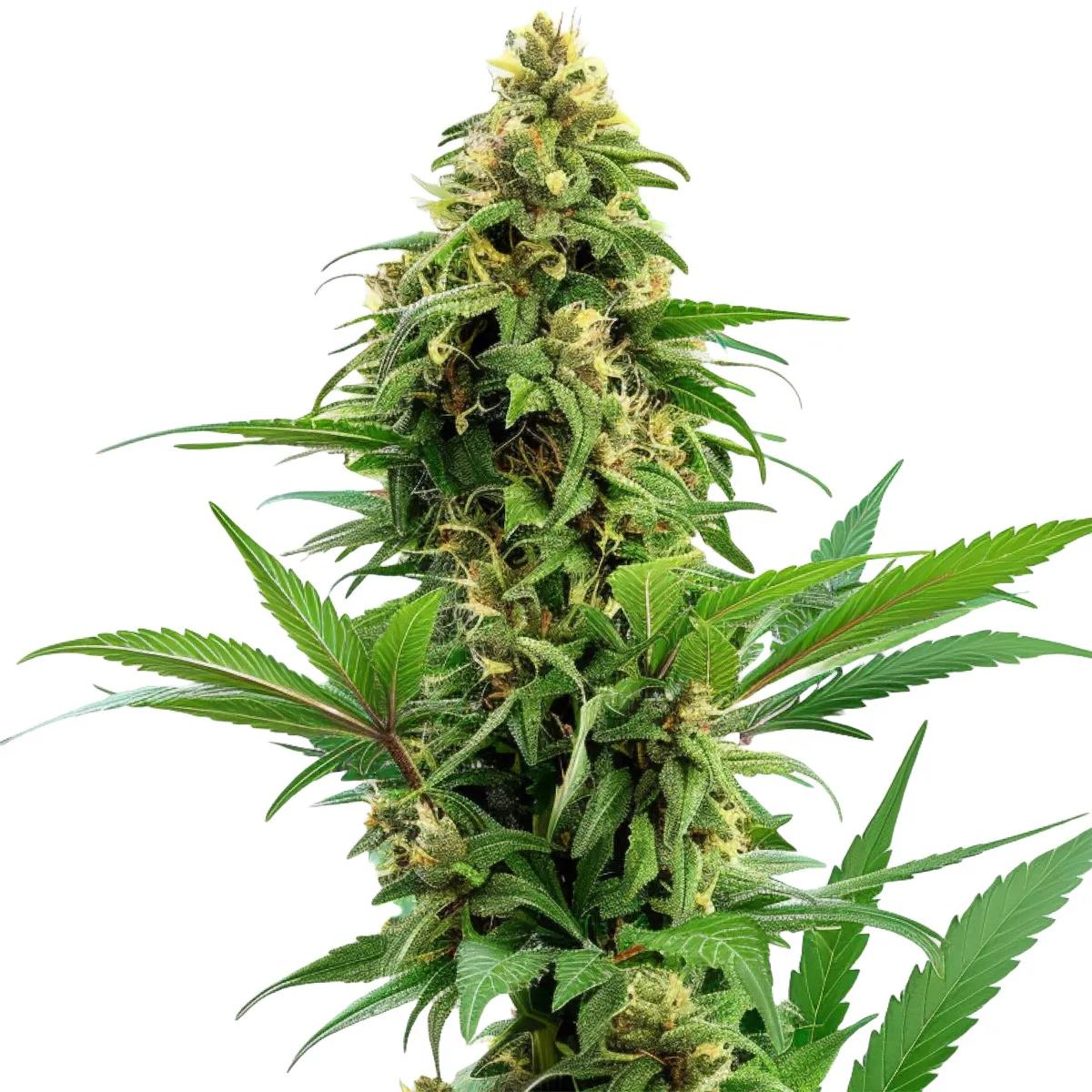
Pink Hokkaido is a balanced hybrid cannabis seed (50% sativa / 50% indica) that delivers gassy, citrus-drenched terps on a frame compact enough for small indoor spaces. Bred by Exotic Seed from a four-way cross of Animal Mints BX1, Seedjunky OG #32, Nicole, and Larry S1, this feminised variety packs serious West Coast genetics into a medium-sized plant that won't outgrow your tent.
Why Pink Hokkaido Seeds Deserve a Spot in Your Grow Room
We've seen plenty of "balanced hybrids" that lean heavily one way or the other once you actually grow them out. Pink Hokkaido is one of the more honest 50/50 splits we've come across — the sativa side keeps the internodal spacing manageable, while the indica genetics bulk up those colas into dense, resinous clubs. The parent line reads like a who's who of modern American genetics: Animal Mints BX1 brings that gassy, cookie-dough funk, Seedjunky OG #32 adds fuel and structure, Nicole contributes frost and vigour, and Larry S1 rounds it out with classic OG backbone.
What does that mean in practice? You get a plant that stays medium-height — easy to top, easy to train — yet still pushes out yields that make you feel like you're growing something twice the size. Under decent lights, Exotic Seed rates her at up to 500g/m² indoors. Outdoors, she finishes in early October, which is handy if you're growing in northern Europe and racing the autumn rain.
The one thing to watch: those dense colas can hold moisture late in flower. If you're growing outdoors or in a tent without solid airflow, keep an eye on humidity during the final two weeks. A small oscillating fan pointed at the canopy goes a long way.
Pink Hokkaido Terpene Profile and Flavour
Crack open a cured bud and the first thing that hits you is fuel. Proper gassy, back-of-the-throat fuel, like someone spilled premium petrol in a citrus grove. That sourness lingers on the exhale, joined by a sweeter, almost candied orange note that rounds out the sharper edges. If you've grown anything from the Animal Mints or OG lineage before, you'll recognise that dank, savoury undertone — but the citrus twist from the Nicole and Larry S1 side keeps it from being one-dimensional.
Compared to something like Do-Si-Dos or Wedding Cake — which lean more into that sweet, biscuity territory — Pink Hokkaido sits in a tangier, more pungent lane. If you prefer your terps loud and sour over sweet and dessert-like, this is the one to grow. The resin production backs it up too: trichome coverage on the upper canopy is thick enough that trimming becomes a sticky-scissors affair.
Pink Hokkaido Growing Specifications
| Specification | Detail |
|---|---|
| Seed Bank | Exotic Seed |
| Seed Type | Feminised |
| Genetics | Animal Mints BX1 x Seedjunky OG #32 x Nicole x Larry S1 |
| Genetic Ratio | 50% Sativa / 50% Indica |
| Seeds Per Pack | 3 |
| Indoor Yield | Up to 500g/m² |
| Outdoor Harvest | Early October |
| Plant Height | Medium |
| Recommended Training | Topping, LST, SOG/SCROG |
| Dominant Flavours | Gassy, Sour, Citrus |
Pink Hokkaido Effects: What to Expect
The initial onset is cerebral and alert — the kind of clear-headed lift that pairs well with daytime tasks, creative work, or just a long walk where you actually notice things. That sativa-forward start doesn't race or jitter; it's more of a focused sharpness. Give it 30–45 minutes and the indica side starts to make itself known: a gradual, mellow body relaxation that settles in without flooring you.
That two-phase effect is what makes Pink Hokkaido genuinely versatile. An afternoon session keeps you functional. An evening session — especially if you let the body relaxation build — transitions smoothly into a state where the sofa feels like it was designed specifically for your spine. We'd compare it to something like MAC or Gelato in terms of that "starts up, ends down" arc, though the gassy terp profile gives Pink Hokkaido a distinctly different character on the palate.
How to Grow Pink Hokkaido Seeds
- Germinate your Pink Hokkaido seeds using the paper towel method: place seeds between two damp (not soaking) paper towels on a plate, cover with a second plate, and keep in a dark spot at 22–25°C. Taproots typically emerge within 24–72 hours.
- Transplant the sprouted seed taproot-down into a small pot (0.5–1L) filled with a light, airy seedling mix. Keep the soil moist but not waterlogged — overwatering at this stage is the number one killer of seedlings.
- Once the plant has 3–4 nodes, top her above the third or fourth node. Pink Hokkaido responds well to topping, and this is where you start shaping a bushier canopy for better light distribution.
- Transplant into her final container — 11–15L for indoor grows, 25L+ or directly into the ground for outdoor. If growing indoors in a small space, consider a SCROG net to spread the canopy and maximise that 500g/m² potential.
- Switch to a 12/12 light cycle when the plant has filled roughly 60–70% of your canopy space. She'll stretch moderately during the first two weeks of flower.
- During weeks 5–8 of flower, monitor humidity closely. Those dense Pink Hokkaido colas are beautiful but they're also moisture traps. Keep relative humidity below 50% in late flower — ideally 40–45%.
- Harvest when trichomes show a mix of milky white and 10–15% amber under a jeweller's loupe. For a more cerebral effect, harvest earlier (mostly milky). For a heavier body stone, let more trichomes turn amber.
- Dry in a dark room at 18–20°C and 55–60% humidity for 10–14 days, then cure in glass jars for at least two weeks. The gassy terps on Pink Hokkaido really develop during a proper cure — don't rush this part.
Running Pink Hokkaido in a small tent? Pair her with a complete grow kit that includes lighting, ventilation, and a carbon filter — those gassy terps will announce themselves to anyone within a 10-metre radius without proper extraction. If you're growing in soil, a quality organic nutrient kit will keep her fed from veg through harvest without overcomplicating your feeding schedule.
Pink Hokkaido vs Similar Strains
| Trait | Pink Hokkaido (Exotic Seed) | Do-Si-Dos | Gelato |
|---|---|---|---|
| Genetics | Animal Mints BX1 x Seedjunky OG #32 x Nicole x Larry S1 | Girl Scout Cookies x Face Off OG | Sunset Sherbet x Thin Mint GSC |
| Sativa/Indica | 50/50 | 30/70 (Indica-dominant) | 45/55 (Slight Indica lean) |
| Dominant Terps | Gassy, sour, citrus | Sweet, earthy, floral | Sweet, creamy, fruity |
| Indoor Yield | Up to 500g/m² | 400–500g/m² | 400–500g/m² |
| Effect Arc | Cerebral onset, mellow body finish | Heavy body, sedating | Uplifting start, relaxing finish |
| Best For | All-day versatility | Evening sessions | Afternoon to evening |
If you want something that leans harder into dessert terps and couch-lock, Do-Si-Dos is the call. Gelato sits closer to Pink Hokkaido in terms of effect arc but trades the gassy punch for a creamier, sweeter profile. Pink Hokkaido is the best pick for growers who want that sour, fuel-forward flavour with genuine daytime usability — it's the most balanced of the three.
Related products



You might also like

Medical disclaimer. This content is for informational purposes only and does not constitute medical advice. Consult a qualified healthcare provider before use of any substance.