
Nimruz
Cannabis seeds
by Afghan Seed Connection
Nimruz Cannabis Seeds — Afghan Seed Connection
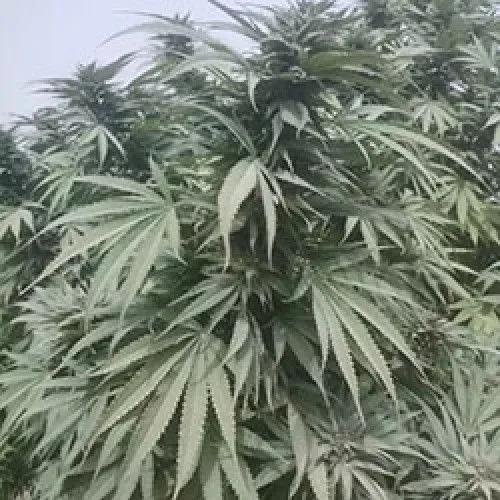
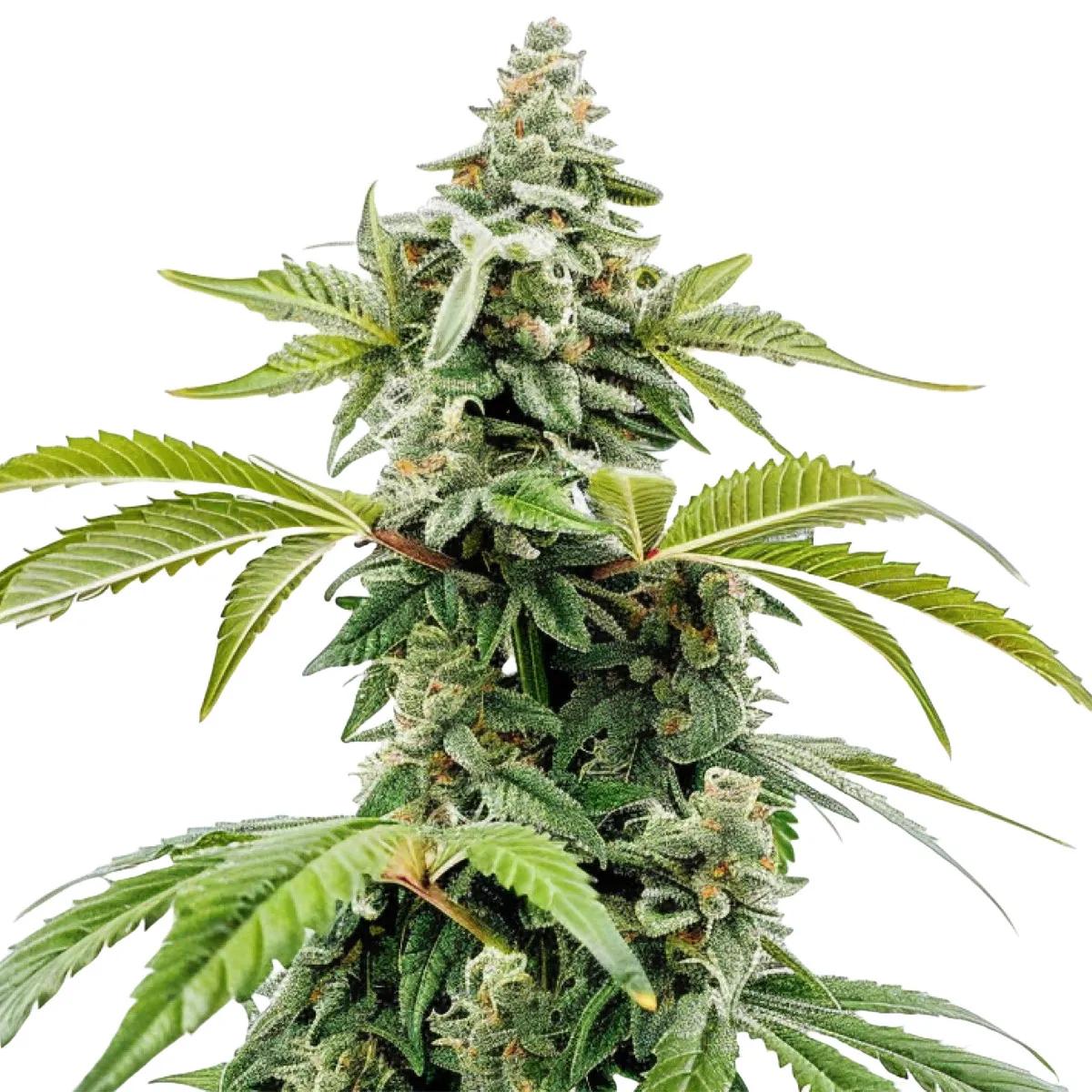
Nimruz is a regular landrace indica cannabis seed from Afghan Seed Connection, sourced directly from Afghanistan's Nimruz province — one of the driest, hottest corners of the Sistan Basin. These aren't modern hybrids bred in a lab. They're the product of thousands of years of natural adaptation to desert extremes, and that shows in every trait: vigorous growth, thick resin production, and a terpene profile you simply won't find in anything from a Dutch seed catalogue. If you want to grow something with genuine genetic history, this is where you start.
This guide is written for adults aged 18 and over. All growing information and seed characteristics described below apply to adult cultivators.
Why Grow Nimruz Landrace Indica Seeds
Nimruz seeds give you access to genuine Afghan landrace genetics — the kind of cannabis that existed long before anyone started crossing Cookies with Gelato. The Nimruz province sits in Afghanistan's southwest, bordering Iran and Pakistan, and the cannabis that evolved there did so under relentless sun, minimal rainfall, and surprisingly fertile soil. The result is a plant that's built to survive — and to coat itself in resin as a defence mechanism against UV radiation and dry air.
What does that mean for you as a grower? Vigour. These plants push through stress that would stunt most commercial genetics. Hot summers, inconsistent watering, less-than-perfect soil — Nimruz handles it. The females produce dense indica flowers loaded with resin and packed with THC, while the males throw strong, viable pollen that makes them excellent breeding stock if you're working on your own crosses. We'd pick Nimruz over most modern indica seeds if resilience and resin are what you're after.
The honest limitation: these are regular seeds, not feminised. Roughly half your plants will be male, so you'll need to sex them and remove males unless you're breeding. And at 150–250 cm, Nimruz isn't the best choice for a small 60x60 tent — she wants room to stretch. If you've only got a compact space, you'll need to train her aggressively or look at something shorter.
Nimruz Seed Specifications
| Spec | Value |
|---|---|
| Seed Bank | Afghan Seed Connection |
| Seed Type | Regular (male and female) |
| Genetics | Landrace Indica — Nimruz Province, Afghanistan |
| Seeds per Pack | 10 |
| SKU | CSAF0007 |
| Height | 150–250 cm |
| Indoor Yield | Up to 500 g/m² |
| Outdoor Yield | Up to 500 g/plant |
| Outdoor Sowing | By April |
| Harvest Period | Late October – Early November |
| Climate Preference | Hot, dry — desert-adapted |
Growing Nimruz Cannabis Seeds — What to Expect
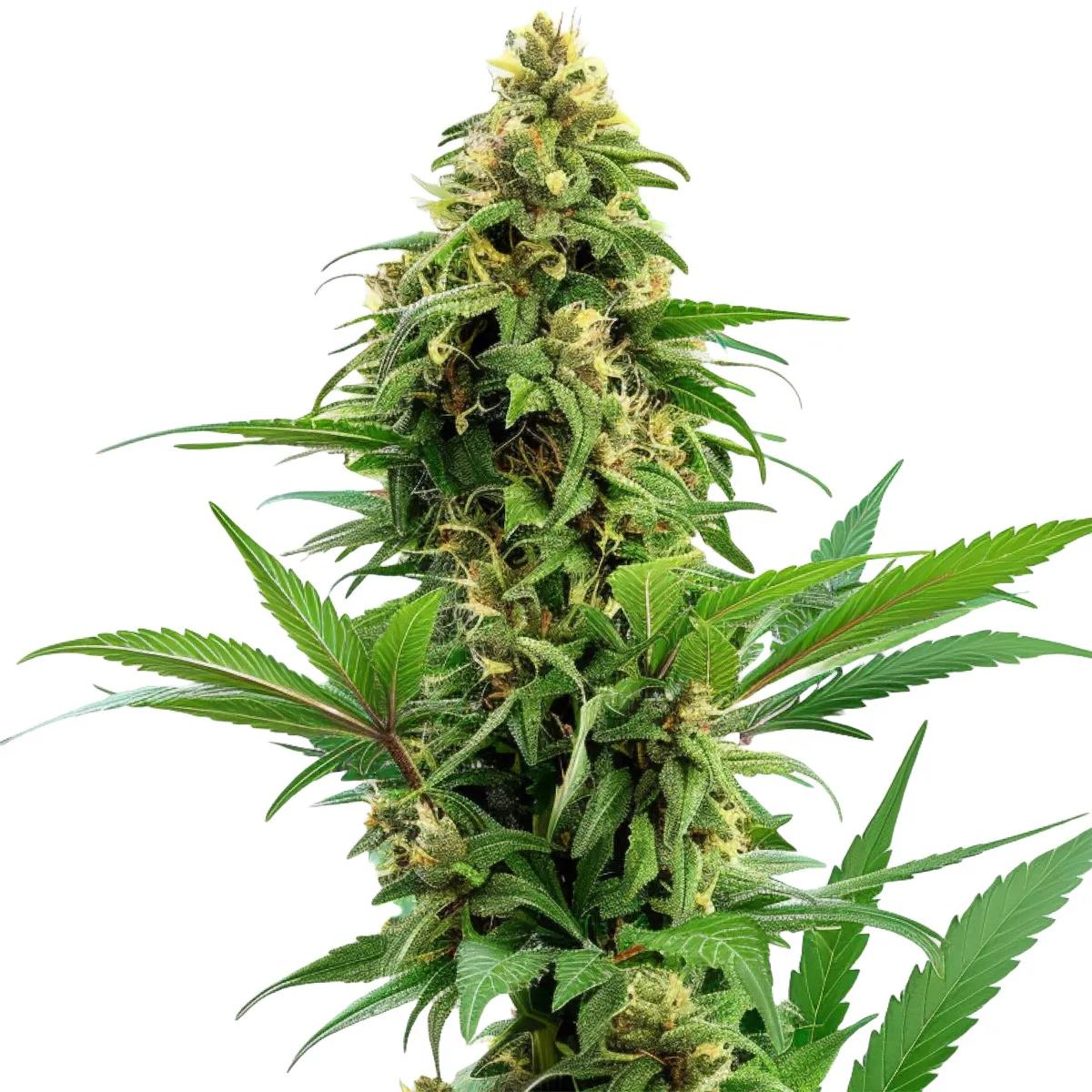
Nimruz produces vigorous plants from the moment they break soil. Both males and females grow with visible energy — thick stems, broad indica leaves, and a moderate stretch during the transition to flower. Outdoors, sow your Nimruz seeds by April to give them the full vegetative season they need. The plants will be harvest-ready by late October to early November, depending on your latitude and conditions.
- Germinate your Nimruz seeds using the paper towel method or directly in a small pot of moist, airy soil. Taproots typically emerge within 48–72 hours.
- Transplant seedlings into their final containers or outdoor positions once they've developed 2–3 sets of true leaves. Use well-draining soil — these plants evolved in desert conditions and don't like wet feet.
- During vegetative growth, watch for pre-flowers around week 4–6. Males will show small pollen sacs at the nodes; remove them promptly unless you're breeding.
- If growing indoors, flip to 12/12 once plants reach roughly half your target height — Nimruz stretches moderately during flower, so factor in 50–80% height gain.
- For indoor growers with limited headroom, top or LST (low-stress training) early in veg to keep the canopy even and heights manageable below the 250 cm ceiling.
- Harvest when trichomes shift from clear to milky with around 10–20% amber — this window typically falls late October outdoors. Dry slowly in a dark, ventilated space at 18–20°C for 10–14 days.
One thing we've noticed with landrace seeds generally: phenotypic variation. You're not working with an F1 hybrid that's been stabilised over dozens of generations. Expect some variation between plants — slightly different structures, flowering times, and resin profiles. That's not a flaw; it's the nature of landrace genetics, and it's part of what makes growing them interesting. The best phenotypes from a pack of 10 Nimruz seeds can be genuinely special.
Nimruz vs Modern Indica Hybrids
How does Nimruz stack up against the indica-dominant hybrids most growers are used to? Here's a straight comparison.
| Trait | Nimruz (Landrace) | Typical Modern Indica Hybrid |
|---|---|---|
| Genetics | Pure landrace — thousands of years of natural selection | Polyhybrid — bred for specific traits over 5–15 generations |
| Seed Type | Regular (male + female) | Usually feminised |
| Heat/Drought Tolerance | Exceptional — desert-adapted | Moderate — varies by strain |
| Phenotypic Variation | Higher — expect some plant-to-plant differences | Low — stabilised for uniformity |
| Terpene Profile | Unique, earthy, hashish-like | Often familiar — Cookies/Kush-leaning |
| Breeding Value | Excellent — strong males, diverse gene pool | Limited — feminised seeds produce no males |
| Flowering Time | Late October – early November | Often 8–10 weeks (earlier harvest) |
| Yield | Up to 500 g/m² / 500 g/plant | Comparable, sometimes higher |
The trade-off is clear: modern hybrids give you convenience and uniformity; Nimruz gives you genetic authenticity, resilience, and a terpene profile that stands completely apart. If you've grown nothing but polyhybrids, a pack of Nimruz seeds is the best way to experience what cannabis was like before the breeding boom.
Complete your grow setup with a proper tent and ventilation kit. Pair Nimruz seeds with an 80x80 or larger grow tent and a carbon filter — these plants can get tall and resinous, so good airflow and odour control are non-negotiable. If you're planning to breed with the males, grab some small paper bags and a fine brush for controlled pollination.
Frequently Asked Questions
Are Nimruz seeds feminised or regular?
Regular. Each pack of 10 Nimruz seeds will produce a mix of male and female plants. You'll need to identify and remove males during early flowering unless you're intentionally breeding.
Can I grow Nimruz cannabis seeds indoors in a small tent?
You can, but it takes work. Nimruz plants reach 150–250 cm, so in a small tent you'll need to top early and use LST to keep the canopy compact. An 80x80 or larger tent with at least 160 cm of usable height is the minimum we'd recommend.
What climate suits Nimruz best?
Hot and dry. These plants evolved in the Sistan Basin — one of the driest regions on earth. They handle heat and drought far better than most commercial strains. That said, they're vigorous enough to grow well in temperate European climates too, as long as they get enough sun.
When should I harvest Nimruz outdoors?
Late October to early November in the Northern Hemisphere. Sow by April to give the plants a full growing season. Watch trichome colour with a loupe — harvest when most are milky with some amber.
What makes landrace cannabis seeds different from hybrid seeds?
Landrace seeds like Nimruz haven't been crossbred or stabilised in a lab. They carry the original genetics shaped by natural selection over thousands of years. You get more phenotypic variation, unique terpene profiles, and traits — like extreme heat tolerance — that modern hybrids have often lost.
Are Nimruz males useful for breeding?
Very. Afghan Seed Connection specifically notes that Nimruz males produce strong pollen and make excellent breeding stock. If you're looking to introduce landrace vigour and resin production into your own crosses, these males are a solid starting point.
How much yield can I expect from Nimruz?
Up to 500 g/m² indoors and up to 500 g/plant outdoors, depending on your setup and growing conditions. These are realistic figures for well-maintained plants with adequate light and nutrition.
Last updated: April 2026
Related products


You might also like

Medical disclaimer. This content is for informational purposes only and does not constitute medical advice. Consult a qualified healthcare provider before use of any substance.