
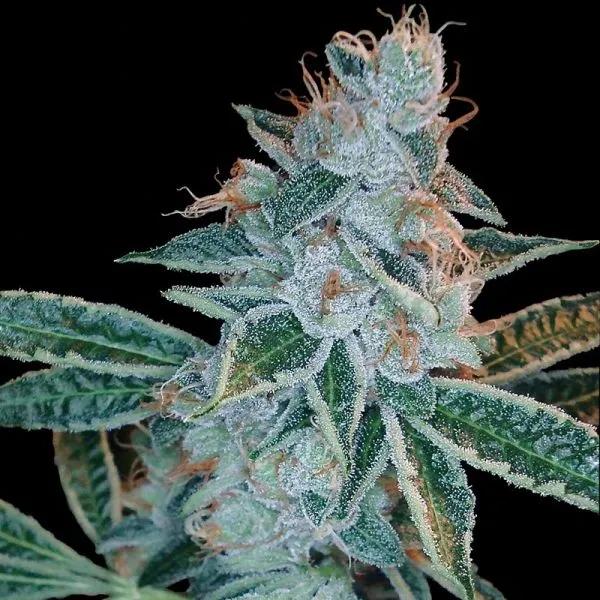
Lemon OG Kush
Cannabis seeds
by DNA Genetics
We'll only email you about this product — no marketing.
Lemon OG Kush Cannabis Seeds by DNA Genetics
Lemon OG Kush seeds are a feminised cannabis seed strain from DNA Genetics that crosses The OG No.18 with Las Vegas Lemon Skunk — two legendary US cuttings bred for potency and flavour. You can buy Lemon OG Kush seeds in 6 or 10 seed packs, and the result is the most citrus-forward OG hybrid you can grow: 60% indica, 40% sativa, with a sour lemon profile that cuts through everything else on the shelf. If you've grown other OG Kush crosses and found the lemon notes underwhelming, this is the one that actually delivers.
Pack Sizes
Lemon OG Kush seeds come in two pack sizes: 6 seeds and 10 seeds. The 6-pack is enough for a single grow tent run with a plant or two spare. Order the 10-pack if you're running a full canopy or want to select the best phenotype from a larger pool — with genetics this good, slight pheno variation means you might find one plant that's even more lemon-heavy than the rest.
Genetics and Lineage of Lemon OG Kush Seeds
Lemon OG Kush is a 60/40 indica-sativa hybrid created by crossing The OG No.18 with Las Vegas Lemon Skunk, two elite clone-only cuts selected by DNA Genetics. The OG No.18 is a California-origin OG Kush selection — widely considered one of the strongest-performing phenotypes among the dozens of OG Kush varieties circulating in the US. It carries the sour, fuel-heavy flavour profile that traces back to the original Chemdawg lineage. Las Vegas Lemon Skunk, the other parent, brings an intense citrus punch and vigorous growth structure.
The cross leans indica-dominant at roughly 60/40, but that 40% sativa influence is noticeable. You get the compact, manageable plant structure of a Kush with enough sativa stretch to produce decent internodal spacing and improved light penetration through the canopy. According to research into cannabis phytochemical diversity, even strains sharing a name can vary substantially in their chemical profiles — the specific parent cuts DNA Genetics selected here are what set this Lemon OG apart from the generic "lemon kush" seeds you'll find elsewhere. A 2022 study in Phytochemistry documented significant chemotypic variation among commercially labelled cannabis cultivars, reinforcing why breeder selection matters (Mudge et al., 2022, Phytochemistry).
| Specification | Detail |
|---|---|
| Seed Bank | DNA Genetics |
| Genetics | The OG No.18 x Las Vegas Lemon Skunk |
| Type | Feminised (photoperiod) |
| Indica / Sativa | 60% / 40% |
| Flowering Period | 8-9 weeks |
| Indoor Yield | 450-550g/m² |
| Plant Height | Compact / short |
| Calyx-to-Leaf Ratio | Exceptionally high |
| Available Packs | 6 seeds / 10 seeds |
| Parent Strain | Origin | Key Contribution |
|---|---|---|
| The OG No.18 | California (OG Kush phenotype) | Sour fuel flavour, potency, dense bud structure |
| Las Vegas Lemon Skunk | Las Vegas (Skunk selection) | Intense citrus aroma, vigorous growth, limonene-rich terpene profile |
Growing Lemon OG Kush: What to Expect
Lemon OG Kush stays compact and short, finishing in 8-9 weeks of flower with indoor yields of 450-550g/m² under optimised conditions. That's good news if you're working with a tent rather than a warehouse. The plant doesn't demand anything exotic in terms of nutrients or environment. Where it really shines is the calyx-to-leaf ratio. DNA Genetics specifically highlights this as "exceptionally high," which in practice means two things: trimming day is less of a marathon, and the buds themselves look dense and frosty rather than buried in sugar leaves.
The yield range depends on your setup: growers running SOG or SCROG in a well-lit 1.2m x 1.2m tent with adequate ventilation will hit the upper end. A single plant under a smaller light in a 60x60 tent will land closer to the lower figure. The compact growth habit makes this strain a natural fit for low-stress training (LST) — bend the main stem early in veg and you'll expose more bud sites to direct light without fighting against excessive vertical stretch.
One honest note: compact plants with dense buds can be susceptible to humidity issues late in flower. Keep your relative humidity below 50% during the final two weeks and make sure airflow moves through the canopy, not just above it. We've seen growers lose quality buds to botrytis simply because they packed too many plants into a small space without enough air movement. A clip-on oscillating fan pointed at canopy level costs almost nothing and saves headaches. According to the EMCDDA's monitoring of cannabis potency trends across Europe, higher-resin cultivars like OG Kush descendants tend to produce denser flower structures that are particularly prone to moisture retention — another reason airflow is non-negotiable with this strain (EMCDDA, European Drug Report, 2023).
Flavour and Aroma Profile of Lemon OG Kush
Lemon OG Kush delivers a sour, fuel-laden OG Kush base layered with pronounced fresh lemon — the most citrus-forward flavour of any OG cross in our catalogue. It's not a subtle citrus hint.
The terpene profile likely involves significant limonene (responsible for that citrus punch) alongside the caryophyllene and myrcene common in OG Kush varieties. According to research published in PMC, beta-caryophyllene is the most available sesquiterpenoid in cannabis plants and extracts, contributing peppery, spicy undertones that complement the brighter lemon notes (Sommano et al., 2020, Molecules). The combination of sour fuel and sharp citrus creates something genuinely distinctive — you'll smell it the moment you open the jar.
Effects are reported as very strong, leaning towards deep physical relaxation with enough sativa influence to keep things mentally engaging rather than purely sedative. According to Russo's 2011 review of phytocannabinoid-terpenoid interactions, terpene profiles may modulate the subjective experience of cannabis through entourage effects, though individual responses vary significantly depending on tolerance and the specific phytochemical profile of each plant (Russo, 2011, British Journal of Pharmacology).
Why Lemon OG Kush Over Other OG Crosses
Lemon OG Kush is the strongest citrus-flavoured OG Kush hybrid available from DNA Genetics, distinguished from other OG crosses by its Las Vegas Lemon Skunk parentage. We carry a fair number of OG Kush varieties, and the honest truth is that many of them overlap in flavour and effect. This is the one we'd point you towards if citrus is what you're after. Other OG crosses tend to lean heavier on the fuel and earth — pleasant, but not distinctive. The Las Vegas Lemon Skunk parent gives this strain a flavour identity that's immediately recognisable, even in a room full of other Kush varieties.
Compared to something like a standard OG Kush seed, Lemon OG Kush trades a fraction of that pure indica heaviness for a more balanced 60/40 split. You still get the compact structure and dense buds, but the sativa influence adds a bit of mental clarity to the effect and a touch more vertical growth that actually improves light distribution across the canopy. If you want the heaviest possible indica knockout, a pure OG No.18 cut would hit harder — but you'd miss the lemon entirely. For growers interested in other citrus-leaning genetics, Tangie seeds from DNA Genetics push even further into orange territory, while Kosher Kush seeds offer a more classic earthy OG experience for comparison.
The calyx-to-leaf ratio is another practical advantage. Dense, leafy buds look impressive on the plant but turn trimming into an all-day affair. Lemon OG Kush's high ratio means the buds present well with minimal manicuring — grade A bag appeal straight off the branch, according to DNA Genetics. One limitation worth mentioning: if you're growing outdoors in a cool, humid climate like the Netherlands or the UK, this strain's dense bud structure makes it riskier than airier sativa-dominant varieties. It's really built for controlled indoor environments or dry Mediterranean climates.
How to Order and Grow Lemon OG Kush Seeds
- Get your seeds — buy Lemon OG Kush in either the 6-seed or 10-seed pack. Both contain identical feminised genetics from DNA Genetics.
- Germinate your seeds using the paper towel method or directly in a propagation plug. Feminised seeds from DNA Genetics have strong germination rates, but keep temperatures between 22-25°C and maintain moisture without waterlogging.
- Transplant seedlings into their final containers once the taproot is established — 11-15 litre pots work well for indoor grows. Use a well-draining medium; coco-perlite mixes or light soil blends both suit this strain.
- Vegetate for 3-4 weeks under 18/6 lighting. The compact growth habit means you don't need a long veg period to fill your canopy. Apply LST early by gently bending the main stem to encourage lateral branching.
- Flip to 12/12 lighting to trigger flowering. Expect 8-9 weeks from this point. The stretch during the first two weeks of flower is moderate — plan for roughly 50% height increase from the flip.
- Monitor humidity carefully from week 6 onwards. Keep RH below 50%, ideally around 40-45% in the final fortnight. Dense indica buds and stagnant air are a recipe for mould.
- Harvest when trichomes show mostly milky with some amber. The high calyx-to-leaf ratio makes visual inspection easier than with leafier strains. Dry slowly in a dark room at 18-20°C and 55-60% RH for 10-14 days, then cure in glass jars.
Complete your grow setup: If you're running Lemon OG Kush indoors, pair these seeds with a proper grow tent and carbon filter — the lemon-fuel aroma is strong enough that your neighbours will notice without filtration. A clip-on circulation fan is also worth adding to prevent humidity buildup around those dense buds. Browse our grow equipment section for tents, lights, and ventilation kits that match common indoor setups. For nutrients, check out our plant food and boosters category — a PK booster during weeks 4-6 of flower can push resin production on strains like this.
Frequently Asked Questions
What does Lemon OG Kush taste like?
Strong fresh lemon over a sour, fuel-heavy OG Kush base. The Chemdawg heritage from The OG No.18 provides the fuel, while Las Vegas Lemon Skunk delivers the citrus. It's the most lemon-forward OG cross we carry.
Is Lemon OG Kush suitable for beginner growers?
Yes — the compact growth habit, standard 8-9 week flowering period, and high calyx-to-leaf ratio make it forgiving to grow. Just watch humidity in late flower, as the dense buds can trap moisture. Keep airflow moving and you'll be fine.
What yield can I expect from Lemon OG Kush indoors?
DNA Genetics lists 450-550g/m² depending on conditions and technique. SOG and SCROG setups under strong lighting push towards the upper range. A single plant in a small tent will yield less but still produce dense, resinous buds.
How tall does Lemon OG Kush grow?
It stays compact and short, typical of its 60% indica genetics. Expect moderate stretch during the first two weeks of flower — roughly 50% height increase from the flip. Easy to manage in tents as small as 80x80cm.
What is the difference between the 6-seed and 10-seed pack?
Same genetics, different quantities. The 6-pack covers a standard grow run. The 10-pack gives you room to pheno-hunt — grow more plants, select the standout performer, and keep the best for future reference.
How does Lemon OG Kush compare to regular OG Kush?
Standard OG Kush leans heavier on fuel and earth flavours with a stronger indica profile. Lemon OG Kush adds a pronounced citrus layer from the Las Vegas Lemon Skunk parent and has a slightly more balanced 60/40 indica-sativa split, giving a bit more mental engagement alongside the physical relaxation.
Does Lemon OG Kush smell strongly during flowering?
Very much so. The lemon-fuel terpene combination is pungent from mid-flower onwards. A carbon filter is not optional if you need any level of discretion. Without one, the scent will carry through walls and ventilation systems.
Last updated: April 2026
Related products

You might also like

Medical disclaimer. This content is for informational purposes only and does not constitute medical advice. Consult a qualified healthcare provider before use of any substance.