

Lemon Haze
Cannabis seeds
by Amsterdam Genetics
Lemon Haze Cannabis Seeds by Amsterdam Genetics
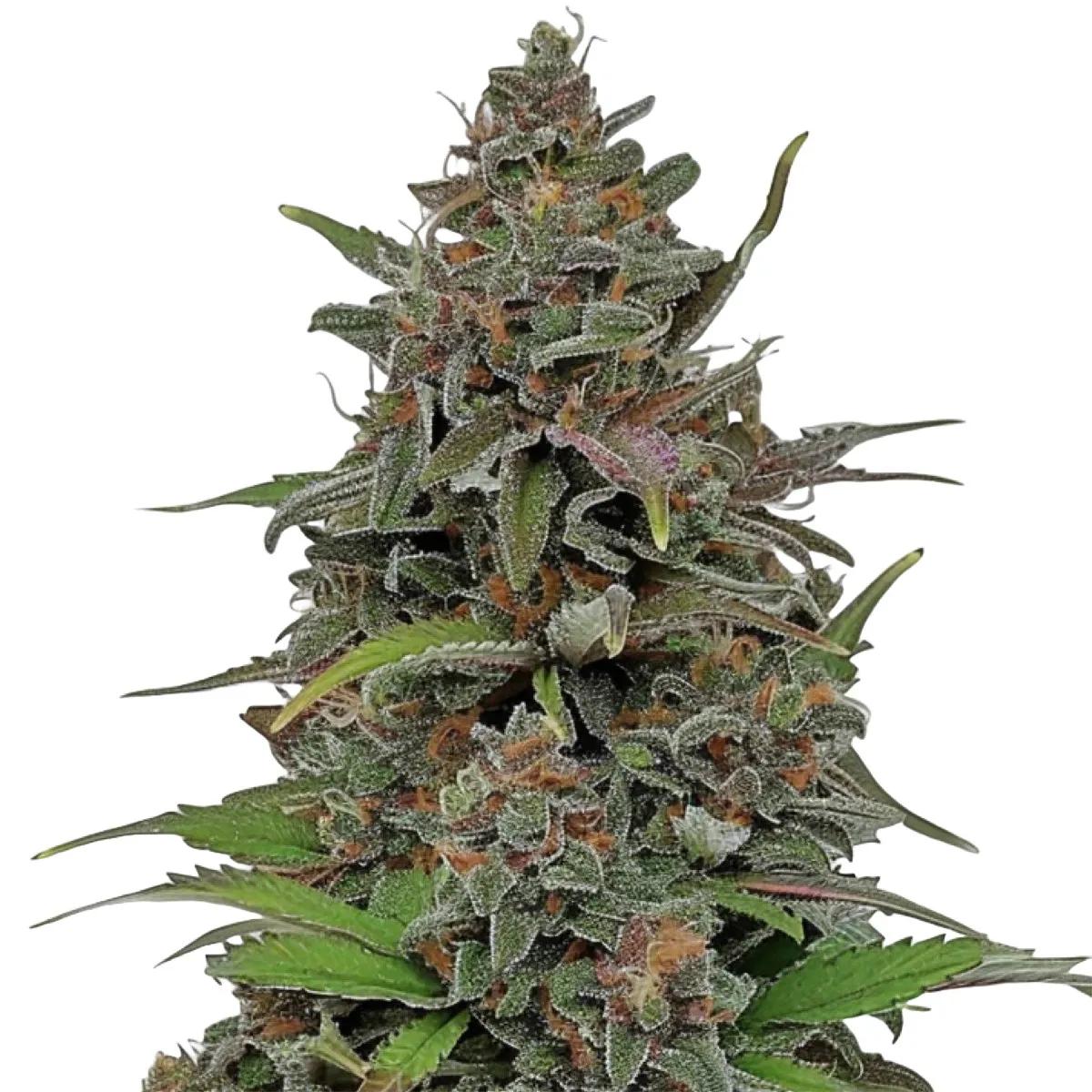
Lemon Haze is a slightly sativa-dominant hybrid that crosses Skunk and Haze genetics into a balanced, citrus-drenched cultivar bearing 19% THC. Bred by Amsterdam Genetics, these feminized seeds produce plants that stretch confidently during bloom yet reward patient growers with up to 500g/m² indoors. If you want a strain that smells like someone zested a lemon over a skunk den — in the best possible way — this is the one.
Why Grow Lemon Haze Seeds?
Lemon Haze sits in that sweet spot where Skunk vigour meets Haze complexity. The Skunk parentage gives her sturdy growth patterns and those unmistakably dank, pungent aromas. The Haze side contributes the citrus profile and a cerebral effect that starts sharp and gradually settles into a full-body stone. At 19% THC, she's not the highest number on the shelf — but we've seen plenty of growers underestimate her and end up horizontal on the sofa. According to research published in Hierarchical Chemotaxonomic Differentiation in Cannabis, Super Lemon Haze varieties have been documented with THCA concentrations starting around 13.15%, confirming this lineage produces reliably potent flower (PMC, 2024).
The real selling point for home growers? She's forgiving. Relative newcomers to sativa-dominant hybrids can get solid results without needing a degree in plant science. She handles slightly higher humidity than most hybrids and shows genuine resistance to mould and pests — a proper relief if you've ever lost a canopy to botrytis two weeks before harvest.
Lemon Haze Grow Specifications
| Specification | Detail |
|---|---|
| Seed Bank | Amsterdam Genetics |
| Seed Type | Feminized |
| Genetics | Skunk x Haze |
| Dominance | Slightly Sativa-Dominant Hybrid |
| THC Content | 19% |
| Flowering Time | 9-10 weeks |
| Indoor Yield | Up to 500g/m² |
| Outdoor Yield | Up to 500g/plant |
| Outdoor Harvest | October |
| Seeds per Pack | 3 |
| Mould Resistance | Good |
| Pest Resistance | Good |
Lemon Haze Growing Tips — Indoor and Outdoor
Lemon Haze exhibits a significant flowering stretch. If you've grown pure indicas and think your tent ceiling is generous, think again — she'll test your vertical space. The good news: she responds brilliantly to training techniques. Topping early and running a ScrOG net is the best approach for indoor growers who need to keep her under control while maximising that 500g/m² potential.
- Germinate your Lemon Haze seeds using the paper towel method or directly in a starter plug. Tap roots typically appear within 24-72 hours.
- Transplant seedlings into their final containers once the first true leaves develop. A 15-20 litre pot works well for indoor grows.
- Top the main stem above the 4th or 5th node during vegetative growth. This encourages lateral branching and keeps the canopy even — critical for a stretchy sativa hybrid.
- Set up a ScrOG net roughly 40cm above the pot rim. Tuck branches under the net as they grow through, spreading the canopy horizontally before flipping to 12/12.
- Maintain slightly higher humidity than you might for a typical hybrid — around 55-60% during veg, dropping to 45-50% during mid-to-late flower. She likes it a touch wetter.
- Expect 9-10 weeks of flowering indoors. The buds will swell considerably in the final two weeks, so don't rush the chop. Outdoor growers: harvest in October when trichomes turn milky with a few amber heads.
- Support heavy branches during late flower. Bamboo stakes or plant yoyos prevent snapping — and with yields up to 500g/plant outdoors, those colas get properly heavy.
- Use a carbon filter indoors. Seriously. The citrus-skunk aroma from Lemon Haze is so pungent that Amsterdam Genetics themselves recommend it. Your neighbours will smell her through walls without one.
Aroma, Flavour, and Terpene Profile of Lemon Haze
Open a jar of dried Lemon Haze and the first thing that hits you is a sharp, zesty lemon punch — like sticking your nose into a bag of lemon sherbet, but with a dank, skunky underbelly that reminds you this isn't a fruit salad. The scent is so pungent during flowering that carbon filtration isn't optional; it's mandatory for any indoor grower who values discretion.
Once smoked, the flavour retains that zingy citrus bite but layers in noticeable Skunk influences and a subtle sweetness on the exhale. It's a complex smoke — not one-dimensional lemon, but a proper interplay between sweet citrus and earthy funk. According to research in The Cannabis Terpenes, beta-caryophyllene — a peppery sesquiterpene commonly found in cannabis — is the most prevalent sesquiterpenoid in cannabis plants and extracts (PMC, 2020). Strains in the Haze and Skunk families typically carry terpene profiles rich in limonene and myrcene alongside caryophyllene, which contributes to that layered aromatic complexity.
Research published in Terpenes/Terpenoids in Cannabis: Are They Important? notes that terpene and terpenoid profiling has given researchers a deeper understanding of cannabis effects in both laboratory and clinical settings (PMC, 2021). The specific terpene combination in Lemon Haze — heavy on citrus and spice — is what gives her that distinctive character that's made the Haze family a staple for decades.
Lemon Haze Effects — What to Expect
Lemon Haze starts with an intense cerebral onset that's sharp and focused, then gradually transitions into a full physical stone. Don't let the 19% THC figure fool you into thinking this is a mild smoke — a few draws is enough to feel the sativa side kick in, and the comedown into physical relaxation catches people off guard. According to Healthline's review of sativa strains, cultivars in this family are traditionally associated with uplifting and mood-enhancing properties (Healthline). Research from The Phytochemical Diversity of Commercial Cannabis also highlights that cannabis contains dozens of chemical compounds with potential effects, and understanding this phytochemical diversity is key to appreciating how different cultivars produce different experiences (PMC, 2022).
The honest limitation here: if you're someone who reacts strongly to sativa-dominant strains, Lemon Haze can feel quite heady during the first 30-45 minutes. The intensity mellows into that luxurious body stone, but the initial onset is not subtle. We'd say this one is best enjoyed when you've got nowhere to be for a few hours.
Lemon Haze vs Other Haze Varieties
If you're comparing Lemon Haze to other Haze-family seeds in the catalogue, here's how she stacks up:
| Trait | Lemon Haze (Amsterdam Genetics) | Typical Super Lemon Haze | Typical Amnesia Haze |
|---|---|---|---|
| THC | 19% | 20-22% | 20-22% |
| Flowering Time | 9-10 weeks | 10-11 weeks | 10-12 weeks |
| Indoor Yield | Up to 500g/m² | Up to 600g/m² | Up to 550g/m² |
| Dominance | Slightly Sativa | Sativa-Dominant | Strong Sativa |
| Grow Difficulty | Beginner-Friendly | Intermediate | Intermediate-Advanced |
| Stretch | Significant | Heavy | Very Heavy |
Lemon Haze finishes faster and is more forgiving than most Haze cultivars — that's the Skunk influence doing its job. If you want Haze character without committing to a 12-week flower cycle, she's the best Haze for growers with limited patience or shorter growing seasons.
Growing Lemon Haze indoors? Pair these seeds with a carbon filter setup — the citrus-skunk terpenes are intense enough to require proper odour control. A ScrOG net is also worth picking up to manage her flowering stretch and push yields closer to that 500g/m² ceiling.
Related products







You might also like




Medical disclaimer. This content is for informational purposes only and does not constitute medical advice. Consult a qualified healthcare provider before use of any substance.