

Kandahar
Cannabis seeds
by Afghan Seed Connection
Kandahar Cannabis Seeds by Afghan Seed Connection
Kandahar by Afghan Seed Connection is a regular landrace cannabis seed that preserves centuries-old Afghan genetics from one of the country's most prolific growing regions. Situated along the Arghandab river at over 1,000 metres elevation, the Kandahar region has produced some of Afghanistan's most sought-after indica plants for generations. These seeds are hand-selected from the finest local specimens — not hybridised, not stabilised in a Dutch lab, just pure Afghan genetics straight from the source.
Why Kandahar Landrace Seeds Deserve Your Attention
Landrace genetics are disappearing. Every year, more Afghan farmers switch to modern hybrids or stop growing altogether. The Afghan Seed Connection exists specifically to preserve what's left — travelling to remote districts, selecting the strongest plants, and bringing those genetics out before they're gone. Kandahar seeds represent one of the most important collections in that effort.
What makes these plants special isn't just history — it's what centuries of natural selection in a hot, semi-arid, almost desert-like climate have produced. Kandahari cannabis has adapted to full sun, cool flowering temperatures, and minimal water. The result is a tough, resinous indica that doesn't need babying. We've seen growers used to finicky modern hybrids genuinely surprised at how forgiving these plants are once they get established. Strong branches, deep-green fan leaves, and vigorous growth from both males and females.
And about those males — don't bin them. Kandahari males show fast growth, sturdy branching, and genuinely impressive resin production for a male plant. If you're breeding, these are exactly the kind of genetics you want in your pollen stock. According to a classification study on endangered high-THC cannabis, Kandahar Province has historically been a key region for genetically distinct Afghan cannabis populations (McPartland & Small, 2020, PMC7148385). That genetic distinctiveness is what you're buying here.
Kandahar Seeds — Growing Specifications
| Specification | Detail |
|---|---|
| Seed Bank | Afghan Seed Connection |
| Seed Type | Regular (male + female) |
| Genetics | Pure Afghan landrace (Kandahar region) |
| Dominant Type | Indica |
| Height | 150–250 cm |
| Yield (Female) | 500–600 g per plant |
| Harvest Period | October–November |
| Climate Preference | Hot, semi-arid; full sun with cool flowering temperatures |
| Elevation of Origin | 1,000+ metres above sea level |
| Seeds per Pack | 10 |
| SKU | CSAF0005 |
What Kandahar Cannabis Plants Look and Smell Like
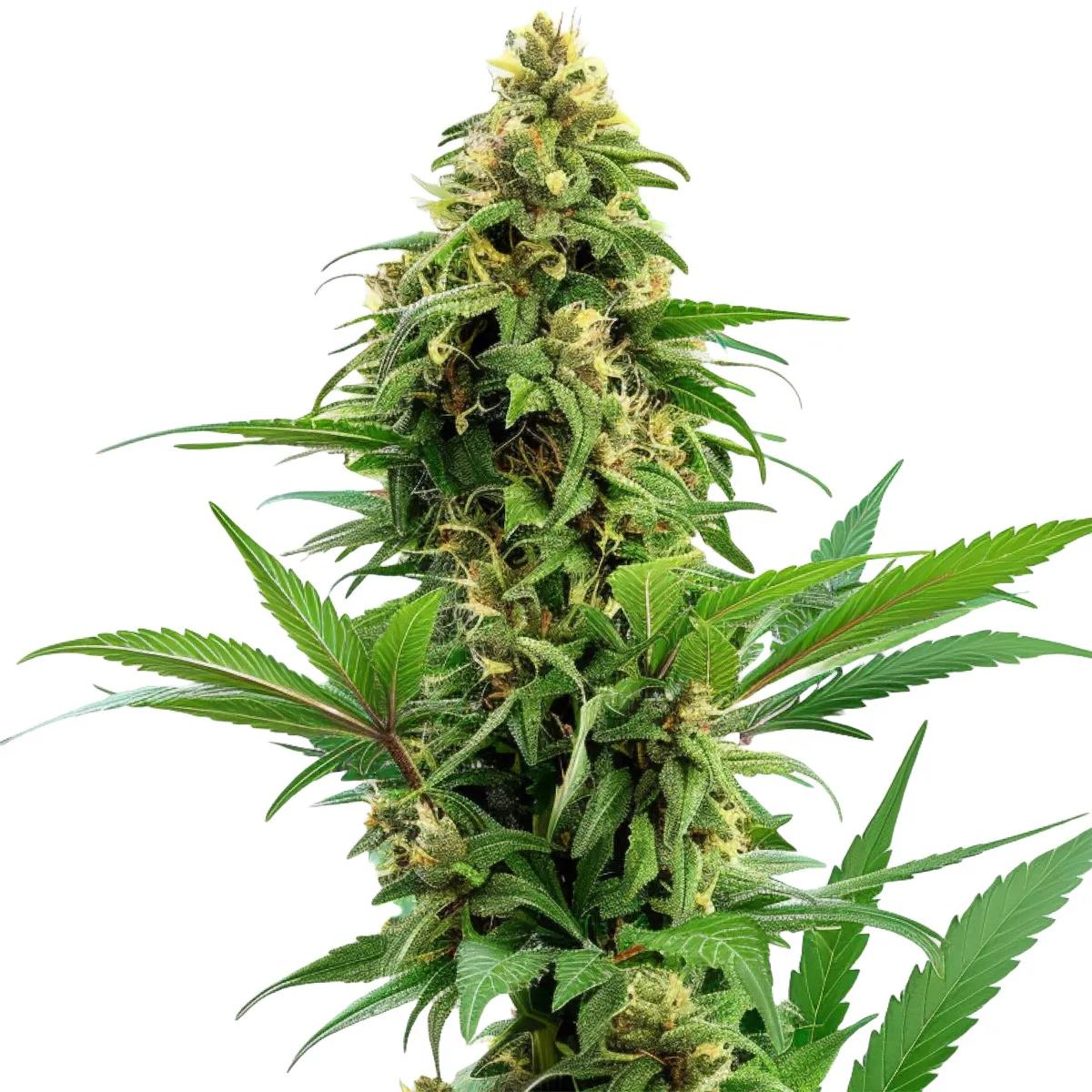
These aren't compact little autoflowers. Kandahar plants grow between 150 and 250 cm tall — proper trees if you give them the space. Expect large, deep-green fan leaves on thick, strong branches that can hold serious weight without support. The overall structure is classic broad-leaf indica: bushy, dense, and built to handle wind and heat.
Females produce perfectly stacked indica flowers with deep green calyxes. The bud structure is tight and resinous — exactly what you'd expect from a region that's been producing world-class hashish for centuries. The aroma is earthy, deep, and unmistakably Afghan. There's a spicy, almost peppery undertone that separates Kandahari plants from the sweeter Mazar-i-Sharif varieties. If you've ever had properly made traditional Afghan hash, that nose will be familiar.
The honest limitation: these are regular seeds, so roughly half your plants will be male. That's by design — the Afghan Seed Connection packages regulars specifically to preserve the full genetic expression of the landrace, males included. But if you're only after smokeable bud and have limited space, you'll need to sex your plants and remove males before they pollinate your females. Plan for roughly twice the germination count you'd need with feminised seeds.
How to Grow Kandahar Landrace Cannabis Seeds
- Germinate your Kandahar seeds using the paper towel method or directly in a light, well-draining seedling mix. These seeds are robust — germination rates from healthy landrace stock tend to be strong. Keep the medium moist, not waterlogged, at around 22–26°C.
- Transplant seedlings once they've developed 2–3 sets of true leaves. Kandahari plants thrive in full sun and prefer a hot, dry climate similar to their native region. If you're growing outdoors in northern Europe, choose your sunniest spot and consider raised beds for better drainage.
- During vegetative growth, these plants are vigorous and can stretch significantly. If growing indoors, consider topping or training early to manage height — remember, they can reach 250 cm. Outdoors, let them run. They've evolved to grow tall and strong.
- Identify and separate males from females once pre-flowers appear (usually 4–6 weeks into vegetative growth, or when you flip to 12/12 indoors). Males show small pollen sacs at the nodes; females show white pistils. Keep males alive in a separate space if you plan to breed.
- Flowering responds to cool temperatures — these plants evolved at 1,000+ metres elevation where nights drop significantly. If growing indoors, a slight temperature drop during the dark period (down to 18–20°C) can improve resin production and flower density.
- Harvest females between October and November when growing outdoors. Look for mostly cloudy trichomes with some amber. Expect 500–600 g per plant from healthy, well-fed females in optimal conditions. Dry slowly in a dark, ventilated space at 18–22°C and 55–60% humidity for best results.
Kandahar vs Other Afghan Landrace Seeds
The Afghan Seed Connection offers genetics from several Afghan regions, and they're not interchangeable. Kandahar plants tend to run taller and produce heavier yields than some of the more compact northern varieties. The Mazar-i-Sharif region, for comparison, typically produces shorter, stockier plants with a sweeter terpene profile — lovely in their own right, but a different animal.
| Trait | Kandahar | Typical Northern Afghan Landrace |
|---|---|---|
| Height | 150–250 cm | 100–180 cm |
| Yield | 500–600 g | 300–450 g |
| Climate Adaptation | Hot, semi-arid desert | Continental, cold winters |
| Bud Structure | Dense, stacked indica | Compact, tight clusters |
| Aroma | Earthy, spicy, peppery | Sweet, floral, hashy |
| Male Quality | Excellent resin, strong branches | Variable |
If you're a breeder looking for the best Afghan male to cross into your existing stock, we'd pick Kandahar over most other Afghan landraces. The male plants from this region are genuinely exceptional — it's one of the few landrace lines where breeders specifically seek out the males.
Why Landrace Cannabis Genetics Matter
Modern cannabis breeding has given us incredible variety, but it's come at a cost. Most commercial strains trace back to a surprisingly narrow genetic base. Landrace seeds like Kandahar represent the raw, unworked genetic material that all those hybrids ultimately descend from — and they contain alleles and trait combinations that simply don't exist in the modern gene pool anymore.
According to McPartland and Small's classification of endangered high-THC cannabis (2020, PMC7148385), Afghan landrace populations face genuine threats from habitat loss, conflict, and replacement with modern cultivars. Growing these seeds isn't just gardening — it's genetic conservation. Every grower who pops a pack and keeps a healthy male or two in rotation is helping preserve something irreplaceable.
From a practical standpoint, landrace genetics also bring hybrid vigour when crossed into modern lines. Kandahari plants contribute strong branching, heat tolerance, resin production, and pest resistance — traits that modern indoor-optimised genetics have often lost. If your breeding programme has been feeling a bit stale, introducing Kandahar genetics is one of the best ways to shake things up.
Complete your landrace collection with other Afghan Seed Connection varieties. Pair Kandahar seeds with a different regional landrace for breeding projects — crossing two distinct Afghan lines can produce remarkable F1 vigour while keeping the genetic heritage Afghan. If you're setting up a grow space, grab a quality propagation kit to give these seeds the best possible start.
Frequently Asked Questions
Are Kandahar seeds feminised or regular?
Regular. You'll get both male and female plants. Expect roughly a 50/50 split. The Afghan Seed Connection deliberately offers regulars to preserve the complete landrace genetics, including the males, which are valued for breeding.
How tall do Kandahar cannabis plants grow?
Between 150 and 250 cm, depending on conditions. Outdoors with full sun and good soil, they'll push toward the upper end. Indoors, top or train early if ceiling height is limited.
When should I harvest Kandahar plants?
Outdoor harvest falls between October and November. Check trichomes with a loupe — you're looking for mostly cloudy heads with some amber. Don't rush it; these landrace plants can take a bit longer to finish than modern hybrids.
Can I grow Kandahar seeds indoors?
Yes, but manage the height. These plants can hit 250 cm if left unchecked. Top them early, use LST, or flip to 12/12 sooner than you would with a compact hybrid. They respond well to a slight temperature drop during the dark period — aim for 18–20°C at night.
Why should I keep the male Kandahar plants?
Kandahari males show strong branches, fast growth, and excellent resin production — uncommon traits in male cannabis plants. They're genuinely valuable breeding stock. If you're crossing into modern genetics, a good Kandahar male can contribute heat tolerance, vigour, and resin production to the offspring.
What yield can I expect from Kandahar females?
Healthy females in good conditions produce 500–600 g per plant. That's outdoor yield with full sun, decent soil, and a proper growing season. Indoor yields will be lower, depending on light intensity and pot size.
How many seeds come in a pack?
Each pack contains 10 regular Kandahar seeds.
What climate do Kandahar plants prefer?
Hot and dry. They've adapted to a semi-arid, almost desert-like climate at over 1,000 metres elevation. Full sun is essential. They handle heat and drought better than most modern strains but prefer cool temperatures during flowering for optimal resin development.
Last updated: April 2026
Related products



You might also like
Medical disclaimer. This content is for informational purposes only and does not constitute medical advice. Consult a qualified healthcare provider before use of any substance.