
Kabul
Cannabis seeds
by Afghan Seed Connection
Kabul Cannabis Seeds by Afghan Seed Connection
Kabul is a regular landrace cannabis seed variety from Afghan Seed Connection, sourced directly from Afghanistan's capital region in the Hindu Kush mountains. These seeds give you access to authentic Afghan genetics — the same hardy, resin-heavy plants that have been grown in the Kabul valley for centuries. If you're after genuine indica landrace stock for breeding or growing proper old-school Afghan bud, this is where you start.
Why Grow Kabul Landrace Seeds?
Kabul regular cannabis seeds are the real deal — unaltered Afghan landrace genetics from a region that's been producing world-class hashish plants for longer than anyone can document. The Kabul valley sits at elevation in eastern Afghanistan, where the semi-arid continental climate has shaped these plants into something incredibly tough. Cold nights, dry air, short summers — Kabul plants have adapted to all of it, and that resilience carries straight into your garden.
What makes these seeds particularly valuable is that they're regular, not feminised. That means you'll get both male and female plants. For breeders, this is gold. A-grade Afghan male stock is hard to come by outside of Central Asia, and these genetics are as close to the source as you'll get without booking a flight to Kabul. The males carry that classic Hindu Kush structure and resin potential that breeders have been crossing into Western genetics for decades. If you're building your own crosses, a solid Kabul male can anchor an entire breeding programme.
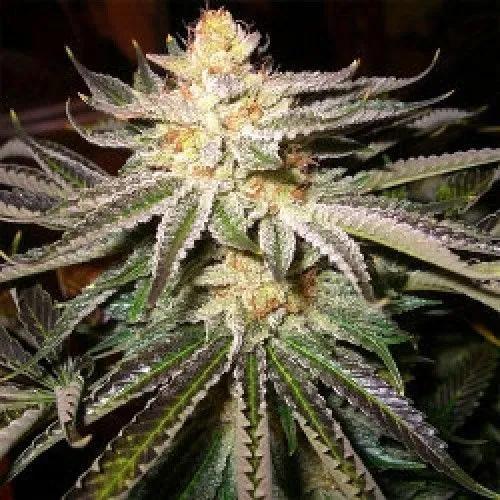
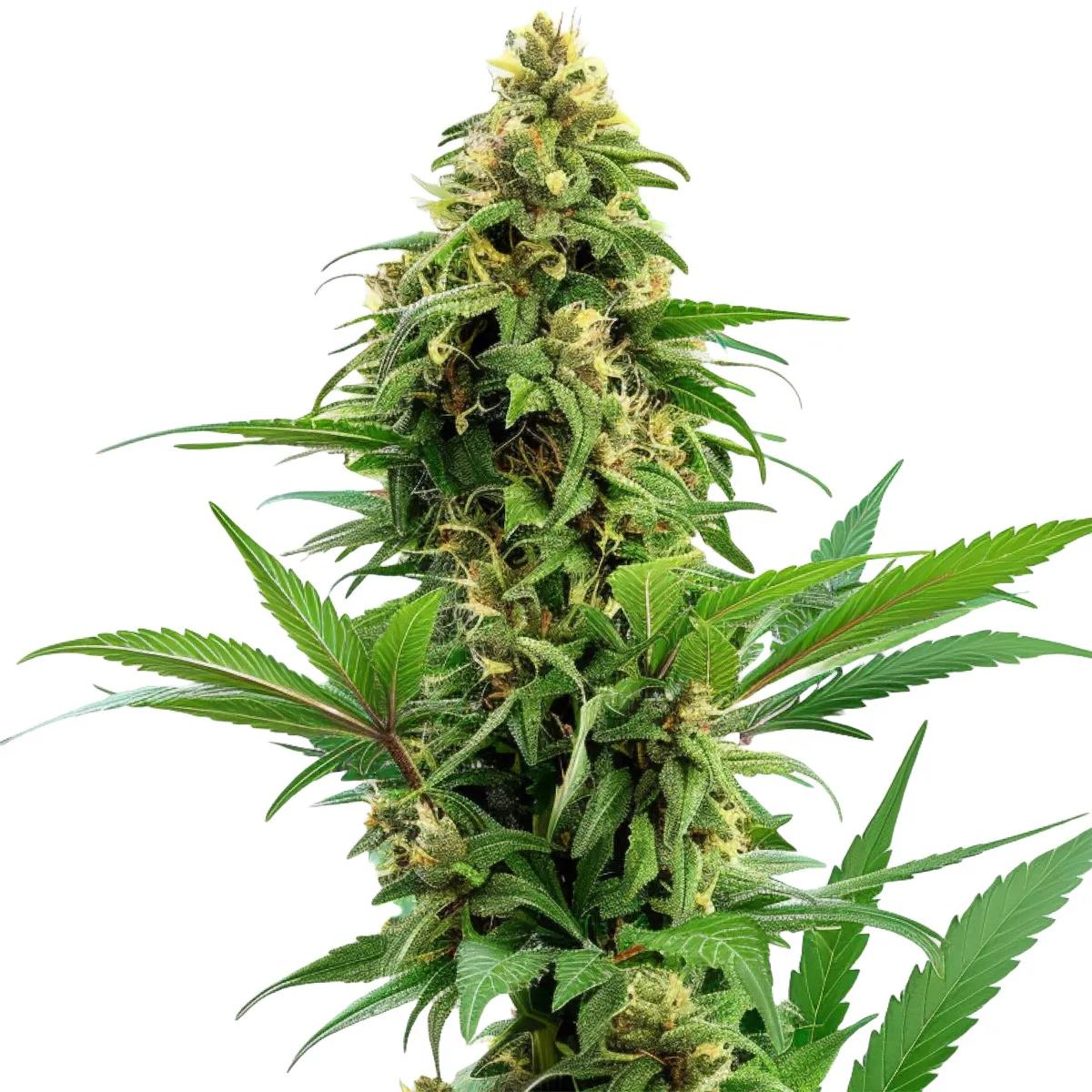
For growers who simply want to harvest, the females won't disappoint either. Expect dense, compact buds coated in sticky resin — the kind of flower that practically begs to be pressed into hash. With THC levels around 18%, the potency sits in a comfortable zone: strong enough to be properly effective, without the ceiling-scraping numbers that some modern hybrids chase at the expense of everything else.
Kabul Landrace Seeds: What to Expect When Growing
These plants behave like proper indicas. Mature Kabul plants reach 100–180 cm in height, with females stretching noticeably once they enter bloom. Indoors, that stretch means you'll want to flip to flower earlier than you might with a modern hybrid — or use some low-stress training to keep the canopy even. In a tent, topping once and tying down the main branches works well. Without training, a 180 cm plant in a 200 cm tent leaves you almost no headroom for your light.
Outdoors is where Kabul truly shines. The strain's natural hardiness means it handles cool nights, wind, and dry spells without drama. If you're growing in northern Europe or anywhere with a short, cool autumn, these seeds are a solid bet. Sow early in the season — April or May, depending on your latitude — to give the plants maximum vegetative time before the days shorten. Harvest falls between October and November outdoors.
Yield-wise, expect 300–400 g per plant outdoors and 300–400 g/m² indoors. Not the heaviest producer in the catalogue, but the quality of what you harvest makes up for it. The resin production on these plants is exceptional — a trait shaped by generations of selection for hashish production in the Kabul province.
| Specification | Detail |
|---|---|
| Seed Bank | Afghan Seed Connection |
| Seed Type | Regular (male + female) |
| Genetics | Landrace — Kabul region, Afghanistan |
| Dominant Type | Indica |
| THC Content | 18% |
| Plant Height | 100–180 cm |
| Indoor Yield | 300–400 g/m² |
| Outdoor Yield | 300–400 g/plant |
| Outdoor Harvest | October–November |
| Climate Preference | Cold, semi-arid continental |
| Seeds per Pack | 10 |
Aroma, Resin, and the Kabul Landrace Character
Afghan Seed Connection describes Kabul as having unique aromas — and from what we've seen with Hindu Kush genetics over the years, that typically translates to deep, earthy tones with a spicy, almost peppery edge. Think old-school hash smell: warm, dense, slightly sweet underneath. Nothing like the fruity or gassy profiles that dominate modern seed catalogues. This is cannabis that smells like cannabis used to smell.
The resin production is the standout feature. Kabul plants develop a thick layer of trichomes across the buds and surrounding sugar leaves, which makes them excellent candidates for hash-making. If you've ever wanted to press your own charas or dry-sift hash from homegrown plants, landrace Afghan genetics like Kabul are the traditional starting point — and honestly, still the best one. The trichome heads are large and abundant, and the resin has that classic sticky, aromatic quality that modern polyhybrids often lack.
One honest limitation: landrace varieties aren't bred for uniformity. You'll see more variation between individual plants than you would with a stabilised F1 hybrid. Some phenotypes will be shorter and bushier, others taller with more stretch. For breeders, that variation is the whole point — it's where you find exceptional individuals to select from. For growers who just want identical plants in a SOG setup, a feminised hybrid might be a more predictable choice. But if you want character, history, and genuine Afghan genetics, the variation is part of the experience.
Kabul vs Other Afghan Cannabis Seeds
How does Kabul compare to other Afghan-origin seeds? Here's a quick breakdown against two other popular options in the same genetic neighbourhood.
| Feature | Kabul (Afghan Seed Connection) | Afghan Hash Plant (Regular) | Hindu Kush (Feminised) |
|---|---|---|---|
| Seed Type | Regular | Regular | Feminised |
| Genetics | Pure landrace (Kabul region) | Afghan hybrid | Hindu Kush stabilised |
| THC | 18% | 15–20% | 18–20% |
| Height | 100–180 cm | 80–140 cm | 80–120 cm |
| Breeding Value | Exceptional (unworked landrace) | Good | Limited (feminised) |
| Phenotype Variation | High (landrace) | Moderate | Low |
| Best For | Breeders + hash makers | Hash production | Easy indoor grows |
We'd pick Kabul over the others if breeding is even remotely on your radar. The unworked landrace genetics give you a gene pool that hasn't been narrowed down by commercial selection — and that's increasingly rare. If you just want female plants with zero fuss, a feminised Hindu Kush is more straightforward. But for genetic depth and authentic Afghan character, Kabul is the stronger choice.
Growing Kabul indoors? Pair these seeds with a complete grow tent kit to control the environment — these plants respond well to consistent light cycles and good airflow. For hash-making after harvest, a set of bubble bags or a pollen press will help you make the most of Kabul's exceptional resin production.
How to Grow Kabul Cannabis Seeds
- Germinate your Kabul seeds using the paper towel method: place seeds between two damp (not soaking) paper towels on a plate, cover with a second plate, and keep in a warm spot (20–25°C). Taproots typically emerge within 24–72 hours.
- Transplant germinated seeds into small pots with a light, airy growing medium. Keep humidity high (65–70%) and temperatures around 22–25°C during the seedling stage.
- Once plants have 4–5 nodes, begin low-stress training if growing indoors. Gently bend and tie down the main stem to encourage lateral growth and keep the canopy manageable within your tent or room.
- Identify and separate males from females once pre-flowers appear (usually 4–6 weeks into vegetative growth). Males show small pollen sacs at the nodes; females show white pistils. Keep males isolated if you plan to breed — remove them entirely if you only want sinsemilla bud.
- Switch to a 12/12 light cycle indoors to trigger flowering. Outdoors, plants will flower naturally as days shorten in late summer. Expect females to stretch considerably during the first 2–3 weeks of bloom.
- Harvest when trichomes are mostly cloudy with some amber — typically October to November outdoors. Dry in a dark, well-ventilated space at 18–20°C and 55–60% humidity for 7–14 days, then cure in glass jars for at least 2 weeks.
Related products
You might also like
Medical disclaimer. This content is for informational purposes only and does not constitute medical advice. Consult a qualified healthcare provider before use of any substance.