
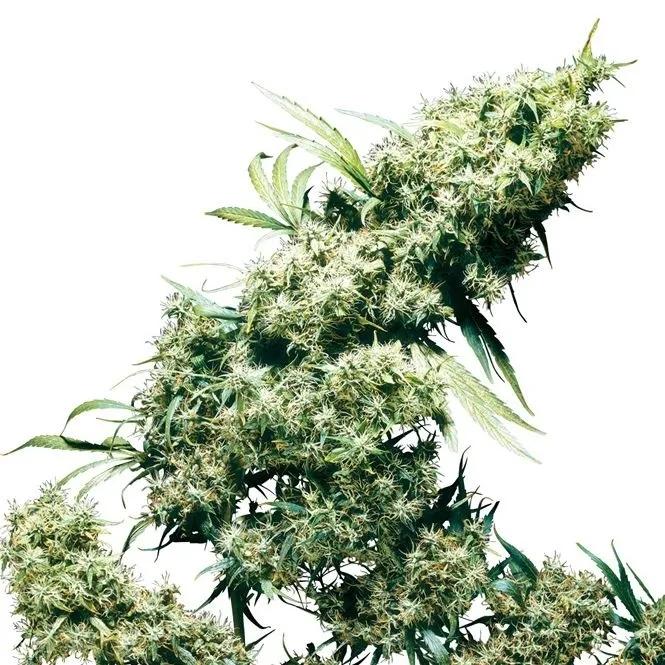
Jamaican Pearl
Cannabis seeds
by Sensi Seeds
Jamaican Pearl Cannabis Seeds by Sensi Seeds
Jamaican Pearl is a sativa-dominant hybrid cannabis seed from Sensi Seeds that brings Caribbean genetics to cooler climates without sacrificing potency or yield. Created by crossing Marley's Colli with Early Pearl — both Jamaican sativa lines — this strain was bred specifically so growers in northern Europe could cultivate tropical sativa genetics outdoors, something that was borderline impossible before Early Pearl's climate-adaptive traits entered the mix. Available in packs of 3, 5, or 10 regular seeds.
Pack Sizes
| Pack | Seeds | SKU |
|---|---|---|
| Small | 3 | CSSE0060 |
| Medium | 5 | CSSE0087 |
| Large | 10 | CSSE0037 |
If you're running a single outdoor plant to test the genetics, 3 seeds gives you enough to select a strong female. For a proper outdoor plot or an indoor SOG setup, go with 10 — regular seeds mean roughly half will be male, so numbers help.
Why Jamaican Pearl Seeds Deserve a Spot in Your Garden
Caribbean sativas are legendary for their soaring, cerebral effects and sweet tropical flavour. The problem? They want 14-hour days and warm nights that stretch well into October — conditions you simply don't get in Amsterdam, Berlin, or Manchester. Sensi Seeds solved this by crossing Marley's Colli, a Jamaican champion line, with Early Pearl, a strain bred specifically for early finishing in northern latitudes. The result is Jamaican Pearl: a plant that keeps the elongated sativa structure and the sweet-and-sour tropical taste of its Caribbean parent, but finishes flowering in just 50 to 70 days — fast for any sativa, let alone one with this much Jamaican blood.
We've seen customers in Scandinavia and the UK pull successful outdoor harvests from Jamaican Pearl. That's not something you can say about most sativa-leaning genetics. The Early Pearl parentage gives this strain a genuine resilience to cooler, damper conditions. It won't shrug off a November frost, but it handles a grey September far better than a pure landrace Jamaican ever could.
One honest limitation: these are regular seeds, not feminised. You'll need to sex your plants and remove males unless you're breeding. That adds a step, but it also means you're working with the full genetic expression Sensi Seeds intended — no feminisation stress, no hermaphrodite tendencies from reversed pollen. For growers who want to pheno-hunt or keep a mother plant, regular seeds are actually the better option.
Jamaican Pearl Growth Pattern and Flowering
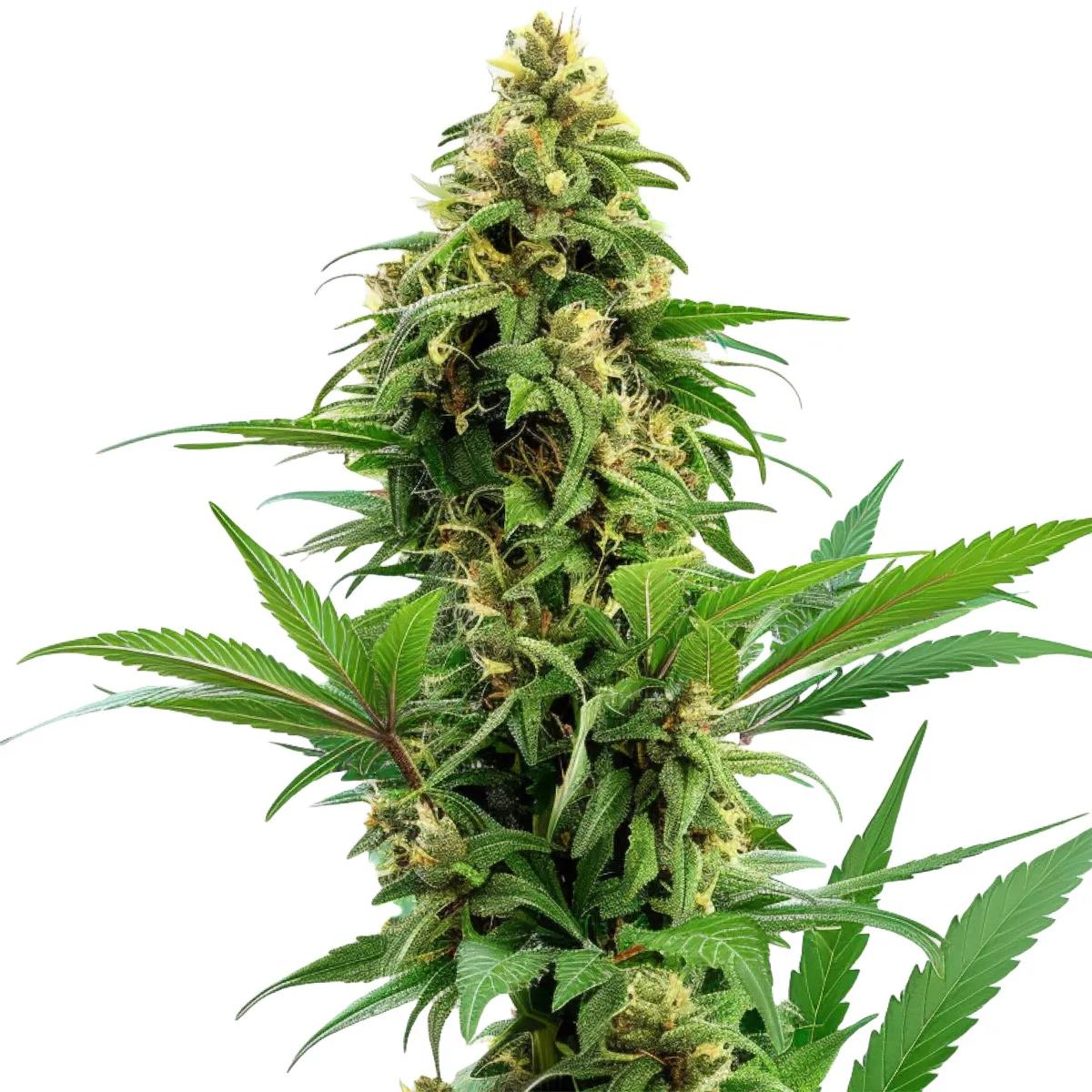
Jamaican Pearl grows like a textbook sativa — tall, slender, with narrow finger-shaped leaves and long internodal spacing. Expect significant stretch during the flowering phase. If you're growing indoors, this plant will reach for the ceiling, so either flip to 12/12 early or train aggressively with LST or a SCROG net. Outdoors, it'll happily grow into a tall, branchy specimen without much intervention.
| Specification | Detail |
|---|---|
| Seed bank | Sensi Seeds |
| Genetics | Marley's Colli x Early Pearl |
| Type | Sativa-dominant hybrid |
| Seed type | Regular (non-feminised) |
| Flowering time | 50–70 days |
| Indoor yield | Approx. 500g/m² (600W lamp) |
| Outdoor performance | Heavy yield; finishes early for a sativa |
| Plant height | Tall — significant stretch in flower |
| Climate tolerance | Cool and temperate climates |
| Available packs | 3, 5, or 10 seeds |
Indoors under a 600W lamp, Jamaican Pearl can produce around 500 grams per square metre — a substantial harvest by any measure. Outdoors, Sensi Seeds says it performs even better, and we'd agree. The dense bud structure along each stem makes for heavy branches come harvest time. Support stakes or netting are worth setting up if you're in a windy spot.
Flavour, Aroma, and the Jamaican Pearl Smoke
This is where Jamaican Pearl really earns its name. Crack open a cured bud and you get a fresh, unmistakably sativa nose — bright, almost citrusy, with a sweet tropical undertone that reminds you these genetics came from the Caribbean. When smoked or vaporised, the flavour is sweet on the inhale with a sour, fruity aftertaste that lingers. It's not a one-note sweetness either; there's a tartness underneath, like biting into a slightly underripe mango.
The burn is clean and the smoke is smooth — not harsh or acrid like some dense-indica hybrids can be. If you're comparing it to another Sensi Seeds sativa, think of it as a fruitier, more tropical cousin to their Skunk #1 line. Less earthy, more sunshine in a jar.
The reported effects lean heavily cerebral — energetic, uplifting, and clear-headed. Traditionally, Jamaican sativa genetics have been associated with creative, active use rather than couch-lock. Jamaican Pearl follows that tradition. It's the kind of smoke that pairs with a walk, a sketchbook, or a long conversation — not a Netflix marathon.
Growing Jamaican Pearl Seeds: Practical Tips
- Germination: Soak seeds in water for 12–24 hours, then transfer to damp paper towels in a warm, dark spot (20–25°C). Taproots should appear within 2–4 days.
- Sexing: These are regular seeds. Watch for pre-flowers at nodes around week 4–6 of vegetative growth. Males show small pollen sacs; females show white pistils. Remove males promptly unless you're breeding.
- Vegetative phase: Keep the veg period short indoors (3–4 weeks) to manage height. Jamaican Pearl stretches considerably once flowering starts — sometimes doubling in height.
- Training: LST (low stress training) or a SCROG net works well to control the sativa stretch and expose more bud sites to light. Topping once or twice during veg also helps.
- Flowering: Switch to 12/12 light indoors. Expect 50–70 days of flowering. Buds will be dense and line the stems. Watch trichomes with a loupe — harvest when most are milky with a few amber for the classic sativa effect.
- Outdoor timing: In northern Europe, plant out after the last frost (late April–May). Jamaican Pearl's Early Pearl genetics mean it should finish before autumn weather turns nasty — typically late September to early October.
- Drying and curing: Hang whole branches in a dark, ventilated space at 18–22°C and 55–65% humidity for 7–10 days. Cure in glass jars for at least 2 weeks — the tropical flavour really develops with a proper cure.
Complete your grow setup: Jamaican Pearl's tall sativa structure benefits from proper training and support. Pair these seeds with a SCROG net and plant ties to manage the stretch, and consider a quality carbon filter — the sweet tropical aroma is lovely but distinctive. If you're growing indoors, a 600W HPS or equivalent LED panel will hit that 500g/m² target Sensi Seeds quotes.
Jamaican Pearl vs Other Sativa Seeds
If you're weighing up Jamaican Pearl against other sativa-leaning options, here's how it stacks up. Compared to a pure Haze, Jamaican Pearl finishes flowering weeks earlier — 50–70 days versus 10–14 weeks for most Haze varieties. You sacrifice a bit of that classic Haze complexity in flavour, but you gain a sweeter, more tropical profile and a much more practical growing timeline, especially outdoors in northern climates.
Against Sensi Seeds' own Early Skunk, Jamaican Pearl is taller, more sativa-dominant, and has a brighter, fruitier flavour profile. Early Skunk is the safer bet if you want a compact, easy plant. Jamaican Pearl is the pick if you want that Caribbean sativa character and you're willing to manage a bit more height.
For growers who specifically want tropical sativa genetics that actually finish outdoors in the Netherlands, the UK, or northern Germany, Jamaican Pearl is one of the best options in the Sensi Seeds catalogue. We'd pick it over most "outdoor sativa" seeds that quietly require a Mediterranean climate to actually work.
Frequently Asked Questions
Can Jamaican Pearl be grown outdoors in northern Europe?
Yes — that's exactly what it was bred for. The Early Pearl parent gives Jamaican Pearl the ability to finish flowering before autumn sets in, even in the UK, Netherlands, or Scandinavia. Expect harvest around late September to early October in most northern European locations.
How tall does Jamaican Pearl grow indoors?
Tall. Jamaican Pearl shows strong sativa stretch during flowering and can easily double its height after the flip to 12/12. Keep your veg period to 3–4 weeks and use LST or SCROG to manage it. Without training, you'll run out of headroom in a standard grow tent.
Are Jamaican Pearl seeds feminised or regular?
These are regular seeds, meaning roughly half will be male. You'll need to sex your plants during early flowering and remove males. Regular seeds are preferred by breeders and growers looking to select strong mother plants or create their own crosses.
What does Jamaican Pearl taste like?
Sweet and tropical on the inhale, with a sour, fruity aftertaste — think underripe mango with a citrus edge. The aroma when burning is distinctly fresh and Caribbean. A proper 2–4 week cure in glass jars brings out the full tropical flavour profile.
How much does Jamaican Pearl yield indoors?
Under a 600W lamp with good technique, expect approximately 500 grams per square metre. Outdoors, yields can be even higher thanks to the plant's tall structure and dense bud formation along stems. Support stakes help prevent branches snapping under their own weight.
Is Jamaican Pearl good for daytime use?
The effects are reported as cerebral, energetic, and uplifting — classic sativa territory. Traditionally, Jamaican sativa genetics have been associated with active, creative use rather than sedation. Most growers and users consider it a daytime strain.
What is the flowering time for Jamaican Pearl?
50 to 70 days, which is notably fast for a sativa-dominant hybrid. Many pure sativas take 10–14 weeks. Jamaican Pearl's Early Pearl parentage is responsible for this shorter flowering window, making it practical for both indoor and outdoor cultivation in temperate climates.
Last updated: April 2026
Related products



You might also like

Medical disclaimer. This content is for informational purposes only and does not constitute medical advice. Consult a qualified healthcare provider before use of any substance.