
Lavender
Cannabis seeds
by CBD Seeds
Lavender Feminized Seeds by CBD Seeds
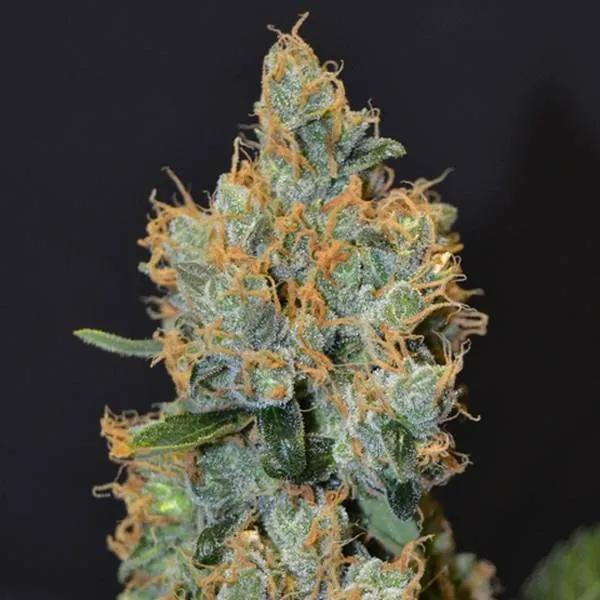
Lavender feminized seeds are a mildew-resistant photoperiod strain bred from Afghan and Skunk genetics that finishes flowering in 7–8 weeks and yields around 400 g/m2. CBD Seeds built this one for growers in damp, unforgiving climates — the kind of conditions where most strains rot on the stem before they ever reach harvest. The central cola alone stretches to at least 30 cm, packed tight with resin-heavy buds that smell unmistakably of fresh lavender and rosemary. Not a faint whiff either — proper aromatics that fill the room during the final weeks of flower.
Why Lavender Feminized Seeds Stand Out
Most outdoor growers in Northern Europe, the UK, or coastal regions know the pain: you nurse a plant through veg, watch it stretch into flower, and then a week of rain turns your buds into a grey, mouldy mess. Lavender was specifically bred to handle that. The high mildew resistance isn't a marketing afterthought — it's the core design principle. Afghan genetics give her thick stems and dense bud structure, while the Skunk side adds vigour and a faster flowering window. The result is a plant that can take a battering from damp air and still deliver a proper harvest.
We've seen plenty of "mildew-resistant" claims over the years. The difference with Lavender is that the Afghan lineage genuinely evolved in harsh, variable mountain climates. That resilience is bred in, not bolted on. If you're growing outdoors anywhere that sees more than a week of rain during September and October, this is the strain we'd point you towards first.
The aroma is the other standout. During the last two to three weeks of flower, the room fills with a layered scent of fresh lavender and rosemary — herbal, floral, almost Mediterranean. On the palate, there's a lavender-mint quality that's genuinely unusual in cannabis. You don't get this terpene profile from many strains, and it's one of the reasons Lavender has maintained a following since it first appeared.
Lavender Feminized Seeds — Specifications
| Specification | Detail |
|---|---|
| Breeder | CBD Seeds |
| Seed type | Feminized (photoperiod) |
| Genetics | Afghan x Skunk |
| Flowering time | 7–8 weeks |
| Central bud length | 30 cm minimum |
| Average yield | ~400 g/m2 |
| Mildew resistance | High |
| Plant structure | Tall, thick branches and stem |
| Aroma | Fresh lavender, rosemary |
| Flavour | Lavender, mint |
| Seeds per pack | 3 feminized seeds |
| SKU | CSCS0006 |
Growing Lavender Feminized Seeds — What to Expect
Lavender feminized seeds produce tall, thick-stemmed plants with a dominant central cola. She's not a bushy, multi-branched variety — expect one fat main bud surrounded by solid side branches. That 30 cm central cola is the headline, and it's not unusual for it to go beyond that in optimal conditions. The resin production is heavy enough that you'll want to handle buds carefully during the final weeks to avoid losing trichomes.
The 7–8 week flowering window is genuinely fast for a plant of this size. For outdoor growers, that means you can push the start of flower later into summer and still finish before the worst of the autumn weather hits. Indoor growers get a quick turnaround without sacrificing yield — 400 g/m2 is a solid number, especially from feminized seeds where every pot counts.
One honest note: the thick central cola is a strength and a potential weak point. In very humid indoor environments without good airflow, even a mildew-resistant strain can develop issues inside a dense bud. Make sure your extraction fan is doing its job and don't let humidity climb above 50% during late flower. Outdoors, the Afghan genetics handle this naturally — but indoors, you need to do your part.
- Germinate your Lavender feminized seeds using the paper towel method or directly in a small pot of moist, aerated soil. Taproots typically emerge within 24–72 hours.
- Transplant seedlings into their final containers once they've developed 2–3 sets of true leaves. Lavender grows tall, so give her at least 11-litre pots for indoor grows or plant directly into the ground outdoors.
- Veg under 18/6 light until the plant has developed a strong central stem. She responds well to topping if you want to control height, but the natural single-cola structure is where Lavender really shines.
- Flip to 12/12 (indoors) or let natural daylight reduction trigger flower (outdoors). Flowering begins within the first week and the lavender-rosemary aroma intensifies from week 5 onwards.
- Harvest at 7–8 weeks of flower when trichomes are mostly cloudy with a few amber. The central cola will be dense and resinous — dry slowly in a dark room at 18–20°C with 55–60% humidity for the best terpene preservation.
The Lavender Aroma — Terpene Profile and Sensory Details
The name isn't just branding. Lavender feminized seeds produce buds with a genuine fresh lavender and rosemary aroma that's immediately recognisable. Open a jar after a proper two-week cure and the scent is herbal, floral, and slightly sweet — closer to a Mediterranean herb garden than a typical cannabis strain. On the inhale, the lavender note is dominant. On the exhale, a cool mint finish comes through that lingers.
Interestingly, the lavender plant itself (Lavandula angustifolia) shares several terpenes with this cannabis strain — particularly linalool, which is responsible for that characteristic floral scent. According to a review published in Evidence-Based Complementary and Alternative Medicine, lavender essential oil has been traditionally used and is approved by the European Medicines Agency as a herbal medicine in certain preparations (Koulivand et al., PMC3612440). The terpene overlap between this cannabis strain and the botanical lavender plant is what gives Lavender its distinctive aromatic character.
According to a 2023 review in Frontiers in Pharmacology, linalool — the terpene most associated with lavender's aroma — has been the subject of research into its potential calming properties (PMC10079719). We mention this for the terpene-curious, not as a product claim — but it's part of what makes this strain's profile genuinely interesting from a botanical standpoint.
Lavender vs. Other Mildew-Resistant Strains
| Feature | Lavender (CBD Seeds) | Super Silver Haze (Greenhouse Seeds) |
|---|---|---|
| Genetics | Afghan x Skunk | Skunk x Northern Lights x Haze |
| Flowering time | 7–8 weeks | 10–11 weeks |
| Mildew resistance | High | Moderate |
| Yield | ~400 g/m2 | ~450 g/m2 |
| Aroma | Lavender, rosemary, mint | Citrus, spice, haze |
| Structure | Tall, single dominant cola | Tall, multiple branch sites |
| Best for | Damp climates, fast finish | Sativa lovers, longer season |
If you want variety in the garden, Super Silver Haze by Greenhouse Seeds offers a contrasting sativa-dominant profile. The flowering window is longer at 10–11 weeks, so it's not the best choice for the wettest climates — but if your autumn stays dry into late October, running both gives you a nice spread of effects and flavours. For pure mildew resistance and speed, though, Lavender is the one we'd pick.
Growing Lavender outdoors? Pair her with a pH test kit and organic soil amendments to get the most from those Afghan genetics — they respond well to slightly alkaline soil with good drainage. If you're running an indoor setup, a carbon filter is worth considering from week 5 onwards, because the lavender-rosemary aroma gets intense and your neighbours will have questions.
What You Should Know Before Growing Lavender
Every seed in the pack is feminized, so you won't waste time or pots on males. Three seeds per pack means you can run a small, focused grow or pop all three and select the best phenotype for a mother plant. The Afghan x Skunk genetics are stable and predictable — you're not going to see wild variation between plants.
The one thing to watch: Lavender grows tall. If you're working with limited vertical space indoors, plan your veg period carefully or use low-stress training to keep her manageable. Outdoors, height is an asset — more light interception, bigger colas, better airflow around the canopy. But in a 1.2m tent, she can outgrow you if you veg too long. We'd flip to flower once she's around 40–50 cm tall indoors, as she'll stretch another 50–100% during the first two weeks of flower.
The mildew resistance is real, but it's not invincibility. In extreme conditions — think three weeks of solid rain with no wind — even Lavender can struggle. Shake water off the buds after heavy rain if you can, and harvest promptly at 7–8 weeks rather than pushing for extra density. A clean, timely harvest beats a mouldy late one every time.
Frequently Asked Questions
Are Lavender feminized seeds suitable for beginner growers?
Yes. The Afghan x Skunk genetics are forgiving, the flowering window is a quick 7–8 weeks, and the mildew resistance means fewer problems to diagnose. Feminized seeds also remove the need to identify and remove males — one less thing to worry about on your first run.
How tall does Lavender grow indoors?
Expect 80–150 cm depending on how long you veg. She stretches significantly in the first two weeks of flower, so flip early if headroom is tight. Topping or low-stress training can keep her under 100 cm without hurting yield much.
Does Lavender actually smell like lavender?
It does — properly. The terpene profile is dominated by linalool, the same compound found in Lavandula angustifolia. From week 5 of flower onwards, the aroma fills the room with fresh lavender and rosemary notes. It's not subtle.
Can I grow Lavender feminized seeds in a humid coastal climate?
That's exactly what this strain was bred for. The high mildew resistance from the Afghan genetics makes Lavender one of the best choices for damp climates where other strains develop bud rot. Harvest at the 7–8 week mark and don't push into late autumn.
What yield can I expect from Lavender feminized seeds?
CBD Seeds lists the average at around 400 g/m2 indoors under standard conditions. Outdoors, individual plants can yield more depending on pot size, soil quality, and sunlight hours. The dominant central cola accounts for a large portion of the total weight.
Is Lavender by CBD Seeds an indica or sativa?
The Afghan x Skunk genetics lean indica-dominant in structure — thick stems, dense buds, a fast 7–8 week flower. Growth habit is tall though, which is the Skunk influence. Expect indica-leaning characteristics overall.
How many seeds come in a pack of Lavender by CBD Seeds?
Each pack contains 3 feminized seeds. Every seed is female — no males, no sorting, no wasted pots.
Last updated: April 2026
Related products

You might also like
Medical disclaimer. This content is for informational purposes only and does not constitute medical advice. Consult a qualified healthcare provider before use of any substance.