
Kali
Cannabis seeds
by CBD Seeds
We'll only email you about this product — no marketing.
Kali Feminized Seeds — Sativa Density Meets Mildew Resistance
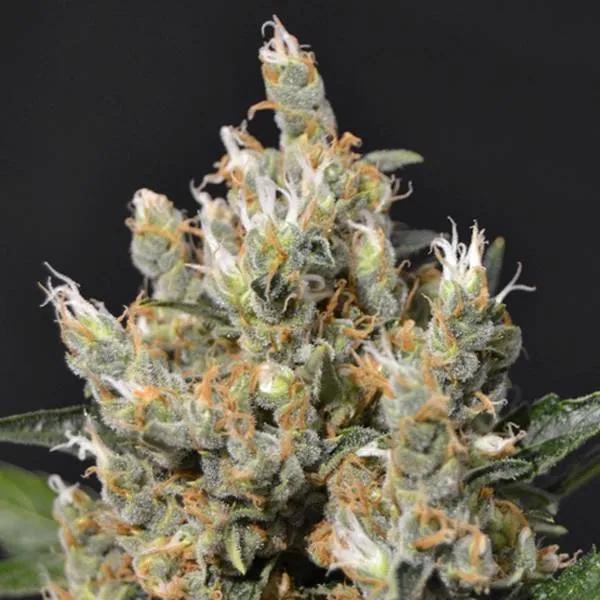
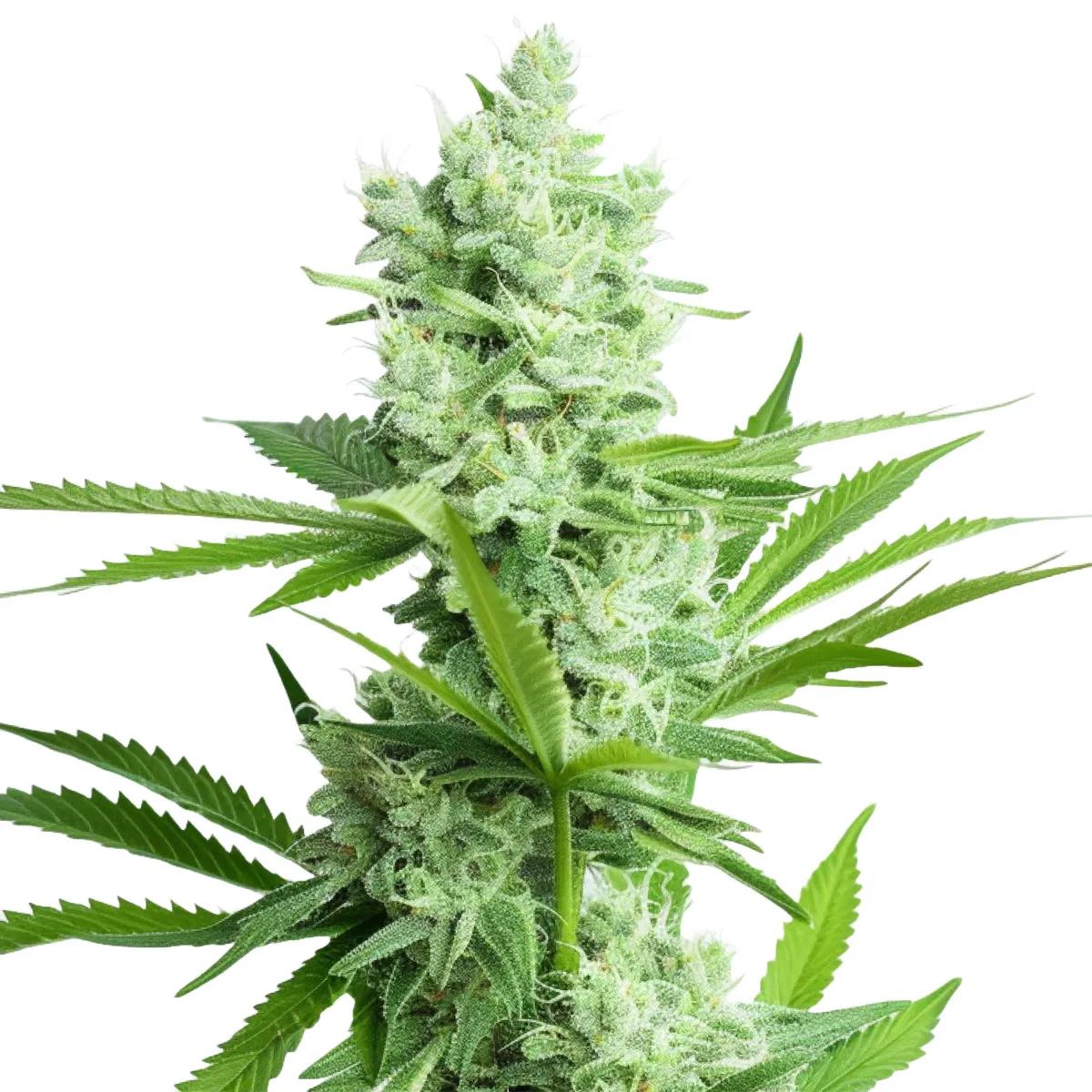
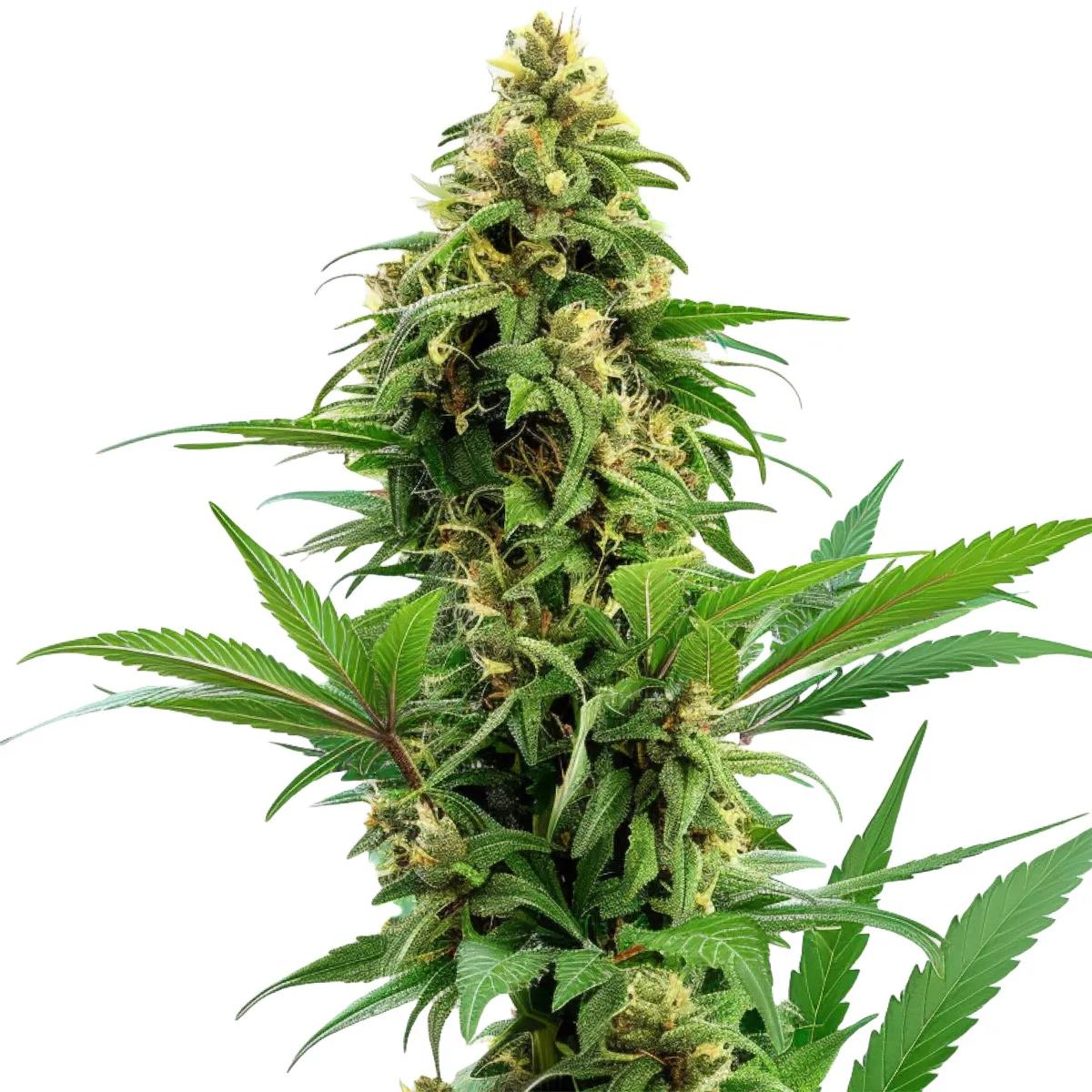
Kali feminized seeds by CBD Seeds are a stabilised sativa-dominant cannabis strain bred from two hybrid sativa families for compact, crystal-coated buds and strong natural resistance to powdery mildew. Where most sativas produce loose, airy flowers that rot the moment autumn rain arrives, Kali delivers dense, citrus-scented colas that hold together through 11 to 12 weeks of flowering — even in damp northern European climates. Three feminized seeds per pack, plants stretching up to 2 metres tall, and a cerebral effect that reminds you why you waited those extra weeks.
Why Kali Feminized Seeds Stand Out for Outdoor Sativa Growers
Most sativa-leaning strains are a gamble outdoors in the UK, the Netherlands, or anywhere north of the Alps. The flowering period runs long — 10, 12, sometimes 14 weeks — and by the time your plants are finishing up, you're deep into October. Grey skies, constant drizzle, and temperatures that swing 10 degrees overnight. That's botrytis weather. We've seen growers lose entire outdoor harvests to bud rot in a single week of sustained rain. One week. Months of work, gone.
CBD Seeds bred Kali specifically to survive those final weeks. They crossed and stabilised genetics from two hybrid sativa families, selecting for mildew resistance generation after generation. The result is a plant that still grows like a sativa — tall, vigorous, reaching up to 2 metres — but produces buds that are noticeably denser and more compact than you'd expect from a pure sativa lineage. Denser buds normally trap more moisture and invite mould. Kali's genetic resistance to powdery mildew counteracts that risk, so you get the best of both worlds: indica-style bud structure with sativa-quality cerebral effects.
The honest limitation? That 11 to 12 week flowering period. There's no getting around it. If you're used to 8-week indicas, Kali asks for patience. She rewards it — but she asks for it. In a greenhouse or polytunnel, you can extend the season comfortably. Full outdoor in Scotland or Scandinavia? You're pushing it. Southern England, the Netherlands, Belgium, northern France — that's her sweet spot.
What to Expect Growing Kali Feminized Seeds
Kali is a grower's strain. She's not fussy, but she responds well to a bit of know-how. Here's what the growing cycle looks like from seed to harvest.
| Specification | Detail |
|---|---|
| Seed Type | Feminized (photoperiod) |
| Genetics | Sativa dominant — two hybrid sativa families |
| Flowering Time | 11–12 weeks |
| Plant Height | Up to 2 metres |
| Bud Structure | Compact, crystal-covered |
| Aroma | Citrus-forward |
| Mildew Resistance | High |
| Seeds Per Pack | 3 |
| Breeder | CBD Seeds |
Height is the main thing to manage. Two metres is tall enough to stick above a fence line, so if discretion matters, plan your training early. Low-stress training (LST) or a simple screen of green (SCROG) setup keeps the canopy flat and even, which also helps light penetration and airflow — both of which support that mildew resistance Kali was bred for. Indoors, expect to flip to 12/12 earlier than you would with an indica, because she'll stretch significantly in the first 2 to 3 weeks of flower.
Aroma, Bud Quality, and the Kali Harvest
The citrus scent develops properly in the final 3 weeks of flowering. Around week 9, you'll start catching sharp, zesty notes when you brush past the plant — somewhere between lemon peel and grapefruit rind, with a slightly sweet undertone underneath. By harvest, the buds are coated in a visible layer of trichomes. The crystal coverage is genuinely impressive for a sativa-dominant strain; you'd normally associate that kind of frost with indica-heavy genetics.
The buds themselves are tight and compact. Not rock-hard indica nuggets, but noticeably denser than something like a Haze or a Malawi. When you break one open after a proper cure — 2 weeks minimum, 4 weeks if you can manage the patience — the citrus sharpens and there's a faint spicy note behind it. The smoke is smooth, not harsh, with a cerebral onset that builds over 15 to 20 minutes rather than hitting all at once.
Kali Feminized Seeds Compared to Other Outdoor Sativas
If you're weighing Kali against other sativa options for an outdoor grow, here's how she stacks up against two common alternatives.
| Trait | Kali (CBD Seeds) | Typical Haze Hybrid | Typical Sativa Autoflower |
|---|---|---|---|
| Flowering Time | 11–12 weeks | 10–14 weeks | 8–10 weeks (seed to harvest) |
| Plant Height | Up to 2 m | 1.5–3 m | 0.6–1.2 m |
| Mildew Resistance | High | Low to moderate | Varies |
| Bud Density | Compact for a sativa | Often loose and airy | Moderate |
| Seed Type | Feminized photoperiod | Feminized photoperiod | Feminized autoflower |
| Best Climate | Temperate to cool | Warm, dry preferred | Any (short season) |
The autoflower finishes faster, but you sacrifice height, yield potential, and that full-bodied sativa character. The Haze hybrid might give you a wider terpene profile, but without Kali's mildew resistance, you're gambling with your harvest every time it rains in October. For growers in the Netherlands, the UK, Belgium, or northern Germany who specifically want a sativa they can trust outdoors, Kali is the strongest pick we've come across at this price point.
How to Grow Kali Feminized Seeds
- Germinate your Kali feminized seeds using the paper towel method or directly in a starter plug. Taproots typically emerge within 24 to 72 hours at 22–25°C.
- Transplant seedlings into their final containers or outdoor plot once they've developed 2 to 3 sets of true leaves. Kali grows tall, so use at least 15-litre pots for container growing — 25 litres or larger is better.
- During vegetative growth, begin low-stress training early to control height. Bend and tie main stems outward to create a wider, flatter canopy. This is especially important if you're growing indoors under lights or in a garden where 2-metre plants would attract attention.
- Outdoors, Kali will begin flowering naturally as daylight drops below roughly 14 hours — typically late July to mid-August in northern Europe. Indoors, switch to a 12/12 light cycle when plants are about half the final height you want, as they'll stretch considerably during early flower.
- Through weeks 1 to 8 of flowering, maintain good airflow around the canopy. Kali's mildew resistance is strong, but you're still growing dense buds — don't stack the odds against yourself by letting humidity sit above 60% in the canopy.
- In weeks 10 to 12, watch the trichomes. Kali finishes when the majority shift from clear to milky white. Harvesting too early loses potency and that citrus terpene development; too late and you'll drift toward a heavier, less cerebral effect.
- Dry in a dark room at 18–20°C with 55–60% humidity for 7 to 10 days. Cure in glass jars for a minimum of 2 weeks, burping daily for the first 5 days. A 4-week cure brings out the full citrus sharpness.
Running Kali in a tent? Pair her with a carbon filter — the citrus terpenes get loud in the final weeks and you'll want odour control sorted before week 9. If you're growing outdoors, a basic soil moisture meter saves you from overwatering during those critical last weeks of flowering when you want to keep humidity low around the buds.
Cannabinoid and Terpene Context
CBD Seeds doesn't publish precise THC or CBD percentages for Kali, and we'd rather tell you that honestly than invent numbers. What we can say is that the strain was bred primarily for its sativa-dominant cannabinoid profile and terpene expression rather than for CBD content — despite the breeder's name. The citrus aroma points to a limonene-dominant terpene profile, which is consistent with the uplifting, cerebral character growers report. According to a classification study of cannabis germplasm (PubMed Central, PMC7148385), stabilised sativa genetics like those used in Kali represent valuable reservoirs of genetic diversity that are increasingly rare in commercial breeding.
For context on cannabinoid research more broadly: according to a review published in the journal Molecules (PMC10572150), studies have suggested that cannabinoids may be as effective as existing anti-emetic medicines in reducing chemotherapy-induced nausea and vomiting. And a quantitative ethnobotanical study (PMC5922303) noted that cannabidiol from Cannabis sativa was observed to have anxiolytic and anti-inflammatory properties in preclinical models. These are research findings, not product claims — but they give you a sense of the broader scientific interest in the compounds these plants produce.
Frequently Asked Questions
Can I grow Kali feminized seeds indoors?
Yes, but manage the height. Kali can reach 2 metres, so flip to 12/12 early and use low-stress training to keep the canopy under control. She'll stretch hard in the first 2–3 weeks of flower. A SCROG net works well. Indoor flowering still takes 11–12 weeks — no shortcut there.
How resistant is Kali to mould and mildew?
Kali was specifically bred for powdery mildew resistance, and it shows. She handles the wet, grey end-of-season conditions that destroy most sativa strains. That said, no strain is invincible — maintain good airflow and keep humidity below 60% in the canopy during late flower to give her the best chance.
What does Kali smell and taste like?
Sharp citrus — think lemon peel and grapefruit rind with a slightly sweet, spicy undertone. The citrus really develops in the last 3 weeks of flowering and intensifies with a proper 2–4 week cure. It's not subtle; you'll want a carbon filter indoors.
Is Kali suitable for beginner growers?
She's not the most demanding strain, but the 11–12 week flowering time and 2-metre height mean you need some planning. If you've grown one or two crops before and understand basic training techniques, you'll handle her fine. Complete beginners might find a shorter-flowering indica more forgiving for a first run.
How many seeds come in a pack of Kali feminized seeds?
Three feminized seeds per pack. All female, so no need to identify and remove males. Three plants is enough for a solid personal outdoor harvest if you give them room to reach their full 2-metre potential.
When should I harvest Kali outdoors in northern Europe?
Expect to harvest in late October to early November, depending on your latitude and when flowering began. Watch the trichomes — harvest when the majority are milky white for the best cerebral effect. Kali's mildew resistance gives you the confidence to let her finish properly rather than chopping early out of mould panic.
What's the difference between Kali and Kali Mist?
Different strains from different breeders. Kali by CBD Seeds is bred from two hybrid sativa families with a focus on mildew resistance and compact bud structure. Kali Mist is a separate sativa line with different genetics and growth characteristics. Don't assume they'll behave the same way in the garden.
Last updated: April 2026
Related products
You might also like
Medical disclaimer. This content is for informational purposes only and does not constitute medical advice. Consult a qualified healthcare provider before use of any substance.