
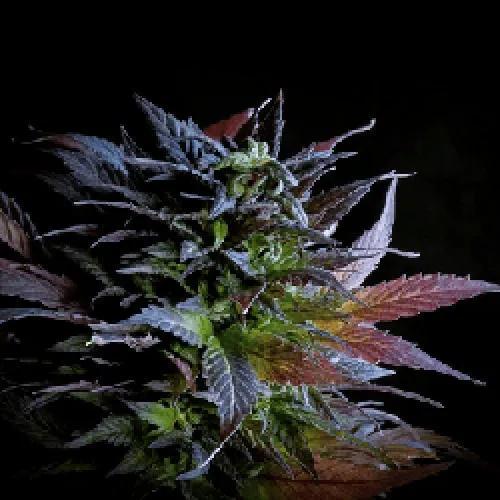
Herat
Cannabis seeds
by Afghan Seed Connection
Herat Cannabis Seeds — A Pure Afghan Landrace Indica
Herat is a regular cannabis seed variety sourced directly from southwestern Afghanistan by the Afghan Seed Connection — one of the few seed banks actually collecting genetics from their native growing regions. These aren't hybridised, backcrossed, or stabilised in a Dutch warehouse. They're hand-selected from plants growing naturally in and around Herat Province, in the valley of the Hari River, where hot, arid conditions have shaped these genetics over generations. If you've been after a genuine landrace indica with zero modern interference, this is about as authentic as it gets.
We've carried plenty of Afghan-origin genetics over the years, but seeds collected on-site from a specific province? That's a different thing entirely. The Afghan Seed Connection does the legwork most breeders skip — actually travelling to the region, selecting plants in their natural habitat, and preserving the genetics as they are. No polyhybrid lineage charts, no marketing names. Just Herat Province indica, full stop.
What Makes Herat Indica Seeds Stand Out
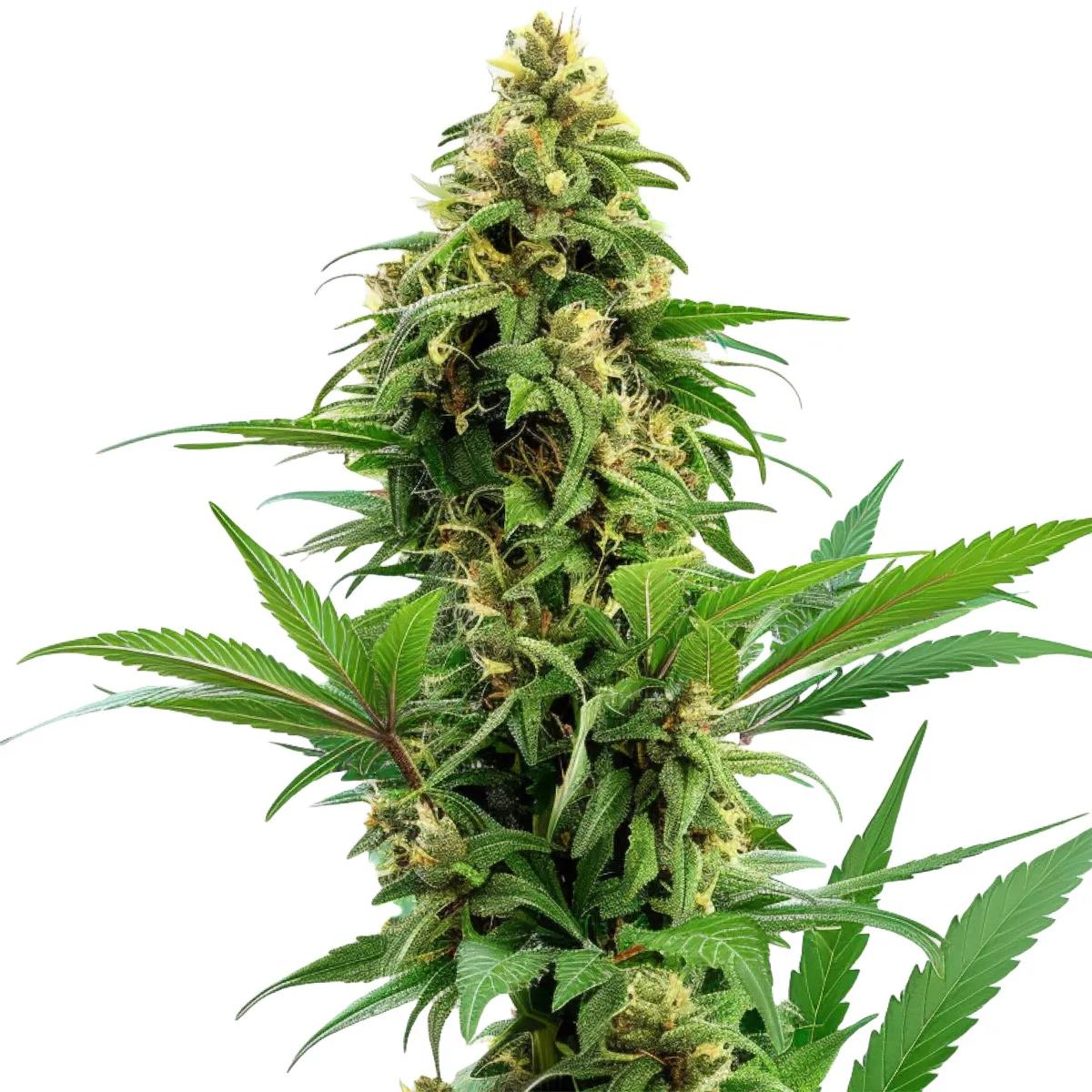
Herat seeds produce vigorous, bushy plants with tight branching and large, deep-green leaves — textbook indica morphology. These are regular seeds, so you'll get both male and female specimens. That's not a limitation; it's a feature. Males are genuinely useful for breeding projects, and if you're working with landrace genetics, having access to both sexes means you can preserve and propagate the line properly. If you only want females, cull the males once they show — straightforward enough.
Height-wise, don't assume "indica" means compact. Depending on pot size and soil volume, Herat plants can reach 150–200 cm without much encouragement. Indoors, you'll likely want to top or train them to keep the canopy manageable. Outdoors, give them space and they'll fill it.
The one honest limitation: these are regular seeds from a landrace population, so expect some phenotypic variation between plants. That's normal for unworked genetics — you're not getting the cookie-cutter uniformity of a modern F1 hybrid. Some growers see that as a drawback; others see it as the whole point. You'll find your keeper phenotype by growing out the pack and selecting the standout female.
Herat Indica Growing Guide
Herat originates from a hot, arid climate, so it naturally thrives in warm, dry conditions. That said, the Afghan Seed Connection notes these plants can adapt to other environments too — they're vigorous enough to handle less-than-ideal weather if you manage moisture levels sensibly.
- Sow Herat seeds in April or May if growing outdoors. This timing gives plants a full vegetative season before the autumn light shift triggers flowering.
- Expect harvest around October outdoors. Indoor growers can flip to 12/12 whenever height suits the space — flowering time follows standard indica patterns.
- Provide well-draining soil. These plants evolved in arid river valley conditions. Waterlogged roots are the fastest way to stress them.
- Identify and separate males early in flowering unless you're breeding. Males produce visible pollen sacs before females show pistils — check nodes daily once you flip the light cycle.
- Train or top indoor plants during veg to control the 150–200 cm height potential. A simple mainline or SCRoG setup works well with the naturally tight branching structure.
- Harvest when trichomes shift from clear to milky-amber. With a resin-heavy landrace like Herat, waiting for that amber shift rewards you with the full spectrum of the plant's cannabinoid and terpene profile.
Yield and Flower Characteristics of Herat Landrace
In optimal conditions, female Herat plants can produce up to 500 g per plant outdoors or 500 g/m² indoors. Those are solid numbers for a landrace — many unworked varieties produce less because they haven't been selected for yield over dozens of generations in a breeding programme. The Afghan Seed Connection's hand-selection process clearly prioritised productive, resinous phenotypes.
The flowers themselves are where this strain really announces its heritage. Expect extra-resinous buds with classic Afghan aromas: hash, spice, and incense as the dominant notes, layered with hints of sweet berries and fresh herbs. If you've ever handled old-school Afghan hash, you'll recognise the scent profile immediately. It's that deep, warm, almost ceremonial smell that modern polyhybrids try to recreate but rarely nail. The resin production alone makes Herat an excellent candidate for traditional hash-making — dry sift or ice water extraction will give you concentrate that smells like it came straight from the source region.
| Specification | Detail |
|---|---|
| Seed Bank | Afghan Seed Connection |
| Seed Type | Regular (male and female) |
| Genetics | Pure landrace indica |
| Region of Origin | Herat Province, southwestern Afghanistan |
| Seeds Per Pack | 10 |
| Indoor Height | 150–200 cm (training recommended) |
| Outdoor Harvest | October |
| Outdoor Sowing | April–May |
| Yield (Outdoor) | Up to 500 g/plant |
| Yield (Indoor) | Up to 500 g/m² |
| Aroma Profile | Hash, spice, incense, sweet berries, fresh herbs |
| Climate Preference | Hot and arid (adaptable) |
| SKU | CSAF0002 |
Herat vs Modern Indica Hybrids — Why Landrace Genetics Matter
Most indica-dominant strains on the market today trace their lineage back to Afghan genetics — but through layers of hybridisation, backcrossing, and selective breeding for specific commercial traits. There's nothing wrong with that approach; it's given us some brilliant modern cultivars. But it does mean the original genetic material gets diluted, reshaped, and sometimes lost entirely.
Herat sidesteps all of that. These seeds represent the raw genetic foundation that breeders have been drawing from for decades. Growing them out gives you access to traits — terpene profiles, resin structures, growth patterns — that simply don't exist in stabilised hybrid form. For breeders, that's invaluable. Cross a Herat male with a modern hybrid female and you're introducing genuine landrace vigour and complexity into your line. For collectors and purists, it's a chance to grow something with genuine provenance — not a marketing story, but actual plants from an actual place.
Compared to something like a commercial Northern Lights or Afghan Kush from a major seed bank, Herat will show more variation plant-to-plant but also more character. The trade-off is worth it if genetic authenticity matters to you more than uniformity.
| Trait | Herat (Landrace) | Typical Modern Indica Hybrid |
|---|---|---|
| Genetic Purity | Pure landrace — unworked | Stabilised hybrid (F1–F5+) |
| Phenotypic Variation | Higher — expect varied expressions | Lower — bred for uniformity |
| Seed Type | Regular (male + female) | Often feminised |
| Breeding Value | Exceptional — raw genetic foundation | Limited — already selected |
| Resin Production | Extra-resinous (hash-making heritage) | Varies by strain |
| Aroma Complexity | Deep Afghan hash, spice, incense, berries | Strain-dependent |
| Height | 150–200 cm | Often shorter (bred compact) |
Growing landrace genetics from seed? A proper propagation setup makes all the difference. Pair Herat seeds with a heated propagator for consistent germination temperatures, and pick up some root stimulator to give seedlings the best possible start. If you're planning to train these tall indicas indoors, a SCRoG net helps distribute that bushy canopy evenly across your light footprint.
Why Herat Belongs in Your Seed Collection
We've been selling cannabis seeds since the early days of the online seed market, and genuine landrace varieties remain some of the hardest genetics to source reliably. Most seed banks don't bother — the commercial incentive is in feminised polyhybrids with catchy names and guaranteed uniformity. The Afghan Seed Connection operates differently. They go to the source, collect from natural populations, and make those genetics available without modification. That takes effort, and it shows in the quality of what you get.
If you're a breeder looking for untouched indica genetics to work into your projects, Herat gives you a foundation you genuinely can't find elsewhere. If you're a grower who wants to experience what indica cannabis actually is before decades of commercial breeding reshaped it, this is your strain. And if you're a hash maker? A plant bred by nature in one of the world's oldest hash-producing regions, throwing extra-resinous flowers with that unmistakable Afghan spice-and-incense profile — you already know.
The 10-pack of regular seeds gives you enough plants to find standout females, identify strong males for breeding, and still have genetic diversity to work with. At this level of genetic rarity, that's a proper starting point.
Frequently Asked Questions
Are Herat seeds feminised or regular?
Herat seeds are regular, meaning each pack contains both male and female seeds. You'll need to identify and separate males during early flowering unless you're using them for breeding. Expect roughly a 50/50 split, though natural variation applies.
How tall do Herat indica plants grow?
Herat plants can reach 150–200 cm depending on pot size, soil volume, and growing conditions. Indoors, topping or training during veg keeps them manageable. Outdoors with unrestricted root space, they'll push toward the upper end of that range.
What yield can I expect from Herat landrace seeds?
Female Herat plants produce up to 500 g per plant outdoors or 500 g/m² indoors under optimal conditions. Actual yield depends on phenotype selection, light intensity, nutrients, and growing skill. Landrace genetics reward patient, attentive growers.
What does Herat smell and taste like?
Classic Afghan: hash, spice, and incense dominate, with undertones of sweet berries and fresh herbs. The aroma is deep and warm — immediately recognisable if you've handled traditional Afghan hash. The extra-resinous flowers carry this profile through to dry sift and water hash extractions.
Can I grow Herat seeds in a cooler climate?
Herat originates from a hot, arid region but can adapt to other conditions. For cooler climates, sow in April or May to maximise the growing season, and aim for harvest by October. Greenhouse growing extends the viable climate range significantly. Avoid waterlogged soil — good drainage is non-negotiable.
Why choose landrace seeds over modern indica hybrids?
Landrace seeds like Herat offer unworked genetic diversity that modern hybrids have bred out. They're invaluable for breeding projects, preserving rare genetics, and experiencing indica cannabis in its original form. The trade-off is more phenotypic variation — you're selecting your own keeper rather than getting pre-selected uniformity.
Are Herat seeds good for making hash?
Excellent. Herat comes from one of the world's oldest hash-producing regions, and the plants reflect that heritage with extra-heavy resin production. Dry sift and ice water extraction both work well. The terpene profile — hash, spice, incense — carries through beautifully into concentrate form.
Last updated: April 2026
Related products
You might also like
Medical disclaimer. This content is for informational purposes only and does not constitute medical advice. Consult a qualified healthcare provider before use of any substance.