
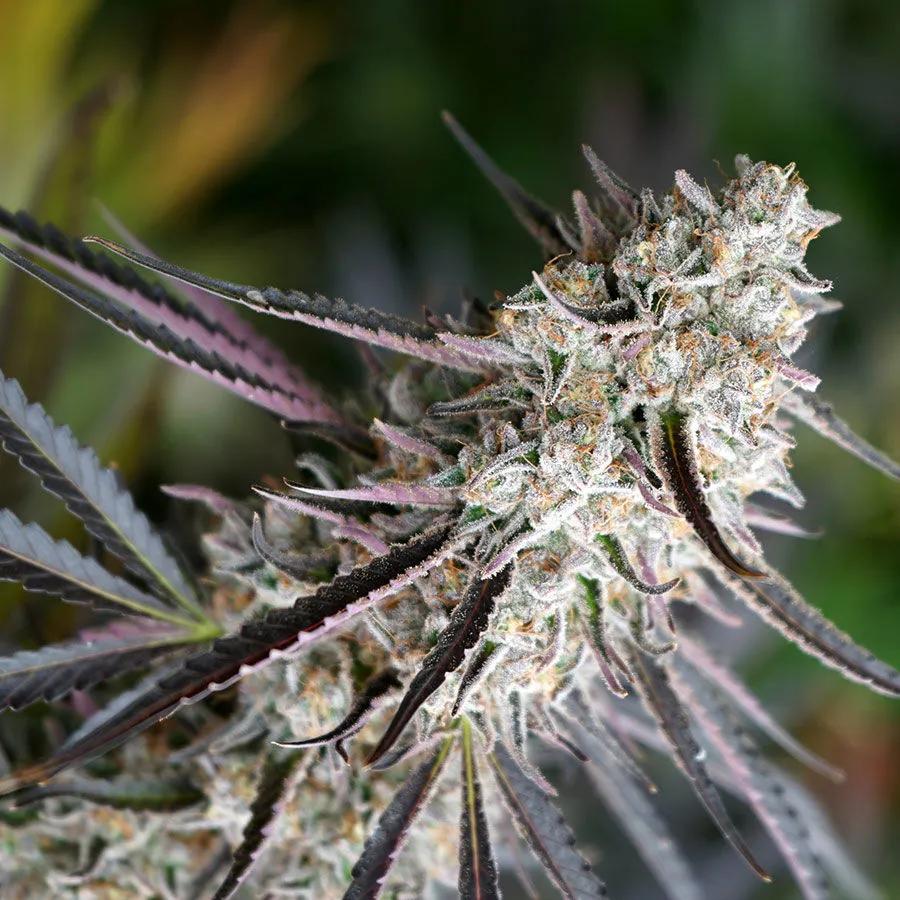
Peanut Butter Breath Fast Flowering (Humboldt Seed Organization)
Cannabis seeds
by Humboldt Seed Organization
Peanut Butter Breath Seeds — Nutty, Potent, and Perfectly Balanced
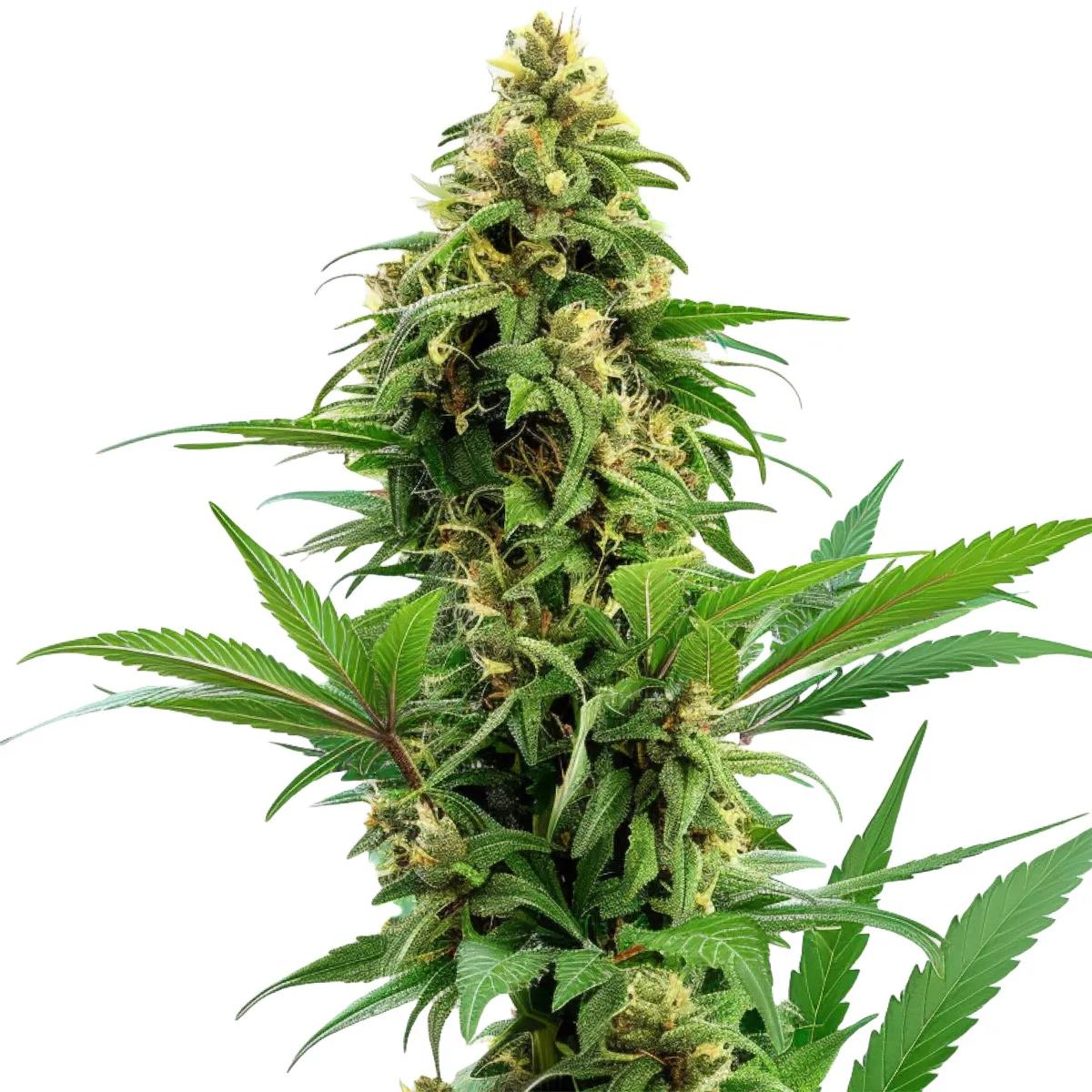
Peanut Butter Breath is a balanced hybrid cannabis seed strain that crosses Do-Si-Dos with Mendo Breath, delivering a creamy, nutty terpene profile and THC levels that typically land between 18% and 28%. The genetics lean 50/50 indica-sativa, which means you get structural variety in the grow room and a broad cannabinoid expression in the final flower. We've had customers come back specifically for this one after trying dozens of other strains — the flavour profile is genuinely distinctive.
Choosing Your Pack Size
If you're running a single tent or a small balcony grow, 3 seeds is enough to find a keeper phenotype. For a proper pheno hunt or filling out a 1.2m x 1.2m canopy, go with 5 or more. Peanut Butter Breath seeds tend to express two main phenotypes — one leaning more towards the Do-Si-Dos structure (compact, dense colas) and one favouring the Mendo Breath side (slightly stretchier, frostier). More seeds means better odds of finding exactly what you want.
Peanut Butter Breath Strain Genetics and Lineage
Peanut Butter Breath seeds carry genetics from two heavy-hitting parents: Do-Si-Dos (a Girl Scout Cookies x Face Off OG cross) and Mendo Breath (OG Kush Breath x Mendo Montage). That lineage stacks OG Kush, GSC, and Mendocino heritage into a single seed — which explains both the complex terpene profile and the resin production this strain is known for.
| Specification | Detail |
|---|---|
| Strain Name | Peanut Butter Breath |
| Breeder Lineage | Do-Si-Dos x Mendo Breath |
| Indica / Sativa Ratio | 50% Indica / 50% Sativa |
| THC Range | 18–28% |
| Indoor Yield | Approximately 250 g/m2 |
| Outdoor Yield | Up to 300 g per plant |
| Preferred Climate | Warm, Mediterranean-style |
| Difficulty | Intermediate |
| Aroma | Nutty, earthy, sweet with herbal undertones |
Growing Peanut Butter Breath Seeds Indoors and Outdoors
Peanut Butter Breath seeds perform well in both indoor and outdoor setups, though the strain does have preferences worth knowing about before you commit. Indoor yields sit around 250 grams per square metre — smaller than average compared to something like an OG Kush or a Skunk cross, but the quality-to-quantity ratio is excellent. Every gram is dense and caked in trichomes.
Indoors, keep your canopy temperature between 20–26°C during lights-on. This strain responds well to LST (low-stress training) and SCRoG netting because the 50/50 genetics produce plants that want to stretch but also bush out. Topping once during veg encourages a more even canopy. Humidity control matters here — the dense bud structure means airflow between colas is limited, so keep relative humidity below 50% during flower to avoid mould.
Outdoors, Peanut Butter Breath seeds want a warm, Mediterranean-style climate. If you're growing in Northern Europe, a greenhouse or polytunnel extends your season enough to let the plant finish properly. Expect harvest around mid-October outdoors, with yields up to 300 grams per plant in a good season. The plants stay medium-height, rarely exceeding 1.5 metres outside, which makes them manageable for balcony growers who need discretion.
What Does Peanut Butter Breath Smell and Taste Like?
Peanut Butter Breath seeds produce plants with one of the most recognisable aroma profiles in the current seed catalogue. Crack open a cured jar and you get an immediate hit of roasted peanuts — not artificial, more like actual peanut butter left open on the counter. Underneath that sits an earthy, almost mushroomy base note from the Mendo Breath side, with a sweet herbal finish that lingers.
The taste follows the nose closely. On the inhale, you get that nutty, creamy quality that gives the strain its name. The exhale brings out more of the earthy, slightly diesel undertone from the OG Kush ancestry buried in the genetics. It's one of those strains where people who don't normally comment on flavour will stop and say something. The terpene profile is dominated by caryophyllene and limonene, which contributes to both the spicy-sweet aroma and the strain's reported characteristics.
Peanut Butter Breath Effects and What Research Says
This guide is written for adults. The effects and characteristics described below apply to adult physiology; this strain is not appropriate for people under 18.
Peanut Butter Breath is widely reported to produce a balanced, full-body effect that starts in the head and settles into the limbs. The 50/50 indica-sativa split shows up clearly in how the strain expresses itself — initial mental clarity that gradually transitions into deep physical relaxation. With THC levels reaching up to 28% in some phenotypes, this is not a strain to underestimate. Start with a small amount and wait before increasing.
According to a review published in PMC, "Cannabis products are usually well tolerated, and the adverse effects are limited. A prospective study among patients with non-cancer pain showed a reduction" in reported symptoms (PMC, 2023). Research in this area is ongoing, and individual responses vary significantly based on tolerance, dose, and consumption method.
The most commonly reported unwanted effects are dry mouth, dry eyes, and short-term memory lapses. At higher doses, THC can cause nausea in some individuals. Smoking is strongly discouraged as a consumption method because pyrolysis products can damage the lungs and cause inflammation of the throat, nose, and airways. Vaporising at controlled temperatures is a less harmful alternative if inhalation is your preferred route.
Feeding and Nutrient Tips for Peanut Butter Breath
Peanut Butter Breath seeds grow into plants that are moderate feeders — they don't need the heavy nutrient schedules that some OG-dominant strains demand, but they do respond well to a structured feeding programme. Here's what we'd suggest based on what we've seen work:
- Start seedlings in a light, airy growing medium. Coco-perlite mixes (70/30) or a quality light-mix soil both work well. Avoid hot soils for the first two weeks — Peanut Butter Breath seedlings are sensitive to nutrient burn early on.
- During vegetative growth, feed at 50–75% of the manufacturer's recommended strength. The Mendo Breath genetics make these plants efficient nutrient processors. Overfeeding shows up fast as burnt leaf tips.
- Transition to bloom nutrients when you flip to 12/12. Increase phosphorus and potassium gradually. Cal-mag supplementation is worth adding if you're running coco, as this strain can show calcium deficiency around week 3–4 of flower.
- Flush for the final 7–10 days before harvest. The nutty terpene profile comes through much cleaner with a proper flush — without it, you get a harsher finish that masks the strain's best quality.
- Monitor pH closely: 5.8–6.2 in coco, 6.0–6.5 in soil. Peanut Butter Breath is less forgiving of pH swings than some hardier hybrids.
Honest Limitations — What to Watch Out For
No strain is without its quirks, and Peanut Butter Breath has a few worth mentioning before you buy. The yields are below average — 250 g/m2 indoors is respectable but won't compete with commercial strains pushing 500+. If you're growing for weight, this isn't your best option. If you're growing for quality and a genuinely unique terpene profile, the trade-off is worth it.
The dense bud structure is a double-edged sword. Beautiful to look at, excellent bag appeal, but it creates a microclimate inside each cola that mould loves. We've seen growers lose buds in the final two weeks of flower because they didn't keep humidity in check. A dehumidifier and proper air circulation aren't optional with this strain — they're part of the grow plan.
Compared to something like Durban Poison (a pure sativa that practically grows itself outdoors) or a straightforward Skunk Kush cross, Peanut Butter Breath asks more of the grower. We'd call it intermediate difficulty. Not your first grow, but not expert-only either. If you've successfully harvested two or three runs, you'll handle this fine.
Complete your Peanut Butter Breath grow setup with a carbon filter and extraction fan — the nutty terpenes on this strain are pungent from week 4 of flower onwards, and your neighbours will notice without proper filtration. A pH meter is also worth grabbing if you don't already own one, since this strain is particularly sensitive to pH fluctuations in the root zone.
Peanut Butter Breath Seeds Compared to Similar Strains
Choosing between Peanut Butter Breath and other popular strains comes down to what you value most — flavour, yield, or ease of growing. Here's how it stacks up:
| Strain | Genetics | THC | Indoor Yield | Difficulty | Standout Trait |
|---|---|---|---|---|---|
| Peanut Butter Breath | Do-Si-Dos x Mendo Breath | 18–28% | ~250 g/m2 | Intermediate | Unique nutty terpene profile |
| OG Kush | Chemdawg x Lemon Thai x Hindu Kush | 19–26% | ~400 g/m2 | Intermediate | Classic fuel-pine flavour, higher yield |
| Cinderella 99 | Jack Herer x Shiva Skunk | 18–22% | ~450 g/m2 | Easy | Fast flowering, fruity, beginner-friendly |
If yield is your priority, OG Kush or Cinderella 99 will outperform Peanut Butter Breath on weight alone. But neither of them produces that distinctive nutty, creamy flavour that makes Peanut Butter Breath a conversation starter. We'd pick Peanut Butter Breath for a personal stash grow where quality matters more than filling jars.
Frequently Asked Questions
How does Peanut Butter Breath make you feel?
Peanut Butter Breath is widely reported to produce an initial clear-headed mental effect that transitions into deep physical relaxation. The balanced 50/50 indica-sativa genetics mean it doesn't lean heavily in either direction. With THC levels up to 28%, start small and wait at least 30 minutes before considering more.
What does Peanut Butter Breath smell like?
The dominant aroma is roasted peanuts with an earthy, slightly sweet undertone. The Mendo Breath genetics add a mushroomy, herbal base note. During the final weeks of flowering, the smell is strong enough to require carbon filtration indoors. Caryophyllene and limonene are the primary terpenes driving the profile.
Is Peanut Butter Breath hard to grow?
We'd rate it intermediate. The dense bud structure makes it susceptible to mould if humidity isn't controlled, and it's sensitive to pH swings and overfeeding. If you've completed two or three successful grows, you'll manage fine. First-time growers might want to start with something more forgiving like Cinderella 99.
Why are Peanut Butter Breath yields lower than average?
Indoor yields of around 250 g/m2 are below average because the plant puts energy into resin and terpene production rather than bud mass. The trade-off is exceptional quality — dense, frosty buds with a complex flavour. Training techniques like SCRoG can help maximise what the plant gives you.
What are the side effects of Peanut Butter Breath?
The most commonly reported side effects are dry mouth and dry eyes. At higher doses, some users report short-term memory lapses or mild nausea. According to a review in PMC (2023), cannabis products are generally well tolerated with limited adverse effects. Staying hydrated and starting with a low dose reduces discomfort.
Can I grow Peanut Butter Breath outdoors in Northern Europe?
Yes, but a greenhouse or polytunnel is strongly recommended. The strain prefers warm, Mediterranean-style climates and finishes around mid-October. In Northern Europe without protection, early autumn rain and cool nights increase mould risk significantly given the dense bud structure. Outdoor yields reach up to 300 grams per plant in good conditions.
What is the best growing medium for Peanut Butter Breath?
Both coco-perlite (70/30 ratio) and light-mix soil work well. Coco gives you more control over feeding but requires cal-mag supplementation from around week 3 of flower. Soil is more forgiving for growers who prefer a less hands-on approach. Avoid nutrient-heavy "hot" soils during the seedling stage.
Last updated: April 2026
Related products



You might also like

Medical disclaimer. This content is for informational purposes only and does not constitute medical advice. Consult a qualified healthcare provider before use of any substance.