Cannabis seeds
by Azarius
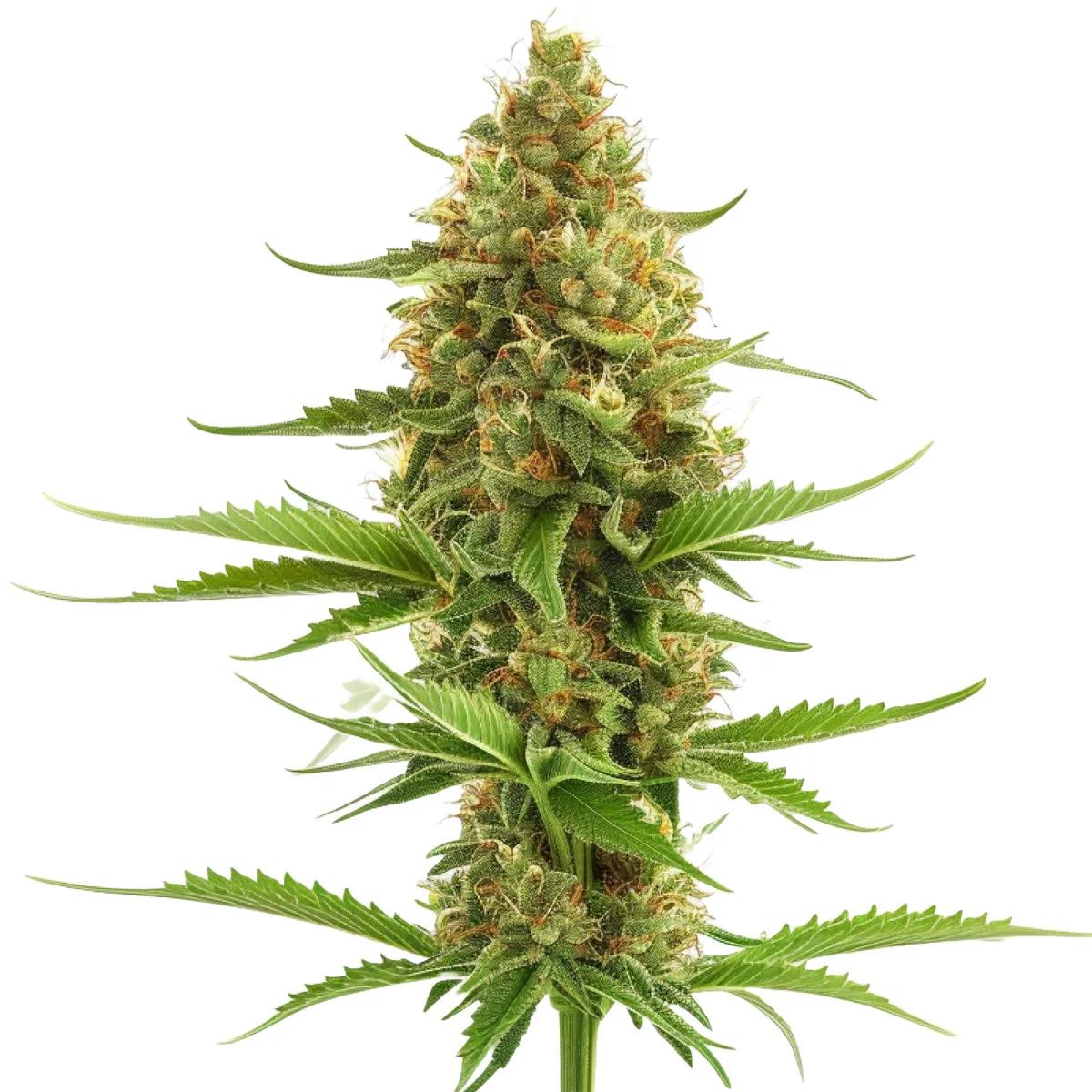
Sunny Spike F1 is an autoflowering F1 hybrid cannabis seed that crosses Pineapple Express with Lemon Kush, delivering 20–25% THC in a compact plant that finishes in 60 days flat. No light schedule changes, no photoperiod fussing — germinate, grow under 20/4 lighting, and chop. The mostly indica genetics keep things short at 50–70 cm while pumping out dense, resinous buds that smell like someone left a bowl of tropical fruit in direct sunlight. If you've got a small tent and zero patience for long flowering windows, this is where you start.
Sunny Spike F1 seeds come in packs of 1, 3, 6, or 9. Three seeds fills a 60x60 or 80x80 tent nicely — enough canopy to get a proper feel for the strain without overcrowding. The 9-pack is the best value per seed and makes sense if you're running successive harvests or filling a 120x120 space. One seed is there for the grower who wants to test-drive the genetics before committing to a full run.
| Pack | SKU | Best For |
|---|---|---|
| 1 seed | A01004401 | Test run — see if you like the genetics |
| 3 seeds | A01004403 | 60x60 or 80x80 tent, solid first grow |
| 6 seeds | A01004406 | 100x100 tent or two successive runs |
| 9 seeds | A01004409 | Best per-seed value, larger spaces, rolling harvests |
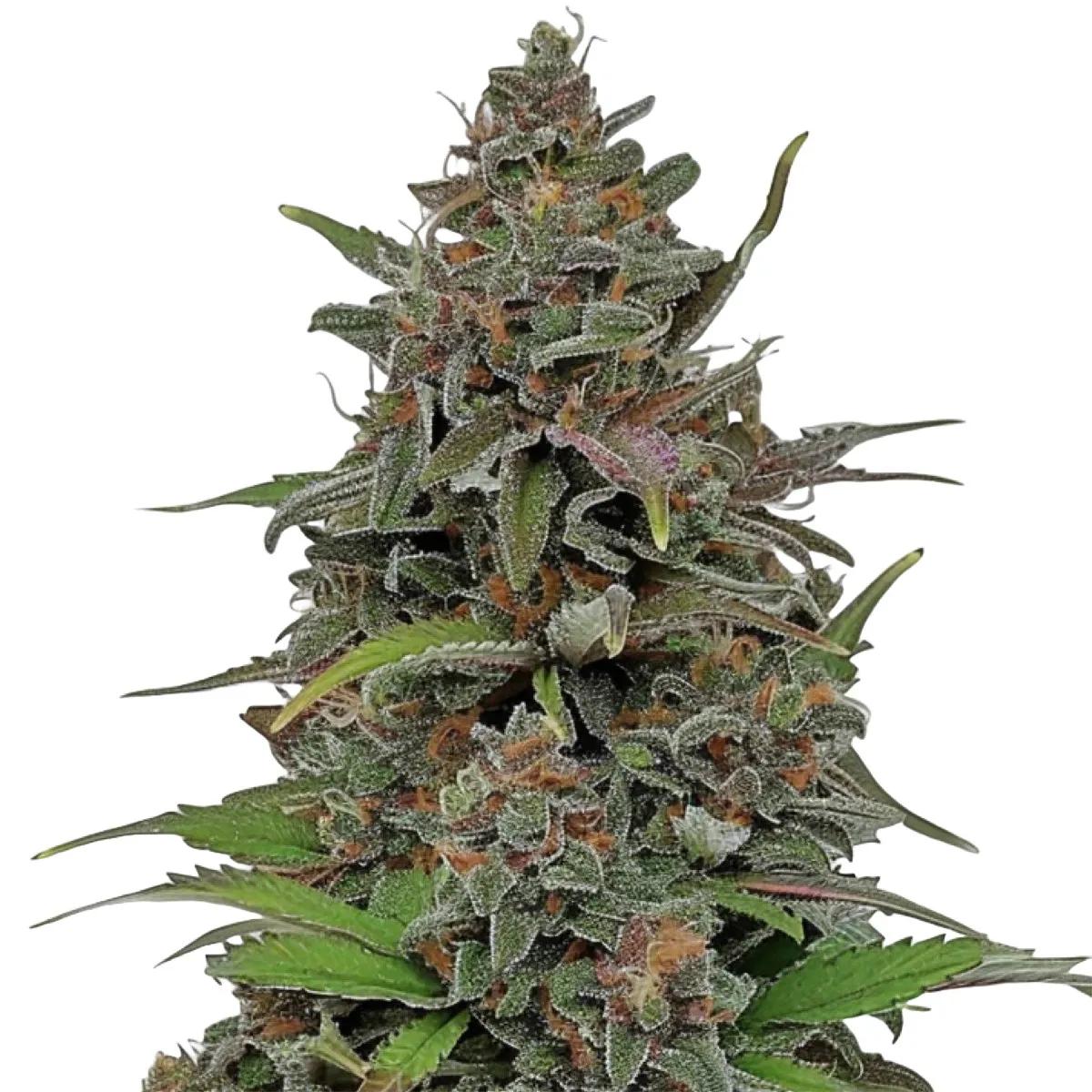
Crack open a cured bud and the first thing that hits you is bright, zesty citrus — somewhere between fresh lemon peel and ripe pineapple skin. That Pineapple Express parentage comes through loud and clear on the inhale: tropical, sweet, almost juicy. The Lemon Kush side rounds things out on the exhale with earthy, slightly spicy undertones that stop Sunny Spike F1 from being a one-note fruit bomb. In a dry herb vaporiser at around 185–190°C, the terpene profile really opens up — you get layered citrus top notes with a warm, peppery finish that lingers. Through a joint or bong, the sweetness is more forward and the earthiness sits underneath.
The dominant terpenes here are limonene (that sharp citrus punch), myrcene (the earthy, slightly musky base), and caryophyllene (the peppery spice on the exhale). If you've grown Pineapple Express before, the tropical side will feel familiar — but the Lemon Kush cross adds a tartness and depth that the original parent doesn't have on its own.
F1 hybrids are a different animal from regular or even feminised seeds. The "F1" means first filial generation — the direct cross between two stable, inbred parent lines. The result is hybrid vigour (heterosis), which in practical terms means Sunny Spike F1 plants grow more uniformly, finish faster, and resist stress better than non-hybrid equivalents. You're not rolling the dice on phenotype variation — every seed in the pack expresses near-identical growth patterns, height, and bud structure.
For small-space growers, that uniformity is gold. Three Sunny Spike F1 plants in an 80x80 tent will form an even canopy at roughly the same height, which means your light covers all of them properly instead of one stretching into the bulb while another stays squat. The 50–70 cm height range means you don't need a tall tent — a 160 cm model gives you plenty of headroom for light, filter, and plant combined.
The 60-day seed-to-harvest cycle is genuinely fast, even by autoflower standards. Most autos run 70–85 days. Sunny Spike F1 shaves a week or more off that, which means you can fit more runs per year into the same space. In a 12-month period, you could realistically pull six harvests from the same tent — that's the kind of maths that makes the 9-pack worth it.
Autoflowering F1 hybrids are about as close to "set and forget" as cannabis growing gets. Sunny Spike F1 doesn't need a 12/12 light flip to trigger flowering — it transitions on its own internal clock, usually around day 20–25 from germination. Here's how we'd run it:
| Specification | Detail |
|---|---|
| Seed Type | Autoflowering F1 Hybrid |
| Genetics | Pineapple Express x Lemon Kush |
| Indica / Sativa | Mostly Indica |
| THC | 20–25% |
| Seed to Harvest | 60 days |
| Plant Height | 50–70 cm |
| Light Schedule | 20/4 or 18/6 (no change needed) |
| Recommended Pot Size | 7–11 litres |
| Pack Sizes | 1, 3, 6, or 9 seeds |
Running Sunny Spike F1 in a tent? Pair it with a complete grow kit that includes lighting, ventilation, and a carbon filter — the dense buds on this strain are aromatic, and your neighbours will notice without proper extraction. A fabric pot set in 7 or 11 litre sizes gives the roots room to breathe without overwatering issues common in plastic containers.
F1 hybrid cannabis seeds are the result of crossing two stable, inbred parent lines — in this case, a stabilised Pineapple Express line with a stabilised Lemon Kush line. The offspring (F1 generation) inherit hybrid vigour, which translates to faster growth, stronger stress resistance, and remarkably uniform plants. Where a pack of regular feminised seeds might give you three different phenotypes with varying heights and flowering times, Sunny Spike F1 seeds produce plants that look and behave almost identically.
That consistency matters more than most growers realise. If you're running a small tent with limited headroom, having one plant stretch to 90 cm while another stays at 50 cm creates an uneven canopy and wastes light. With F1 hybrids, your canopy stays flat and your light covers everything evenly. The 20–25% THC range is also more consistent across plants — you're not getting one 25% monster and one 15% runt.
The honest limitation: F1 seeds cost more per seed than standard feminised or regular seeds. That's the trade-off for the breeding work behind them. You also can't breed from F1 plants and expect the same results — the F2 generation loses that uniformity. These are seeds you grow, harvest, and enjoy. If you want to pheno-hunt, standard feminised seeds are a better fit. If you want reliable, fast, uniform results from every seed in the pack, Sunny Spike F1 is the smarter buy.
We've had growers come back saying the 60-day timeline is accurate to within a few days — some chop at day 58, others stretch to 63, but nobody's waiting 80 days like with some "fast" autos we've seen. The compact size makes it a strong pick for balcony growers or anyone working with a tent under 160 cm tall. Three plants in an 80x80 is the sweet spot we'd recommend — you get a full canopy without the plants competing for light.
One thing to watch: the dense bud structure means humidity control during the final two weeks of flower is non-negotiable. We've seen growers in humid climates lose buds to botrytis (bud rot) because they didn't run a dehumidifier or keep airflow moving. If your grow space sits above 60% relative humidity, invest in extraction or a small dehumidifier. The buds are too good to lose to mould.
No. Sunny Spike F1 is autoflowering — it transitions from vegetative growth to flower on its own internal clock, typically around day 20–25. Run 20/4 or 18/6 lighting from germination through harvest without any changes.
Yield depends on your setup, but the F1 hybrid vigour means Sunny Spike F1 produces denser buds than most standard autoflowers of similar size. In a well-lit 80x80 tent with three plants, expect a solid return relative to the 50–70 cm plant height. F1 hybrids generally out-yield their non-hybrid equivalents thanks to heterosis.
Yes. The autoflowering genetics mean it doesn't depend on seasonal light changes. Plant after the last frost, and it'll finish in roughly 60 days regardless of day length. The 50–70 cm height keeps it discreet on a balcony or in a garden bed. Watch humidity in the final weeks — those dense buds need airflow.
F1 hybrids are the first-generation cross of two stable inbred parent lines, giving them hybrid vigour — faster growth, better stress resistance, and near-identical plants from every seed. Regular feminised seeds can show more phenotype variation, with different heights, flowering times, and potency levels across a pack.
F1 hybrid breeding has closed the gap between autoflower and photoperiod potency. The Pineapple Express and Lemon Kush parent lines both carry strong THC genetics, and the F1 cross locks that in more consistently than standard auto seeds. Actual THC will vary with growing conditions, but 20–25% is a realistic range for a well-run grow.
Two to three plants in 7-litre pots. The 50–70 cm height and compact structure suit small tents well. Three is tight but works if you keep pots close and let the canopy fill naturally. For more breathing room, go with two plants and slightly larger 11-litre pots.
Technically yes, but it's not practical. Autoflowering plants don't give you enough vegetative time to root a clone before the plant starts flowering. And F1 genetics don't breed true in the next generation — seeds from an F1 plant won't produce the same uniform results. Treat each seed as a single-run grow.
Last updated: April 2026
Medical disclaimer. This content is for informational purposes only and does not constitute medical advice. Consult a qualified healthcare provider before use of any substance.