
Dutch Autoflower
Cannabis seeds
by Spliff Seeds
Dutch Autoflower Seeds by Spliff Seeds
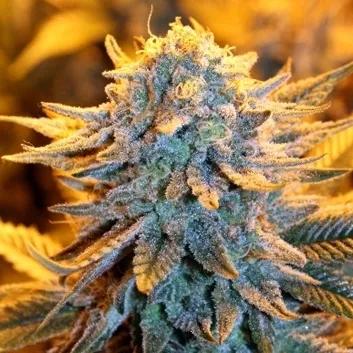
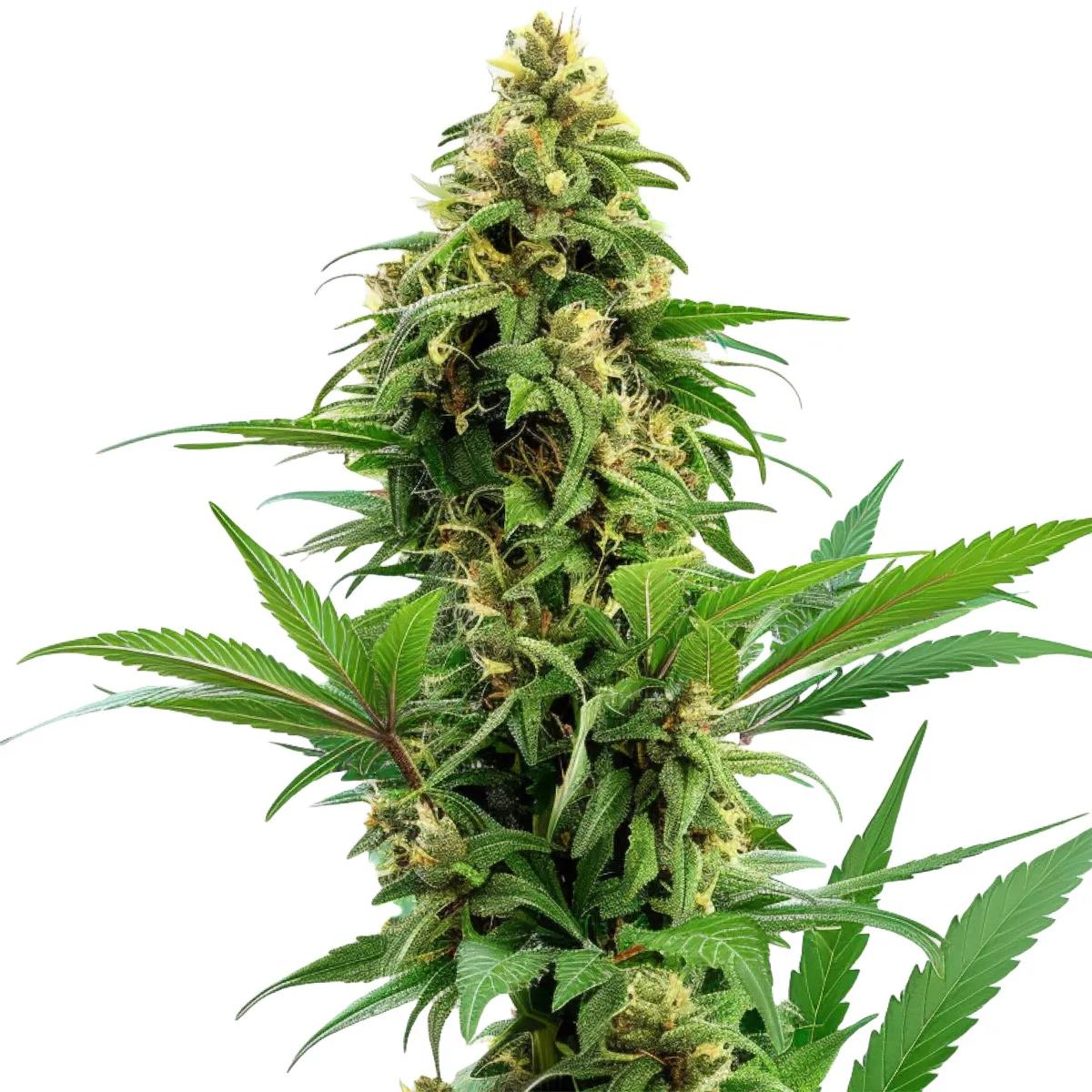
Dutch Autoflower is a feminized autoflowering cannabis seed from Spliff Seeds that completes its entire lifecycle — germination to harvest — in just 10-11 weeks. Built on a genetic backbone of Ruderalis, Northern Light, Santa Maria, and Afghani Gold, this compact plant stays between 40 and 75cm tall, making it one of the best autoflower seeds for small grow spaces, balconies, and micro tents where headroom is limited.
Why Grow Dutch Autoflower Seeds
Speed is the main draw. Most photoperiod strains need 4-5 months of care before you see a single mature bud. Dutch Autoflower wraps the entire cycle into roughly 11 weeks — germination, veg, flower, chop. That's done before some photoperiod plants even flip. The Ruderalis genetics handle the light-cycle timing automatically, so you don't need to fuss with timers or blackout schedules.
The Northern Light parentage is what separates this from the average budget autoflower. It brings genuine cold tolerance — something most autoflowering genetics lack — meaning you can grow these outdoors in northern European climates without watching the weather forecast every morning. We've heard from growers in Amsterdam and the UK who pulled decent harvests off balcony plants that barely caught direct sun. Not record-breaking yields, but solid for the effort involved.
The Afghani Gold and Santa Maria genetics round out the profile with dense bud structure and a floral, fruity Skunk aroma. When you crack a jar of dried Dutch Autoflower, you get that classic sweet-skunky nose with a fruit undertone — not the most complex terpene profile in the catalogue, but honest and recognisable. The effect leans heavy indica: full couch-lock, body-heavy, the kind of stone that makes you forget you were going to do something productive tonight.
Dutch Autoflower Seeds — What to Expect
These are compact plants. At 40-75cm, you're looking at something that fits comfortably in a 60x60cm tent or a balcony corner behind a tomato plant. The crystal coating on the buds is noticeable — trichome production is solid for an autoflower at this price point, and the resin gives off that sticky, aromatic quality when you handle the colas during trim.
Yield sits at 15-35g per plant. That's an honest range — the lower end reflects minimal-effort balcony grows with limited light, and the upper end is what you'd get in a properly lit tent with decent nutrition. If you're expecting 100g plants, this isn't the seed for you. But if you want a fast turnaround with minimal fuss, 5 plants at 25-30g each gives you a respectable personal stash in under 3 months.
One honest limitation: autoflowers don't give you a second chance. If you stress the plant badly during weeks 2-4 — overwatering, nutrient burn, root damage from transplanting — it won't recover the way a photoperiod plant can. The clock is ticking regardless. Our advice: start Dutch Autoflower seeds in their final pot. Don't transplant. A 7-11 litre pot is the sweet spot.
Growing Dutch Autoflower Seeds Indoors and Outdoors
Indoors, run your lights on an 18/6 or 20/4 schedule from day one through harvest. Since Dutch Autoflower doesn't depend on light-cycle changes to trigger flowering, you can keep the lights on longer without penalty. A small LED panel — even 100-150W — is enough for 2-4 of these plants in a 60x60 or 80x80 tent.
Outdoors, plant after the last frost and expect harvest roughly 10-11 weeks later. In the Netherlands, that means sowing in late April or May gives you a July-August harvest — well before autumn rains become a problem. The Northern Light genetics handle cool nights down to about 10°C without visible stress, which is more than most autoflowers can claim. Scandinavian growers have reported success even with limited summer daylight hours, thanks to the Ruderalis component ignoring photoperiod entirely.
Feeding should be light. Autoflowers in general don't tolerate heavy nutrient schedules — their root systems are smaller and their lifecycle is too short to recover from lockout. Start at half the manufacturer's recommended dose and increase only if the plant asks for it. Pale lower leaves during flower? Bump the nitrogen slightly. Dark, clawing tips? Back off immediately.
| Specification | Detail |
|---|---|
| Seed Bank | Spliff Seeds |
| Seed Type | Feminized Autoflower |
| Genetics | Ruderalis x Northern Light x Santa Maria x Afghani Gold |
| Seed to Harvest | 10-11 weeks |
| Plant Height | 40-75cm |
| Yield Per Plant | 15-35g |
| Effect | Heavy indica, body-focused |
| Aroma | Floral, fruity Skunk |
| Seeds Per Pack | 5 |
| Cold Tolerance | Above average (Northern Light parentage) |
| Recommended Pot Size | 7-11 litres |
| Light Schedule (Indoor) | 18/6 or 20/4 throughout |
Dutch Autoflower Seeds Compared to Other Autoflowers
If you're weighing up options, here's how Dutch Autoflower stacks up against two other popular compact autoflowers in our catalogue.
| Feature | Dutch Autoflower (Spliff Seeds) | Northern Light Auto | Afghani Auto |
|---|---|---|---|
| Seed to Harvest | 10-11 weeks | 11-13 weeks | 9-10 weeks |
| Height | 40-75cm | 80-120cm | 60-90cm |
| Yield Per Plant | 15-35g | 40-80g | 30-50g |
| Cold Tolerance | Good | Good | Moderate |
| Effect | Heavy indica | Heavy indica | Heavy indica |
| Best For | Tiny spaces, balconies | Tents with more headroom | Fast turnaround |
Dutch Autoflower wins on compactness. If your growing space has a hard height limit — a windowsill, a micro tent, a shelf grow — this is where you start. If you've got a full-size tent and want bigger yields, a Northern Light Auto will outproduce it, but it also needs more vertical space. The trade-off is straightforward.
Complete your grow setup with a small tent and basic LED panel if you're running Dutch Autoflower seeds indoors. A 60x60cm grow tent paired with a compact LED and a carbon filter kit gives these short plants everything they need without taking over your spare room. For outdoor grows, a fabric pot in the 11-litre range keeps root temperatures stable and drainage consistent.
How to Grow Dutch Autoflower Seeds
- Germinate your Dutch Autoflower seeds using the paper towel method or directly in a moist growing medium. Taproots typically appear within 24-72 hours.
- Plant the germinated seed directly into its final pot — 7 to 11 litres. Transplanting stunts autoflowers because they can't pause their internal clock to recover.
- Use a light, airy growing medium. A mix of coco coir and perlite (70/30) works well, or a light potting soil without slow-release fertiliser.
- Keep the light schedule at 18 hours on, 6 hours off (or 20/4 if you want to push growth). No need to change the schedule at any point.
- Water sparingly during the first two weeks. The seedling's root system is tiny — overwatering is the number one killer at this stage.
- Begin feeding at half strength around week 3, when the plant has 3-4 sets of true leaves. Increase gradually only if the plant responds well.
- Flowering begins automatically around weeks 4-5. Switch to a bloom nutrient and reduce nitrogen.
- Watch the trichomes from week 8 onward. Harvest when roughly 70-80% of trichomes have turned milky with a few amber ones appearing — this gives the heaviest indica effect.
- Dry in a dark, ventilated space at 18-21°C for 7-10 days, then cure in glass jars for at least 2 weeks before sampling.
Related products



You might also like

Medical disclaimer. This content is for informational purposes only and does not constitute medical advice. Consult a qualified healthcare provider before use of any substance.