
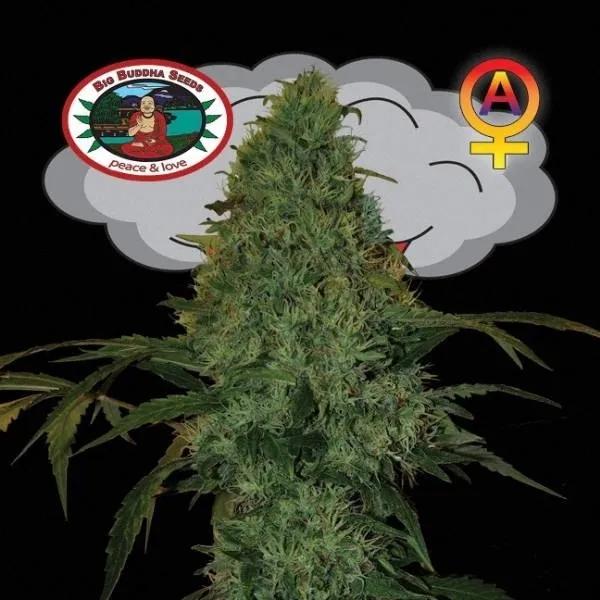
Critical Mass Autoflower
Cannabis seeds
by Big Buddha Seeds
Critical Mass Autoflower Cannabis Seeds
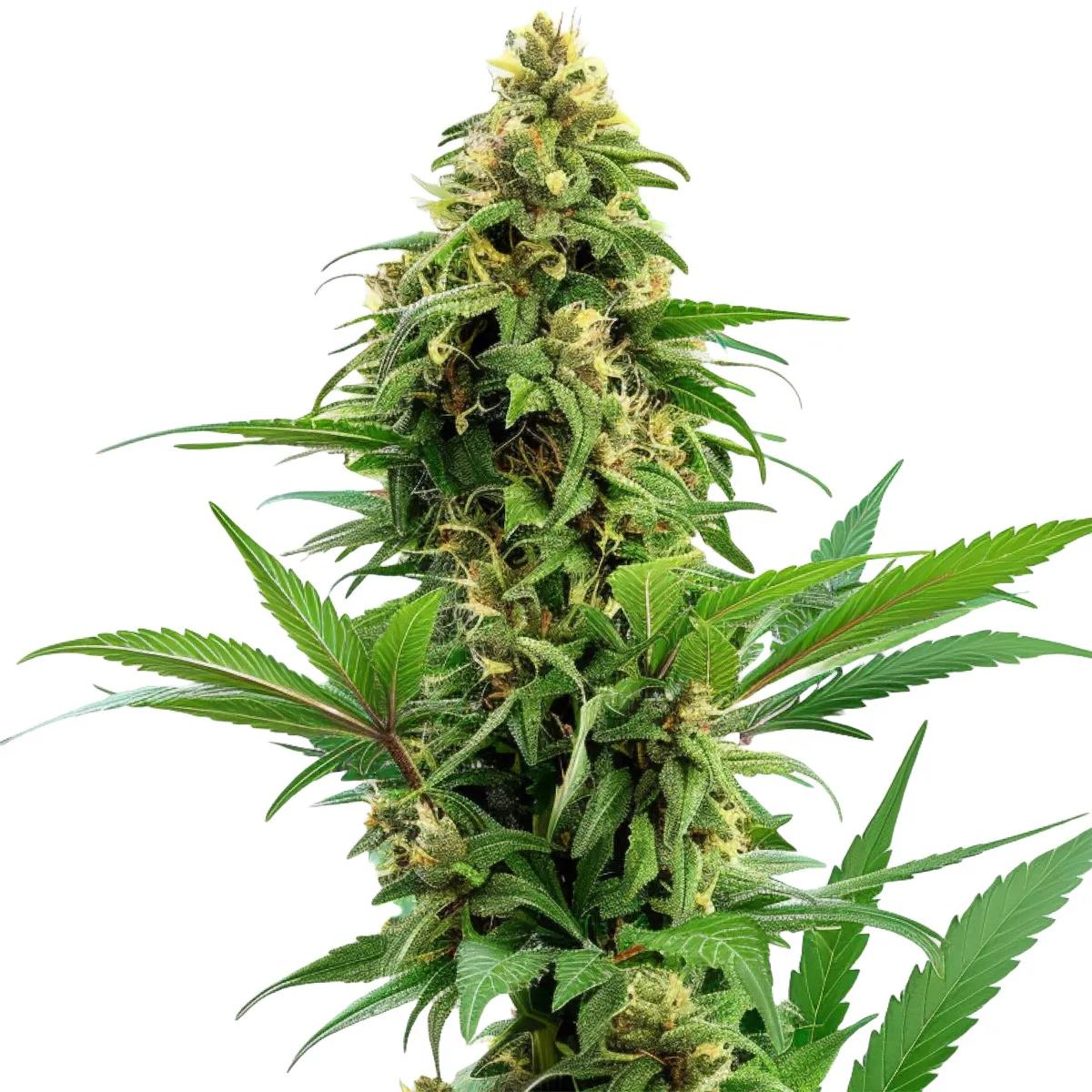
Critical Mass Autoflower is a feminised autoflowering cannabis seed from Big Buddha Seeds that produces dense, indica-dominant buds in 9–12 weeks from seed to harvest. Built from a cross of Big Buddha's own 3rd generation autoflower genetics and the legendary Critical Mass — a strain that's been filling jars since the early 2000s — this one stays compact, flowers without any light schedule changes, and still throws out the kind of heavy, resinous colas you'd expect from a full-size photoperiod plant. Five feminised seeds per pack, no variant fuss.
What Makes Critical Mass Autoflower Worth Growing
Big Buddha Seeds have been breeding accessible, high-performing genetics for years, and Critical Mass Autoflower is a solid example of that approach. The original Critical Mass photoperiod strain earned its reputation for ridiculous flower production — branches bending under the weight of fat, sticky colas. The autoflower version keeps that density and resin output but strips away the complexity. No 12/12 light flip, no separate veg and bloom phases. You drop the seed, give it light and water, and roughly 9–12 weeks later you're trimming.
The plant stays short — typically in the 80–120cm range indoors — which makes it a genuinely practical option for small tents, cupboard grows, or a balcony where discretion matters. Outdoors, expect upwards of 150 grams per plant. That's a strong result for an autoflower, especially one that finishes this quickly. The genetics lean roughly 80% indica and 20% sativa, so the growth pattern is bushy and compact rather than tall and stretchy.
One honest note: autoflowers don't respond well to high-stress training techniques like topping or heavy defoliation. If you're used to aggressive canopy management with photoperiod plants, ease off here. Low-stress training (LST) — gently bending stems to open up the canopy — works well and can bump yields without stressing the plant into stunting. That's the main trade-off with autos: they're forgiving on the light schedule but less forgiving if you manhandle them.
Critical Mass Autoflower Terpene Profile and Flower Character
Crack open a cured bud of Critical Mass Autoflower and the first thing that hits you is hash. Not subtle — a proper old-school hash scent, the kind you'd associate with a well-pressed Moroccan block. Underneath that, there's a layer of spicy fruit, almost like dried figs with a pepper edge. The terpene profile leans towards myrcene and caryophyllene, which accounts for that earthy, peppery backbone. According to research published in the journal Molecules, beta-myrcene in hemp varieties has been noted for its significant anti-inflammatory properties in human chondrocytes (PMC11085560). The entourage effect — where cannabinoids and terpenes work together rather than in isolation — is well-documented; pioneering work by Fischedick and Hazekamp et al. demonstrated as early as 2010 that terpenes are present in meaningful quantities in dried cannabis flowers (PMC11870048).
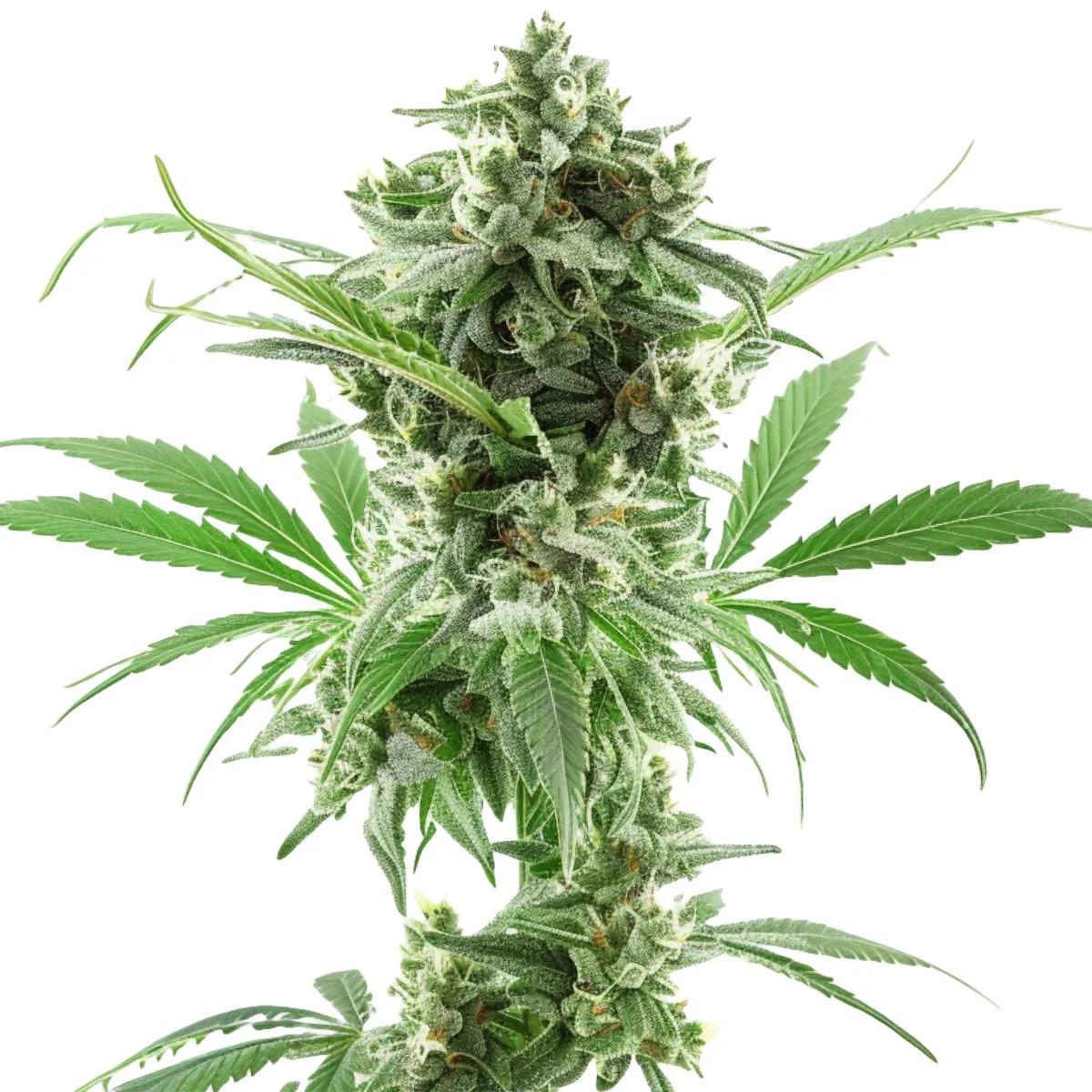
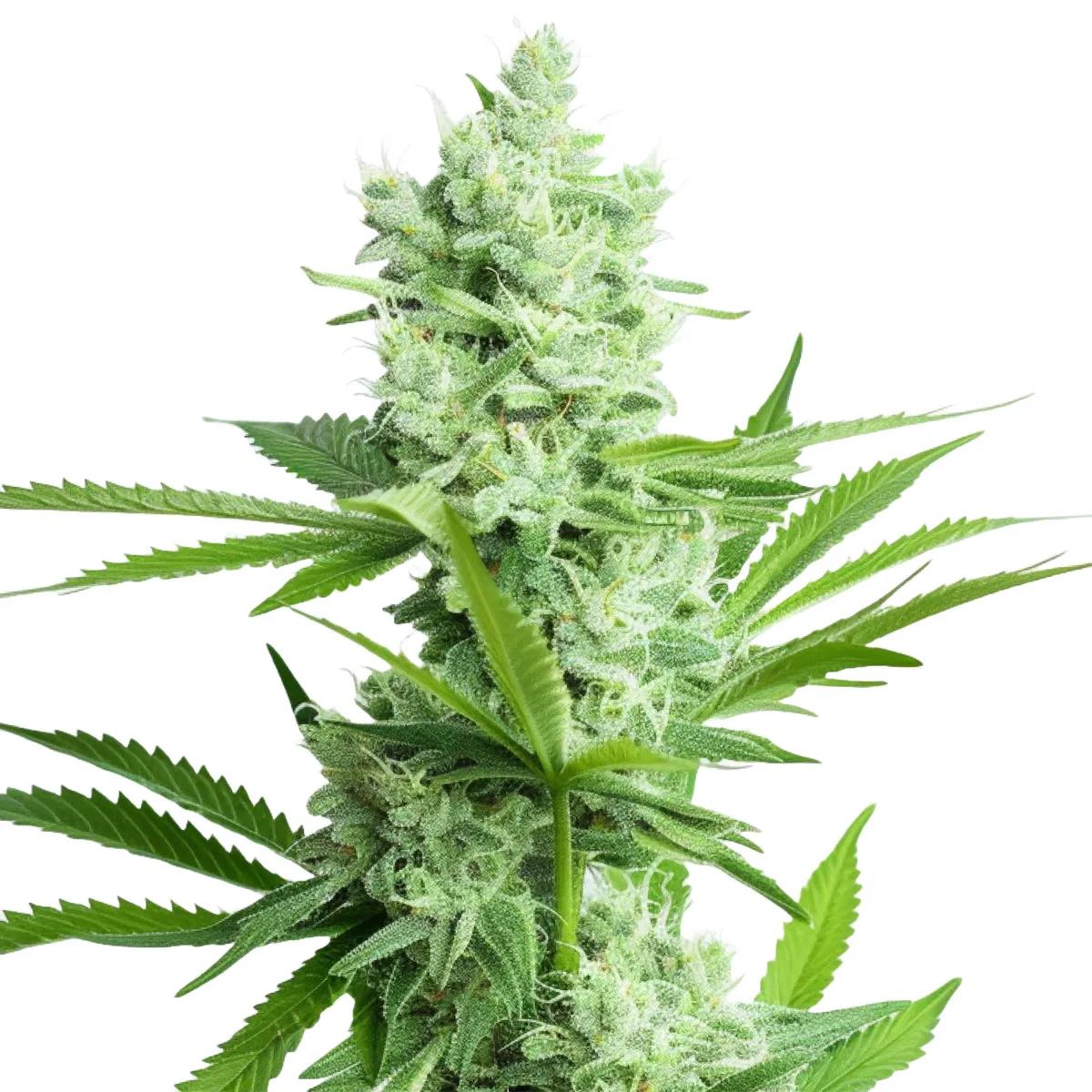
The flowers themselves are dense and compact, coated in a visible layer of trichomes. When you squeeze a dried bud between your fingers, it's sticky — the resin production on this strain is genuinely above average for an autoflower. Typical THC content for Critical Mass genetics sits around 15–18%, with CBD levels reported between 3–8% depending on the phenotype and growing conditions. That CBD presence is worth noting — it's higher than most recreational strains and may contribute to a more rounded cannabinoid profile.
| Specification | Detail |
|---|---|
| Seed Bank | Big Buddha Seeds |
| Seed Type | Feminised Autoflower |
| Genetics | Critical Mass x Big Buddha 3rd Gen Auto |
| Dominant Type | Indica (~80% Indica / 20% Sativa) |
| Seed to Harvest | 9–12 weeks |
| Indoor Height | 80–120 cm |
| Outdoor Yield | 150g+ per plant |
| THC Range | 15–18% (typical for Critical Mass genetics) |
| CBD Range | 3–8% (phenotype-dependent) |
| Terpene Profile | Hash, spicy fruit, pepper (myrcene, caryophyllene) |
| Seeds Per Pack | 5 feminised seeds |
| SKU | CSBB0015 |
How to Grow Critical Mass Autoflower Seeds
This is a straightforward grow — that's the whole point of autoflowers. But a few specifics will help you get the most out of these seeds rather than just getting by.
- Germinate your seeds. Soak seeds in a glass of room-temperature water for 12–24 hours until they sink. Then transfer to damp kitchen paper between two plates. Taproots usually appear within 24–72 hours.
- Plant directly into the final container. Autoflowers don't like being transplanted — the root shock can stunt growth and cost you yield. Use an 11–15 litre pot from the start. Fabric pots (geotextile grow bags) work particularly well because they air-prune the roots and prevent circling.
- Use a light, well-draining medium. A mix of coco coir and perlite (70/30) or a light potting soil with added perlite keeps the roots oxygenated. Heavy, waterlogged soil is the fastest way to slow down an autoflower.
- Set your light schedule to 18/6 or 20/4. Because autoflowers don't depend on light cycle changes to flower, you can run long light hours from seed to harvest. 18 hours on, 6 hours off is the most common schedule and gives the plant a rest period without sacrificing much growth.
- Feed lightly. Autoflowers are smaller plants with a shorter life cycle — they don't need the heavy feeding regime of a photoperiod strain. Start nutrients at half strength and increase only if the plant looks hungry. Overfeeding is more common than underfeeding with autos.
- Apply low-stress training (LST) from week 2–3. Gently bend the main stem sideways and secure it with soft plant ties. This opens the canopy, lets light reach lower bud sites, and can noticeably increase your final yield. Avoid topping or any technique that removes plant material.
- Watch for heavy colas in late flower. Critical Mass genetics are known for producing buds that can literally snap branches. Support heavy branches with bamboo stakes or a trellis net from week 6 onwards. This is a real issue with this strain, not just marketing hype — we've seen growers lose branches to their own success.
- Harvest when trichomes turn milky-white. Use a jeweller's loupe or digital microscope to check trichome colour. Mostly milky with a few amber heads gives you the full indica character. All-clear trichomes means you're too early.
Critical Mass Autoflower Compared to Other Big Buddha Autos
If you're looking at Big Buddha Seeds' autoflower lineup and wondering where Critical Mass Autoflower fits, here's the short version: it's the yield-focused option. Big Buddha's Cheese Automatic leans more towards flavour and that distinctive sour funk, but it produces less per plant. Critical Mass Autoflower won't give you the same terpene complexity as the Cheese, but it'll fill your jars faster. For growers who want weight and density over exotic flavour profiles, Critical Mass is the stronger pick.
Compared to photoperiod Critical Mass seeds, the autoflower version trades some yield potential for speed and simplicity. A well-grown photoperiod Critical Mass can produce significantly more per plant, but it also needs 8+ weeks of flowering on top of a separate vegetative period, plus a dedicated 12/12 light schedule. The autoflower gets you from seed to harvest in the same total time the photoperiod would spend just flowering.
| Feature | Critical Mass Autoflower | Critical Mass Photoperiod |
|---|---|---|
| Seed to Harvest | 9–12 weeks total | 16–20+ weeks (veg + 8 weeks flower) |
| Light Schedule | 18/6 throughout | 18/6 veg, 12/12 flower |
| Outdoor Yield | 150g+ per plant | 300g+ per plant |
| Height | 80–120 cm | 120–180 cm |
| Complexity | Low — no light flip needed | Moderate — requires light management |
| Training Tolerance | LST only | Topping, FIM, HST all viable |
Complete your setup: If you're growing Critical Mass Autoflower indoors, pair these seeds with a fabric grow bag for better root development and a complete grow tent kit that includes ventilation — those dense, resinous buds will produce a strong scent from week 6 onwards, and a carbon filter isn't optional. For outdoor growers, a simple plant support net will save you from broken branches when those heavy colas start weighing down.
Why Critical Mass Autoflower Seeds Deserve a Spot in Your Grow
The problem with a lot of autoflower genetics is that they compromise too much. You get speed and simplicity, but the buds are airy, the yields are disappointing, and the whole thing feels like a consolation prize compared to running photoperiods. Critical Mass Autoflower doesn't have that problem. Big Buddha Seeds used their 3rd generation auto genetics — three generations of stabilisation to get the autoflowering trait locked in without losing the flower quality of the original Critical Mass.
The result is a plant that genuinely delivers indica-grade density in an autoflower format. The buds are tight, the resin production is visible to the naked eye, and the hash-forward terpene profile smells like it belongs on a photoperiod plant. At 150g+ per plant outdoors and a 9–12 week total cycle, you can realistically run two or even three rounds in a single outdoor season depending on your climate. Indoors, the compact size means you can fit 4–6 plants in an 80x80cm tent without them fighting for space.
The one thing this strain isn't: a terpene showpiece. If you're chasing exotic flavour profiles — gas, candy, tropical fruit — look elsewhere. Critical Mass Autoflower tastes like what it is: a classic indica with hash and spice. That's exactly what a lot of growers want, but it's worth knowing upfront.
Frequently Asked Questions
How long does Critical Mass Autoflower take from seed to harvest?
9–12 weeks from germination to harvest. Most plants are ready to chop around week 10. Check trichome colour with a loupe rather than counting days — environmental conditions can shift the timeline by a week or two.
Can I top Critical Mass Autoflower plants?
We'd advise against it. Autoflowers have a fixed life cycle and don't have time to recover from high-stress techniques like topping. Stick to low-stress training — bending and tying stems — for the best results without risking stunted growth.
What yield can I expect from Critical Mass Autoflower outdoors?
Big Buddha Seeds rates outdoor yields at 150g+ per plant. In a good climate with proper feeding, some growers push past that. Indoors under strong lighting, yields vary more depending on pot size and light intensity, but the genetics are built for density over stretch.
Is Critical Mass Autoflower suitable for beginner growers?
Yes — it's one of the more forgiving autoflowers available. No light schedule changes needed, compact enough for small spaces, and the indica growth pattern means less pruning and training than sativa-leaning strains. Just don't overfeed or overwater.
Do Critical Mass Autoflower plants smell strongly during flowering?
Yes, significantly. The hash-forward terpene profile produces a strong, spicy aroma from mid-flower onwards. If you're growing indoors, a carbon filter is essential — not a nice-to-have. Outdoors, nearby neighbours will notice without some distance or natural screening.
What's the best pot size for Critical Mass Autoflower?
11–15 litres is the sweet spot. Smaller pots restrict root growth and limit yield; larger pots are wasted on an autoflower that finishes in 10 weeks. Plant directly into the final container — don't transplant.
Does Critical Mass Autoflower contain CBD?
Critical Mass genetics typically produce 3–8% CBD alongside 15–18% THC. That's higher than most recreational strains. According to a complete review of cannabis seed phenolic compounds, Critical Mass varieties from different growing regions show varied phytochemical profiles (PMC12990579).
Last updated: April 2026
Related products



You might also like

Medical disclaimer. This content is for informational purposes only and does not constitute medical advice. Consult a qualified healthcare provider before use of any substance.