
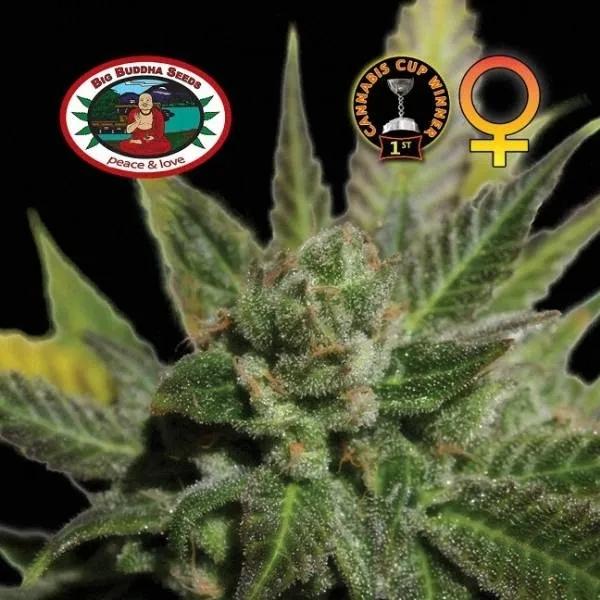
Big Buddha Cheese
Cannabis seeds
by Big Buddha Seeds
Big Buddha Cheese Feminized Seeds
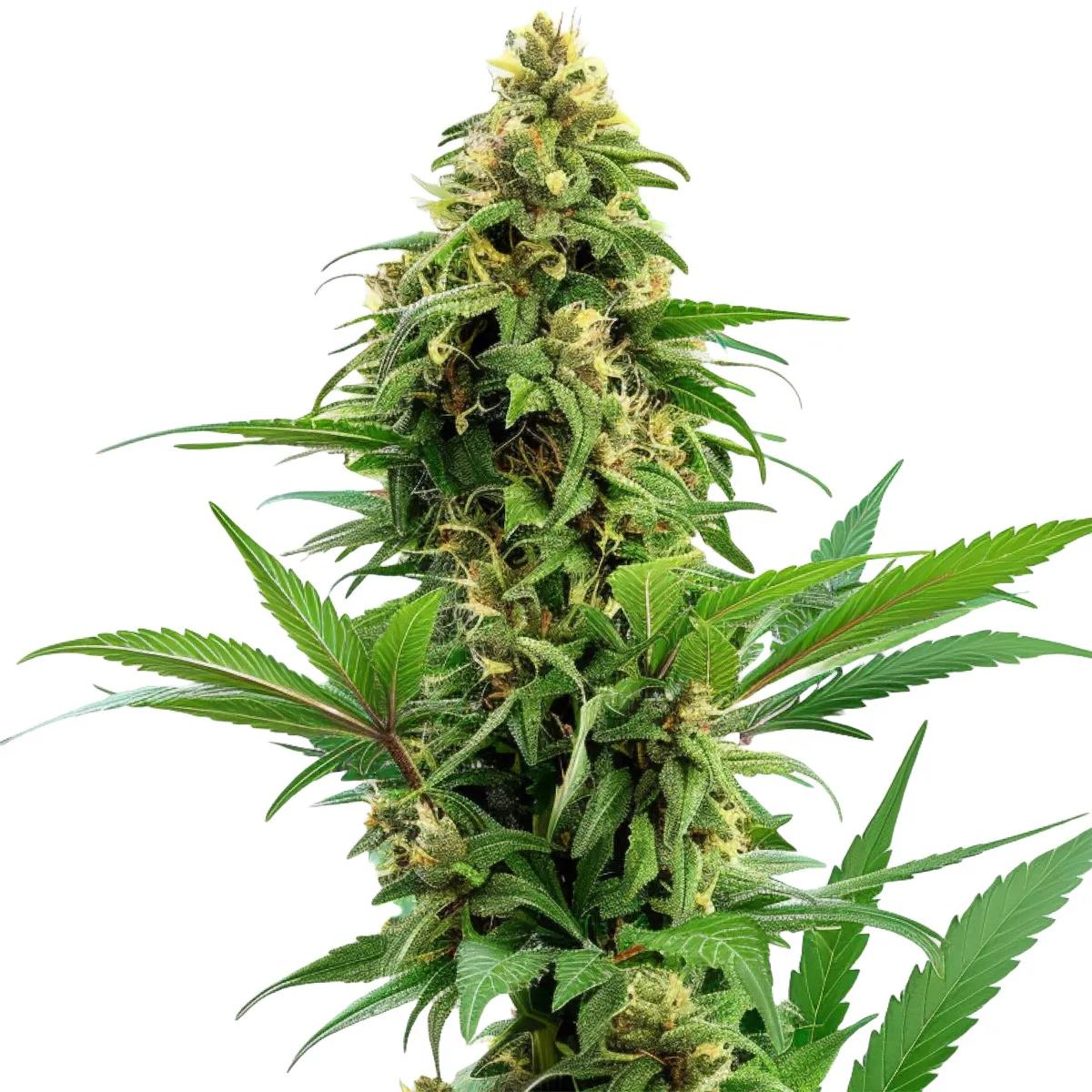
Big Buddha Cheese is a feminized cannabis seed strain from Big Buddha Seeds that crosses the legendary clone-only UK Cheese mother with a hardy Afghan indica male. Winner of the 2006 High Times Cannabis Cup for Best Indica, she delivers that unmistakable sharp, savoury cheese aroma alongside an uplifting, energetic effect that genuinely surprises for an indica-dominant hybrid. Available in 5 and 10 seed packs, ready to order.
Choose Your Pack Size
| Pack | Seeds | Best For |
|---|---|---|
| 5-pack | 5 feminized seeds | First-time growers or a single-tent run — enough to select a strong phenotype without overcommitting |
| 10-pack | 10 feminized seeds | Experienced growers who want to pheno-hunt or fill a larger canopy. Better value per seed |
Why Big Buddha Cheese Deserves a Spot in Your Garden
Before Big Buddha Seeds came along, the original UK Cheese was a clone-only strain — passed hand to hand across Britain since the late 1980s, impossible to grow from seed. If you didn't know someone who knew someone, you simply couldn't get it. Big Buddha Seeds changed that by crossing the original Cheese mother with an Afghan indica male, locking in that funky, savoury terpene profile while adding structure, yield, and faster flowering times. The result took home the 2006 Cannabis Cup for Best Indica, which tells you everything about how well the cross worked.
The Afghan genetics bring a stockier frame, thicker stems, and denser bud structure — all things that make her easier to manage indoors. But the real magic is that the effect didn't go full couch-lock. Despite being indica-dominant, Big Buddha Cheese leans uplifting and energetic. You get the body relaxation without the heavy eyelids. That's unusual for a strain with this much indica in the lineage, and it's a big part of why she's stayed popular for nearly two decades.
One honest note: she smells. Properly smells. That sharp, almost sour cheese funk is not subtle, and it starts well before harvest. If you're growing indoors, a carbon filter isn't optional — it's the difference between a discreet hobby and your entire building knowing what you're up to. We'd say that's the one genuine limitation of this strain: stealth is not her strong suit.
Big Buddha Cheese Growing Tips and What to Expect
Big Buddha Cheese is a forgiving strain that performs well for growers at every level. She flowers in approximately 63 days (around 9 weeks), which sits on the faster side for a photoperiod indica-dominant hybrid. Indoors, expect yields around 16 oz per square metre with proper lighting and nutrition. Outdoors, she can produce up to 16 ounces per plant in a good season — she likes warm, dry climates but handles cooler northern European conditions better than most thanks to that Afghan resilience.
The Afghan side also means she stays relatively compact. You won't need a cathedral ceiling — she branches laterally and responds well to low-stress training (LST) or a ScrOG setup. Top her once during veg to encourage an even canopy and you'll get better light penetration across all those dense, resinous colas.
Feeding is straightforward. She's not a particularly hungry plant during veg, but she appreciates a bump in phosphorus and potassium once flowering kicks in. Overfeeding nitrogen in flower is the most common mistake we see — it dulls the terpene profile and slows bud development. Pull back on nitrogen by week 3 of flower and let her do her thing.
Aroma, Flavour, and the Cheese Terpene Profile
This is the strain that put "cheese" on the cannabis map. The aroma is sharp, savoury, and unmistakably dairy — think aged cheddar left out on a warm day, with a sour, almost acidic edge underneath. It's not a subtle background note. It fills the room. When you break open a cured bud, there's a secondary layer of earthy, slightly sweet musk from the Afghan side, but the cheese dominates completely.
The terpene profile is driven heavily by compounds like beta-caryophyllene — a sesquiterpene also found in black pepper and clove. According to research published in the journal Molecules, beta-caryophyllene is a sesquiterpene found in hemp (Cannabis sativa L.), black pepper, and clove, among other plants (PMC8588428). This compound contributes to that spicy, peppery undertone you catch on the exhale.
On the palate, the cheese funk translates directly — savoury, tangy, with a creamy finish that lingers. It's not for everyone. If you prefer sweet, fruity strains, this will be a shock. But if you're after something with genuine character and a flavour that actually tastes like something specific rather than generic "weed," Big Buddha Cheese is one of the best expressions of that savoury terpene spectrum you can grow from seed.
Big Buddha Cheese Specifications
| Specification | Detail |
|---|---|
| Seed Bank | Big Buddha Seeds |
| Seed Type | Feminized (photoperiod) |
| Genetics | UK Cheese (clone-only) x Afghan Indica |
| Type | Indica-dominant hybrid |
| THC Content | Approximately 18% |
| Flowering Time | ~63 days (9 weeks) |
| Indoor Yield | Up to 16 oz/m² |
| Outdoor Yield | Up to 16 oz per plant |
| Growing Environment | Indoor / Outdoor |
| Award | 2006 High Times Cannabis Cup — Best Indica |
| Pack Sizes | 5 seeds / 10 seeds |
Running Big Buddha Cheese indoors? Pair her with a proper carbon filter and extraction fan — that cheese aroma will escape without one. If you're setting up a full grow space, check out our complete grow tent kits that include ventilation, lighting, and everything you need to go from seed to harvest. For outdoor growers, a quality pH meter and organic soil amendments will help her reach that 16 oz per plant potential.
How to Grow Big Buddha Cheese From Seed
- Germinate your Big Buddha Cheese seeds using the paper towel method: place seeds between two damp paper towels on a plate, cover, and keep at 22-25°C. Taproots typically appear within 24-48 hours. Some growers pre-soak in water for up to 36 hours before transferring to paper towels.
- Once the taproot reaches 1-2cm, transplant into a small pot (0.5L) filled with a light, well-aerated seedling mix or coco coir. Plant taproot-down, about 1cm deep. Keep the medium moist but not waterlogged.
- Maintain 18/6 light cycle during vegetative growth. She stays compact, so you can veg for 3-5 weeks depending on your space. Top once above the 4th or 5th node to encourage lateral branching and an even canopy.
- Switch to 12/12 light cycle to trigger flowering. Increase phosphorus and potassium in your feed schedule. Reduce nitrogen from week 3 of flower onwards — this protects the terpene profile and prevents leafy, underdeveloped buds.
- Monitor humidity closely during weeks 5-8 of flower. Those dense, chunky colas are susceptible to mould in high humidity. Keep relative humidity below 50% in late flower, with good airflow across the canopy.
- Harvest around day 63 of flower, checking trichomes with a loupe — aim for mostly milky with 10-20% amber for the best balance of uplifting energy and body relaxation. Flush with plain water for the final 7-10 days.
- Dry slowly in a dark room at 18-20°C and 55-60% humidity for 10-14 days. Cure in glass jars for at least 2 weeks, burping daily for the first week. The cheese aroma intensifies dramatically during cure — by week 3, you'll understand why this strain won a Cannabis Cup.
Big Buddha Cheese vs Blue Cheese — Which Cheese Strain?
Big Buddha Seeds actually created both strains, so this is a fair comparison. Big Buddha Cheese is the original — UK Cheese crossed with Afghan indica. Blue Cheese adds Blueberry genetics into the mix, which softens the sharp cheese funk with a sweet, berry undertone. If you want the full-throttle savoury experience, go with Big Buddha Cheese. If you prefer something a bit more rounded and fruity on the nose, Blue Cheese is the easier smoke for most people.
In terms of growing, they're very similar — both flower in about 8-9 weeks, both yield generously, both stay compact. The main difference is really flavour and aroma. Big Buddha Cheese is the purist's choice. Blue Cheese is the crowd-pleaser. We'd pick Big Buddha Cheese if we could only grow one — the terpene profile is more distinctive and the effect has a bit more energy to it.
Frequently Asked Questions
Is Big Buddha Cheese indica or sativa?
Big Buddha Cheese is an indica-dominant hybrid, crossing the UK Cheese clone with an Afghan indica. Despite the indica dominance, her effect leans uplifting and energetic rather than sedating — which is unusual for this genetic makeup and part of what makes her stand out.
How long does Big Buddha Cheese take to flower?
Approximately 63 days, or about 9 weeks from the switch to 12/12 lighting. That's on the faster side for a photoperiod indica-dominant strain. Check trichomes with a loupe rather than relying solely on the calendar — phenotypes can vary by a few days.
What yield can I expect from Big Buddha Cheese?
Indoors, up to 16 oz per square metre under good lighting. Outdoors, up to 16 ounces per plant in favourable conditions. These figures assume proper nutrition, adequate light, and a veg period long enough to fill your canopy. Topping and LST training will help maximise yield.
Does Big Buddha Cheese smell strongly during growing?
Yes — intensely. The cheese aroma starts during mid-flower and gets stronger every week. A carbon filter is non-negotiable for indoor grows. Even with a filter, you'll catch whiffs when you open the tent. Outdoor growers should consider placement carefully if neighbours are nearby.
What's the difference between Big Buddha Cheese and the original UK Cheese clone?
The original UK Cheese was clone-only — you couldn't grow it from seed. Big Buddha Seeds crossed that clone with an Afghan indica male to create a stable, feminized seed version. The core cheese aroma and uplifting effect are preserved, with added vigour, faster flowering, and bigger yields from the Afghan genetics.
Can I grow Big Buddha Cheese outdoors in northern Europe?
Yes. The Afghan indica genetics give her solid resistance to cooler temperatures and shorter seasons. She finishes flowering by early to mid-October in most northern European climates. Watch humidity levels in autumn — dense buds and damp weather are a mould risk. Harvest promptly when trichomes are ready.
What THC percentage does Big Buddha Cheese produce?
Around 18% THC on average. That's a moderate level — strong enough for a clear, uplifting effect without being overwhelming. The terpene profile contributes significantly to the overall experience, so the numbers don't tell the whole story with this strain.
Last updated: April 2026
Related products
You might also like
Medical disclaimer. This content is for informational purposes only and does not constitute medical advice. Consult a qualified healthcare provider before use of any substance.