

OG Kush Auto Seeds — West Coast Genetics on Autopilot
OG Kush Auto seeds are a hybrid autoflowering cross of OG Kush and ruderalis that delivers 17–24% THC in 8–10 weeks from seed to harvest, no light cycle switching required. You get the same citrus-diesel terpene profile and dense, resin-caked buds that made OG Kush a West Coast staple — just without the photoperiod fuss. Set your lights to 18/6 or 20/4 on day one and leave them there. The ruderalis genetics push the plant into flower automatically based on age, not light hours, so you skip the blackout curtains, the timers, and the anxious "did I light-leak?" checks at 3 AM.
Which Pack Size Fits Your Setup
Your pack size should match your grow space and experience level, not your ambition. OG Kush Auto seeds come in 1, 3, 5, and 10 seed options — here's how to pick.
| Pack Size | Best For | Typical Setup |
|---|---|---|
| 1 seed | Test run or single-plant windowsill grow | One pot, minimal gear |
| 3 seeds | Small tent or balcony grow, first-timers wanting a safety margin | 60x60 cm tent or 3 pots outdoors |
| 5 seeds | Standard indoor run with room for phenotype selection | 80x80 or 100x100 cm tent |
| 10 seeds | Dedicated growers running multiple cycles or filling a larger space | 120x120 cm tent or full outdoor plot |
Our honest take: the 3-pack is the best starting point for most growers. It gives you enough plants to compare phenotypes without committing to a full tent. If you already know you love OG Kush and want to run a proper canopy, the 10-pack saves you per seed and lets you pick the best performers.
OG Kush Auto Specifications
Here's everything you need to plan your grow — from genetics to expected output.
| Specification | Detail |
|---|---|
| Genetics | OG Kush x Ruderalis |
| Type | Autoflowering hybrid |
| THC Content | 17–24% |
| Seed to Harvest | 8–10 weeks |
| Indoor Yield | Up to 400 g/m² |
| Light Schedule | 18/6 or 20/4 (no switch needed) |
| Flavour Profile | Citrus, diesel, earthy pine |
| Bud Structure | Dense, heavily resinous |
| Available Packs | 1, 3, 5, and 10 seeds |
Running OG Kush Auto indoors? Pair these seeds with a complete grow tent kit — tent, lighting, ventilation, and carbon filter in one box. A carbon filter isn't optional with this strain; the diesel terps announce themselves loudly once flowering kicks in around week 4. If you're growing in soil, grab a quality organic soil mix to keep things simple and let the genetics do the talking.
Why OG Kush Auto Seeds Deserve a Spot in Your Tent
Standard photoperiod OG Kush is a brilliant strain that demands a lot from its grower. You're looking at 12+ weeks, precise 12/12 light switching to trigger flowering, blackout curtains if there's even a pinhole of light leak, and the constant paranoia that your timer glitched at 2 AM. For experienced growers running a dialled-in setup, that's fine. For everyone else, it's a lot of variables that can go sideways.
OG Kush Auto seeds strip out those variables. The ruderalis genetics mean the plant flowers based on age — not photoperiod — so you set your lights once and forget about them. That 8–10 week seed-to-harvest window means you can run 4–5 cycles per year indoors, compared to 2–3 with a photoperiod version. And the yield ceiling of up to 400 g/m² indoors is genuinely impressive for an autoflower. We've seen growers hit 350 g/m² on their first run with nothing more than decent light, consistent watering, and a quality soil mix.
The one honest limitation: autoflowers don't respond well to heavy training techniques like mainlining or aggressive topping. You can do light LST (low-stress training) to open up the canopy, but there's no vegetative extension period to recover from stress. If you top too late, you lose yield instead of gaining it. Stick to gentle bending and leaf tucking, and you'll get the best results from these genetics. Compared to something like Northern Lights Auto — which is more forgiving of beginner mistakes but caps out at lower THC — OG Kush Auto rewards a slightly more attentive grower with noticeably stronger, more flavourful buds.
How to Grow OG Kush Auto Seeds
These seeds don't need a complicated setup, but a few things done right from the start make a real difference to your final harvest.
- Germinate in water or damp paper towels. Soak seeds in a glass of room-temperature water (20–25°C) for 12–24 hours until they sink, then transfer to damp paper towels in a warm, dark spot. Taproots usually appear within 24–48 hours.
- Plant directly into your final pot. Autoflowers don't like transplanting — the stress costs you days of growth you can't get back. Use an 11–15 litre pot with light, airy soil. Plant the germinated seed 1 cm deep, taproot down.
- Set lights to 18/6 or 20/4 from day one. No need to change this at any point during the grow. 18/6 gives the plant a rest period and saves electricity; 20/4 pushes slightly faster growth. Both work well — pick one and stick with it.
- Water lightly for the first 2 weeks. Seedlings have tiny root systems. Overwatering is the number one killer at this stage. Water in a small circle around the stem, not the whole pot. Let the top centimetre of soil dry between waterings.
- Begin light LST around week 3. Gently bend the main stem away from centre and secure with soft plant ties. This opens up lower bud sites to light without the stress of topping. Don't snap anything — if it resists, leave it.
- Switch to bloom nutrients when you see the first pre-flowers — usually around week 4–5. OG Kush Auto is a moderate feeder. Start at half the manufacturer's recommended dose and increase only if the plant looks hungry (pale lower leaves).
- Watch trichomes from week 7 onwards. Use a jeweller's loupe or phone macro lens. Harvest when trichomes shift from clear to mostly milky with a few amber ones. All milky gives you a more alert effect; more amber leans towards physical relaxation.
- Dry in a dark room at 18–20°C and 55–60% humidity for 7–10 days. Don't rush this. A proper dry and a 2-week cure in glass jars is what separates good bud from great bud. The citrus-diesel terps really come alive after curing.
What Does OG Kush Auto Smell and Taste Like?
The terpene profile on OG Kush Auto is unmistakable — and it's one of the main reasons this strain has stayed relevant for decades. Crack open a cured jar and you get hit with sharp citrus peel first, like someone zested a lemon directly into diesel fuel. Underneath that is a layer of earthy pine, almost like walking through a forest after rain, but with a chemical edge that's distinctly OG Kush.
On the inhale, the diesel comes through strongest. On the exhale, the citrus sweetens and the pine rounds things out. It's not subtle — your carbon filter earns its keep with this strain. Interestingly, research published in Frontiers in Psychiatry found that inhalation of a vaporised terpene blend from the OG Kush cannabis strain increased prosocial behaviour in animal models, suggesting the terpene combination itself may have notable effects beyond just flavour (PMC10311644, 2023).
The effect is a balanced combination of physical relaxation and mental alertness. You feel the body settle first — shoulders drop, jaw unclenches — and then a clear-headed talkativeness comes in. It's not a couch-lock strain at the lower end of the THC range (17–18%), though at 22–24% it can tip towards heavier relaxation, especially with more amber trichomes at harvest.
Related products



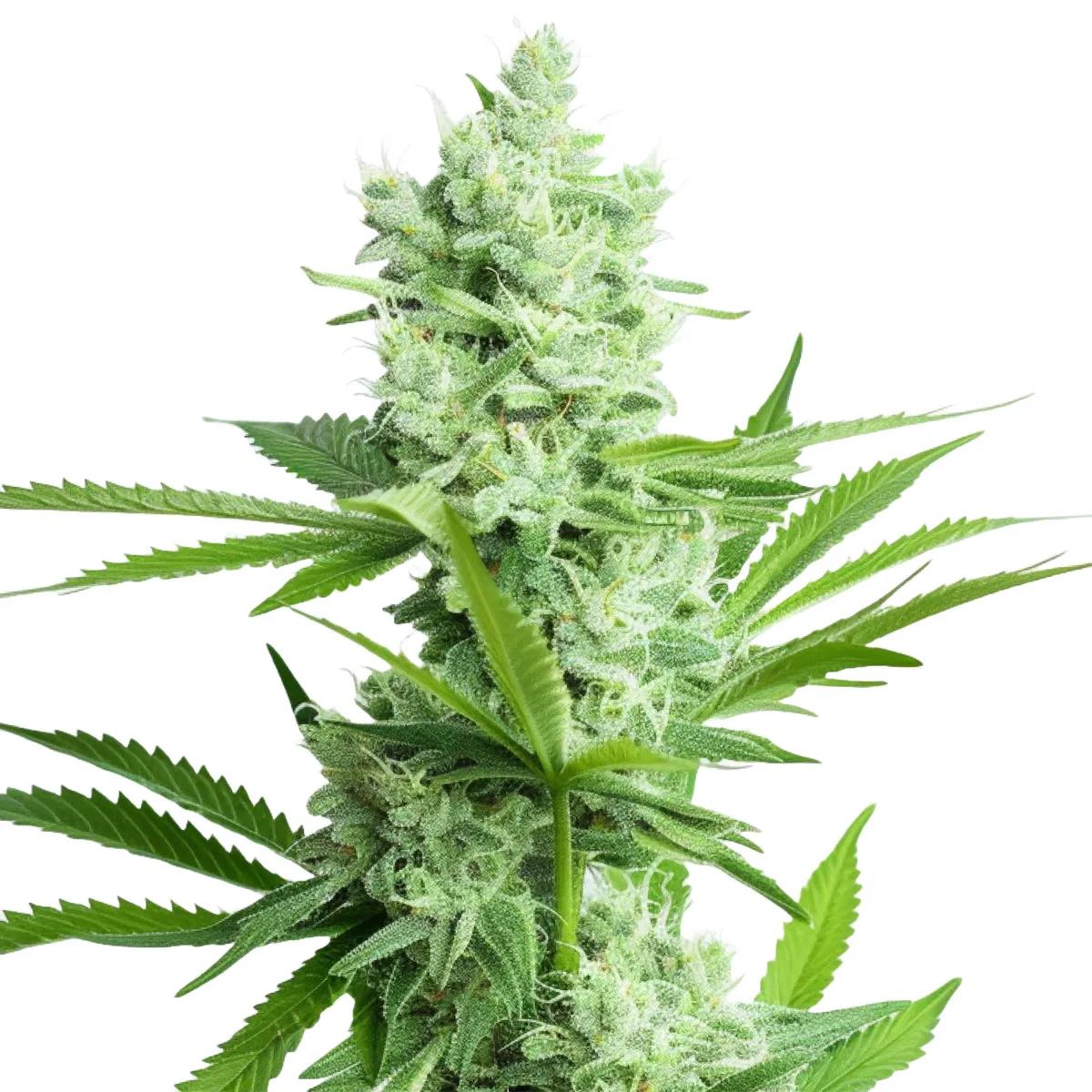
You might also like
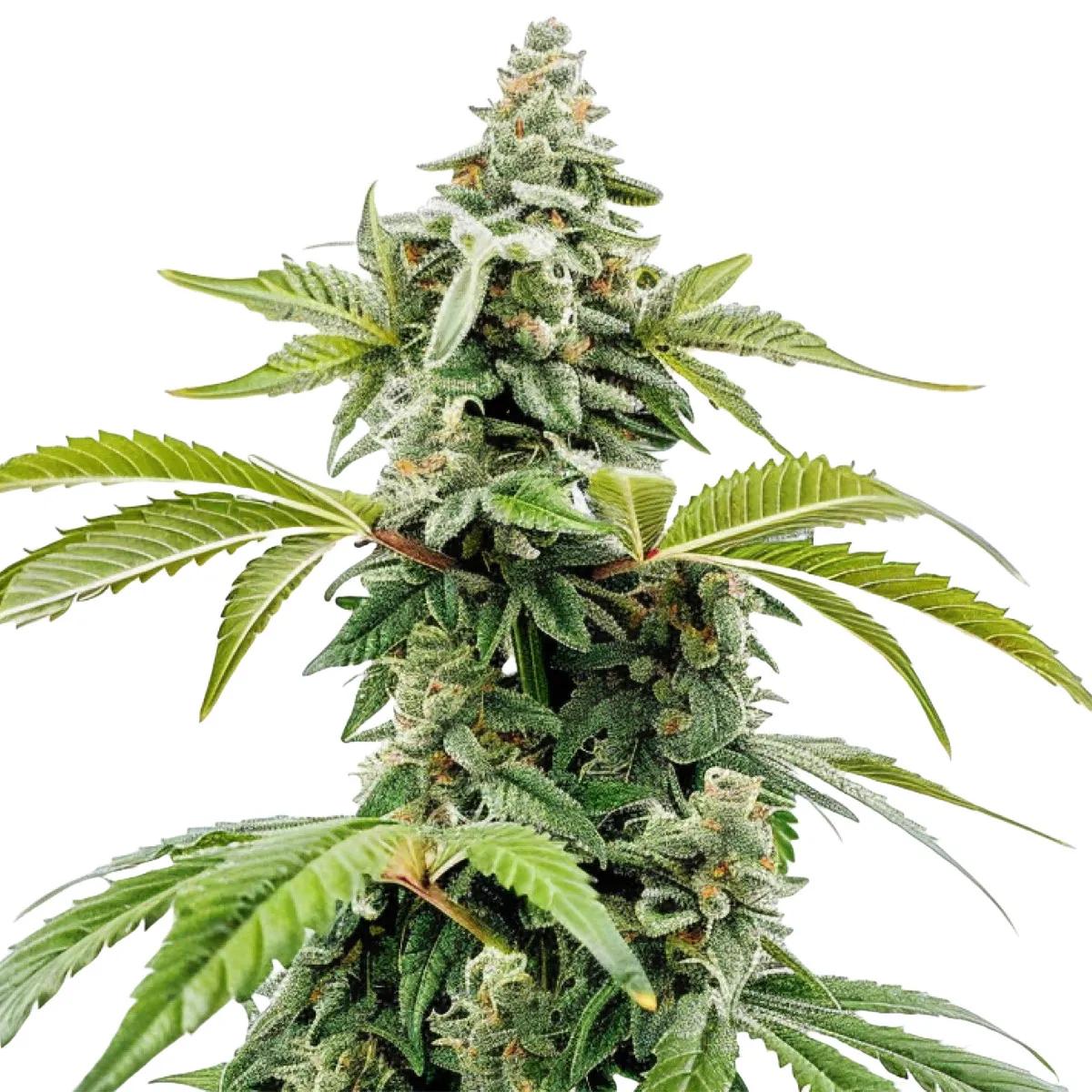

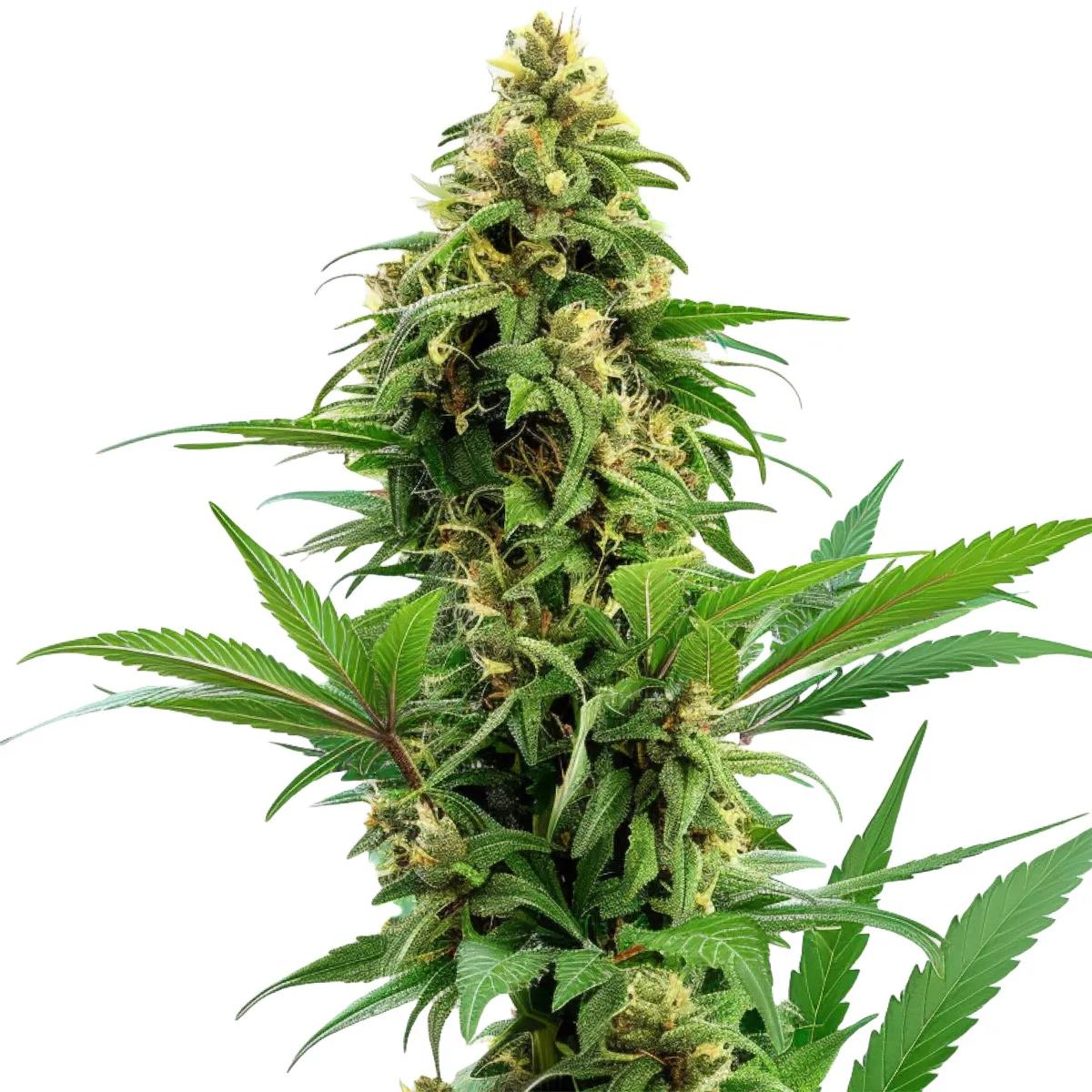
Medical disclaimer. This content is for informational purposes only and does not constitute medical advice. Consult a qualified healthcare provider before use of any substance.