
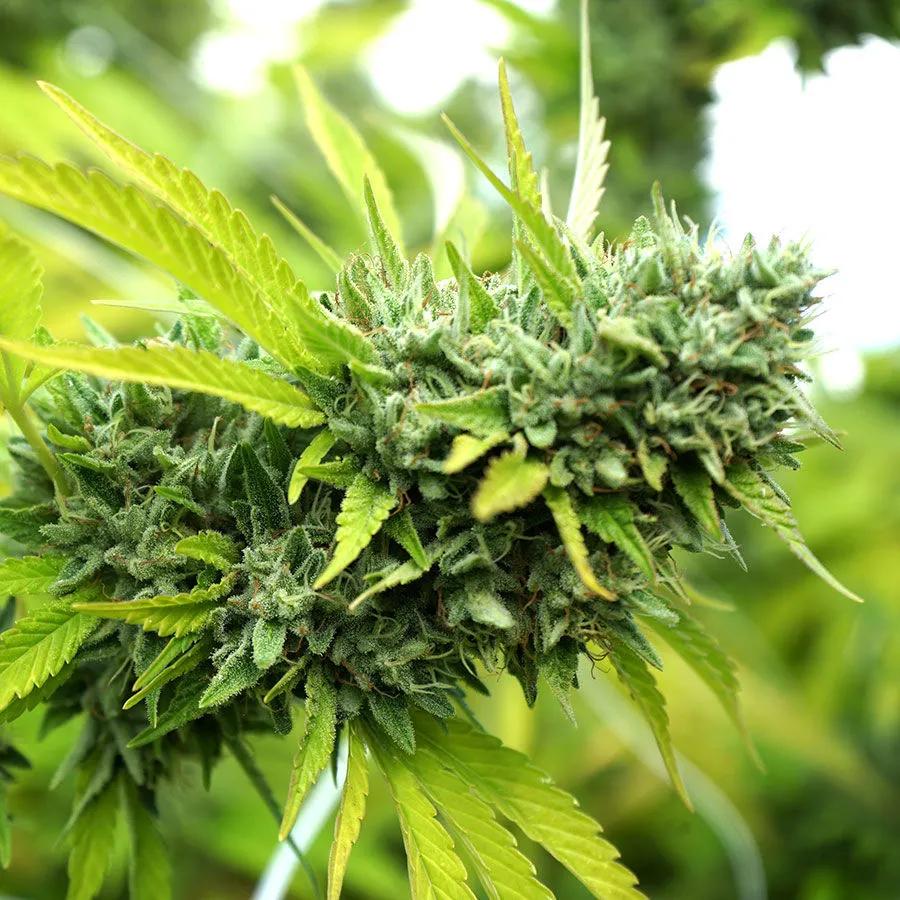
Mango OG Auto (Humboldt Seed Organization)
Cannabis seeds
by Humboldt Seed Organization
Mango OG Auto Cannabis Seeds by Humboldt Seed Organization
Mango OG Auto is an autoflowering feminised cannabis seed from Humboldt Seed Organization that delivers tropical mango aromatics on a compact, fast-finishing plant. Bred in Humboldt County, California — one of the oldest cannabis-growing regions in the US — this strain crosses their signature Mango genetics with an OG Kush backbone and ruderalis autoflowering traits. The result is a seed that doesn't need light cycle changes, finishes in roughly 65–70 days from germination, and stays short enough for small tents or balcony grows.
Why Mango OG Auto Seeds Deserve a Spot in Your Grow
Autoflowering seeds changed the game for small-space growers, and Mango OG Auto is one of the better examples of what the format can do. You don't need a timer, you don't need to worry about light leaks triggering hermaphroditism, and you don't need a 2-metre ceiling. The plant typically stays between 60–100 cm, which means it fits comfortably inside a 60x60 or 80x80 grow tent without training — though a bit of LST (low-stress training) will open up the canopy and push yields higher.
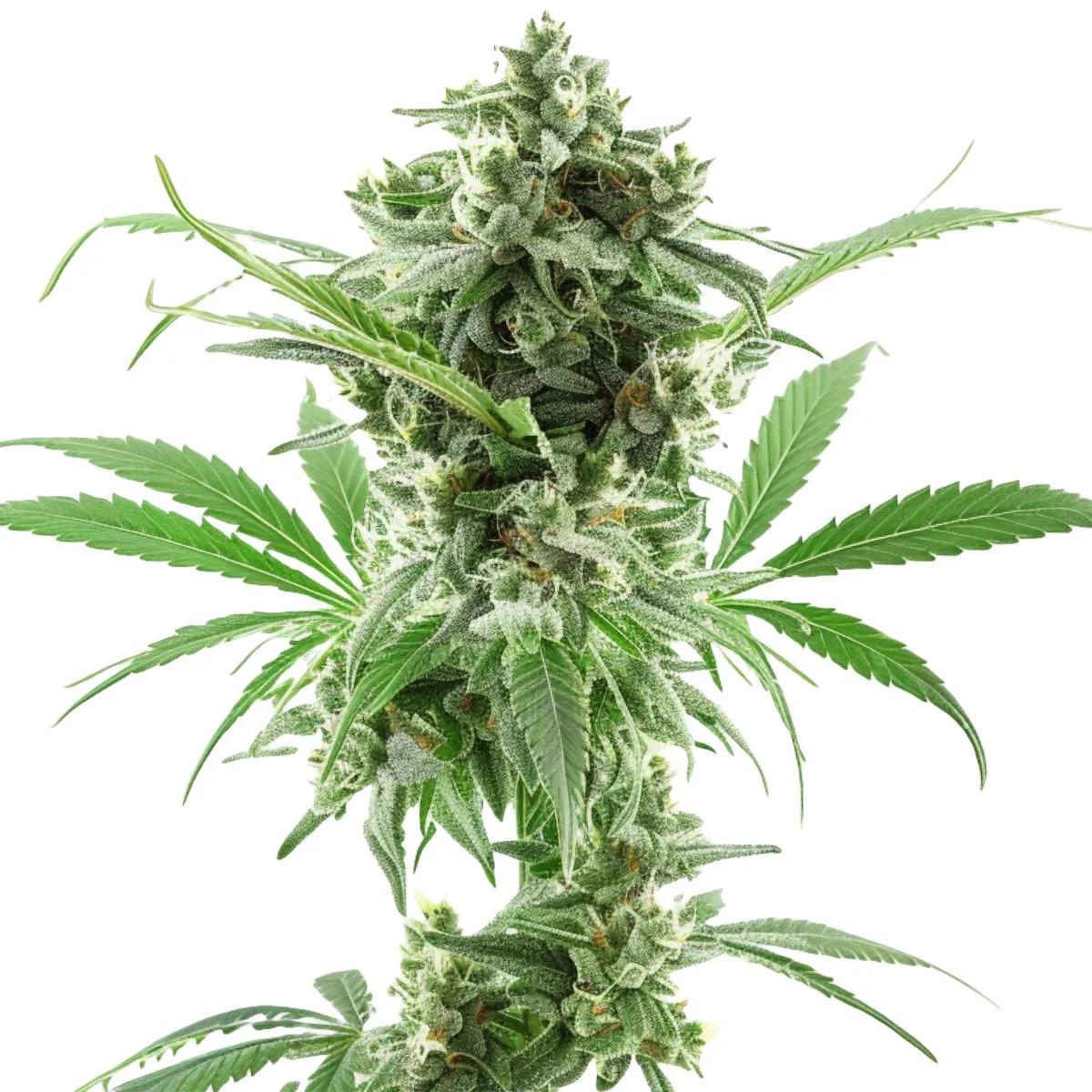
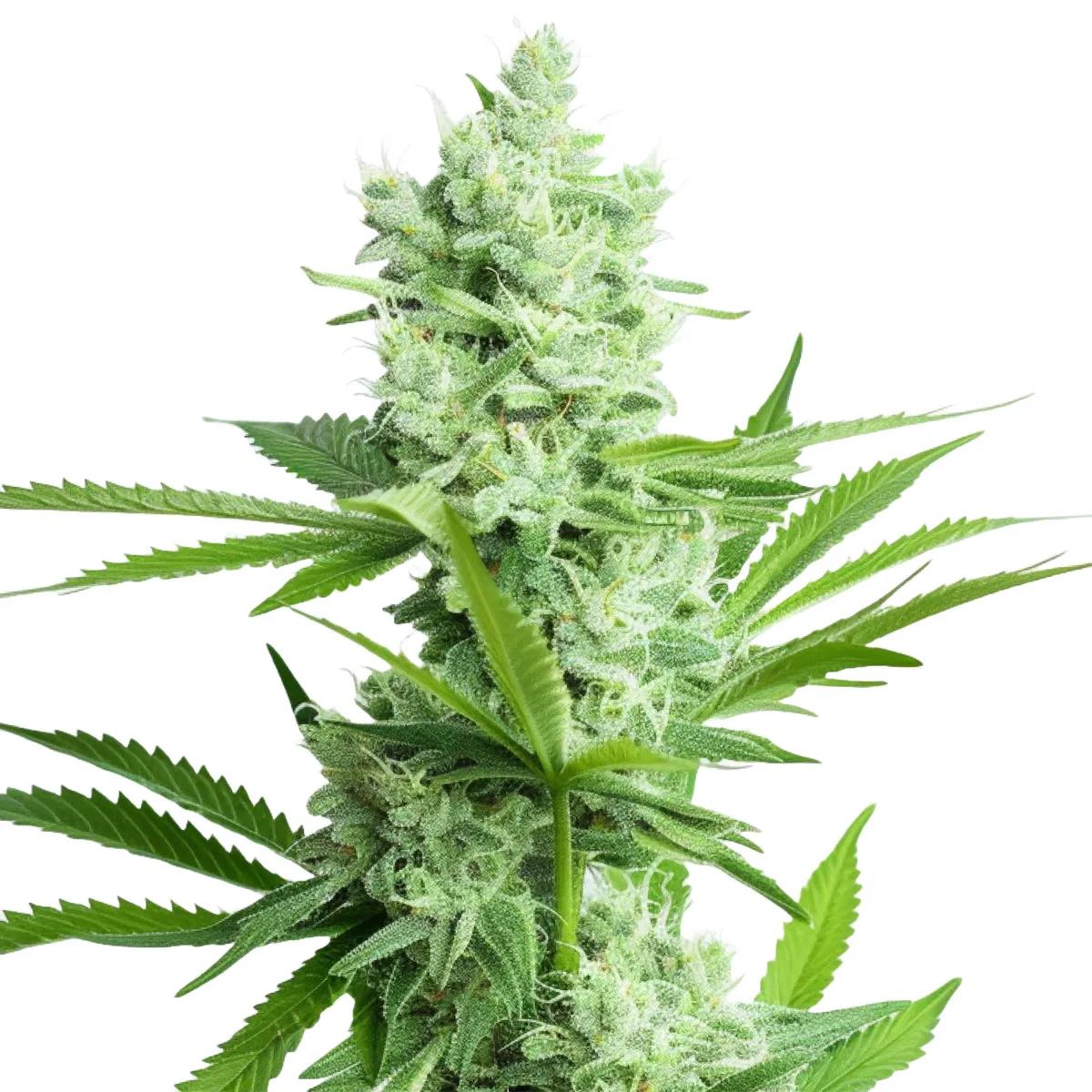
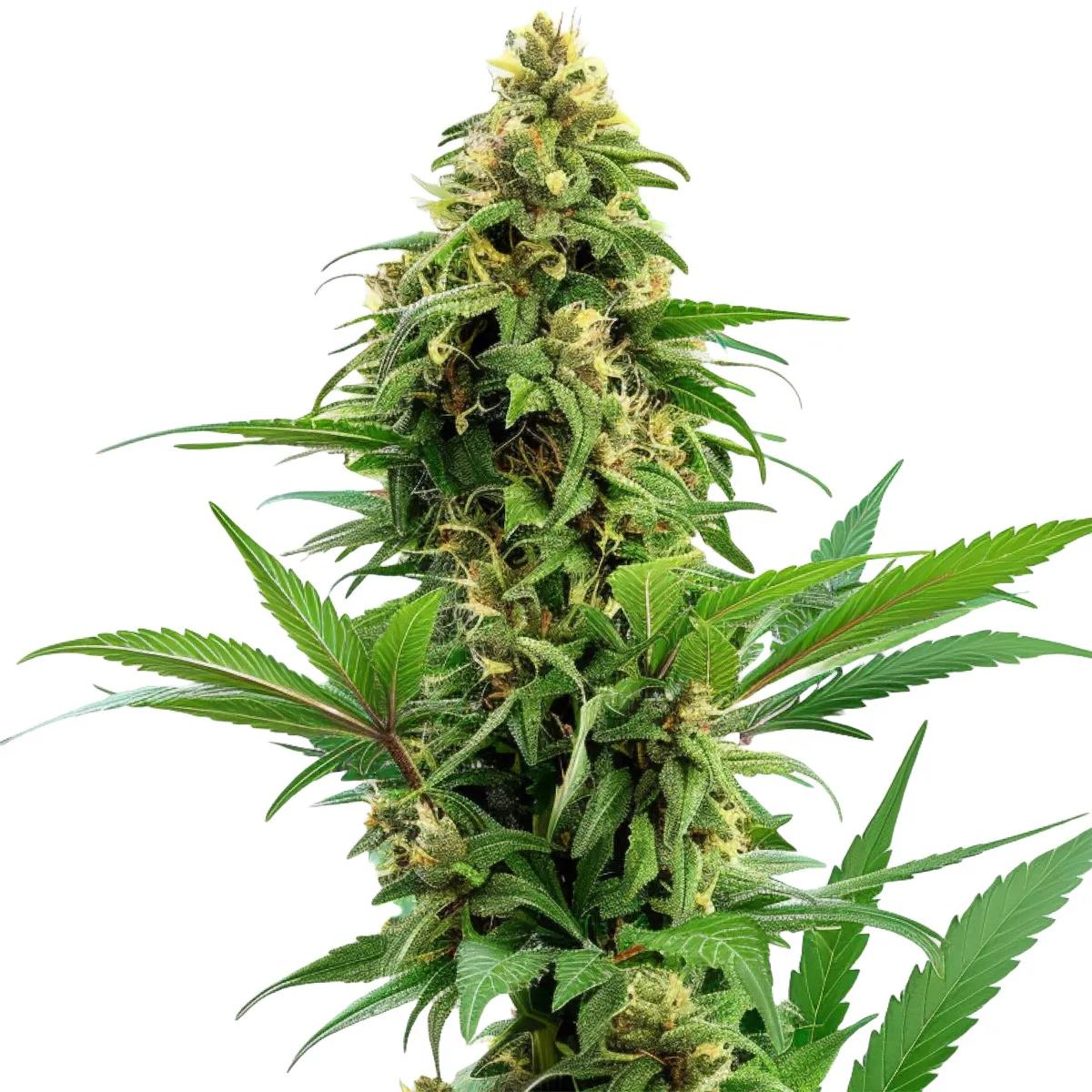
What sets this one apart from the dozen other mango-named autos on the market is the OG Kush parentage. That OG backbone gives the plant a sturdier structure than most autoflowers — thicker stems, tighter internodal spacing, and dense buds that pack on weight in the final two weeks. The mango genetics bring the nose: a sweet, overripe tropical fruit smell that fills the tent from week five onwards. If you've got neighbours, you'll want a carbon filter. Not a suggestion — a necessity.
The honest limitation? Autoflowers don't yield like photoperiod plants. You're looking at roughly 50–150g per plant depending on conditions, not the 300g+ you'd get from a photoperiod OG Kush in a full-size setup. But the trade-off is speed and simplicity. You can run three cycles in the time a single photoperiod grow takes from clone to cure. For growers who want variety or quick turnarounds, that maths works out.
Choosing Mango OG Auto Seeds — What to Expect
Humboldt Seed Organization packs these as feminised autoflowering seeds, so every seed should produce a female plant that flowers automatically regardless of light schedule. No need to sex plants, no need to switch from 18/6 to 12/12. Set your lights to 20/4 or 18/6 from day one and leave them there.
The indica dominance shows in the plant shape — bushy, squat, with broad fan leaves that sometimes need defoliating around week four to let light reach the lower bud sites. The buds themselves develop a thick resin coat with visible trichome coverage, and the calyxes swell noticeably in the last 10 days before harvest.
| Specification | Detail |
|---|---|
| Breeder | Humboldt Seed Organization |
| Seed Type | Autoflowering Feminised |
| Genetics | Mango x OG Kush x Ruderalis |
| Dominant Type | Indica-dominant |
| Seed to Harvest | Approximately 65–70 days |
| Plant Height | 60–100 cm |
| Estimated Yield (Indoor) | 50–150 g per plant |
| Aroma Profile | Tropical mango, sweet fruit, OG earth |
| Growing Difficulty | Beginner-friendly |
How to Grow Mango OG Auto Seeds
Autoflowers are forgiving, but they don't tolerate transplant shock well. Start in the final container — a 7–11 litre fabric pot is the sweet spot. Fabric pots air-prune the roots and prevent the circling you get in rigid plastic. Here's the step-by-step:
- Germinate seeds using the paper towel method or directly in a pre-moistened jiffy pellet. Taproot should appear within 24–72 hours. Keep temperature around 22–26°C.
- Plant the germinated seed 1–1.5 cm deep in your final pot — 7 to 11 litres of light, airy soil mix. A coco-perlite blend (70/30) works well for autoflowers because it drains fast and prevents overwatering.
- Set your light schedule to 20 hours on, 4 hours off. Autoflowers don't need darkness to flower, but 4 hours off saves electricity and gives the plant a brief rest period. A 150–250W LED is enough for 1–4 plants in an 80x80 tent.
- Water sparingly for the first 10 days — the root system is tiny and overwatering is the number one killer of autoflower seedlings. Wait until the top 2 cm of soil is dry before watering again.
- Begin light feeding at around day 14 with a quarter-strength vegetative nutrient. Autoflowers are sensitive to nutrient burn, so always err on the side of less. Switch to bloom nutrients when you see the first pistils (usually around day 21–28).
- Apply LST (low-stress training) from day 18–21 by gently bending the main stem sideways and securing it with soft plant ties. This exposes lower branches to light and evens out the canopy. Do not top or FIM autoflowers — the recovery time costs you yield on a plant with a fixed lifecycle.
- Watch trichomes from day 55 onwards with a jeweller's loupe (60x magnification). Harvest when 70–80% of trichomes are milky with 10–20% amber for a balanced effect. All-milky trichomes give a more cerebral result; more amber leans heavier.
- Dry in a dark room at 18–21°C with 55–60% humidity for 7–10 days, then cure in glass jars for a minimum of 2 weeks. The mango terpene profile develops significantly during curing — don't rush this step.
Aroma and Terpene Profile
We've had customers describe the smell of Mango OG Auto buds as "a mango smoothie left in a pine forest." That's not far off. The dominant aroma is unmistakably tropical — sweet, ripe mango with a sticky-fruit sweetness that clings to your fingers after handling the buds. Underneath that, the OG Kush parentage adds an earthy, slightly piney base note with a hint of fuel on the exhale when combusted.
According to research on cannabinoid and terpene biosynthesis, terpene profiles in cannabis are influenced by both genetics and environmental factors such as light spectrum and temperature during flowering (PMC8200639). Growing at slightly cooler night temperatures (around 18–20°C) during the final two weeks can help preserve volatile terpenes that would otherwise evaporate under heat stress. If you want that mango nose to survive into the jar, keep your drying room cool and dark.
A study examining consumer perceptions of cannabis strain differences noted that aroma and flavour are among the primary factors influencing strain preference, with fruity and sweet profiles consistently ranking among the most sought-after (PMC5798829). Mango OG Auto sits squarely in that category — it's a crowd-pleaser nose that even people who don't grow will comment on.
Mango OG Auto vs Other Autoflowering Seeds
If you're weighing up options, here's how Mango OG Auto compares to two other popular autos from the Humboldt Seed Organization range:
| Feature | Mango OG Auto | Chocolate Mint OG Auto | OG Kush Auto |
|---|---|---|---|
| Dominant Type | Indica-dominant | Indica-dominant | Indica-dominant |
| Seed to Harvest | 65–70 days | 65–70 days | 65–75 days |
| Aroma | Tropical mango, sweet fruit | Chocolate, mint, earth | Pine, fuel, lemon |
| Plant Height | 60–100 cm | 60–90 cm | 60–100 cm |
| Best For | Growers wanting tropical flavour in a compact plant | Growers who prefer dessert-like profiles | Growers who want the classic OG experience on autopilot |
We'd pick the Mango OG Auto if flavour is your priority. The Chocolate Mint OG Auto is equally easy to grow but appeals to a different palate — think after-dinner mint versus tropical fruit salad. The OG Kush Auto is the no-frills classic: fuel-forward, punchy, and about as straightforward as autoflowers get.
Complete your setup: pair these seeds with a fabric smart pot (7–11 litres) for proper root aeration and a jeweller's loupe for trichome checking at harvest time. If you're growing indoors, a carbon filter is non-negotiable once the mango terpenes kick in around week five.
What to Watch Out For
Autoflowers have a fixed lifecycle — typically 65–70 days for Mango OG Auto — and that means any stress early on directly reduces your final yield. There's no vegetative period to recover in. The three most common mistakes we've seen customers make with autoflowering seeds:
Transplanting. Moving an autoflower from a small starter pot to a bigger one costs you 3–5 days of growth while the roots recover. On a 70-day lifecycle, that's 5–7% of your total growing time lost. Always start in the final container.
Overfeeding. Autoflowers are smaller plants with smaller root systems. They need roughly half the nutrient concentration you'd give a photoperiod plant. If the leaf tips start yellowing or curling downward, flush with plain water and reduce feed strength by 25%.
Topping. Works brilliantly on photoperiod plants. On autoflowers, the recovery time stunts growth during the brief vegetative window. Stick to LST — bending, not cutting.
Frequently Asked Questions
How long does Mango OG Auto take from seed to harvest?
Roughly 65–70 days from germination under a 20/4 light schedule. Some phenotypes may run a few days longer — check trichome colour with a loupe rather than counting days rigidly.
Can I grow Mango OG Auto outdoors?
Yes. Autoflowers don't depend on seasonal light changes, so they'll flower outdoors in any season with at least 12 hours of daylight. Plant after the last frost and expect harvest in about 10 weeks. Outdoor plants tend to stay shorter — around 60–80 cm.
Do I need to change the light cycle for autoflowering seeds?
No. That's the whole point. Set your lights to 20/4 or 18/6 from day one and leave them. The ruderalis genetics trigger flowering automatically based on plant age, not light exposure.
What size pot should I use for Mango OG Auto?
A 7–11 litre fabric pot is the sweet spot. Smaller pots restrict root growth and limit yield; larger pots waste soil and increase the risk of overwatering. Fabric pots air-prune roots and improve drainage — we'd pick them over plastic every time.
Should I top Mango OG Auto plants?
No. Autoflowers have a fixed lifecycle and can't recover from topping stress the way photoperiod plants can. Use LST (low-stress training) instead — bend the main stem sideways to open up the canopy without cutting anything.
What does Mango OG Auto smell like?
Sweet, ripe tropical mango with an earthy, slightly piney OG Kush undertone. The smell intensifies significantly from week five of flowering. A carbon filter is strongly recommended for indoor grows.
How much yield can I expect from Mango OG Auto?
Indoor yields typically range from 50–150g per plant depending on light intensity, pot size, and training. LST and proper feeding in a well-lit 80x80 tent push you toward the upper end of that range.
Last updated: April 2026
Related products



You might also like

Medical disclaimer. This content is for informational purposes only and does not constitute medical advice. Consult a qualified healthcare provider before use of any substance.