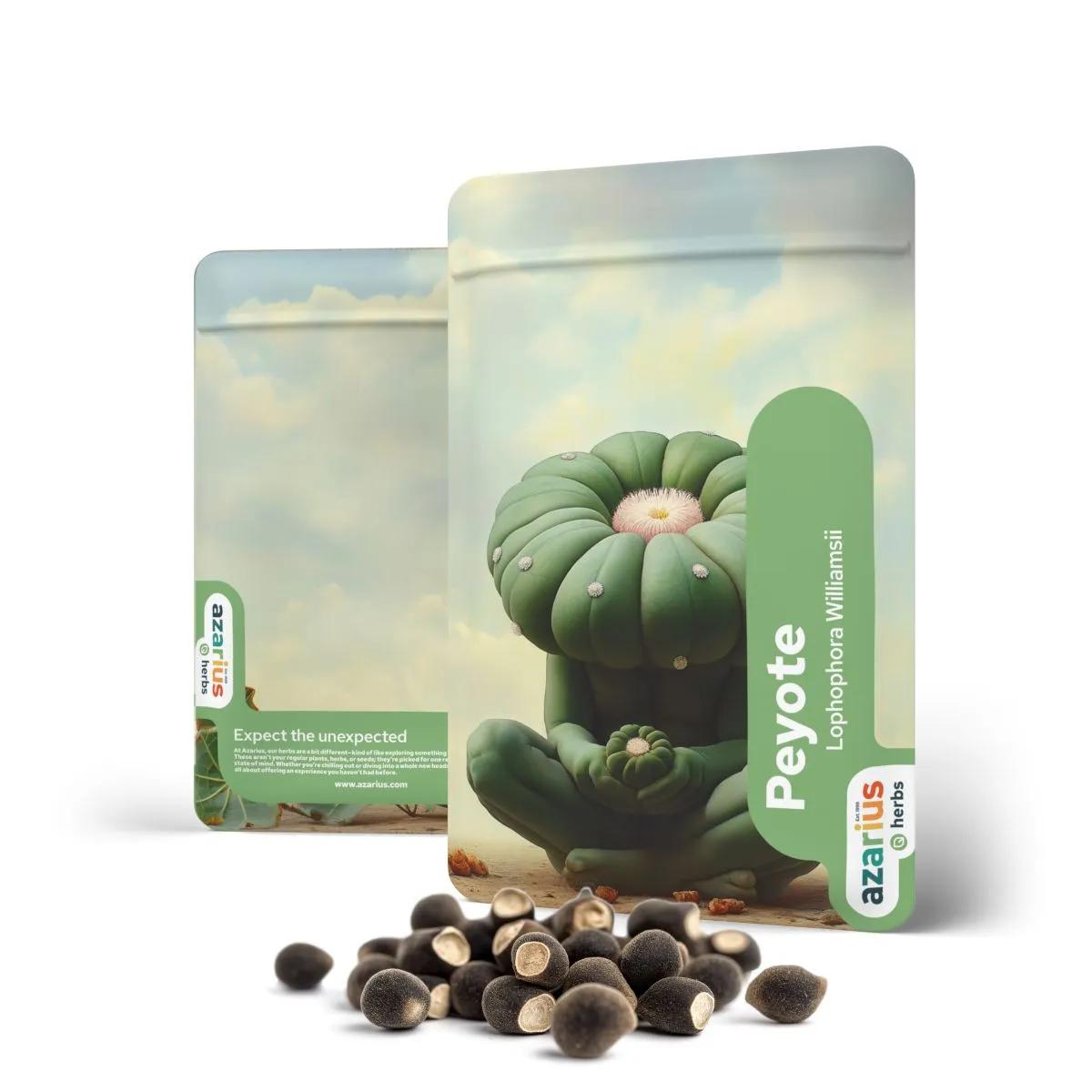
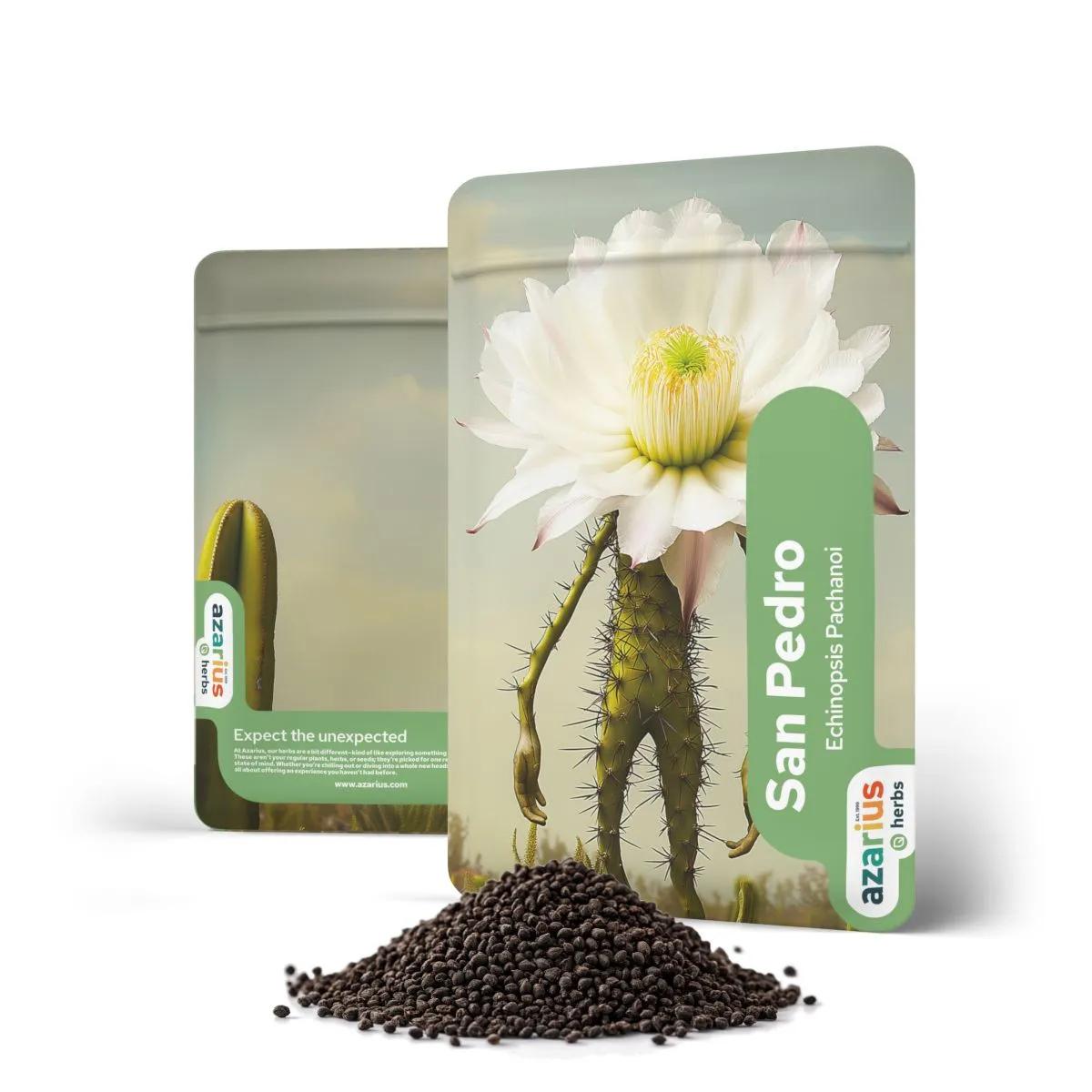
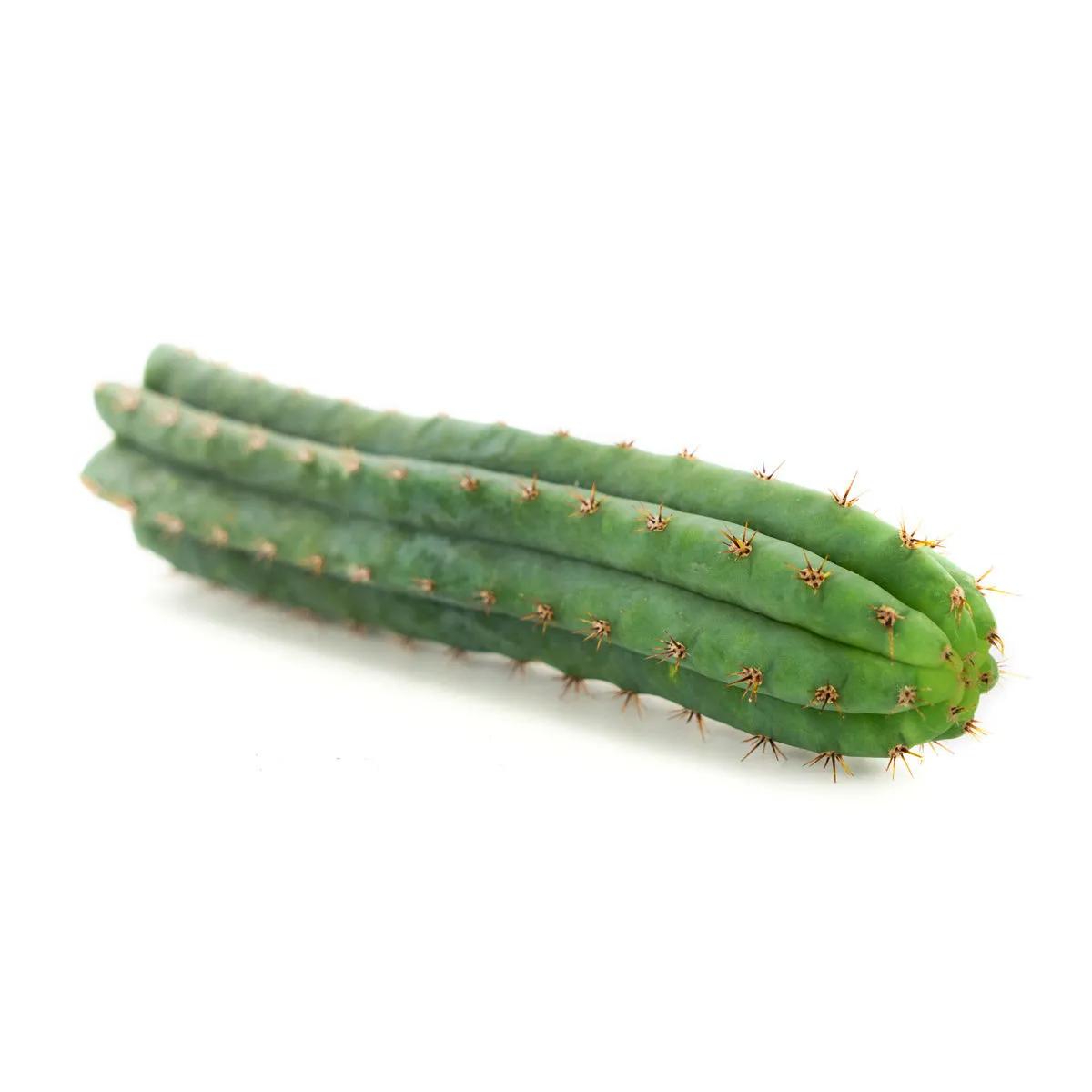
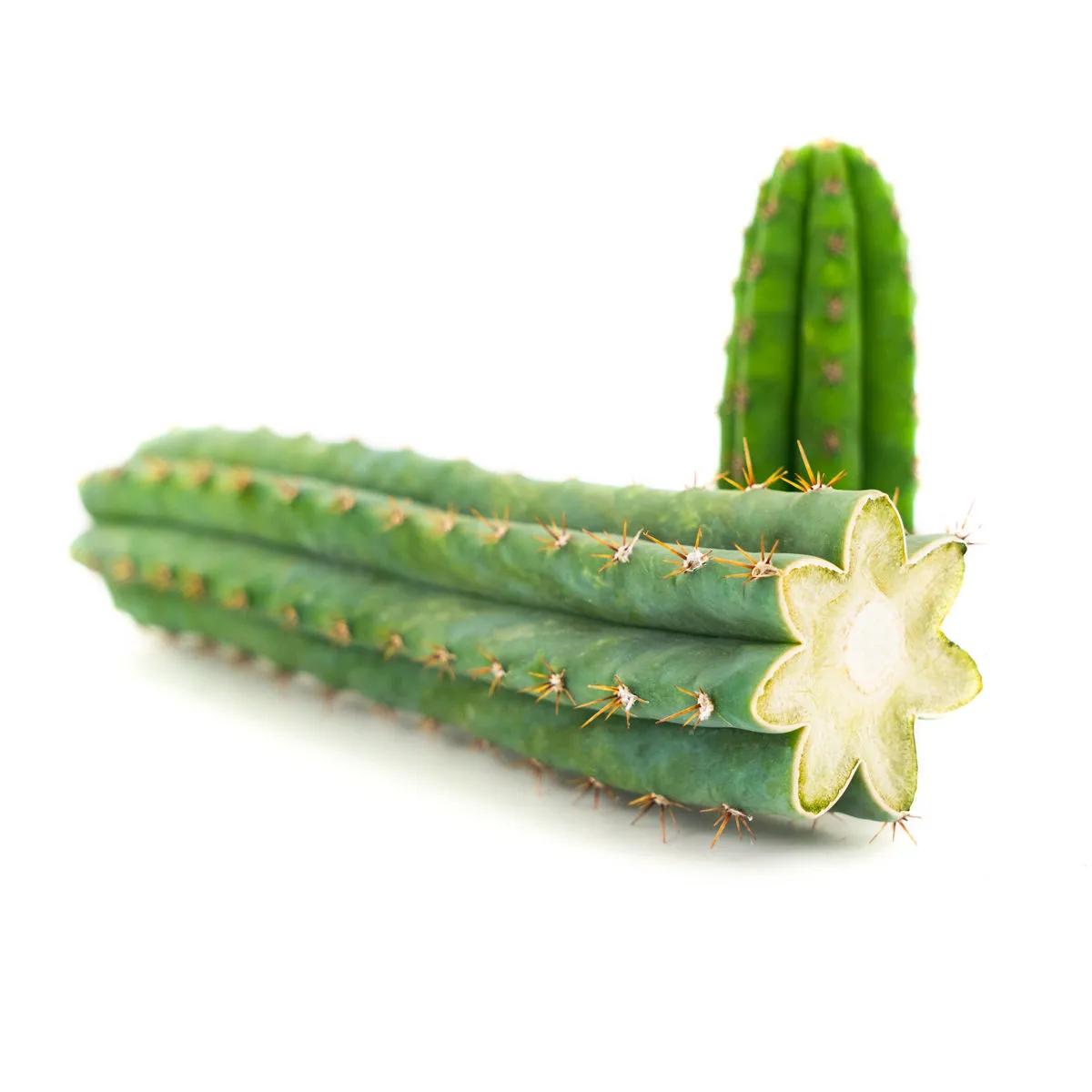
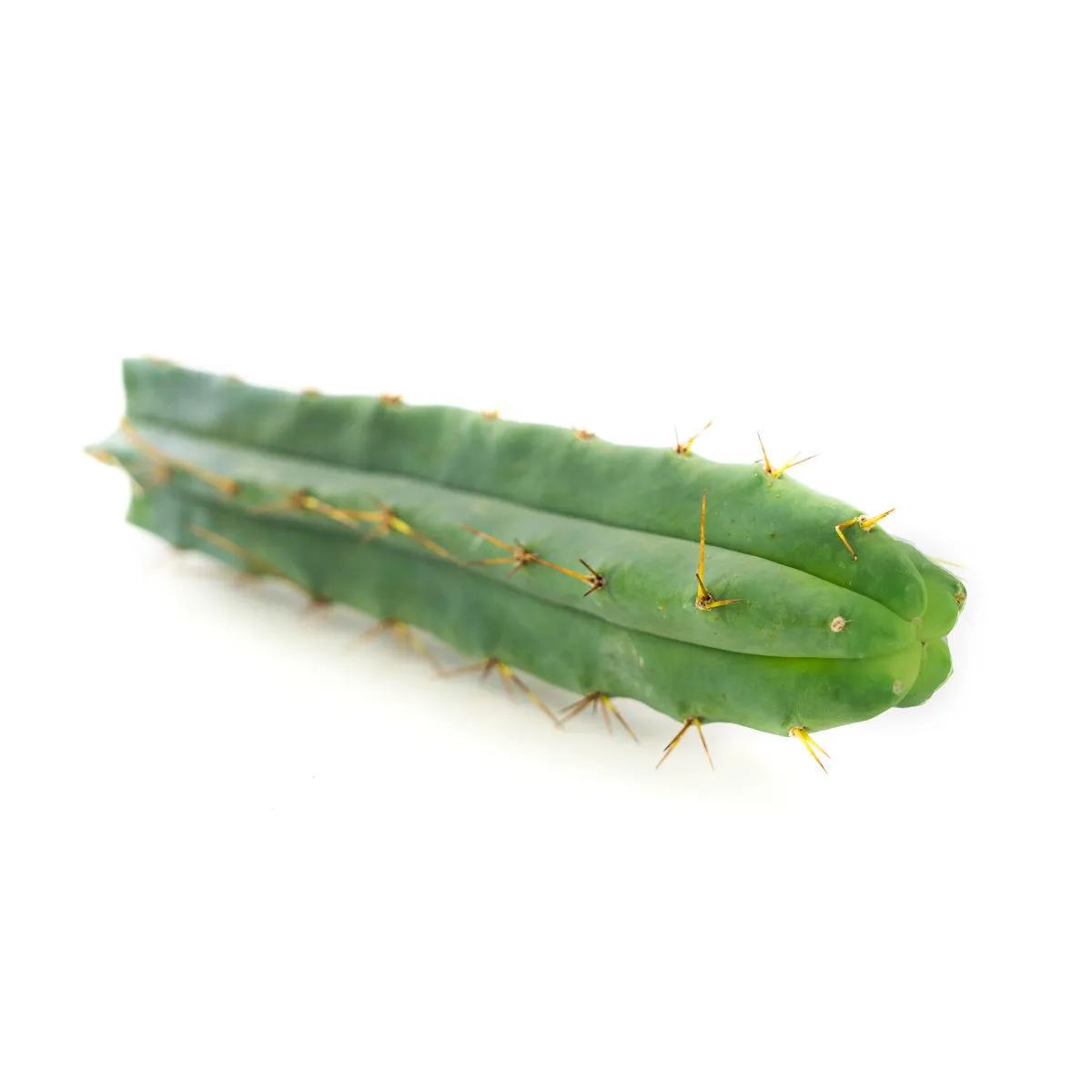
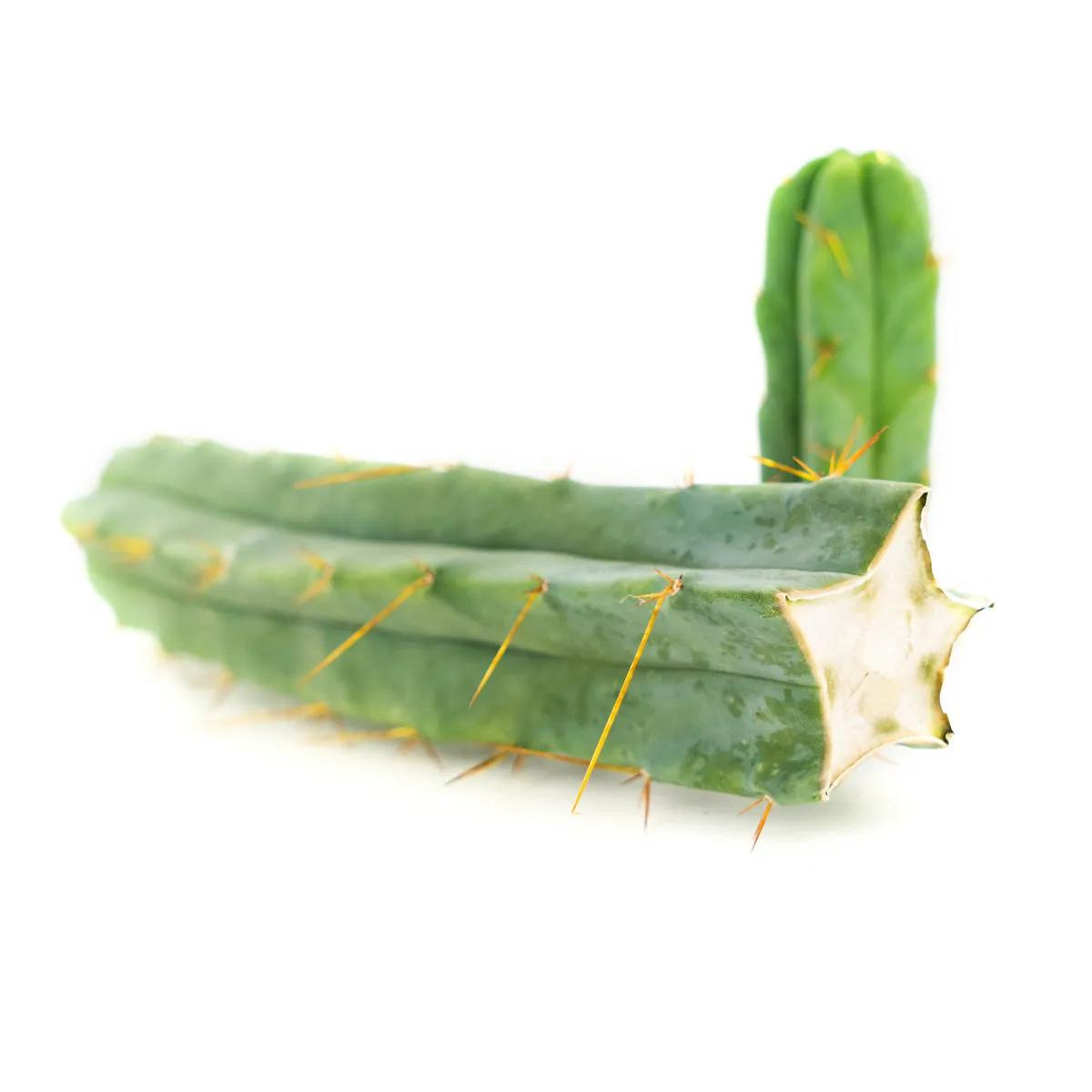
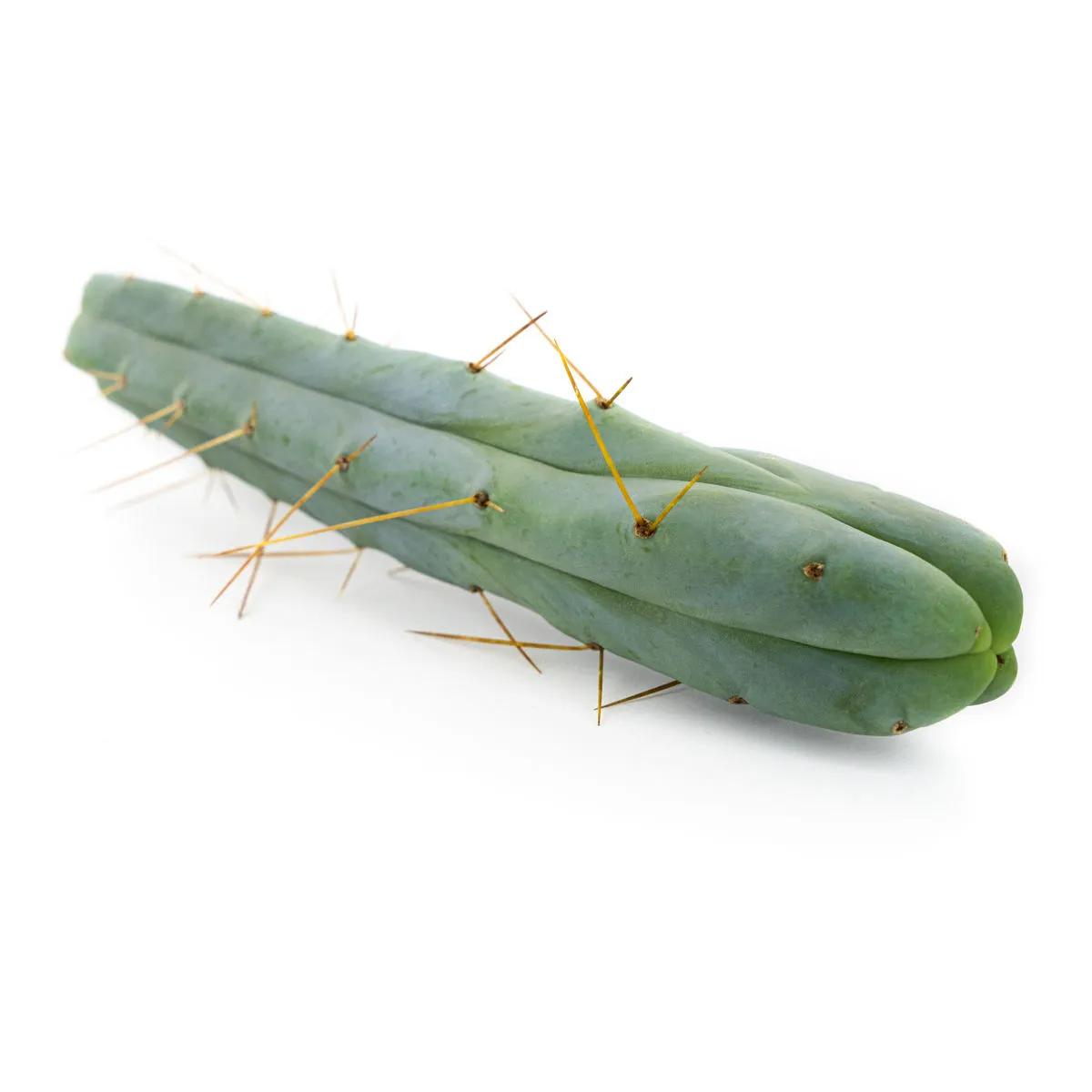
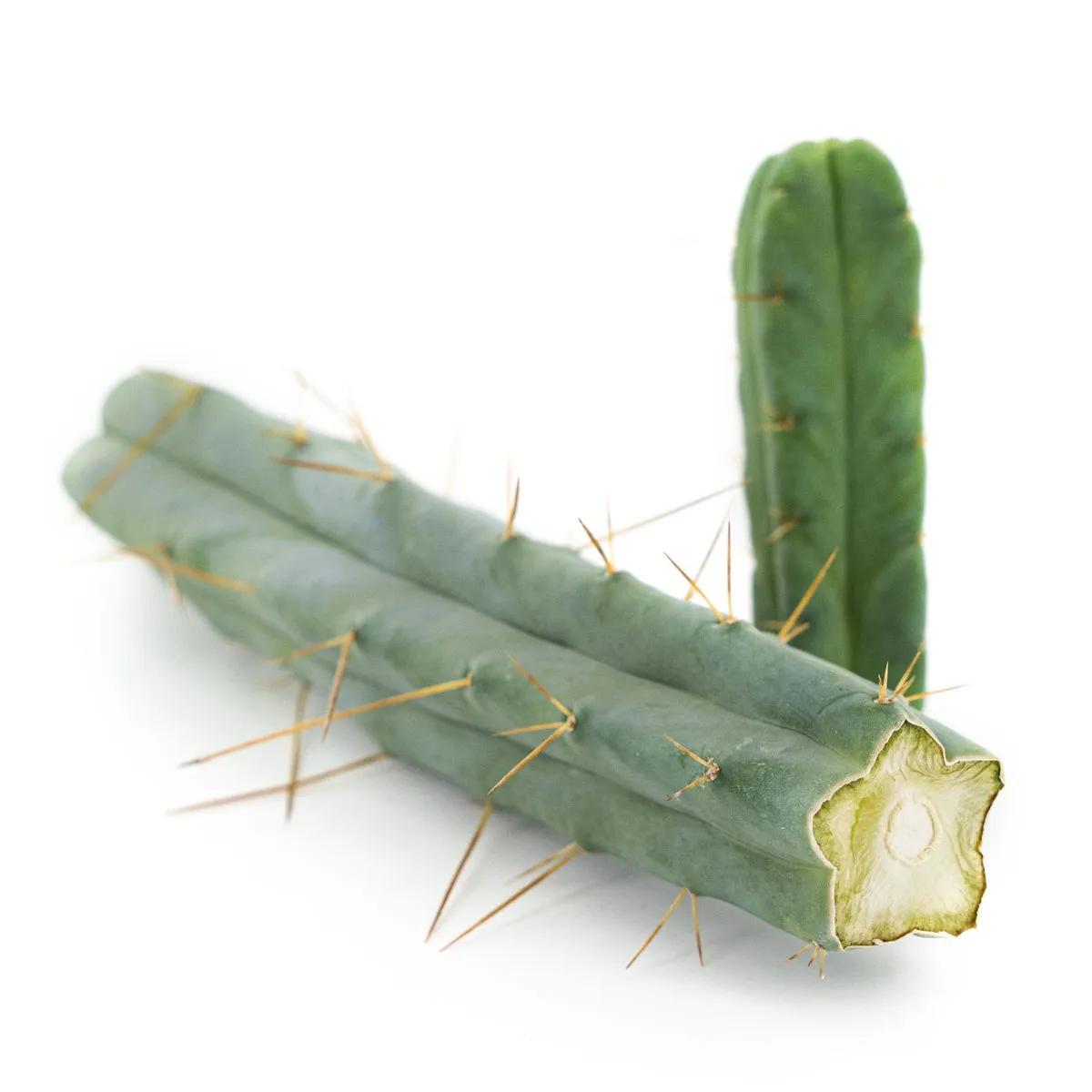
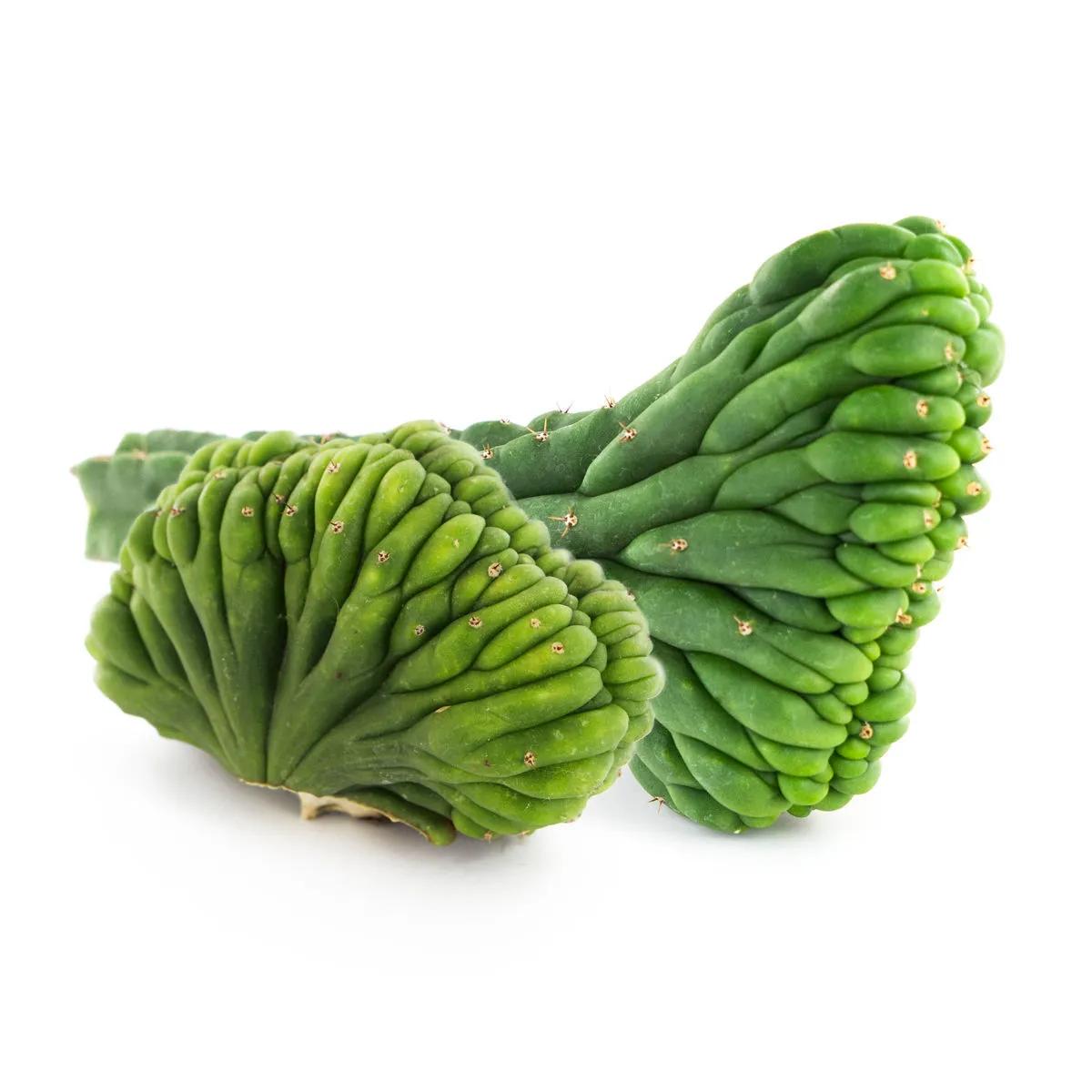
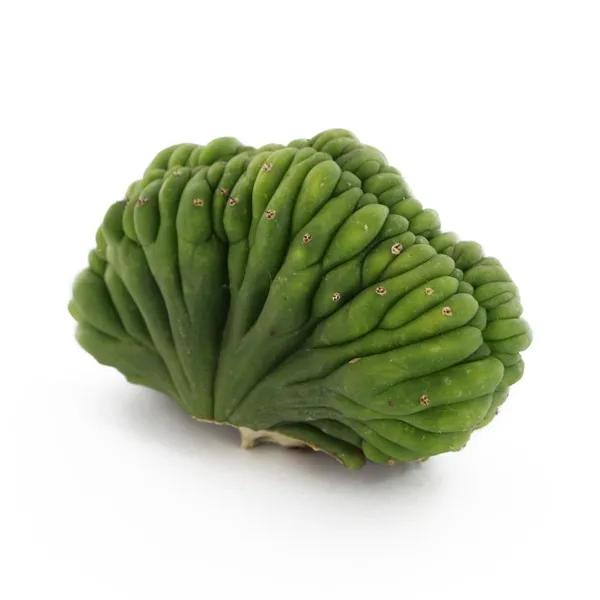
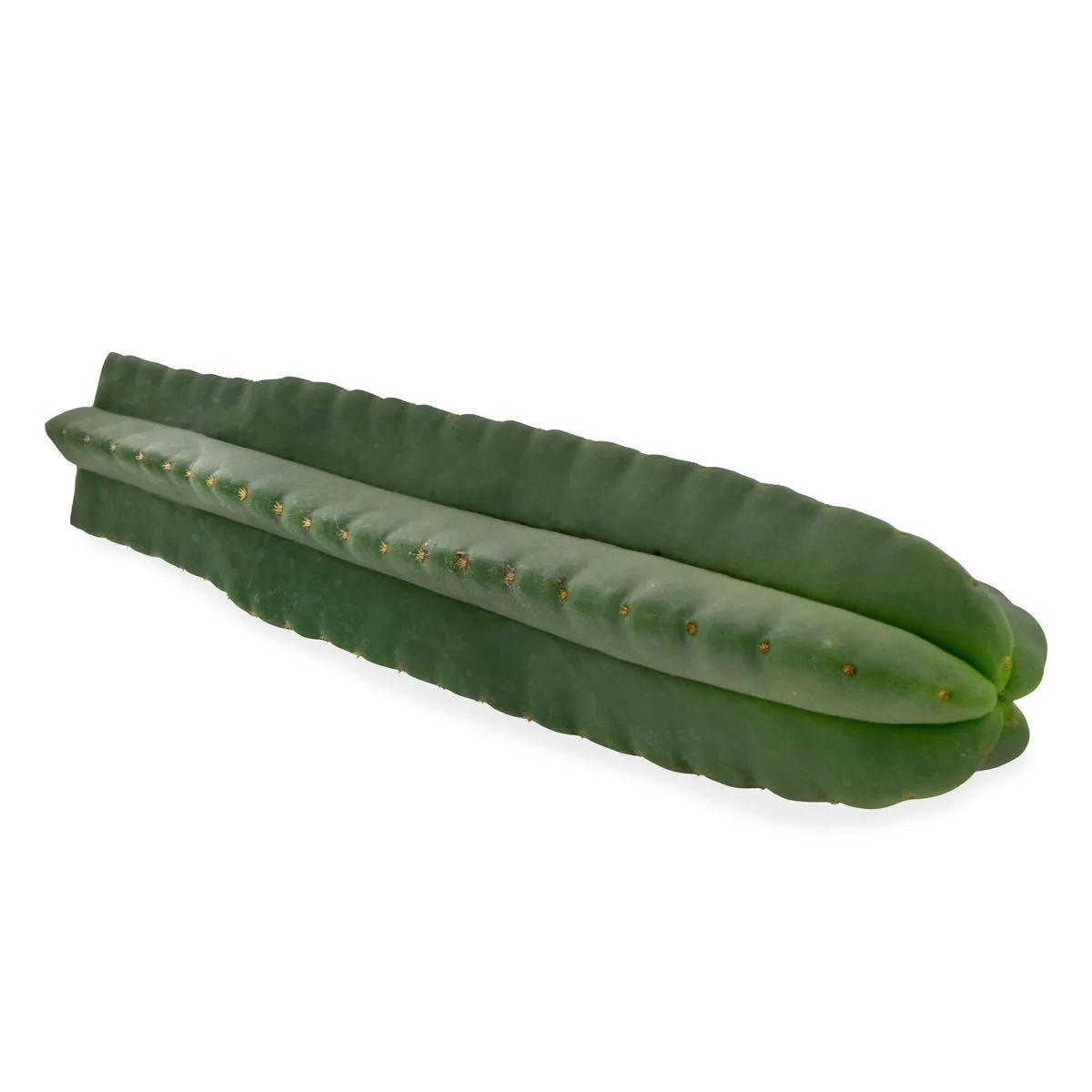
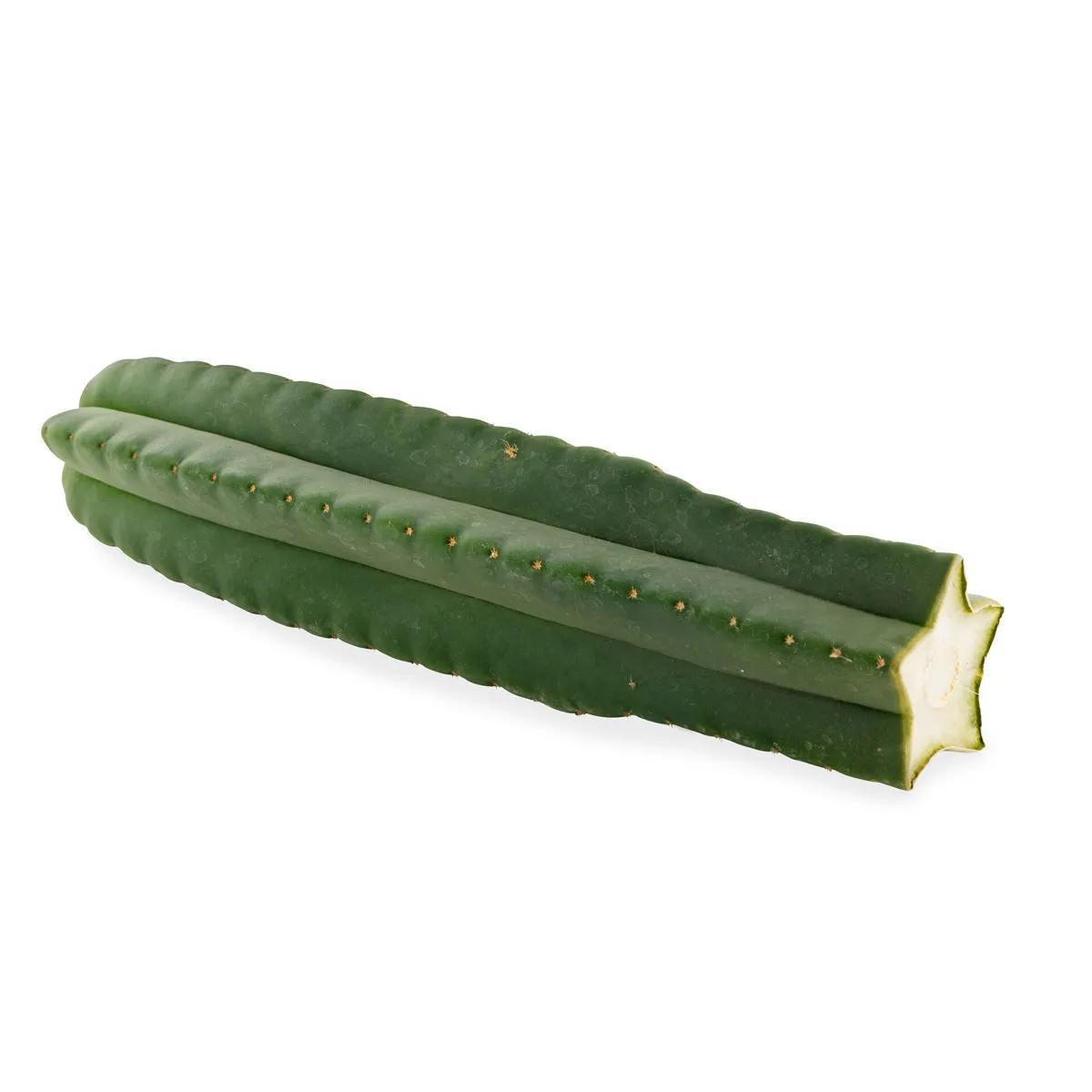
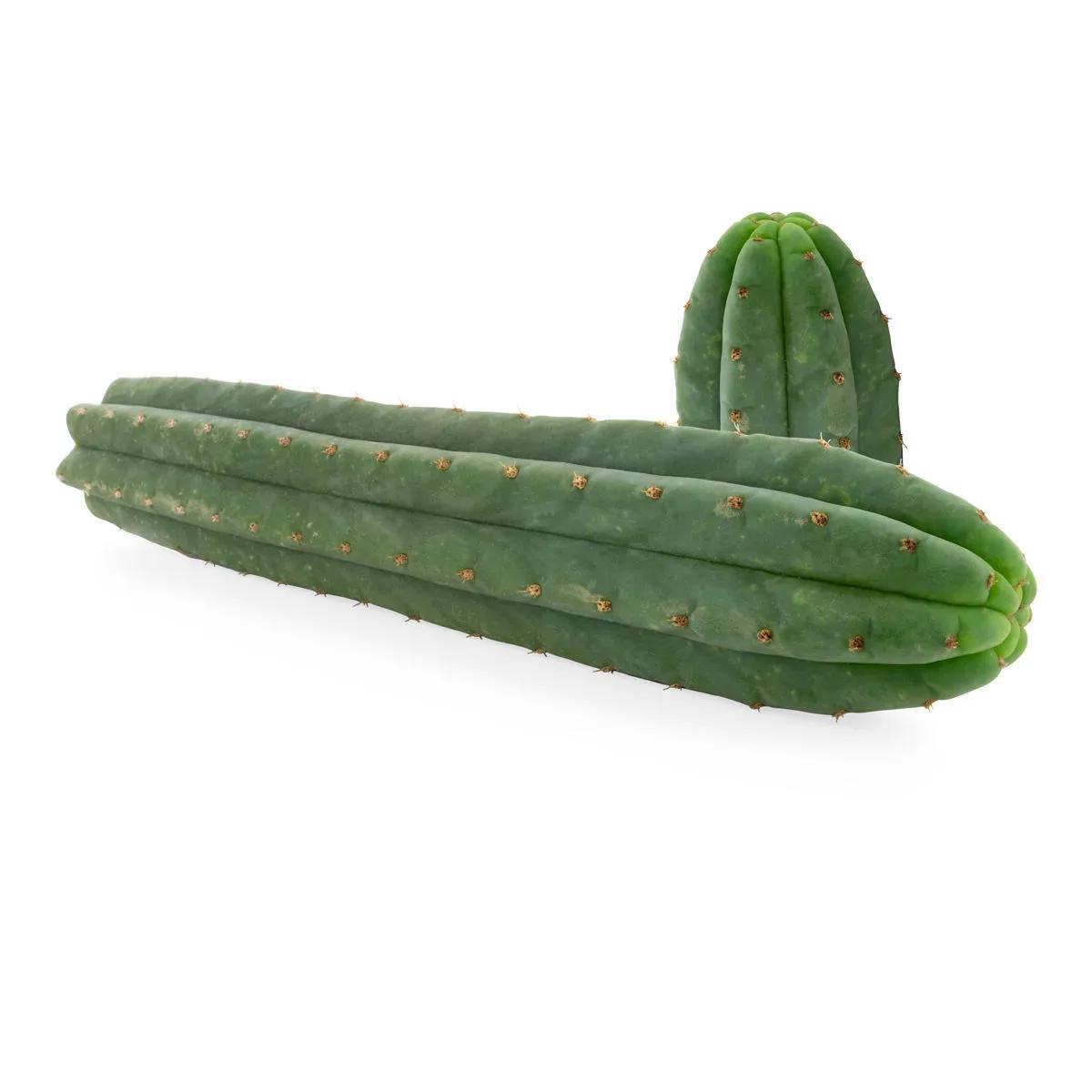
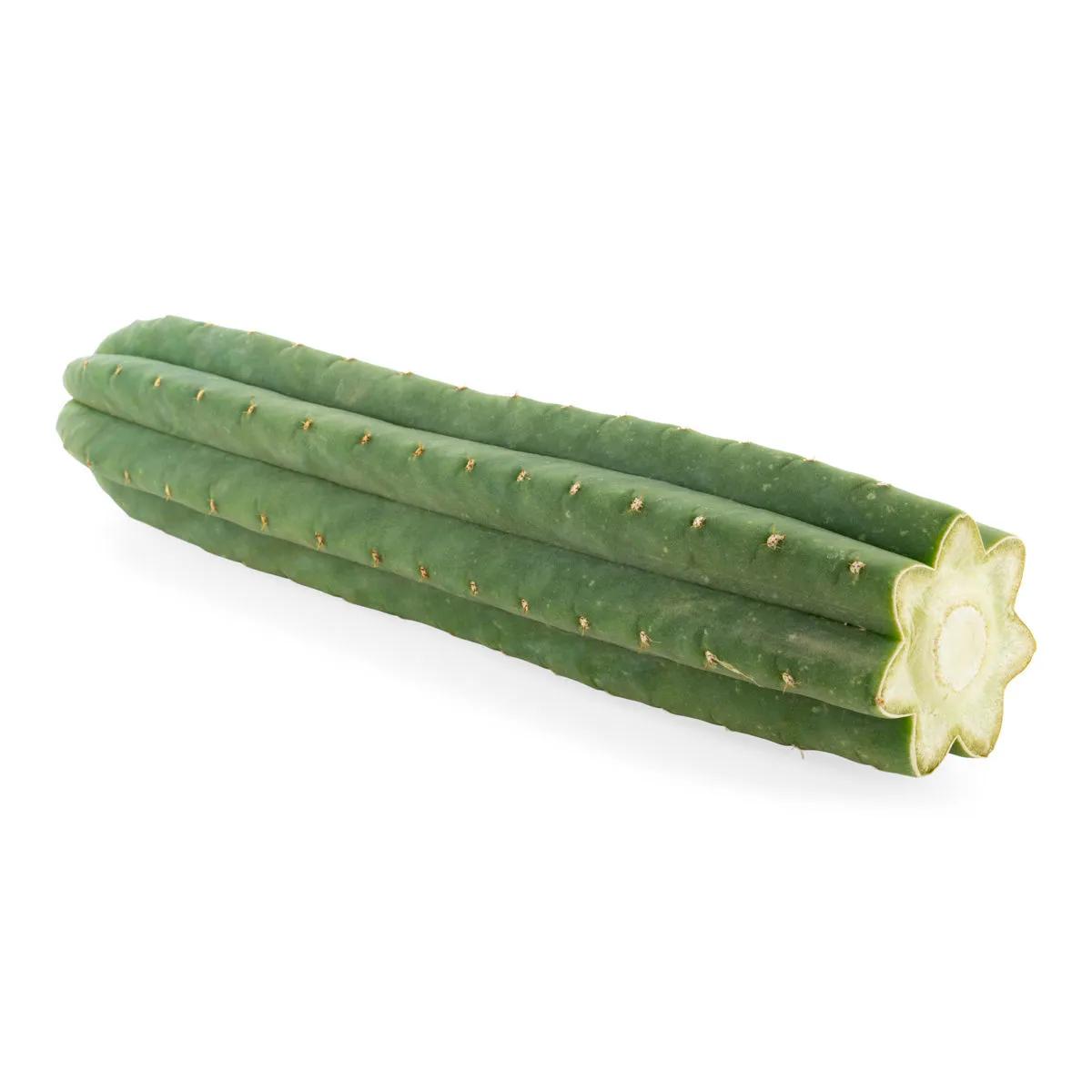
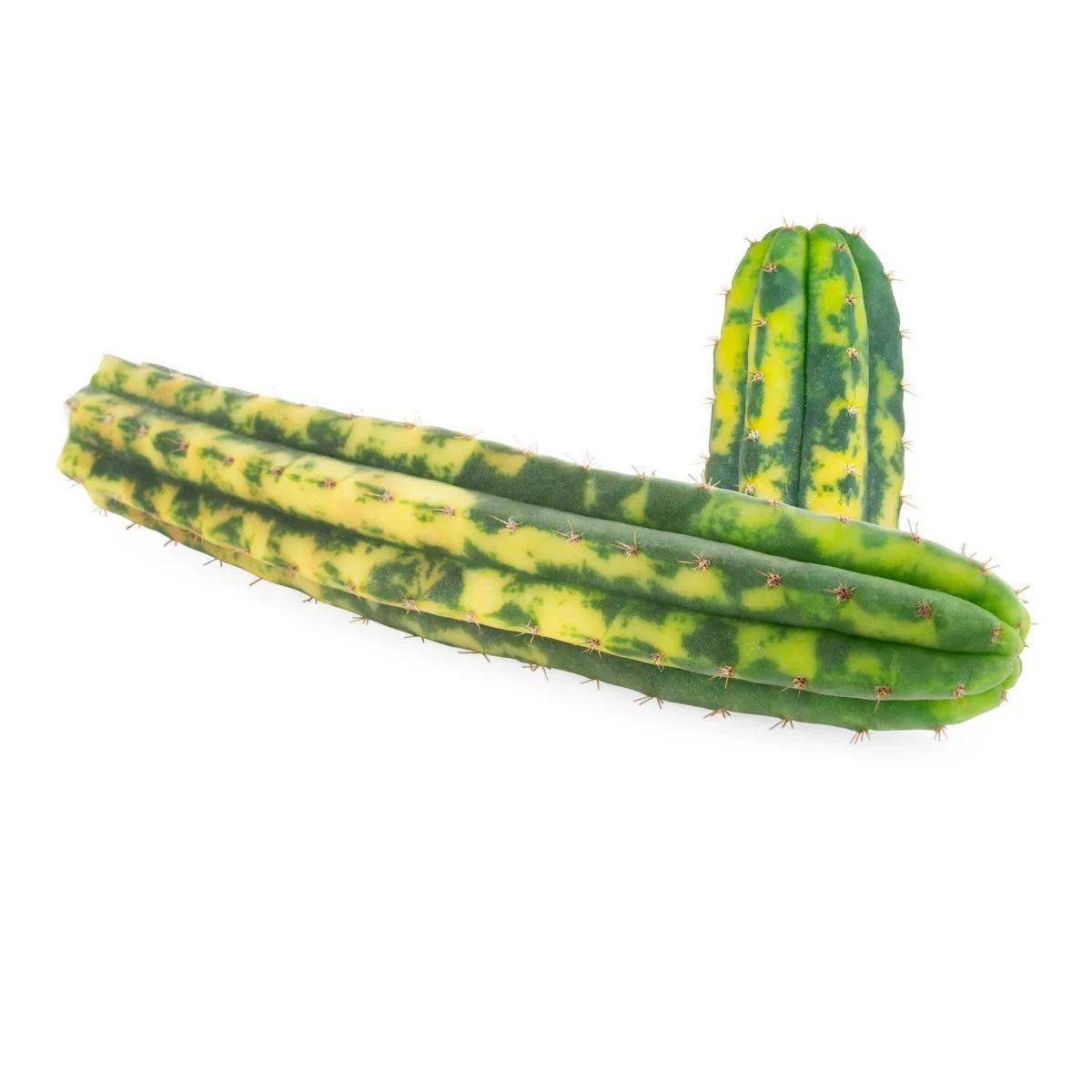
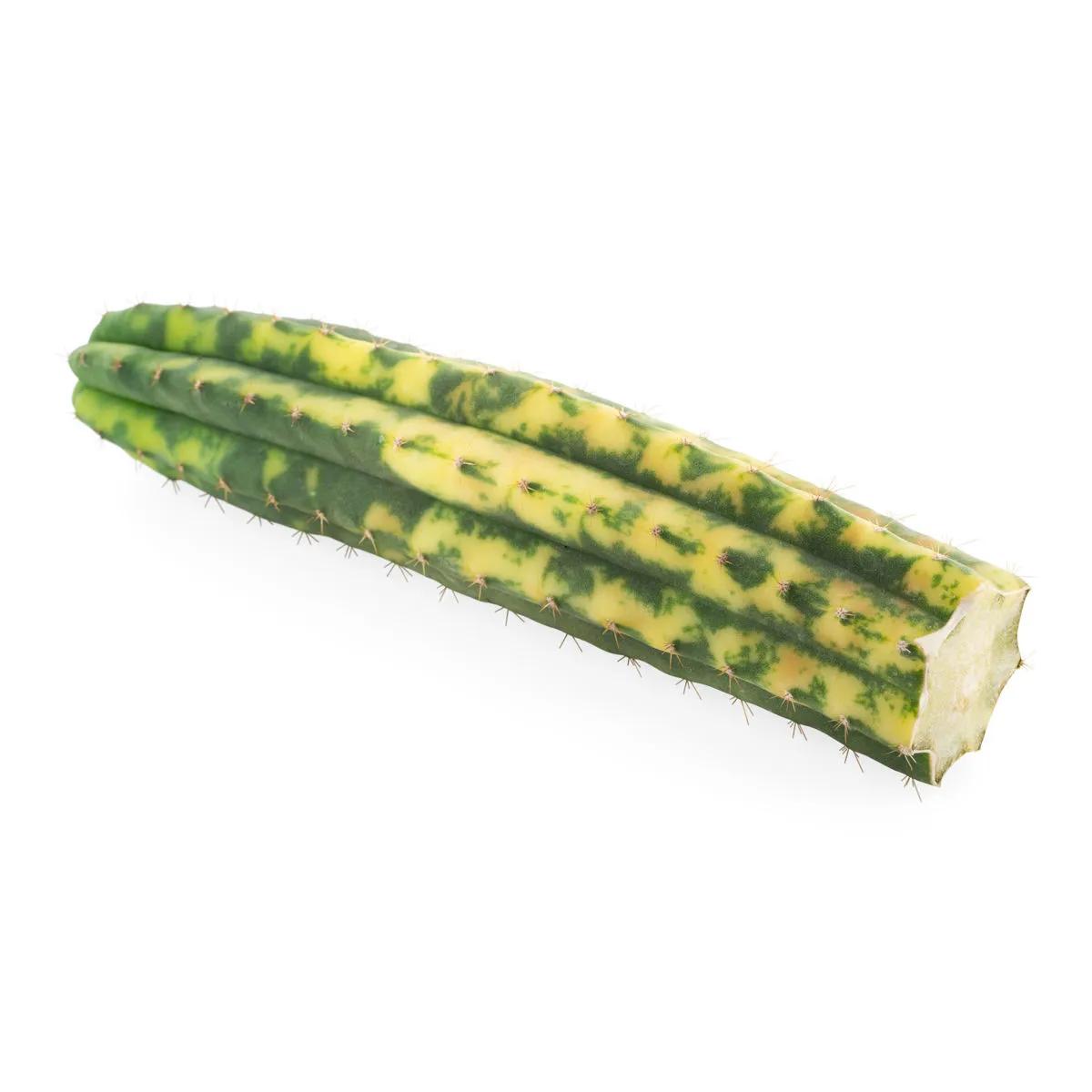
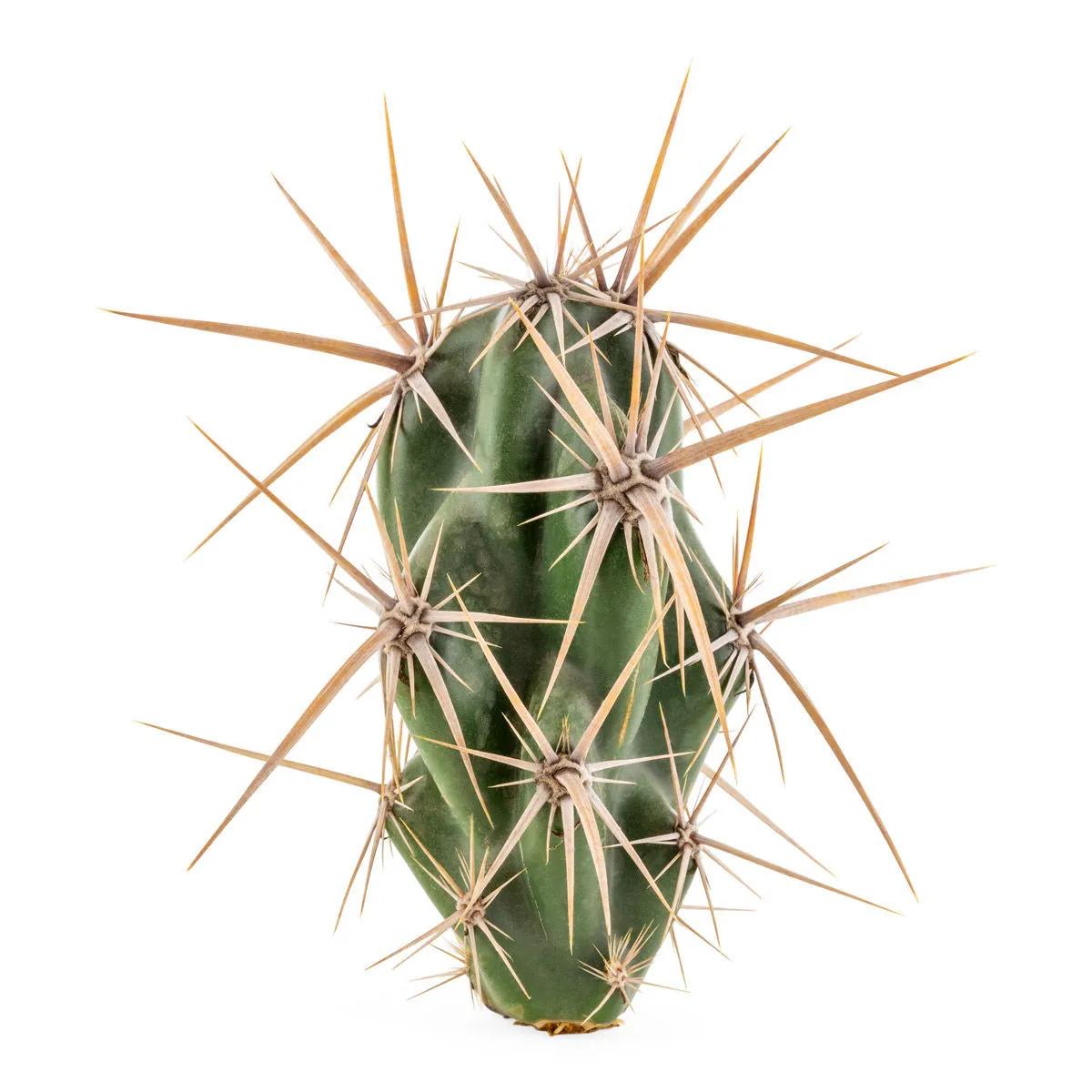
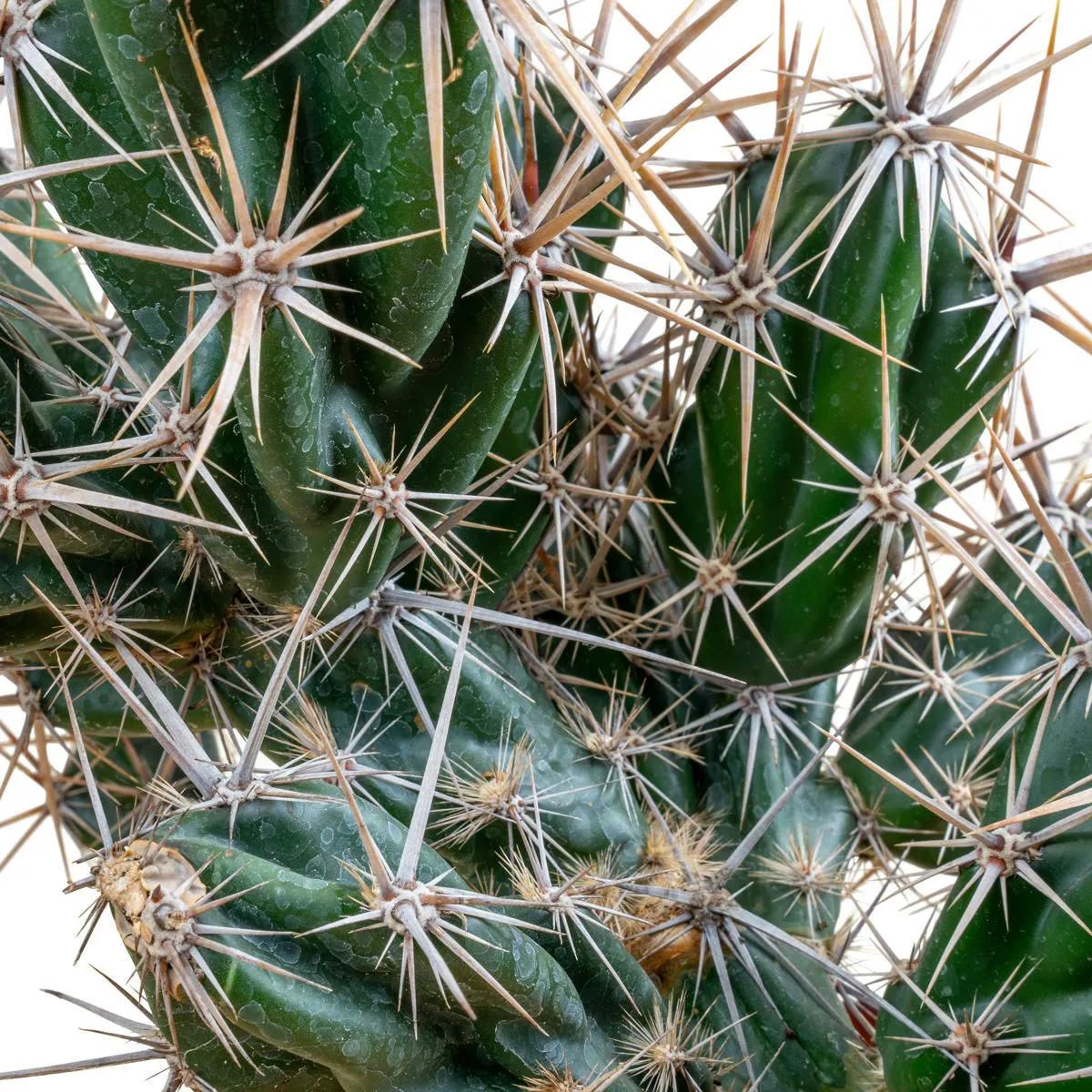
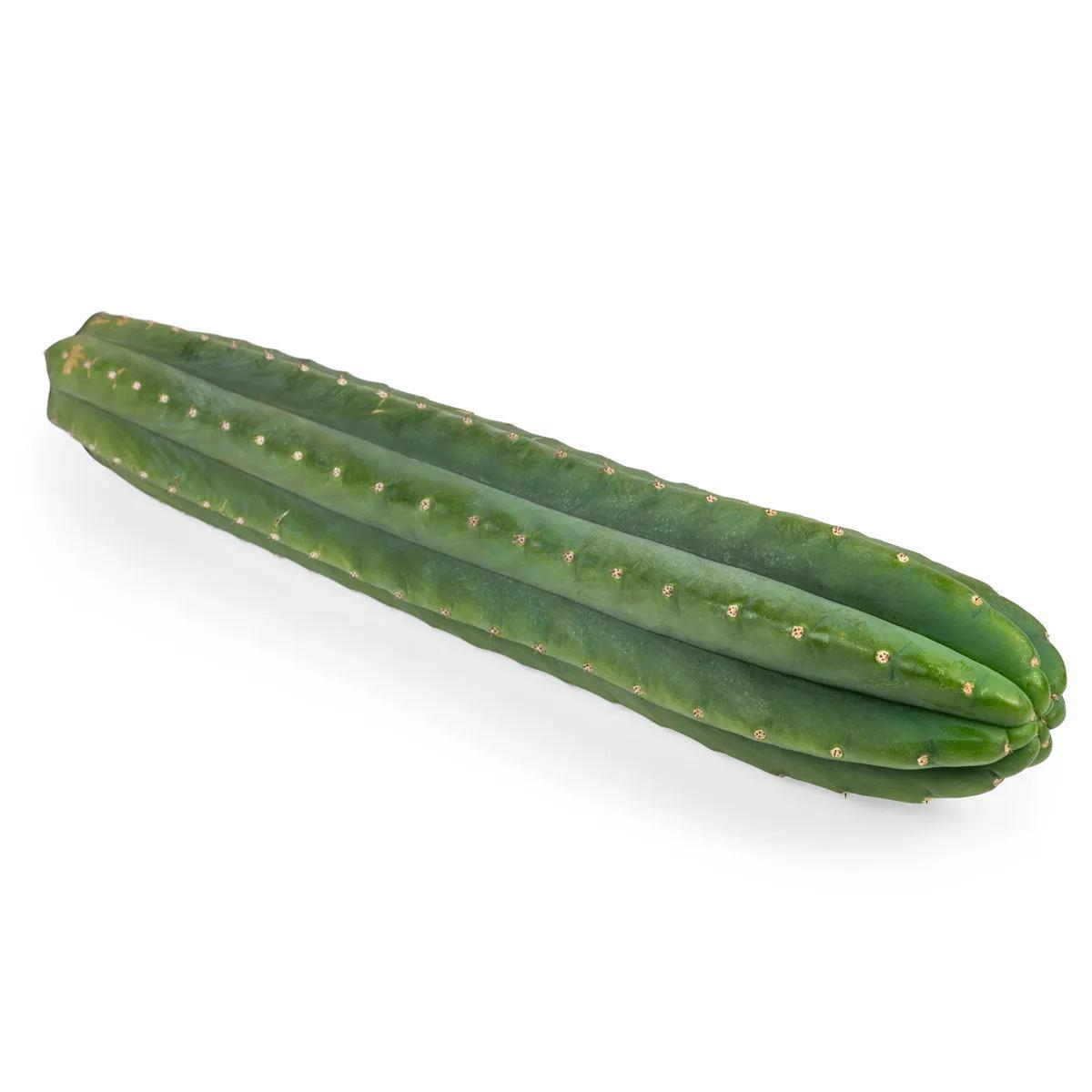
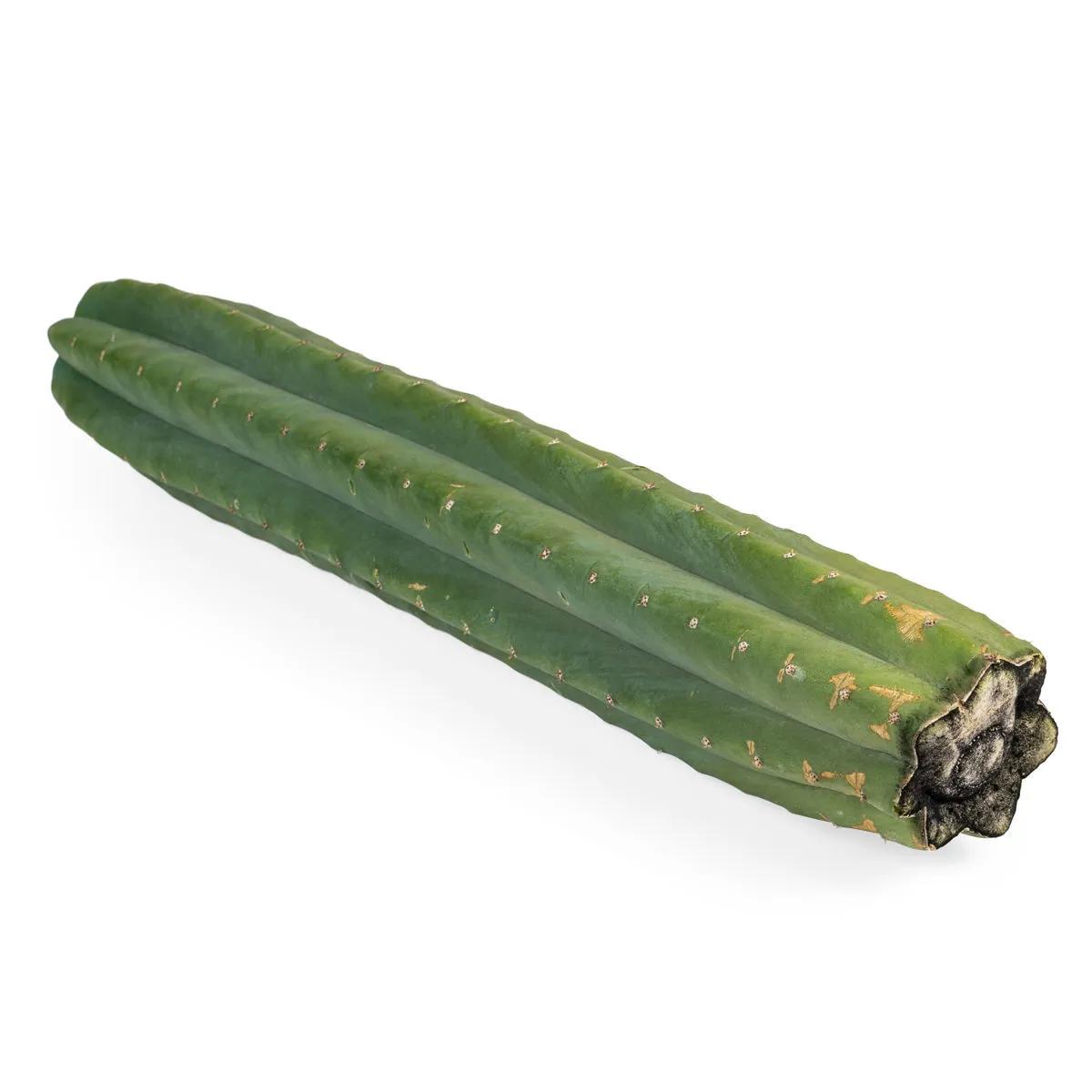
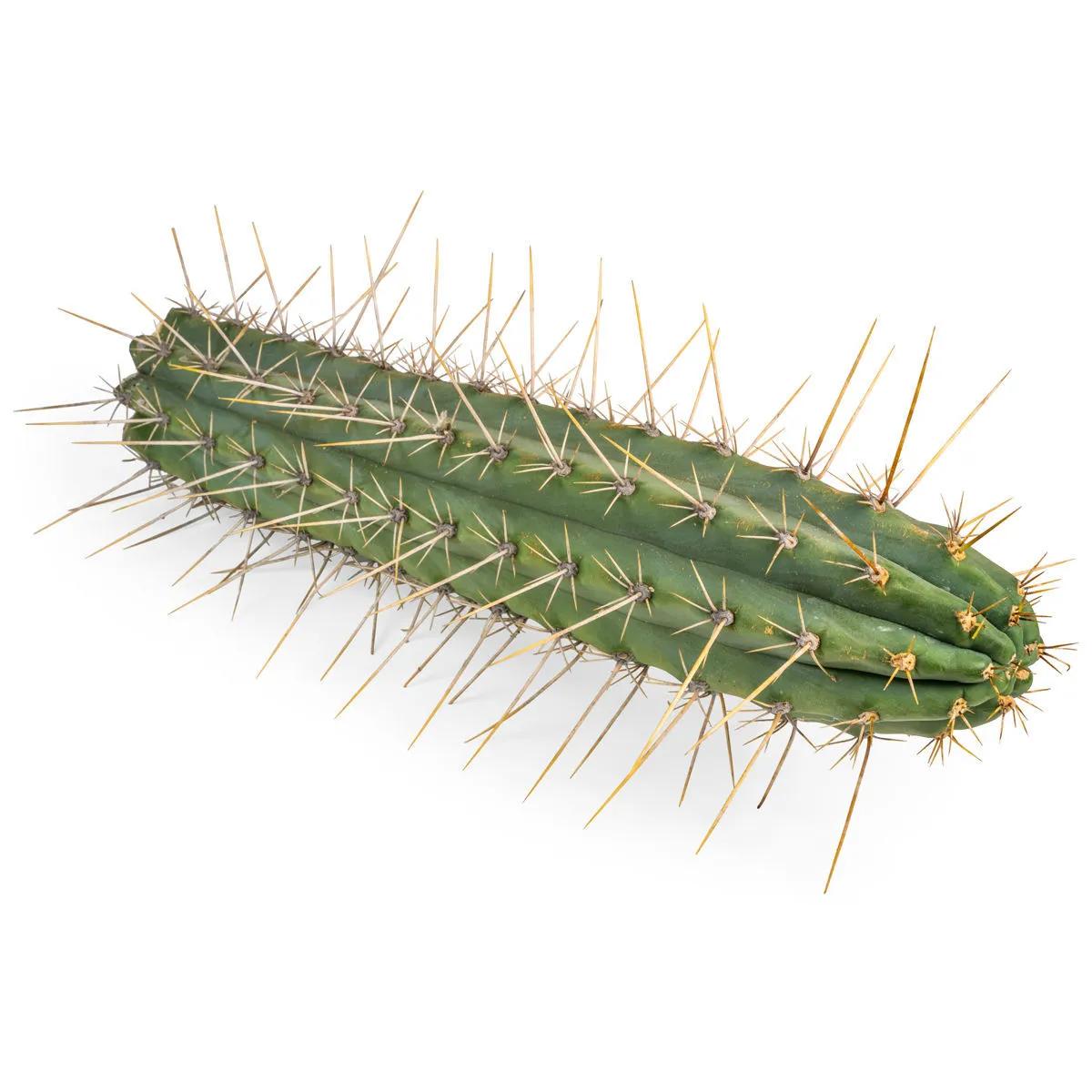
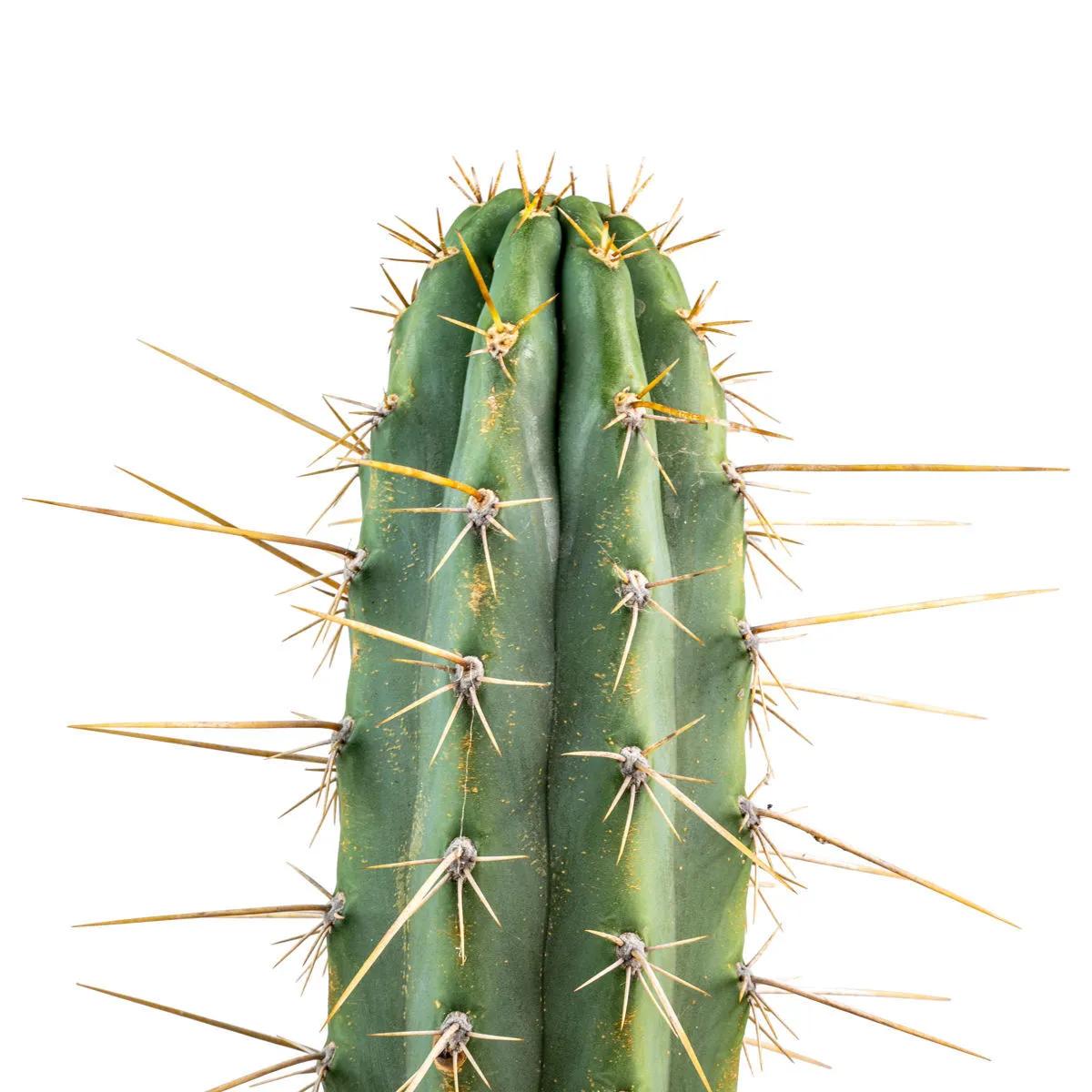
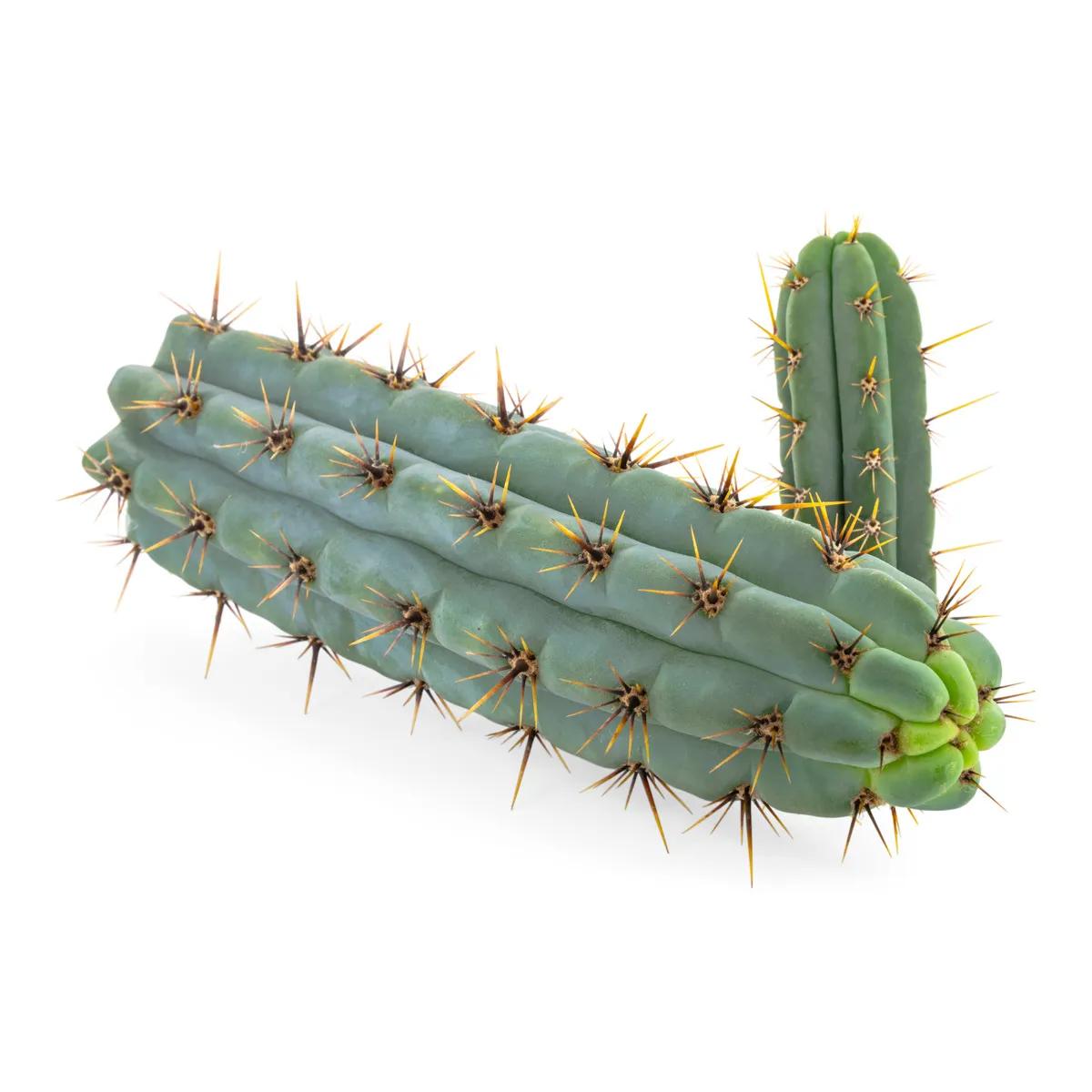
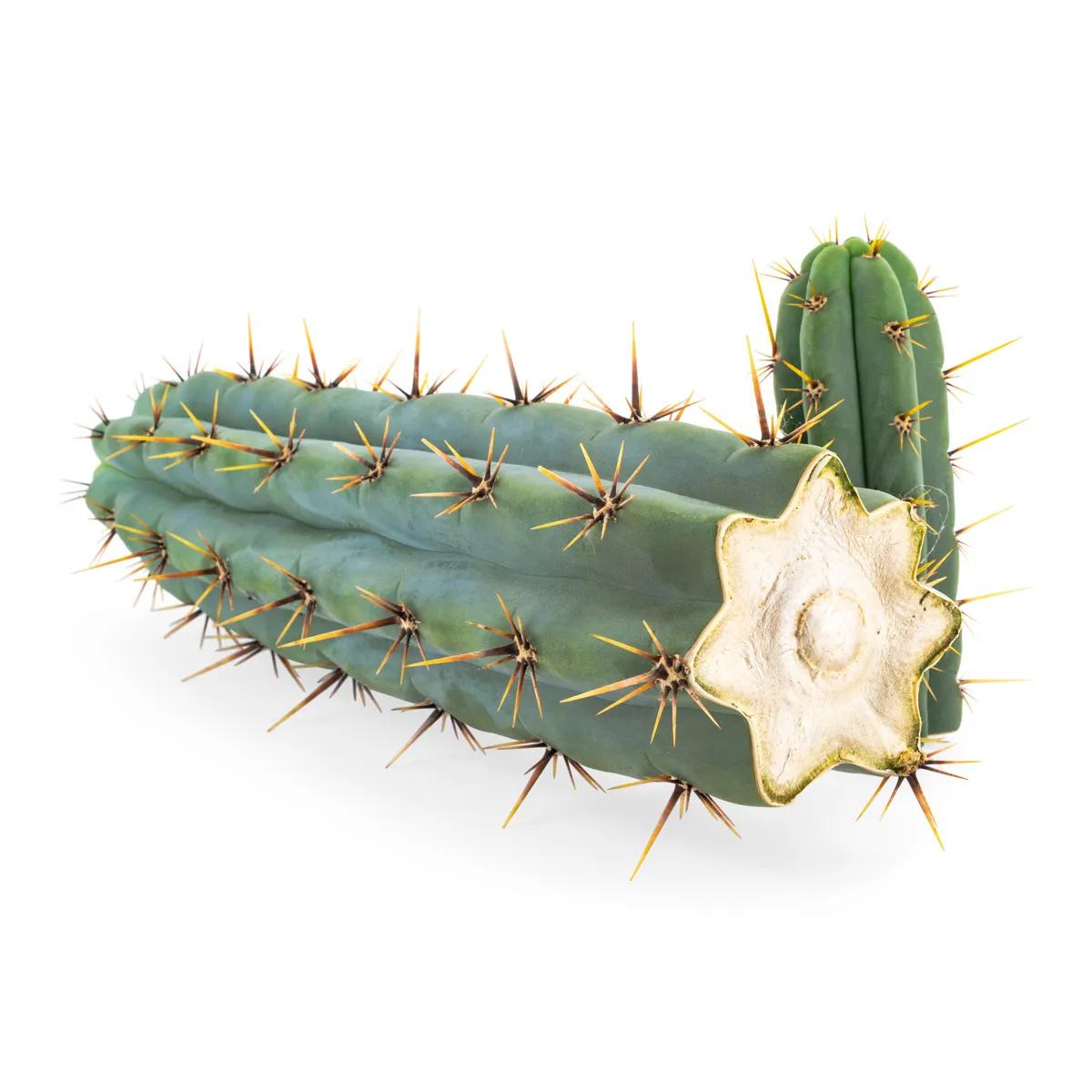
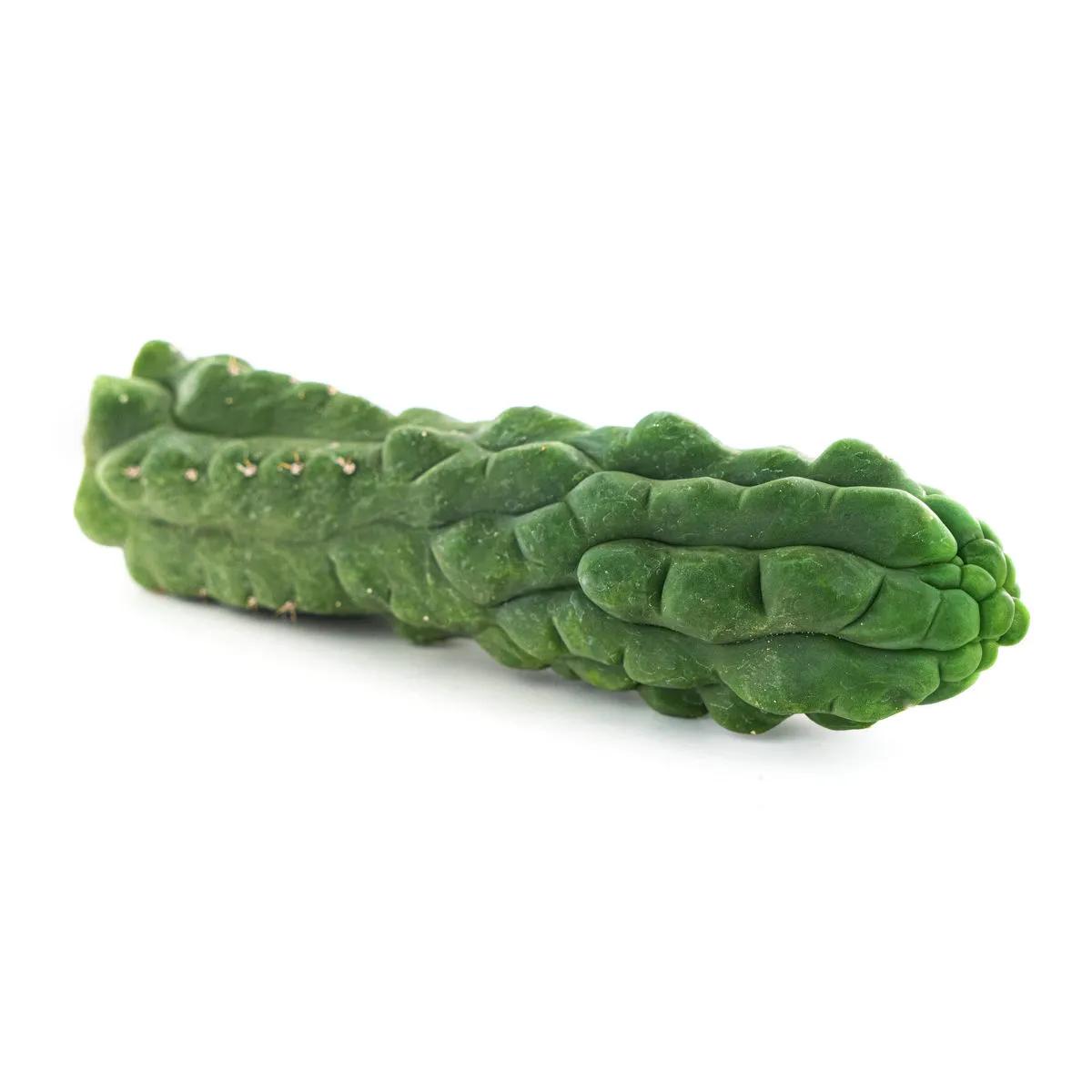
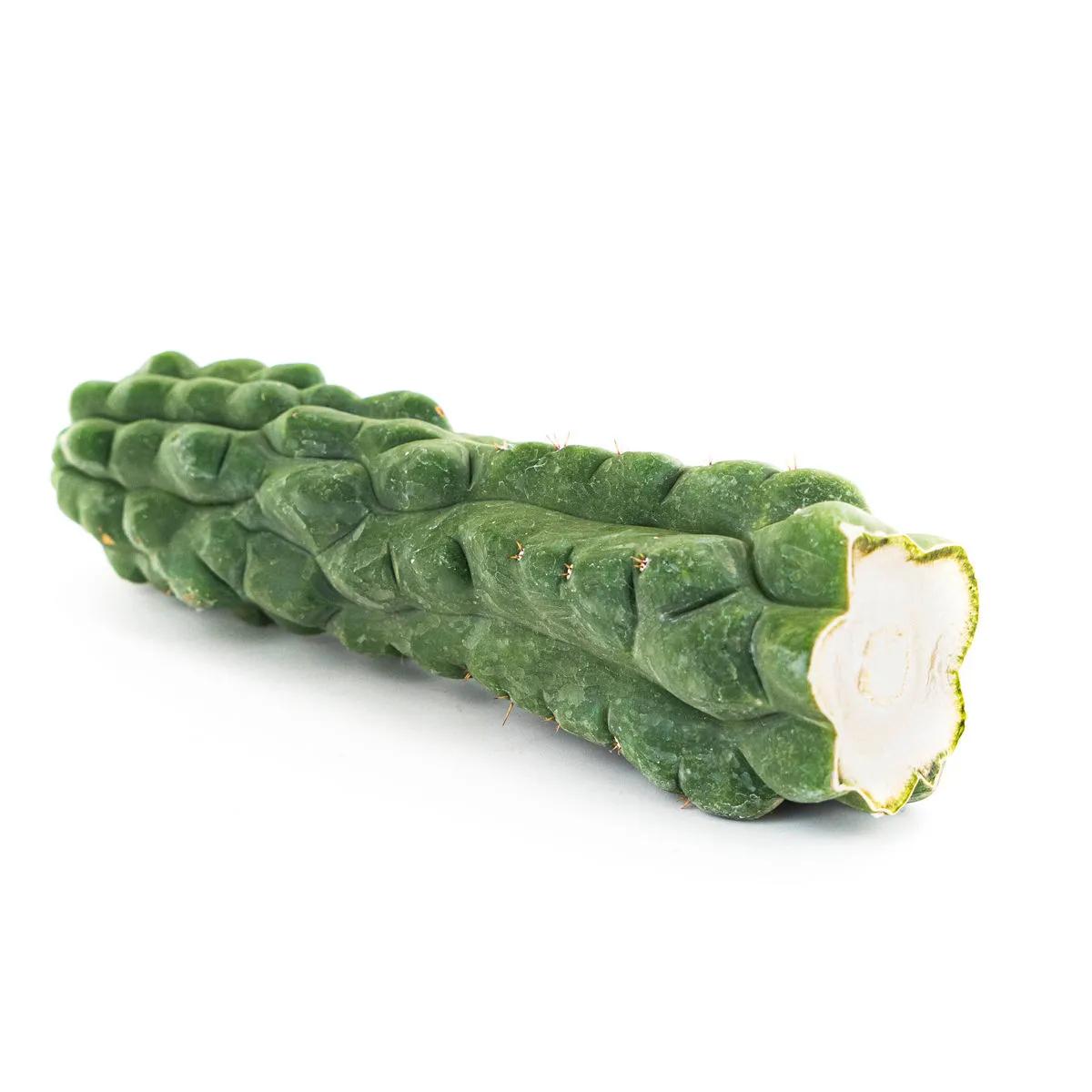
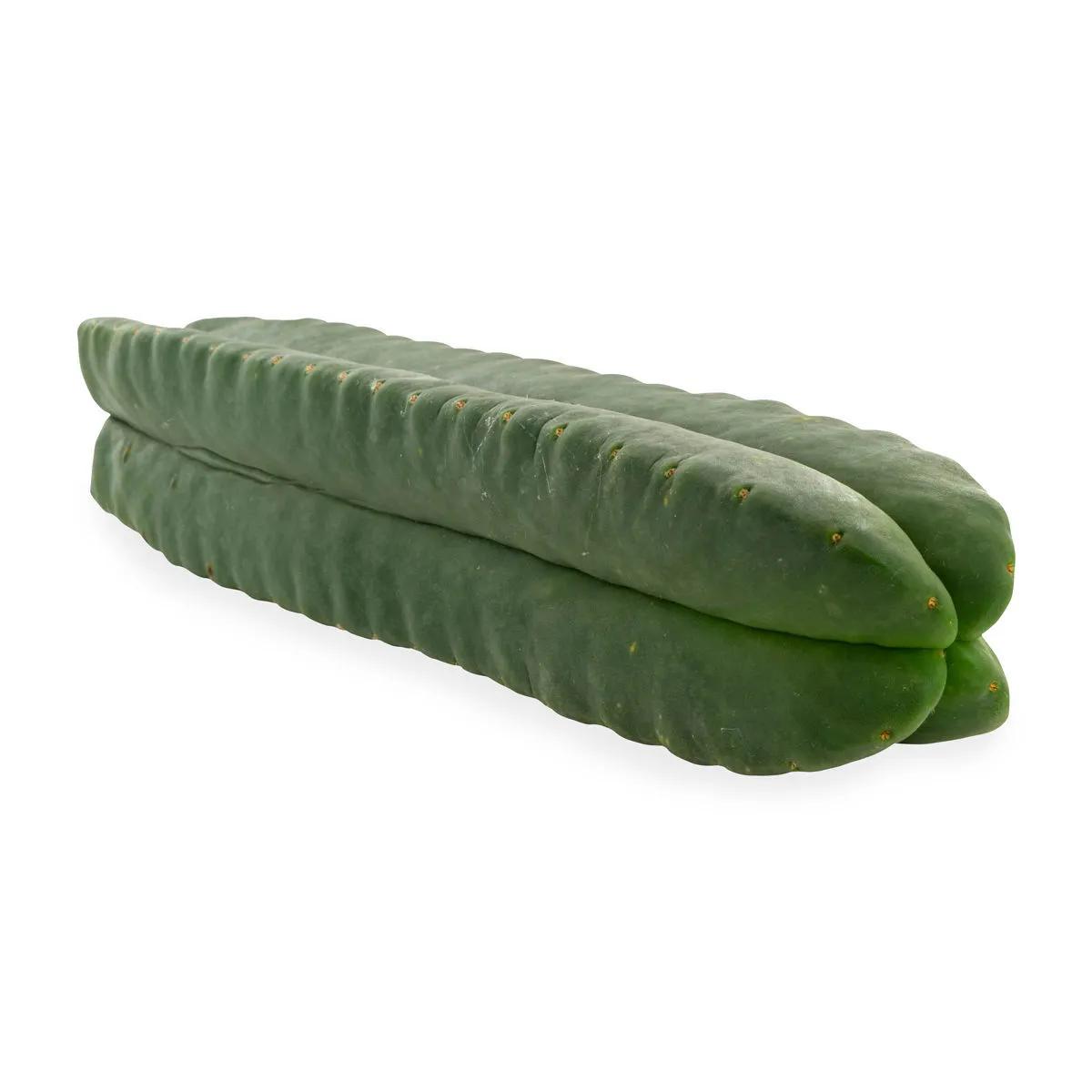
Mescaline cacti are slow-growing columnar and button cacti from South and Central America that produce the psychoactive alkaloid mescaline, used ceremonially for over 5,000 years. Azarius has been selling live cacti and seeds since 1999 — this category groups 27 options across San Pedro, Peruvian Torch, Bolivian Torch, Peyote and rarer variants. Buy cuttings, seeds, or grafted plants, in sizes from 1 cm seedlings to 60 cm mature columns.
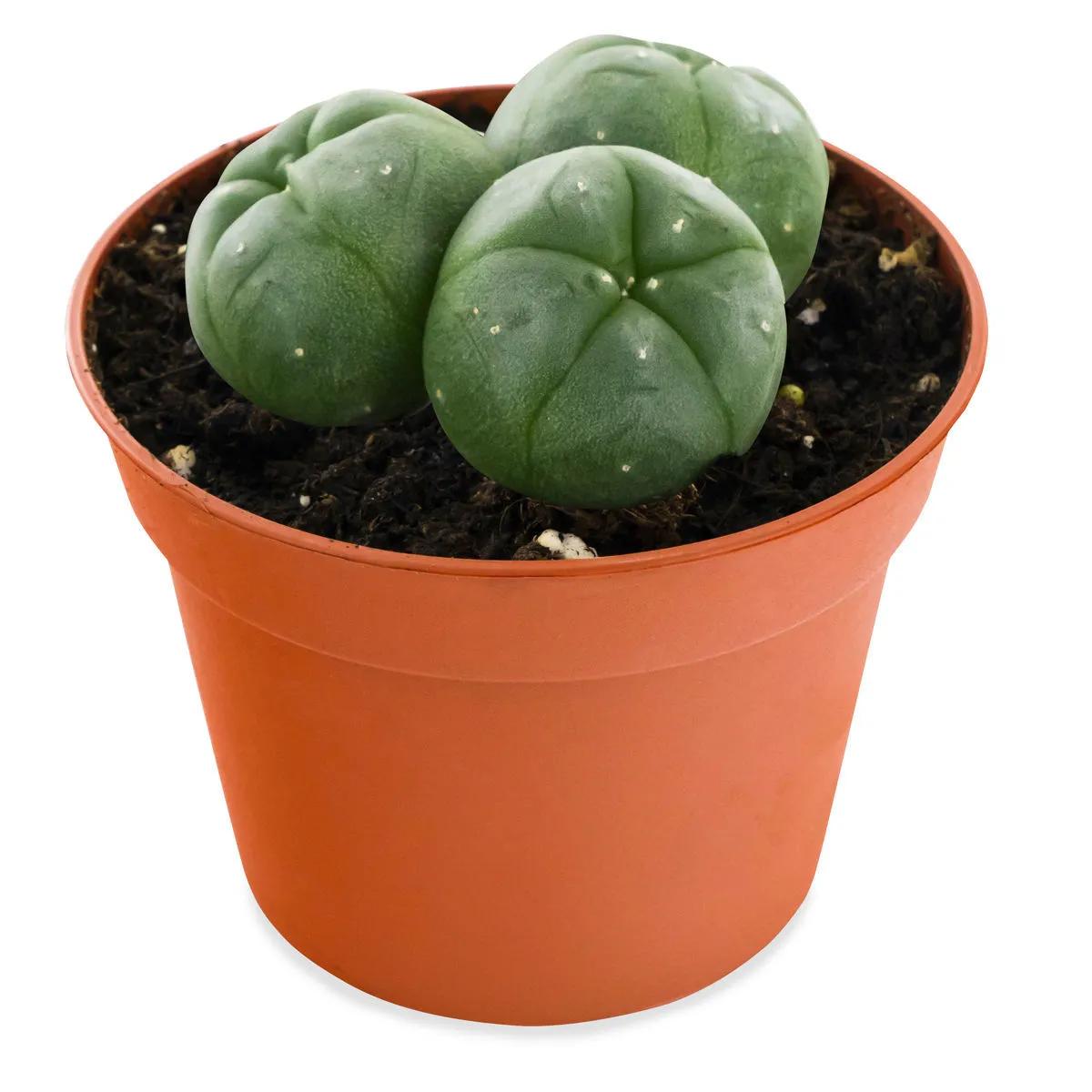
Unbranded
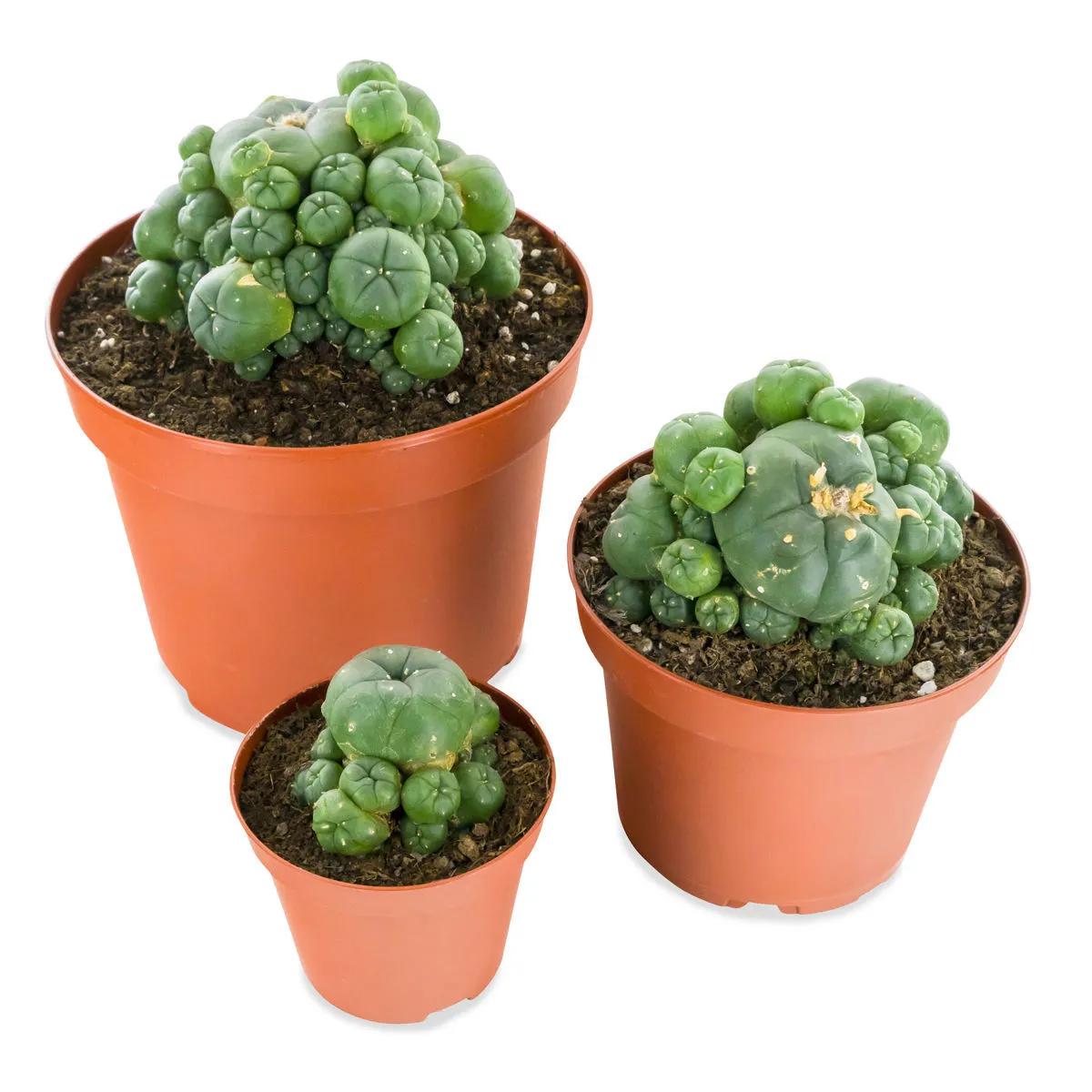
Peyote 3-Cluster
Mescaline cacti are slow-growing columnar and button cacti from South and Central America that produce the psychoactive alkaloid mescaline, used ceremonially for over 5,000 years. Azarius has been selling live cacti and seeds since 1999 — this category groups 27 options across San Pedro, Peruvian Torch, Bolivian Torch, Peyote and rarer variants. Buy cuttings, seeds, or grafted plants, in sizes from 1 cm seedlings to 60 cm mature columns.
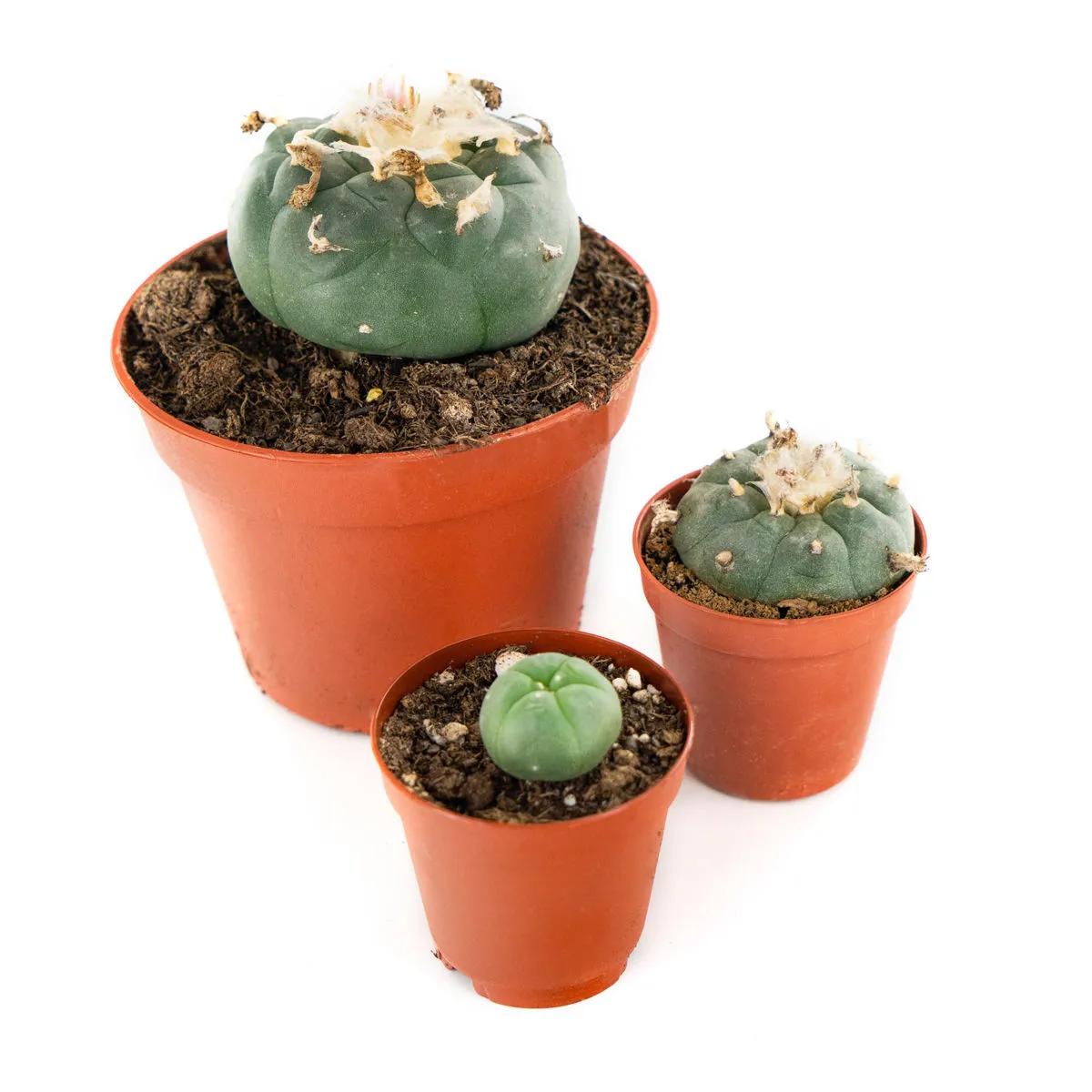
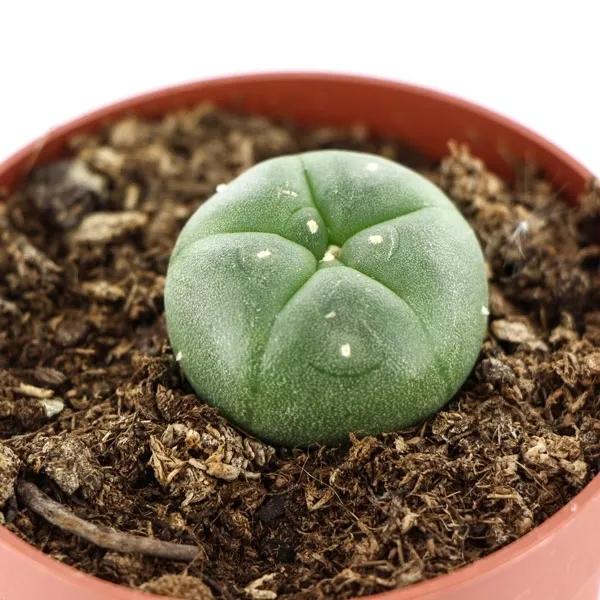
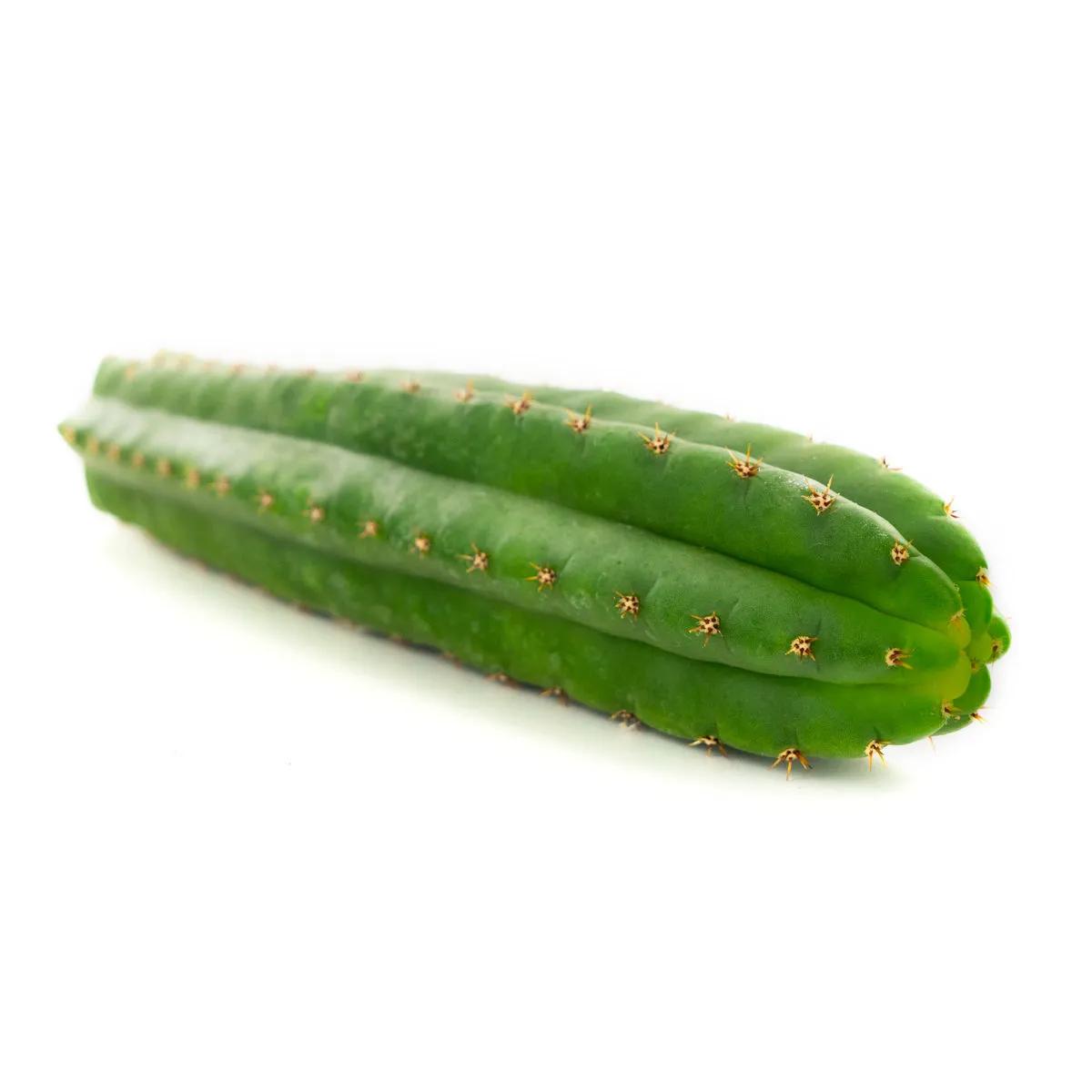
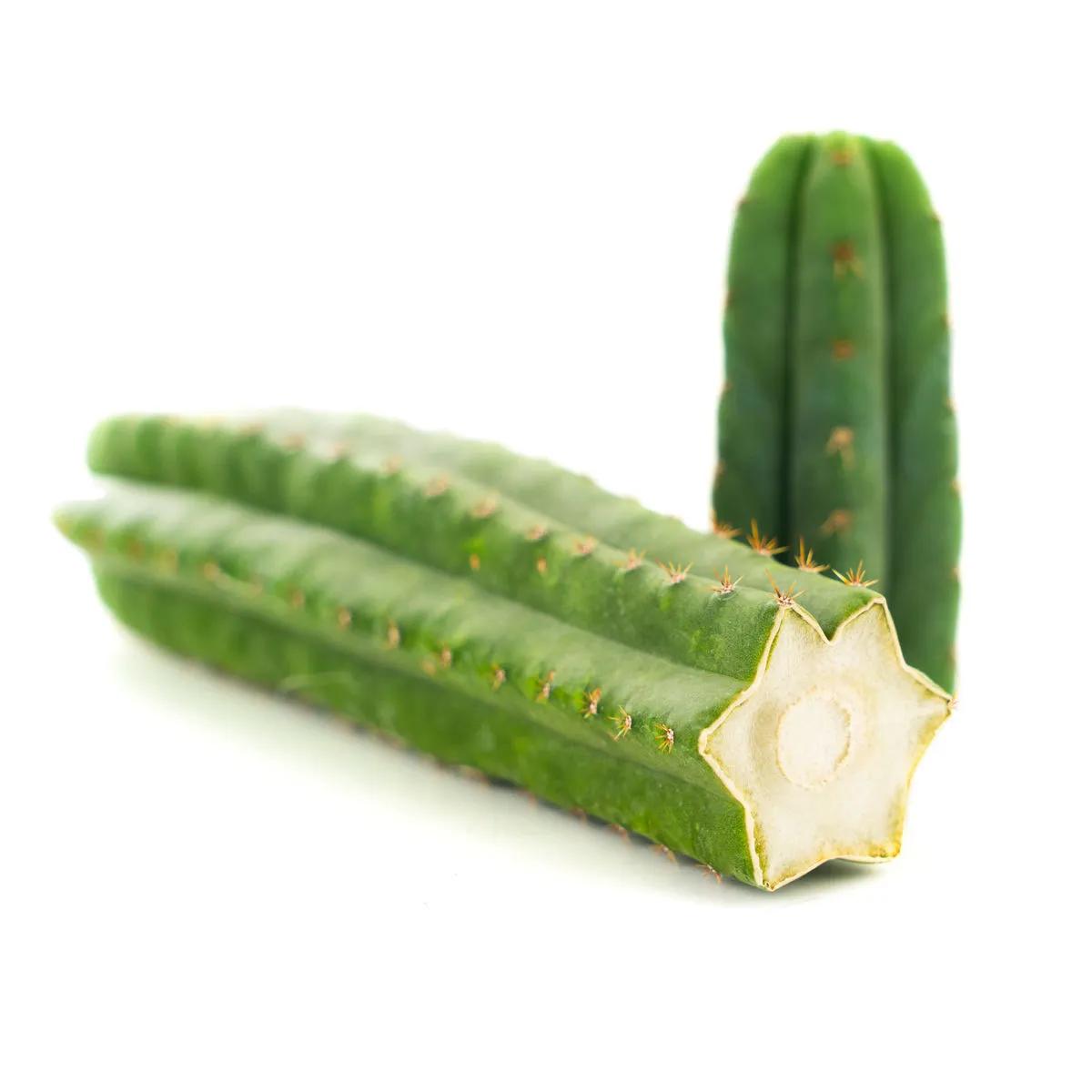
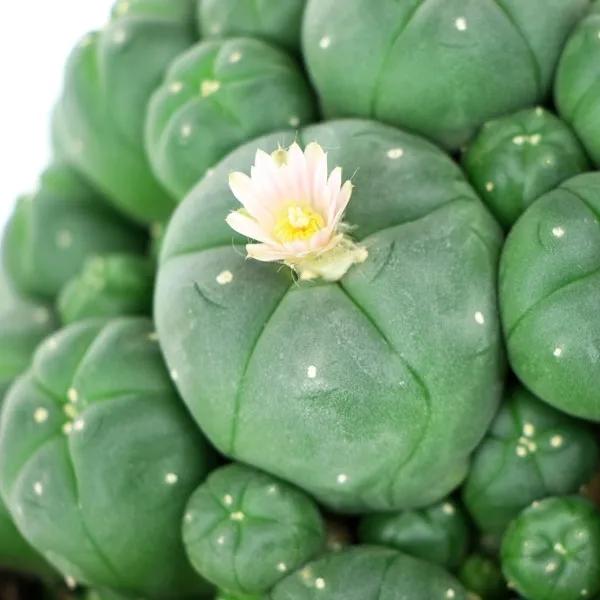
Mescaline cacti split into two families that behave very differently in your living room. The columnar Andean cacti — San Pedro, Peruvian Torch, Bolivian Torch, Super Pedro, Echinopsis macrogona, Echinopsis cuzcoensis — put on 15 to 40 cm of new growth per year and root from a cutting within weeks. The button cacti — Peyote (Lophophora williamsii) and Lophophora decipiens — grow roughly 1 cm per year and reward decades of patience. Same alkaloid family, completely different project.
If you want a plant that visibly changes on your windowsill, shop the columnar Echinopsis family. If you want a sacred button that outlives your houseplants and your sofa, buy a peyote. We carry both, and we'll happily steer you toward the one that matches your attention span.
| Cactus | Growth speed | Starter format | Good for |
|---|---|---|---|
| San Pedro (Echinopsis pachanoi) | 30–40 cm/year | Cutting or seed | First-time buyers who want visible progress |
| Peruvian Torch (E. peruviana) | 15–20 cm/year | Cutting | Growers who already own a San Pedro |
| Bolivian Torch (E. lageniformis) | 20–30 cm/year | Cutting | Collectors after Andean ceremonial lineage |
| Super Pedro (E. scopulicola) | 25–35 cm/year | Cutting | Night-flower enthusiasts, short-spine preference |
| Echinopsis macrogona | 20–30 cm/year | Cutting | Blue-skinned specimen collectors |
| Echinopsis cuzcoensis | 20 cm/year, hardy to -9°C | Cutting | Outdoor growers in cooler climates |
| Peyote (Lophophora williamsii) | ~1 cm/year | Seed, seedling, grafted | Patient collectors, indoor growers |
| Lophophora decipiens | Faster than williamsii | Seedling | Peyote collectors wanting offsets sooner |
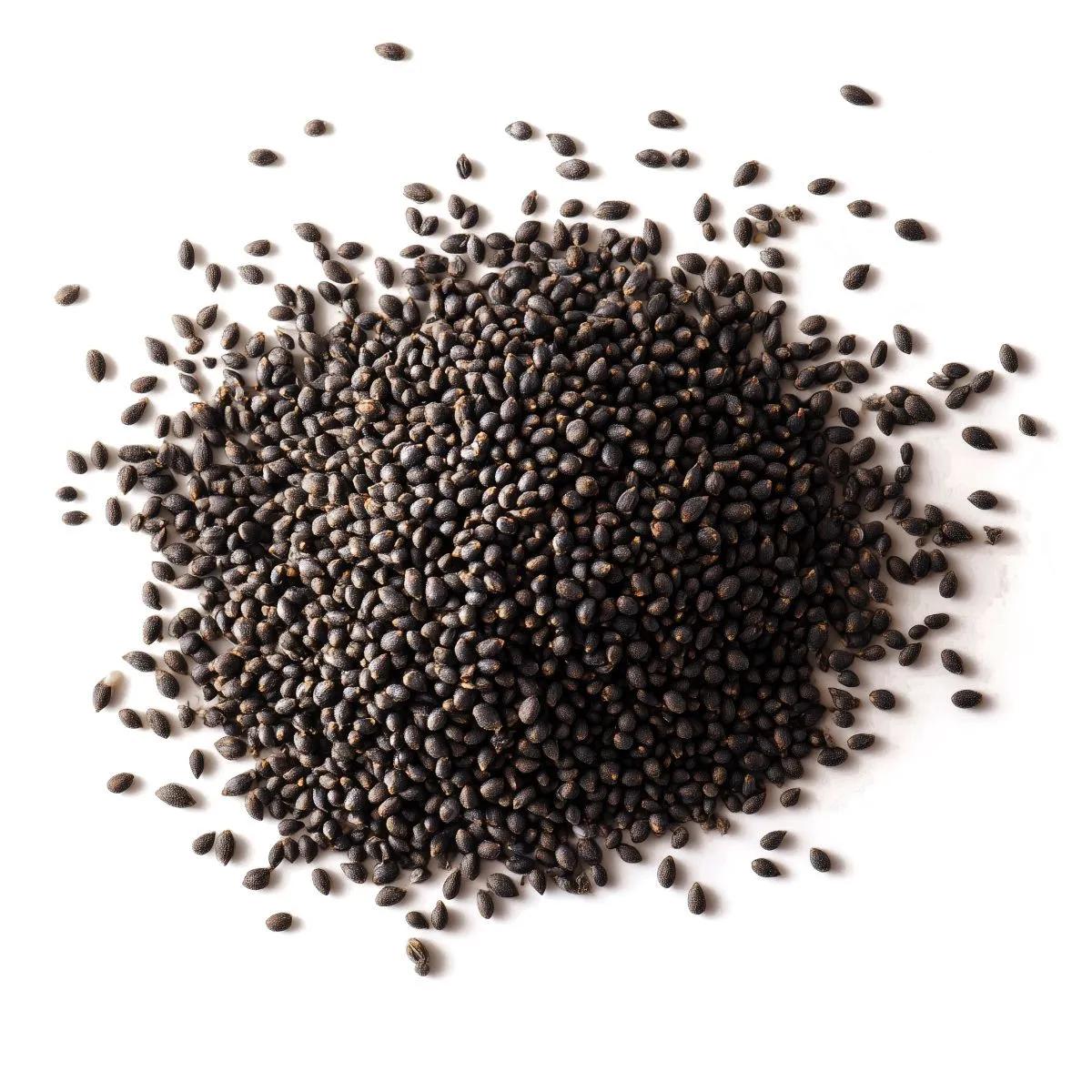
Read the table by growth speed first, then by format. A cutting gives you a rooted column in one season; a seed is a 3–5 year project before anything looks like a cactus you'd recognise.
First-time buyers: get a medium San Pedro cutting (25–30 cm). It roots in cactus soil within a month, tolerates neglect, and you'll see new growth in your first season. Honestly, skip seeds for your first project — they work, but spending three years waiting for something to resemble a cactus is a good way to lose interest.
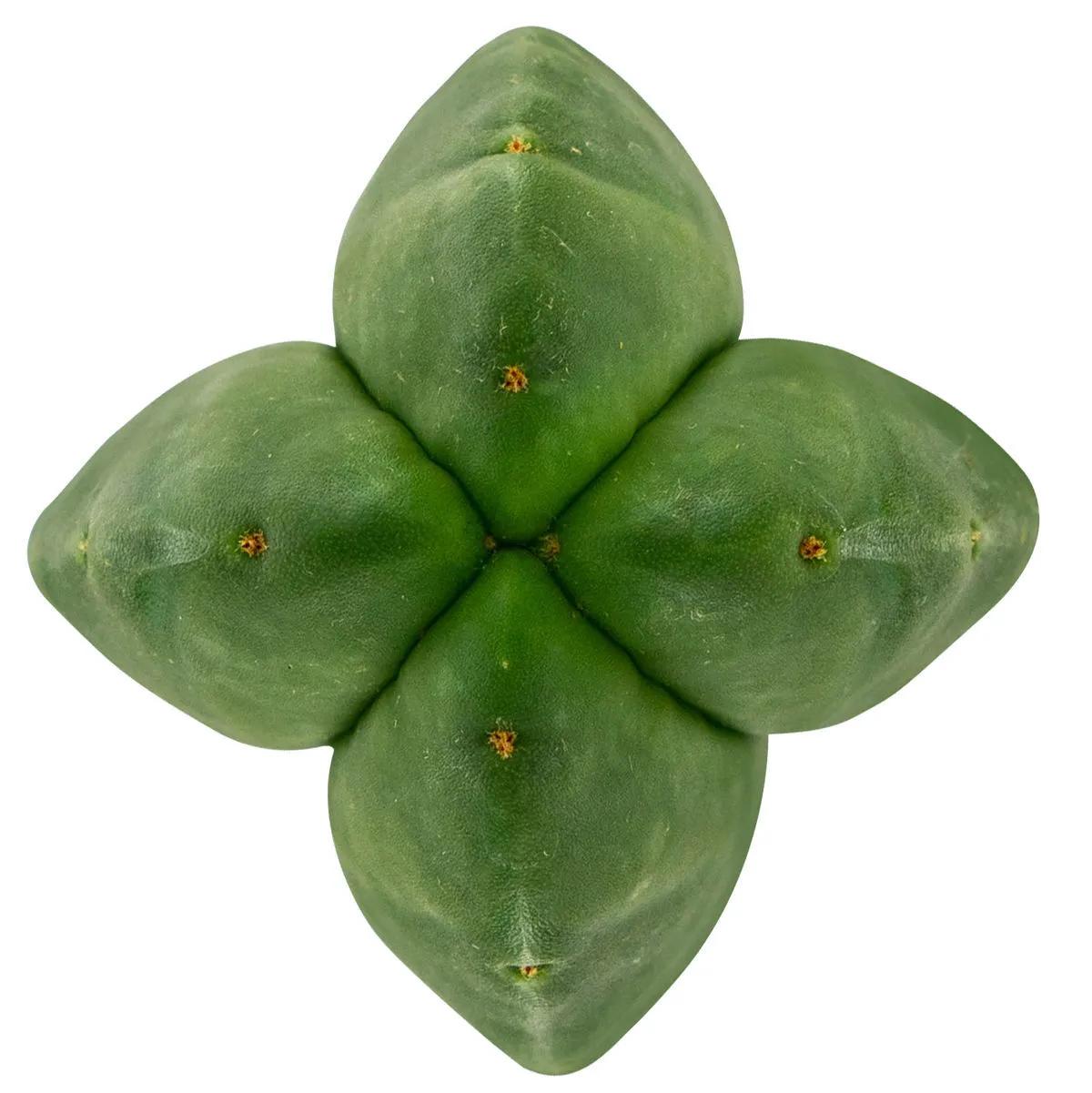
Intermediate growers who already own a San Pedro: shop the Peruvian Torch or Bolivian Torch next. Same care routine, different silhouette, and you'll start to notice how the Andean species diverge. The Cactus of the Four Winds is the sensible rare-pick here — four ribs instead of the usual five or six, and genuinely hard to source elsewhere.
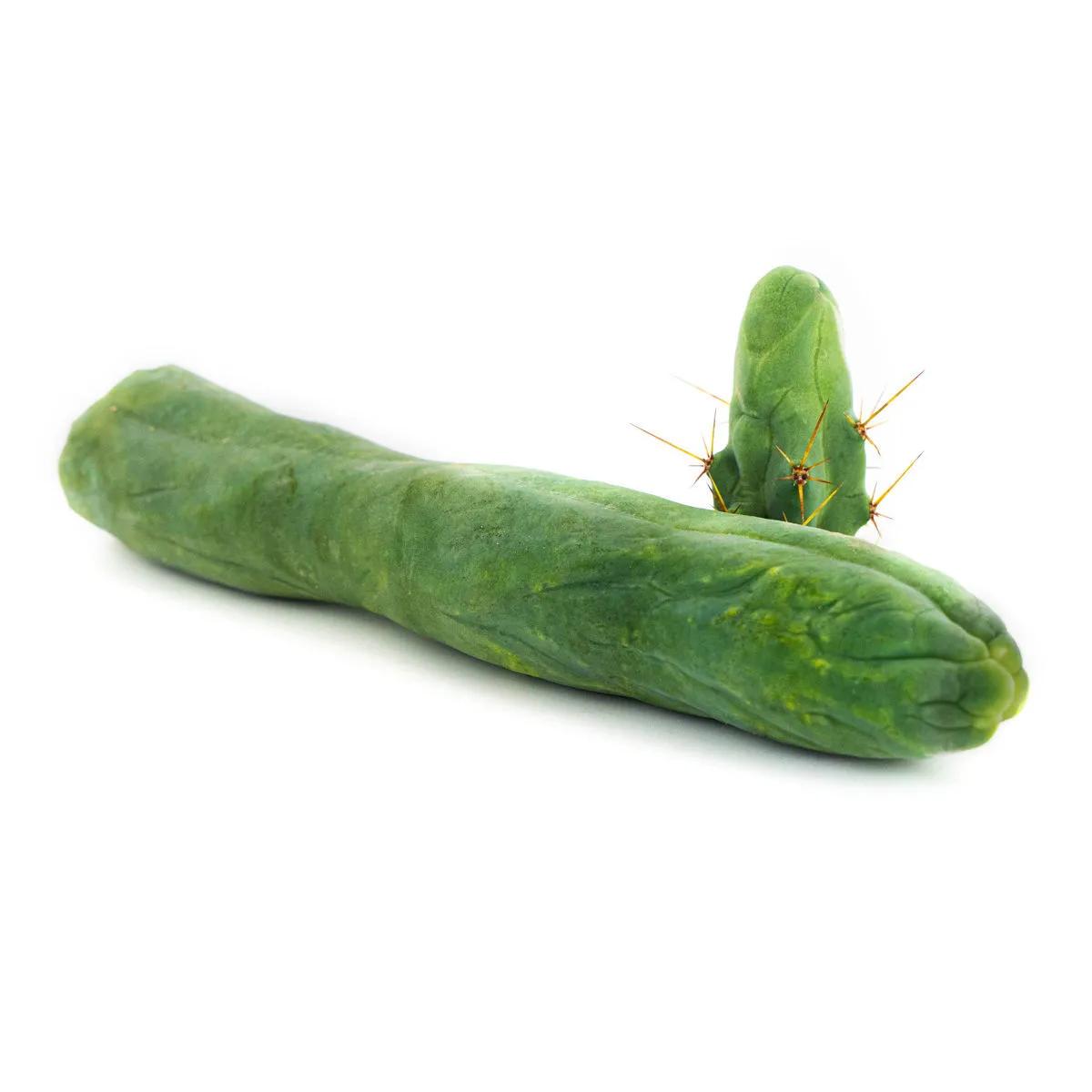
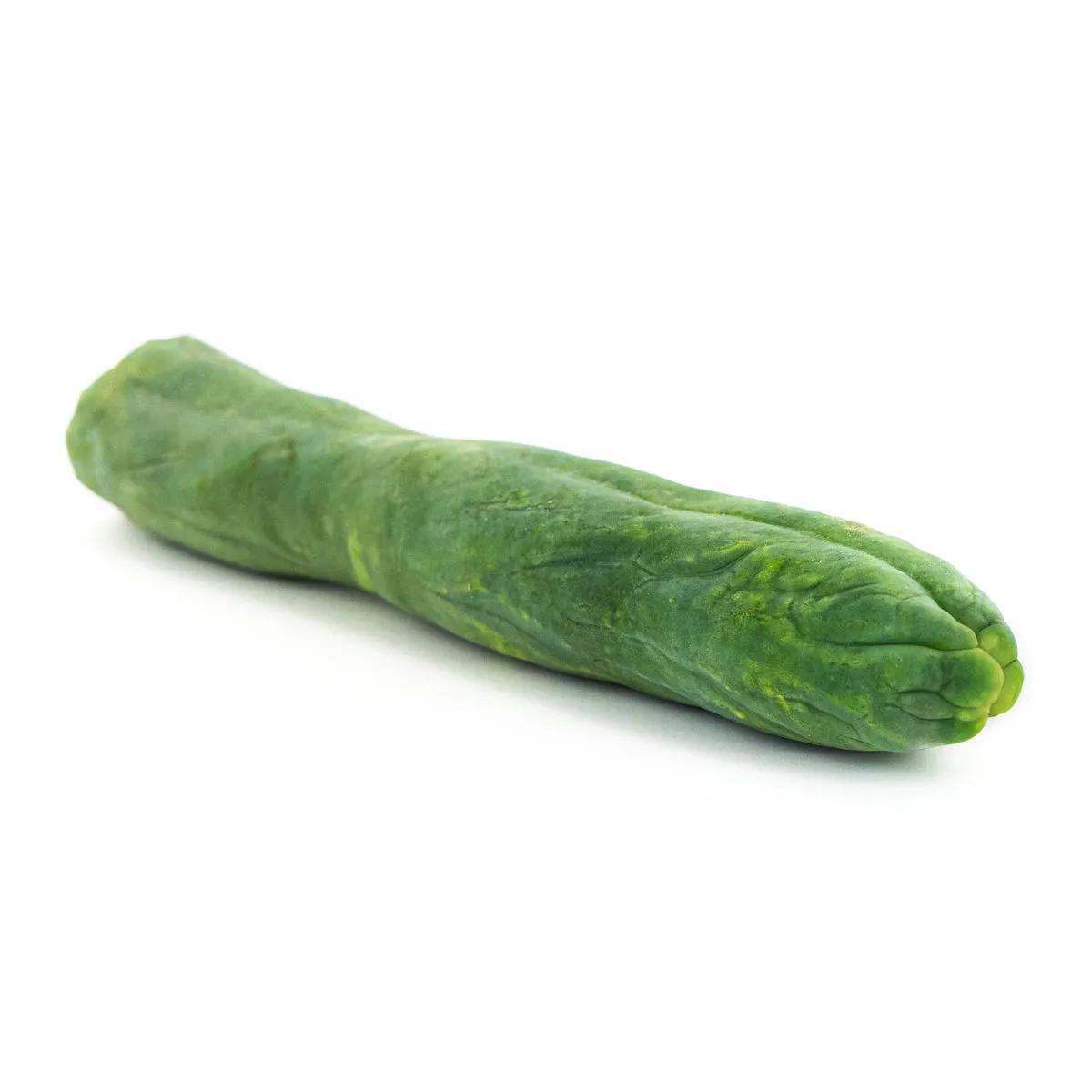
Advanced collectors: buy the mutants and rarities. Bolivian Torch Monstrose grows into shapes you couldn't sketch if you tried. San Pedro Crested branches from multiple growth points at once. The Super Pedro 4 Ribs cutting carries a trait only found in aged mother plants. For peyote collectors, the grafted peyote skips the decade-long wait by fusing a williamsii cluster onto Eriocereus jusbertii rootstock — you get visible button growth within months.
When in doubt, order the medium San Pedro. It's the cactus we'd recommend to our own sister.
Pair any cutting with a proper cactus soil mix and a terracotta pot — the two things that decide whether your mescaline cactus thrives or rots.
San Pedro (Echinopsis pachanoi). It puts on 30–40 cm per year, roots from a cutting within weeks, and forgives most watering mistakes. Start with a medium 25–30 cm cutting rather than seeds — you'll have a rooted, visibly growing column in one season.
Both are Andean columnar Echinopsis species, but San Pedro (E. pachanoi) grows faster and has shorter spines, while Peruvian Torch (E. peruviana) grows slower, has longer spines and a more blue-green skin. San Pedro tops out around 6 metres in the wild; Peruvian Torch reaches 3–6 metres. Care is identical.
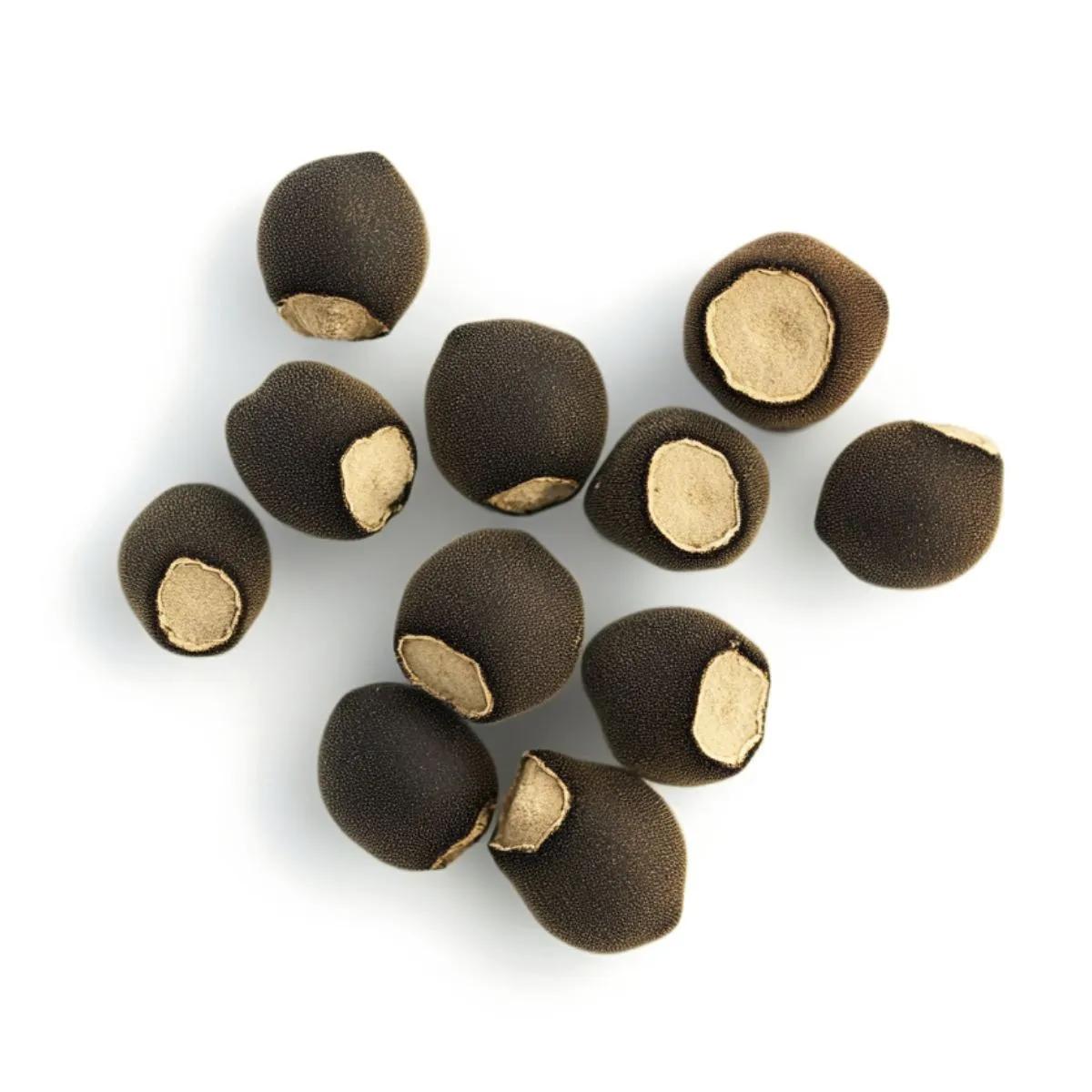
Buy a cutting if you want a recognisable cactus this year. Buy seeds if the multi-year cultivation is the point — peyote seeds germinate in 7–14 days but take 3–5 years before the button is visibly a button. Seeds are the cheapest entry; cuttings are the fastest path to a mature plant.
Peyote (Lophophora williamsii) adds roughly 1 cm of diameter per year from seed. A harvestable button takes 8–10 years ungrafted. Grafted peyote — a williamsii cluster fused onto Eriocereus jusbertii — produces visible new growth within months, which is why we stock it.
It's a rare four-ribbed form of the Bolivian Torch (Echinopsis lageniformis forma quadricostata), sacred to Andean shamans under the name Achuma. Most Bolivian Torches carry five or six ribs; the four-ribbed form is exceptionally hard to source and treated as a collector's specimen. We stock it in small and medium cuttings.
Yes. A 50/50 mineral-to-organic mix — coarse sand, pumice or perlite combined with standard compost. Standard houseplant soil holds too much water and rots both columnar cacti and peyote within a season. Terracotta pots help the soil dry between waterings.
Last updated: April 2026
Medical disclaimer. This content is for informational purposes only and does not constitute medical advice. Consult a qualified healthcare provider before use of any substance.